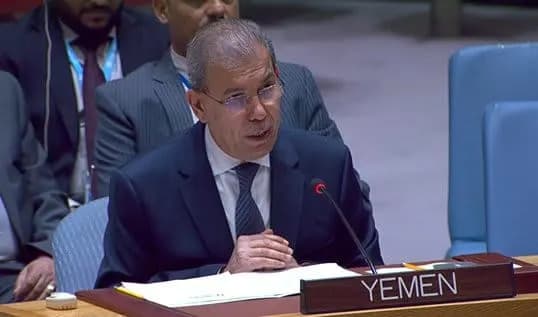
China privately urged Iran to press Yemen's Houthi rebels to curb recent advances that threaten Red Sea shipping and the Bab el-Mandeb Strait, Reuters reports. Beijing made the discreet appeal after a Saudi request and stressed the need to protect critical energy routes. Tehran tied regional stability to ending what it calls a US-Israeli war on Iran, and analysts say the decisive test is whether China will attach concrete consequences if Iran does not act.
China Privately Urges Iran To Rein In Houthis After Saudi Appeal, Citing Risk To Energy Routes
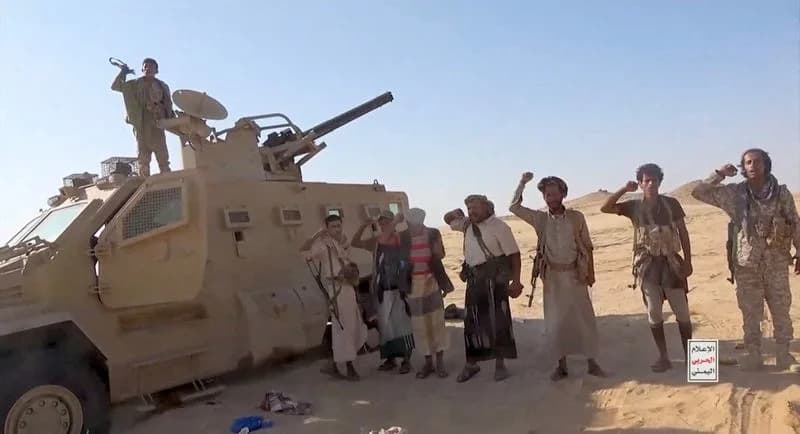
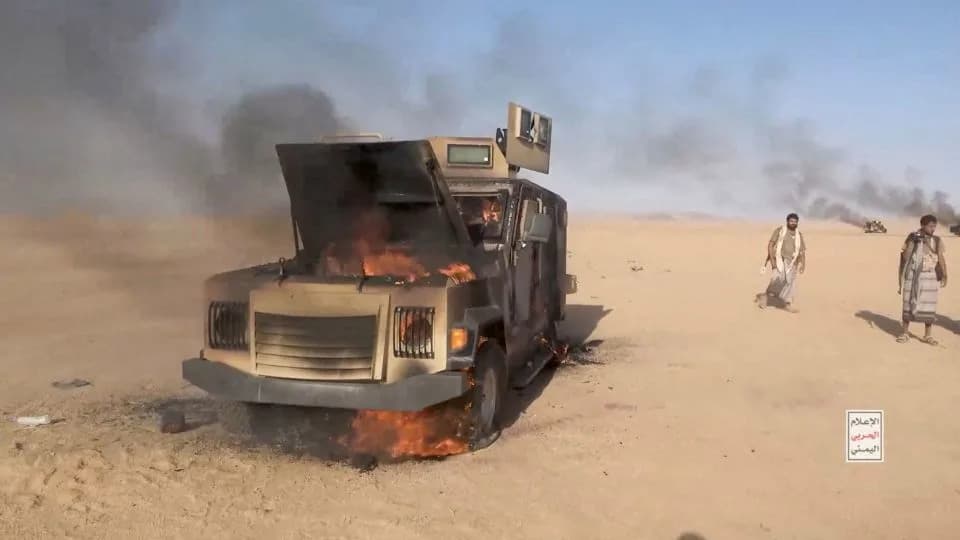
FILE PHOTO: Iran-aligned Houthi fighters pose next to a captured vehicle following what the source described as an attack on Saudi-backed forces in the location given by the source as al Jawf governorate, Yemen, in this screengrab taken from a video released by Houthi Military Media on September 15, 2026. HOUTHI MILITARY MEDIA/Handout via REUTERS
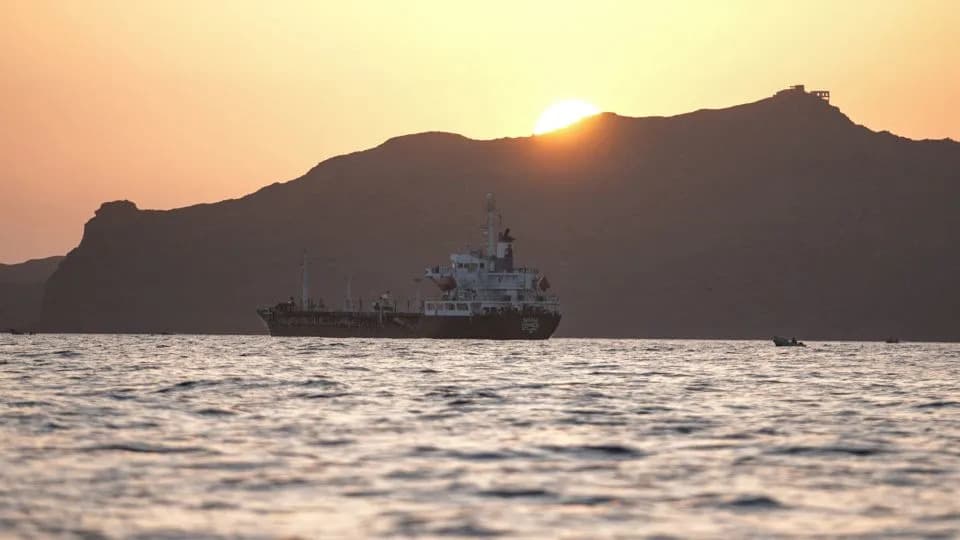
China has privately urged Iran to use its influence over Yemen's Houthi movement to help halt recent Houthi advances along the Red Sea and around the Bab el-Mandeb Strait, three Iranian sources told Reuters. The diplomatic plea followed a Saudi appeal to Beijing after a week of rapid Houthi gains that have elevated risks to Saudi oil exports and global shipping.
While Beijing's public statements have called for restraint, dialogue and the restoration of safe navigation, the private message to Tehran went further, asking Iran to press the Houthis to avoid widening conflict across key energy routes on which China relies.
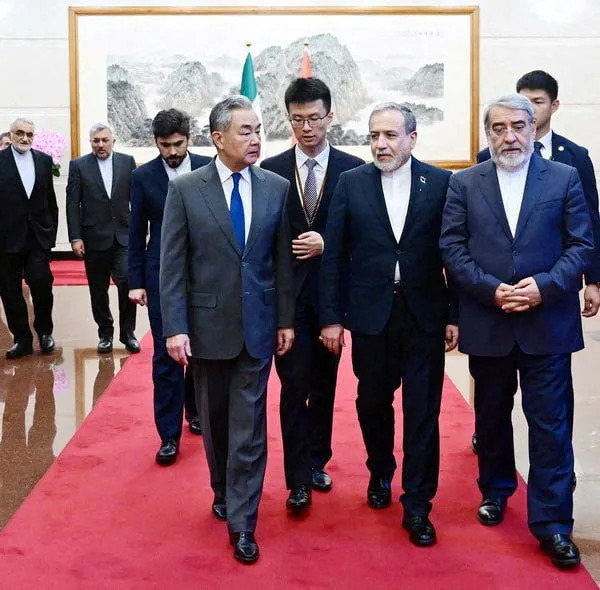
Iranian Foreign Minister Abbas Araghchi meets with China's Foreign Minister Wang Yi, in Beijing, China, September 16, 2026. Iranian Foreign Ministry/WANA (West Asia News Agency)/Handout via REUTERS
How The Appeal Was Received
The three sources, who spoke on condition of anonymity because they were briefed on the discussions, did not specify how the private appeal was delivered or whether it was raised during Iranian Foreign Minister Abbas Araqchi's visit to China. According to the sources, Tehran responded by framing regional stability as contingent on an end to what it calls a US-Israeli war on Iran, underscoring Tehran's view that wider geopolitical dynamics must be addressed for de-escalation.
China's Foreign Ministry: "China does not wish to see regional tensions further spill over into Yemen and the Red Sea. Escalating regional instability is not in the interests of any party. The sovereignty and security of all countries should be respected... China calls for an end to actions that further complicate the situation and urges resolving issues through dialogue and negotiation."
Dangers Of A Wider Regional Conflict
Analysts warn that Houthi attacks on Red Sea shipping, combined with Iran's restrictions on the Strait of Hormuz, could disrupt the Middle East's two main oil-export corridors simultaneously. That would escalate a global energy shock and widen the confrontation between Tehran and the United States.
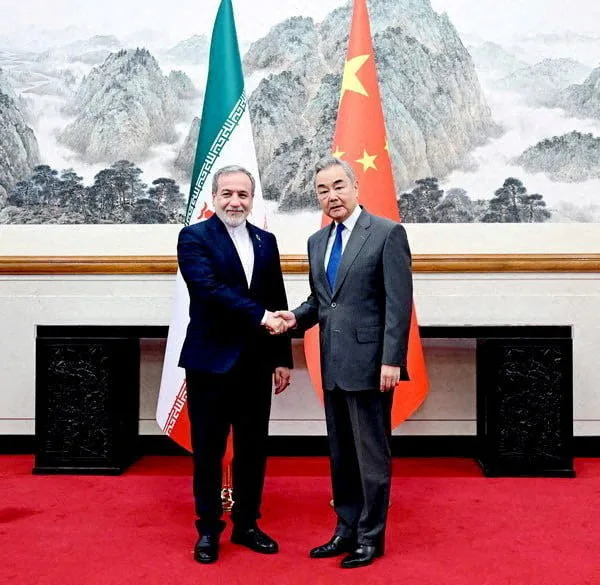
Iranian Foreign Minister Abbas Araghchi meets with China's Foreign Minister Wang Yi, in Beijing, China, September 16, 2026. Iranian Foreign Ministry/WANA (West Asia News Agency)/Handout via REUTERS
China has been Iran's largest trading partner for more than a decade and remains the main buyer of its oil. Commodities analytics firm Kpler estimates Chinese purchases represented more than 80% of Iran's seaborne oil exports in 2025, averaging roughly 1.4 million barrels per day. That economic link gives Beijing leverage and explains its concern about securing maritime routes.
Beijing's Calculus And Its Limits
Beijing has shown diplomatic influence in the region—most notably helping broker the 2023 thaw between Iran and Saudi Arabia—but its ability to compel Tehran has limits. Iranian officials balance strategic, economic and domestic political priorities, and some critics in Iran say Chinese non-oil trade and investment since the 2021 25-year cooperation pact have been modest compared with Beijing's growing Gulf investments.
Observers say the key test will be whether China is prepared to attach tangible consequences to its private request. So far, Chinese officials have not threatened economic penalties, and it remains unclear whether Beijing will apply stronger leverage if Tehran does not act to restrain the Houthis.
(Additional reporting by Liz Lee in Beijing and Timour Azhari in Riyadh; Writing by Parisa Hafezi; Editing by Angus McDowall and Timothy Heritage)
Help us improve.