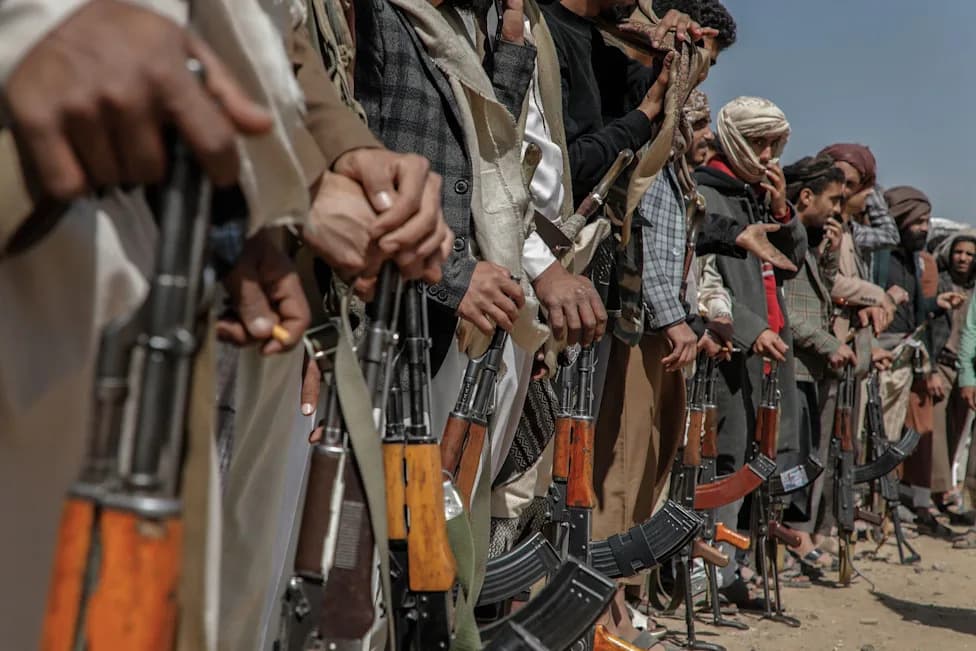
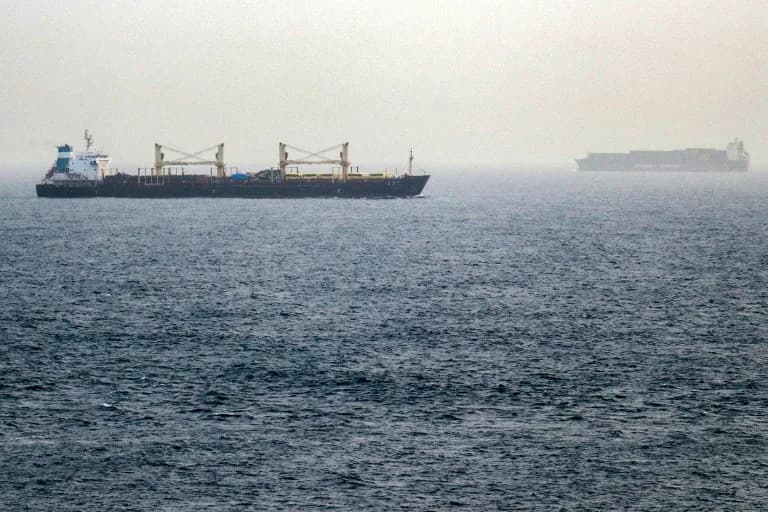
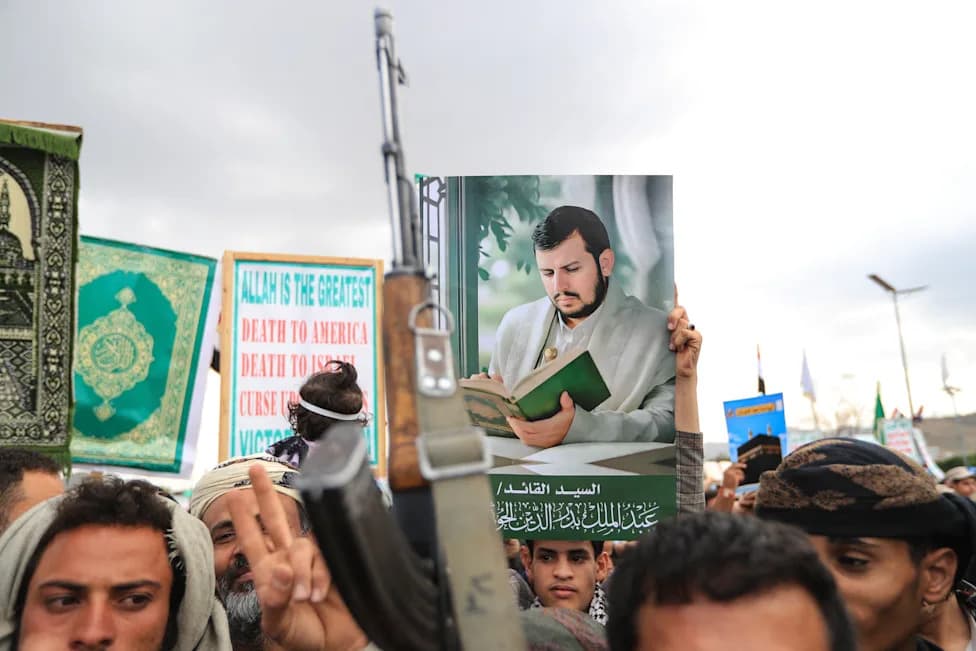
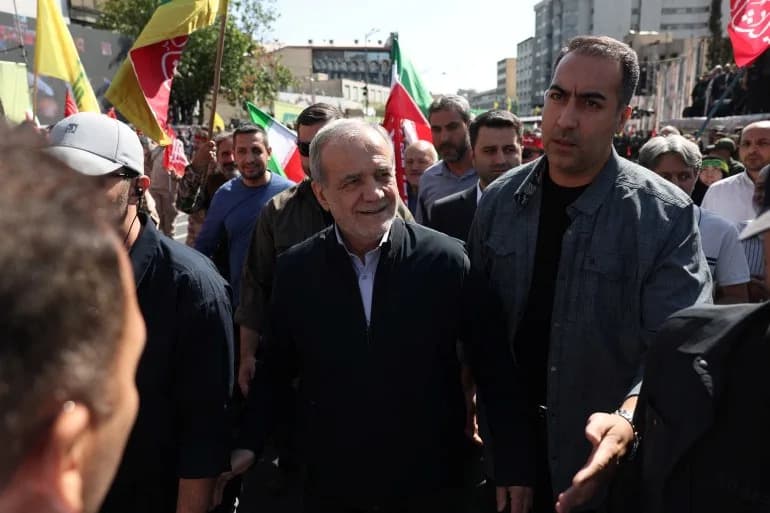
The Iran-aligned Houthis have expanded operations in the Red Sea, seizing a key island and pushing toward the Bab al-Mandeb chokepoint. The Trump administration has confined US involvement to intelligence and targeting support, refusing to conduct offensive strikes and urging Saudi leadership of any military response. Riyadh’s trained and US-backed forces have struggled to halt Houthi advances, raising doubts about a military-only solution and complicating wider diplomacy with Iran.
Houthis’ Red Sea Advance Deepens Regional Crisis as US Limits Role to Intelligence Support
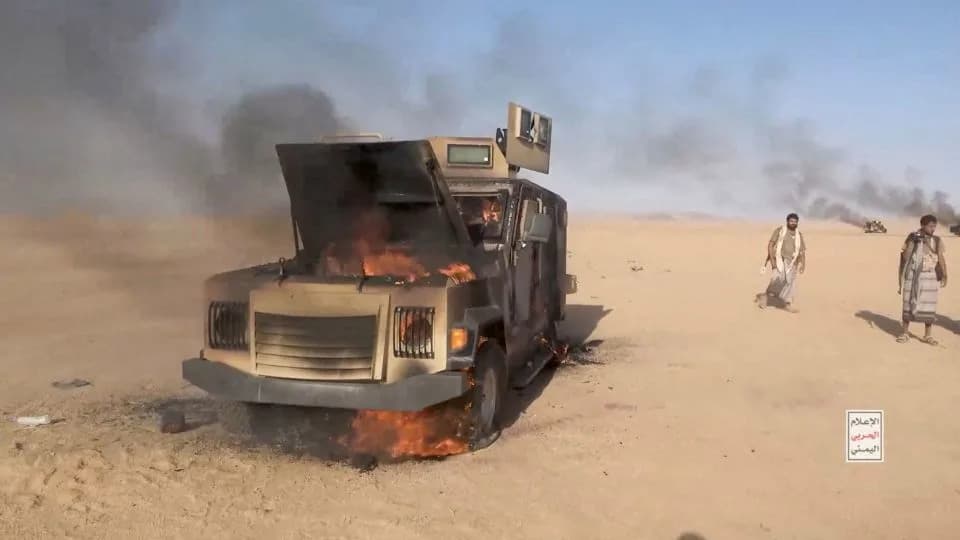
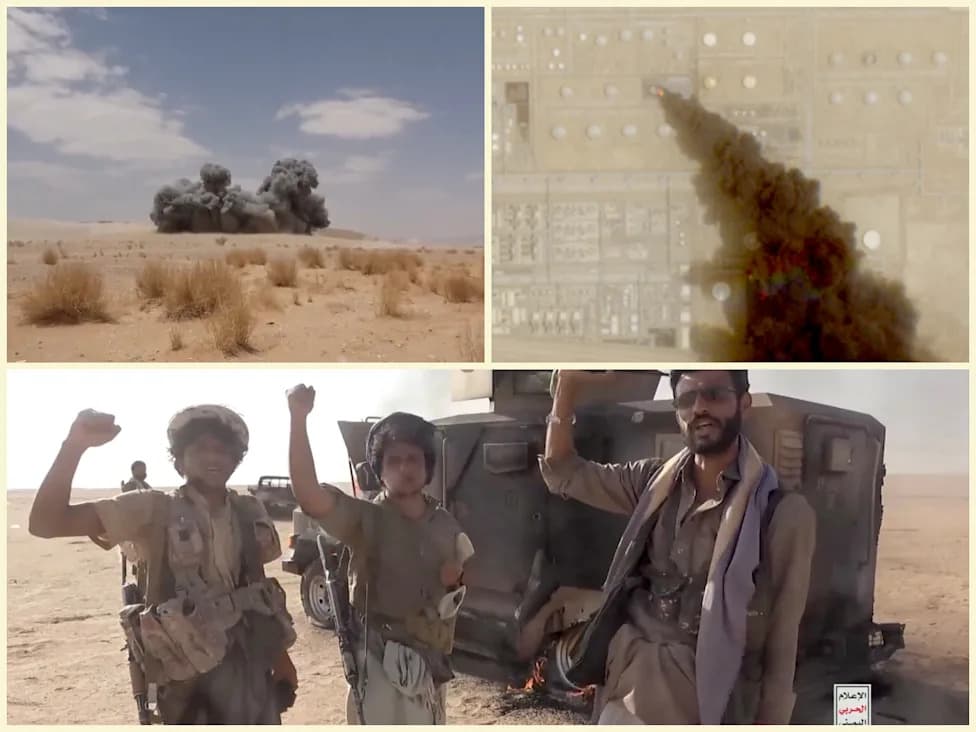
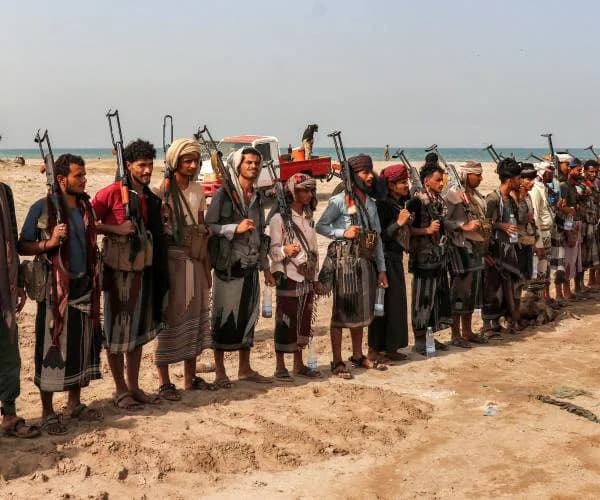
Iran-aligned Houthi fighters move next to a destroyed vehicle following what a source described as an attack on Saudi-backed forces on September 15. - Houthi Military Media/Handout/Reuters
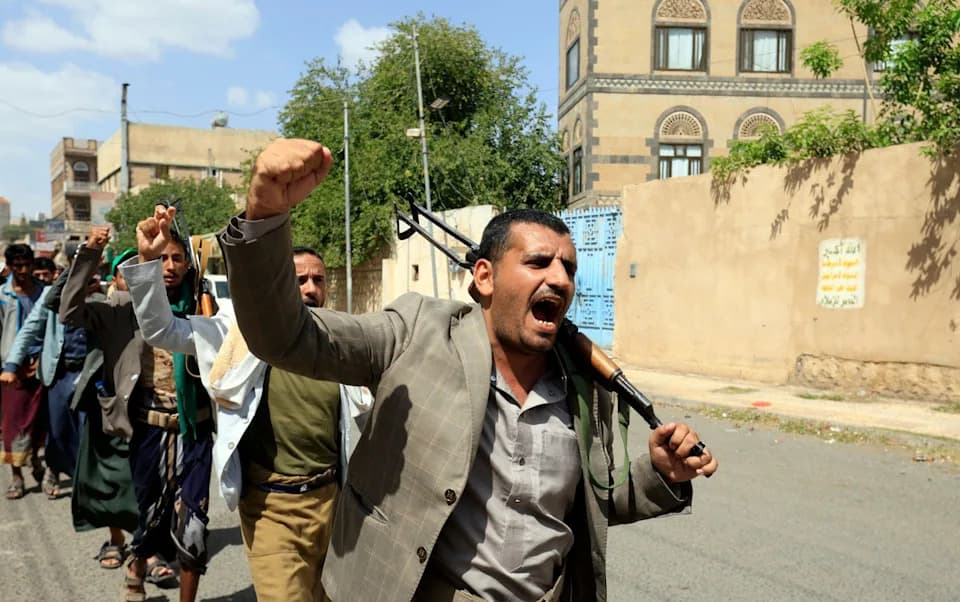
Rapid gains by the Iran-aligned Houthi movement — including the seizure of a strategically important Red Sea island — have intensified instability across the Middle East and added pressure to already strained global energy markets. Regional and US sources tell reporters that neither Washington nor its chief regional partner, Saudi Arabia, currently has a clear plan to reverse the Houthi advance, leaving many in the region uncertain where a viable counteroffensive will come from.
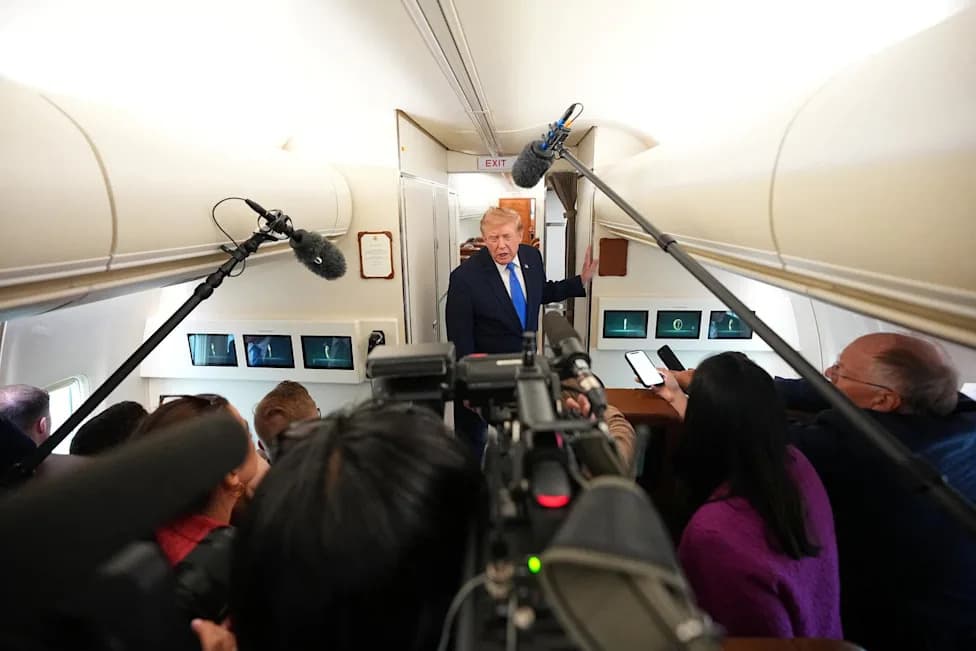
US Policy: Intelligence Support, No Offensive Strikes
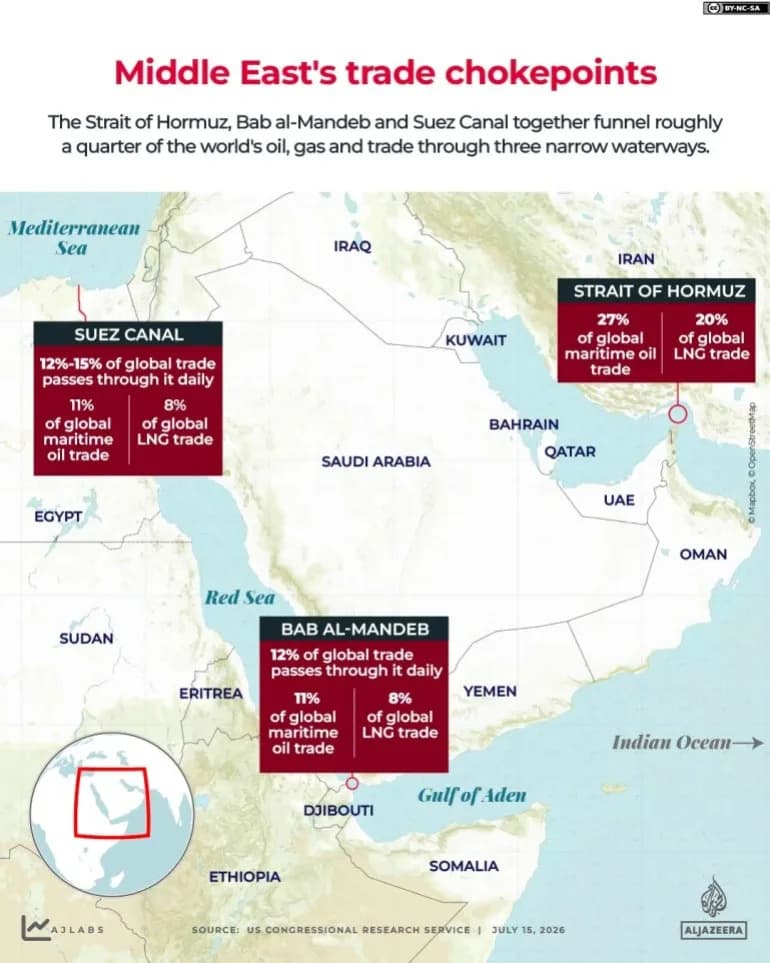
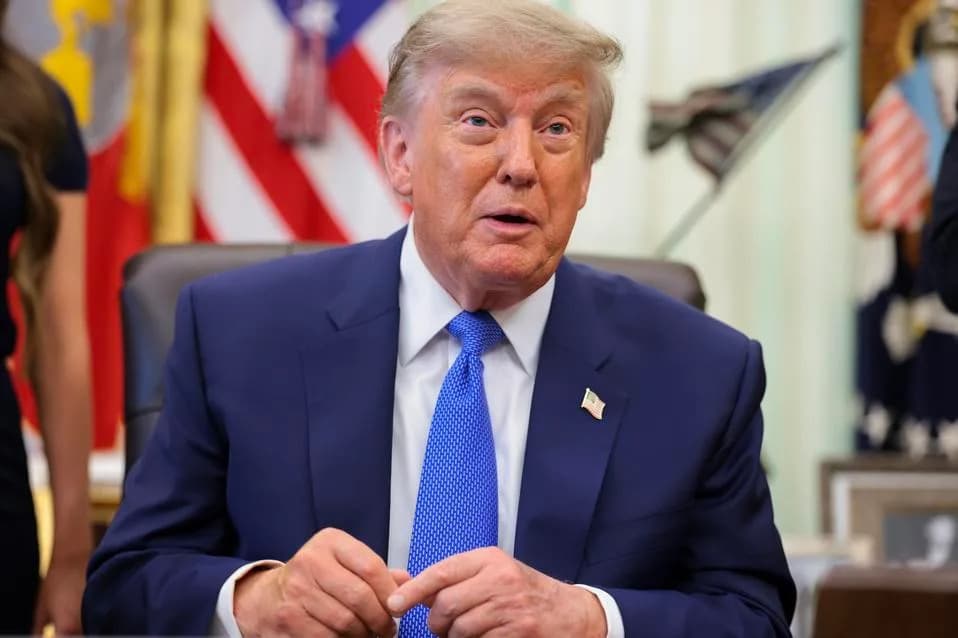
US officials acknowledge that the Houthis appear intent on expanding control toward the Bab al-Mandeb strait, a vital shipping chokepoint. But the Trump administration has signaled reluctance to commit American combat forces to halt them, limiting US involvement to intensified intelligence sharing and targeting assistance while expecting Saudi Arabia to take operational responsibility.
Despite this support, Saudi-backed forces — after roughly a decade of training and assistance from Riyadh and the United States — have struggled to prevent Houthi forces from capturing key coastal towns in Yemen. Gulf and US officials expressed skepticism that Saudi operations alone will be sufficient to dislodge the militia.
Houthi Capabilities and Iranian Links
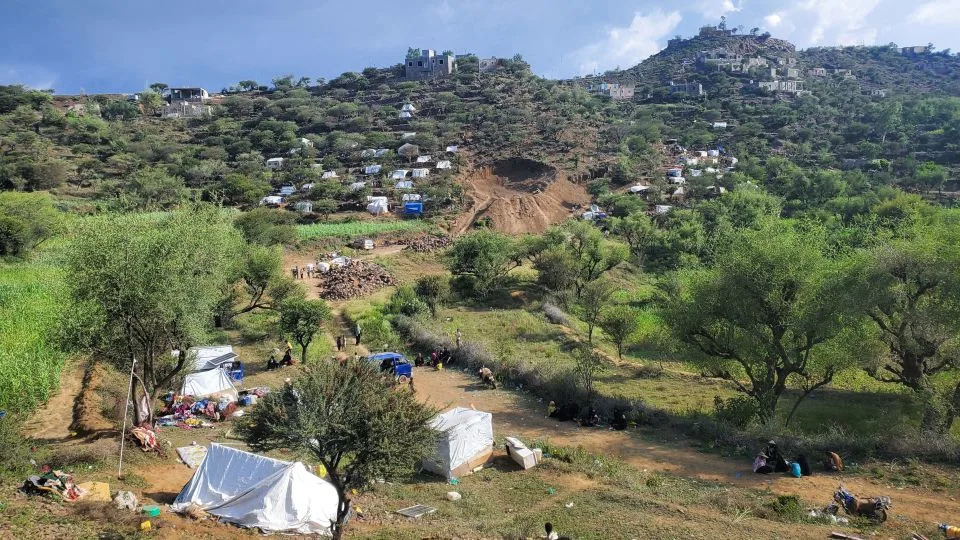
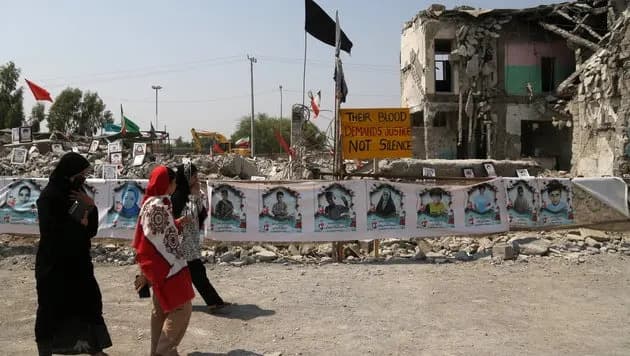
A view of a makeshift camp for people displaced by clashes between Iran-aligned Houthi fighters and Saudi-backed Yemeni government forces, in Taiz province, Yemen September 13, 2026. - Stringer/Reuters
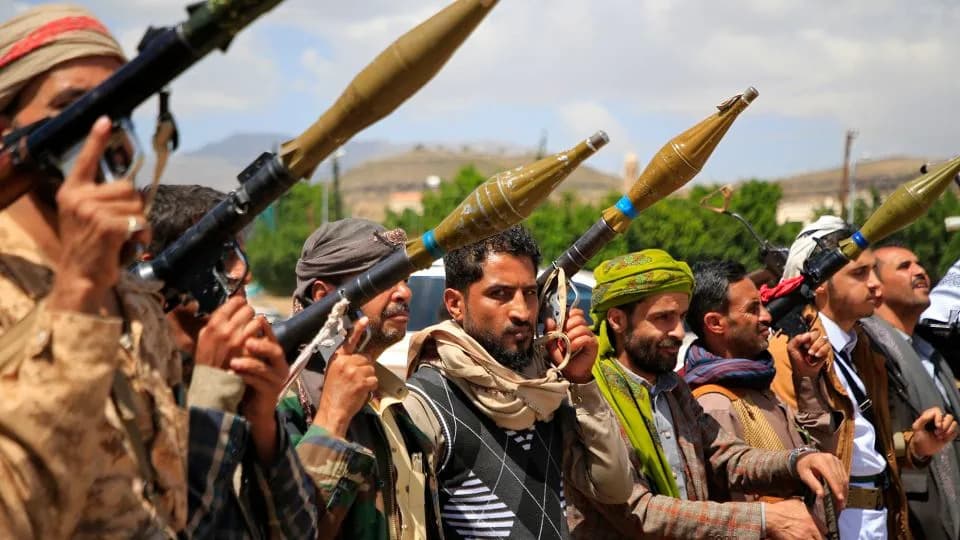
Analysts and former diplomats say the Houthi moves were predictable given known weaknesses among Saudi-backed Yemeni forces and the militia’s improving capabilities. The group benefits from training, materiel and strategic guidance tied to Iran’s Islamic Revolutionary Guard Corps (IRGC), a relationship that has helped transform the Houthis into a more effective fighting force than a decade ago.
US intelligence for months warned the group could attempt to disrupt major commercial routes at sea. The administration designated the Houthis as a Foreign Terrorist Organization in March 2025, a move that further complicated diplomatic and military calculations.
Diplomatic Fallout and Regional Risks
Houthi attacks have complicated diplomacy across the Gulf. A planned first meeting between Gulf Cooperation Council countries and Iran since the US-Iran war began was canceled after Saudi Arabia declined to attend, citing concerns over language in a potential Oman-Iran agreement to reopen the Strait of Hormuz. Regional sources say the Saudis see little upside in negotiating with Tehran while attacks tied to Iran-aligned proxies continue.
Some Gulf officials warn the Houthi offensive represents a new front in the broader Iran-related conflict and could prolong regional instability. The disruption to shipping routes and recent Saudi cuts to oil exports for Europe have underlined the potential for a deepening global energy shock.
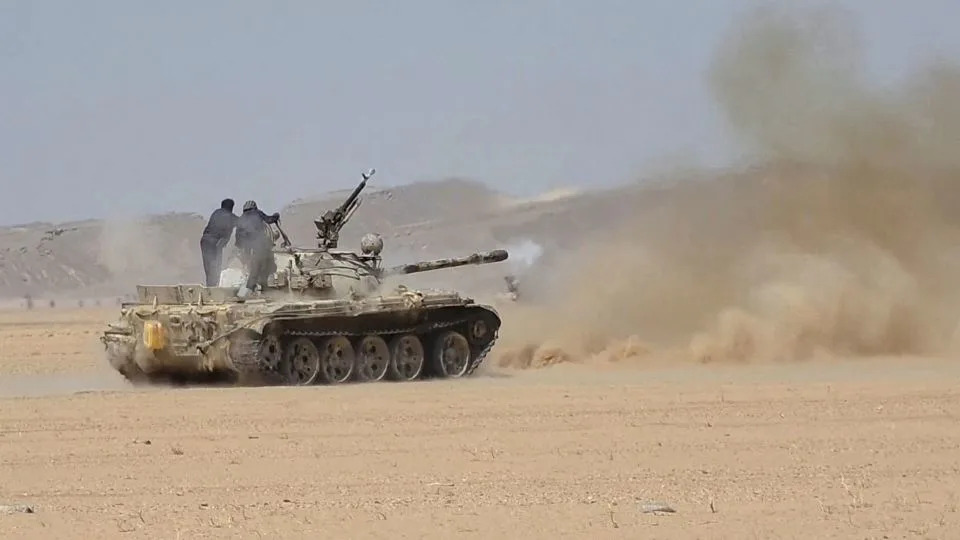
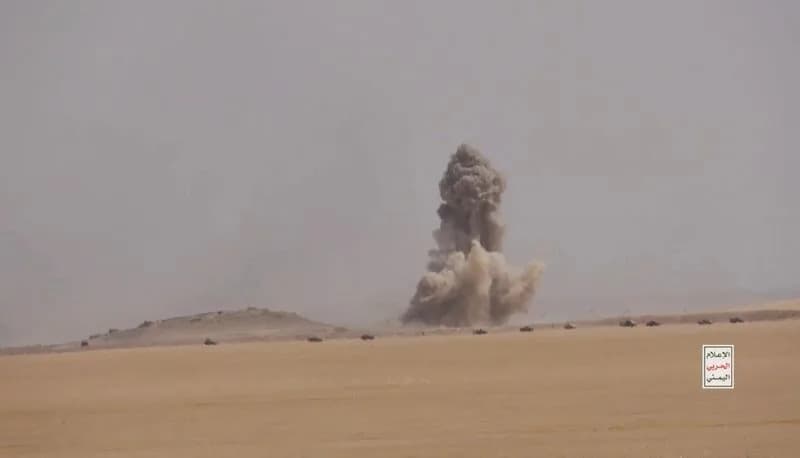
Members of the Saudi-backed Yemeni government forces fire a tank during what they say to be clashes with Yemen's Iran-aligned Houthis in a location given as near Al-Hazm, Yemen, in this screen grab obtained from a handout video released September 9, 2026. - Yemeni Armed Forces Media Center/Handout/Reuters
Limits Of A Military-Only Response
Observers — including former US diplomats and regional sources — argue that military measures alone are unlikely to eliminate the Houthi threat. Previous US bombing campaigns and months of strikes did not fully dislodge the group and ended in a ceasefire that many say exposed the limits of airpower without sustained regional ground capacity and political strategy.
Some regional officials insist Riyadh must either escalate militarily or open negotiations with the Houthis, but Saudi resources are already stretched by multiple security challenges, including attacks on critical infrastructure and the need to secure maritime traffic.
Outlook
Without a clearer, coordinated strategy — combining credible deterrence, regional burden-sharing and renewed diplomatic engagement — the risk is that Houthi gains will persist and further complicate efforts to stabilize the Gulf. For now, Washington’s decision to withhold offensive strikes, coupled with Riyadh’s limited operational success, leaves the region facing a fragile and potentially protracted confrontation.
“No offensive strikes,” a US official said, summarizing an administration line that has frustrated Gulf partners who seek firmer commitments in the face of expanding Houthi operations.
Help us improve.