The Iran-aligned Houthis have rapidly seized key coastal positions along Yemen’s Red Sea corridor, taking Mokha, Mayun and the Hanish islands and placing themselves near vital shipping lanes and a major U.S. base. Their gains create exposed targets that a coordinated coalition could strike, while also narrowing a short window before the Houthis fortify those positions. Regional and allied militaries have begun planning joint responses — including expanded ISR support and maritime interdiction — but decisive, sustained action is needed to remove Houthi control rather than merely manage it.
Red Sea Alarm: A Coalition Is Needed Now to Stop the Houthis

Few took the Houthis seriously. A coalition is now needed to stop them.
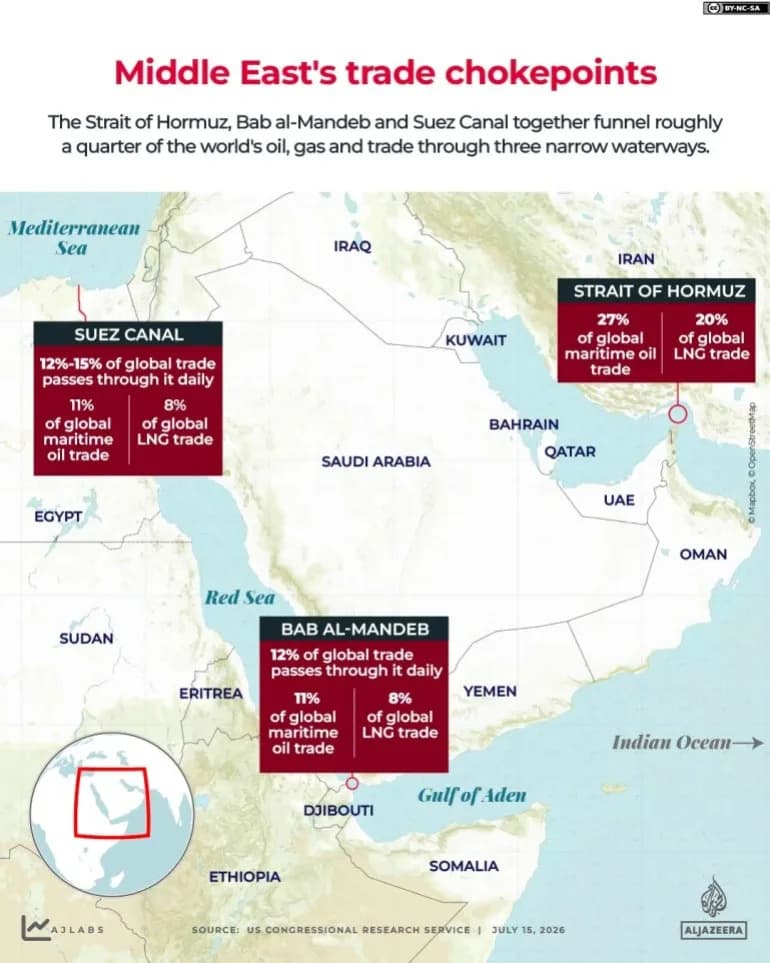
On September 15, Saudi authorities issued — then lifted — alerts for Mecca, Jeddah and Taif with no reported damage. The warnings followed a rapid Houthi push down Yemen's Red Sea coast that has dramatically altered the security picture for one of the world’s most important shipping lanes.
Background: Rapid Houthi Gains
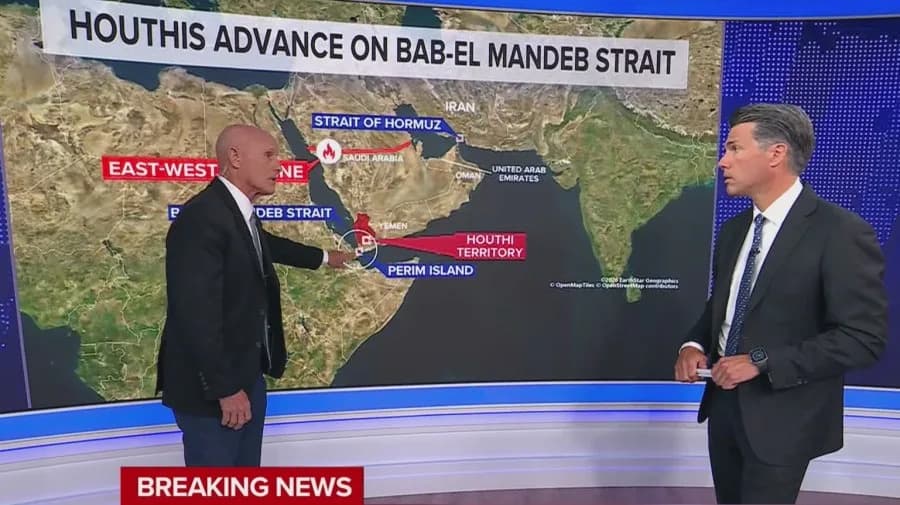
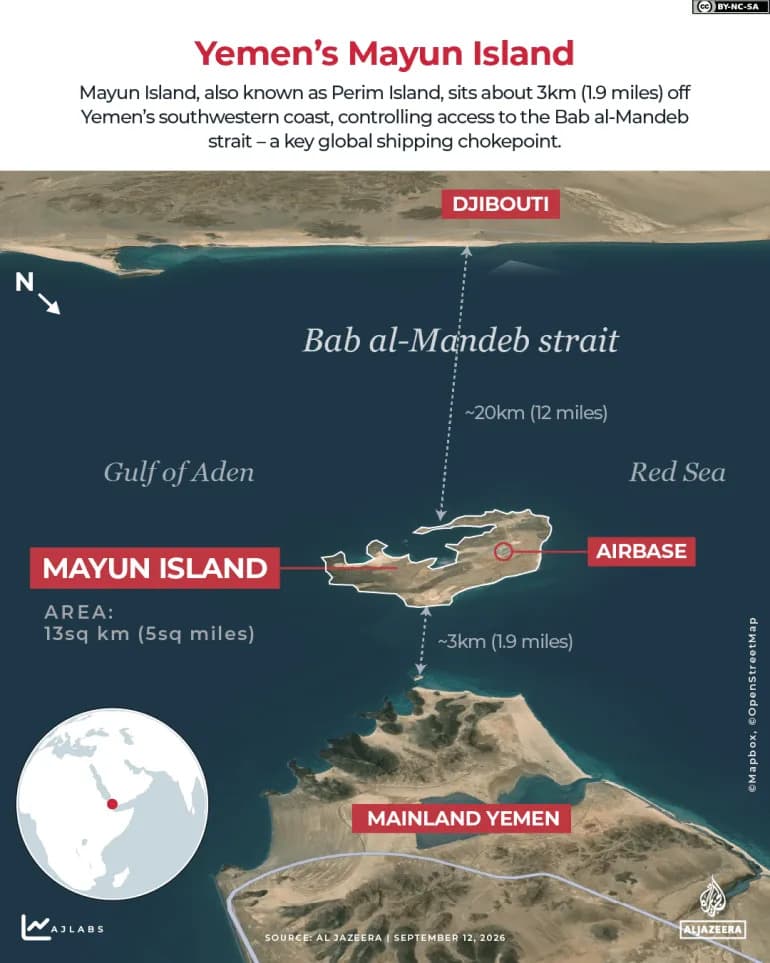
The Iran-aligned Houthi movement seized the port city of Mokha, captured Mayun island in the Bab el-Mandeb strait and advanced onto the Hanish islands to the north. They now control nearly the entire Yemeni side of the Red Sea corridor and sit roughly 20 miles from Camp Lemonnier, the main U.S. military base in Djibouti.
How the Houthis Became a Strategic Threat
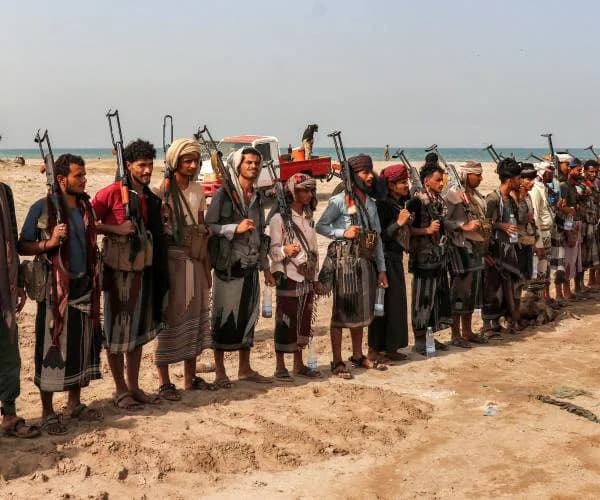
Many governments long treated the Houthis as a localized militia or a humanitarian issue. That view has failed to account for the facts on the ground: the group governs Sanaa, controls densely populated areas of Yemen and now holds almost all of the country’s Red Sea coastline. U.S. officials and many analysts consider the Houthis to be backed by Iran, and reporting indicates Tehran has encouraged and materially supported recent escalations.
Why They’ve Been Difficult To Stop
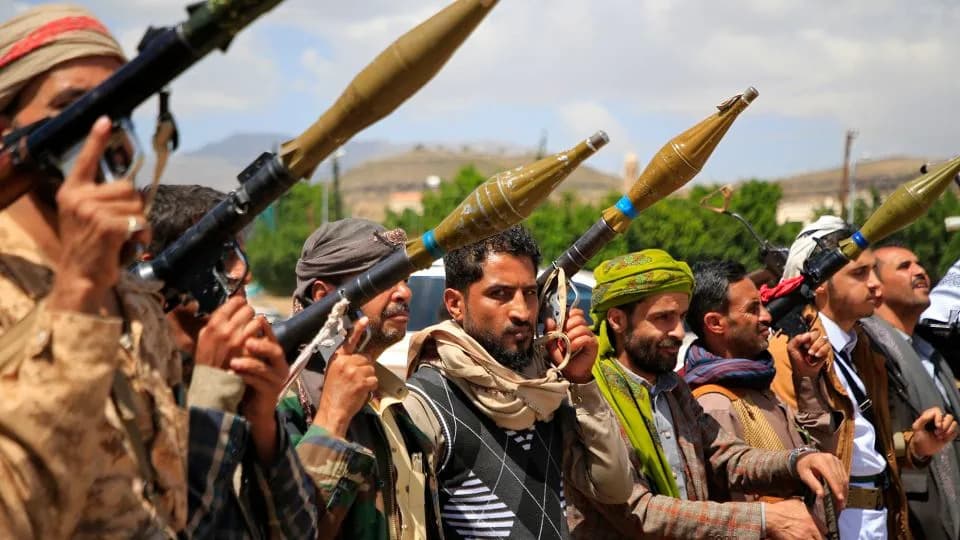
The Houthis rely on inexpensive drones and missiles that can overwhelm costly interceptors. From fortified mountain positions they have endured years of Saudi-led air campaigns and, more recently, strikes by U.S. and British forces. Iranian-supplied weapons have continued to reach them despite naval and air measures, and past military campaigns have repeatedly lacked sustained follow-through.
A Narrow Window of Opportunity
Their new coastal holdings — a port, an airfield, islands and long stretches of shoreline — create fixable targets. Seizing that ground brought Houthi strike capabilities closer to commercial shipping, but also exposed them while they try to consolidate and fortify. That exposure will diminish as they entrench, so action taken now would exploit a limited window.
Regional Coordination Is Growing
Last week Admiral Brad Cooper of U.S. Central Command convened senior military leaders from eight countries in Germany, with reported representation from Israel, Saudi Arabia, the UAE, Bahrain, Kuwait, Qatar, Jordan and Egypt. Discussions reportedly included keeping U.S. forces in the region and expanding intelligence, surveillance and reconnaissance (ISR) support to Saudi Arabia — similar to the ISR cooperation Israel provides the UAE.
What a Credible Response Could Look Like
A decisive, coordinated campaign should include: sustained, precision strikes on exposed Houthi coastal positions; a joint maritime interdiction mission to block Iranian resupply; and an explicit objective of dislodging Houthi control from the Red Sea coast rather than merely managing the threat. Diplomacy and humanitarian safeguards would need to accompany any military effort to limit civilian harm and restore secure shipping lanes.
Politics and the Clock
Riyadh has signaled caution: Crown Prince Mohammed bin Salman recently traveled to Cairo to consult President Abdel-Fattah El-Sisi, and reports indicate Saudi reluctance to act unilaterally. Iran, for its part, benefits strategically by stoking sectarian and interstate tensions — but that same pressure is pushing regional states into closer coordination. This moment offers a rare opening for a sustained, multilateral response; delay risks allowing the Houthis to entrench and the strategic consequences to deepen.
Bottom line: The Houthi advance threatens global shipping and regional stability. A coordinated, sustained coalition response — military, maritime and diplomatic — is the most credible option to reverse their gains before they become permanent.
Help us improve.