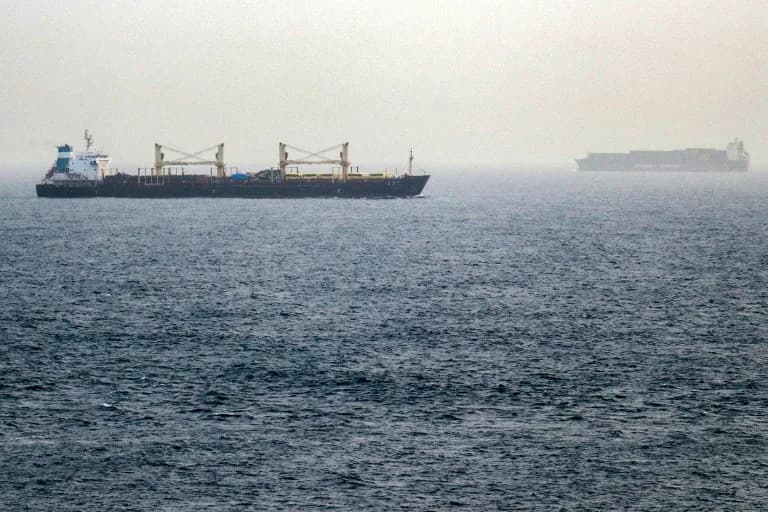
The Houthi movement says Saudi airstrikes killed prisoners and civilians as the Iran-backed group seizes parts of Yemen's Red Sea coast, raising fears for shipping through the vital Bab al-Mandab strait. Heavy fighting has left dozens dead and driven more than 130,000 people from their homes, a UN agency warned could exceed 230,000. G7 leaders called for an immediate halt to military actions and urged Iran to stop arming the Houthis, while the UK and France pledged limited support to protect Saudi infrastructure.
Houthis Accuse Saudi Airstrikes Of Killing Prisoners And Civilians As Thousands Flee — Shipping Routes At Risk
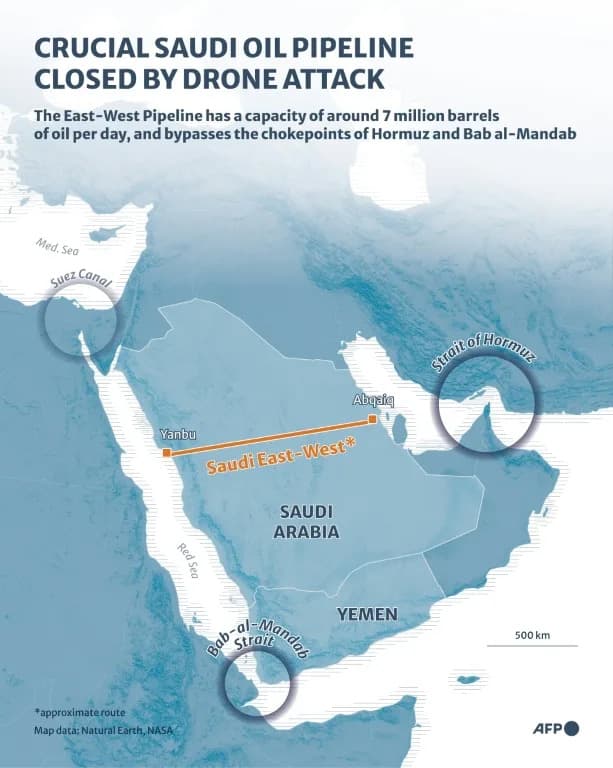
Infographic with map showing route of Saudi Arabia's East-West pipeline
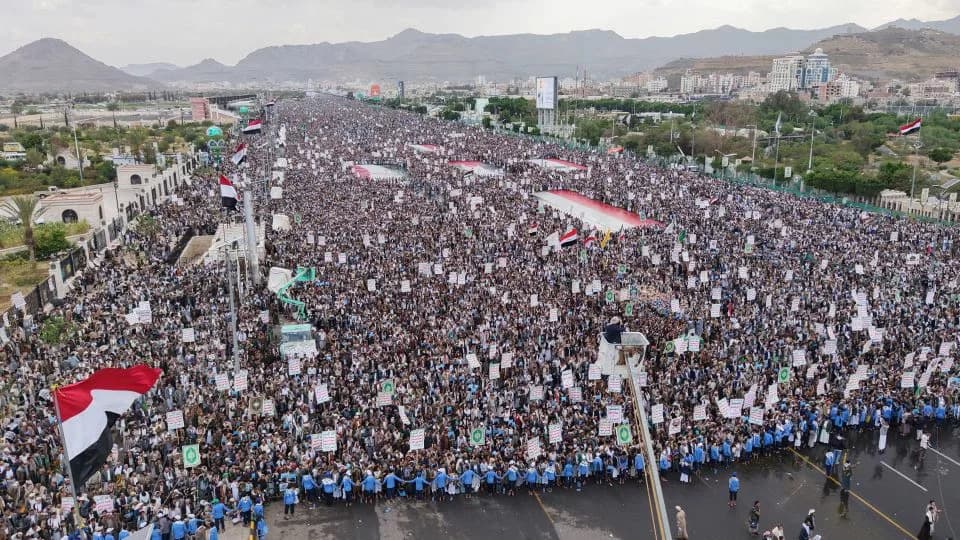
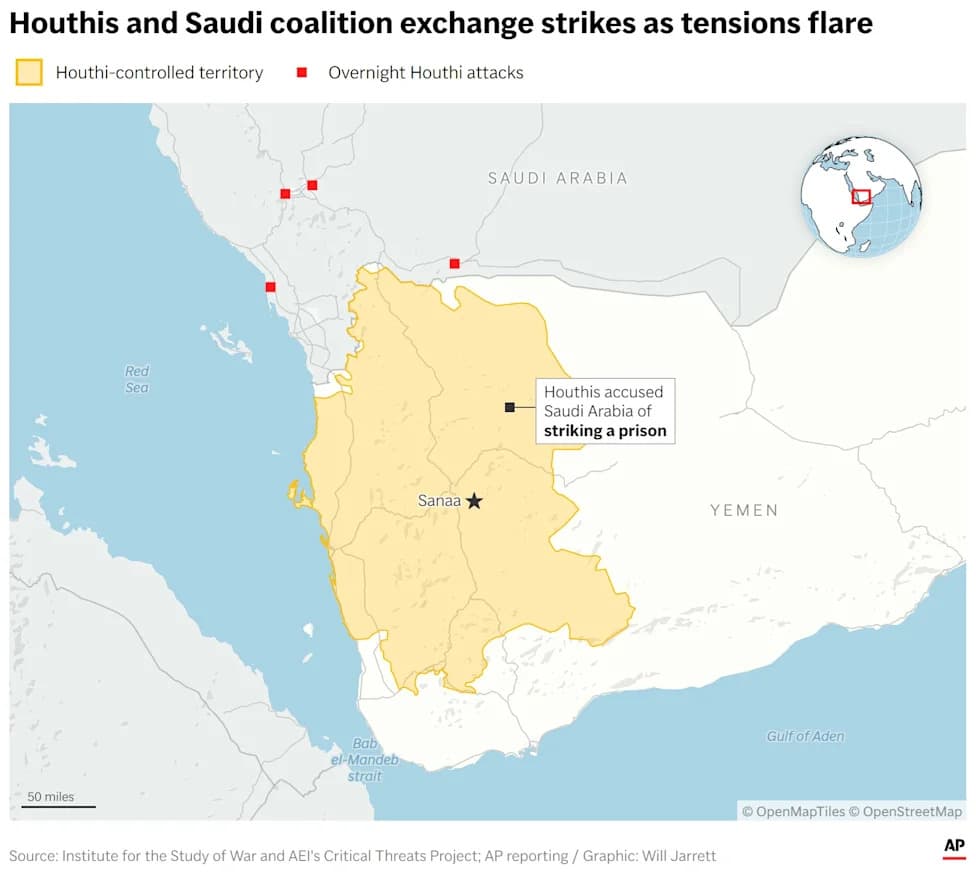
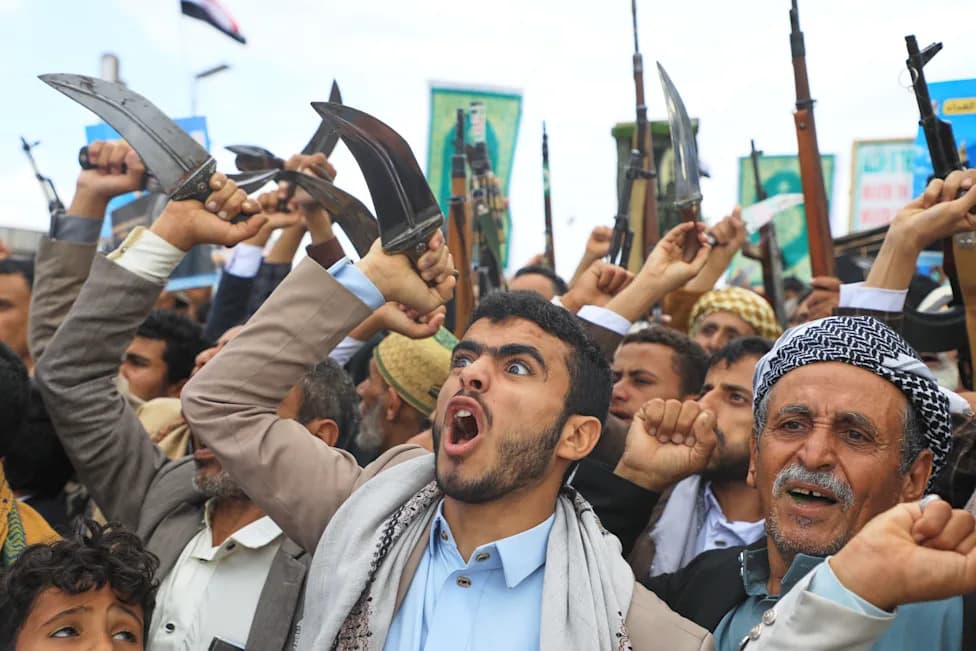
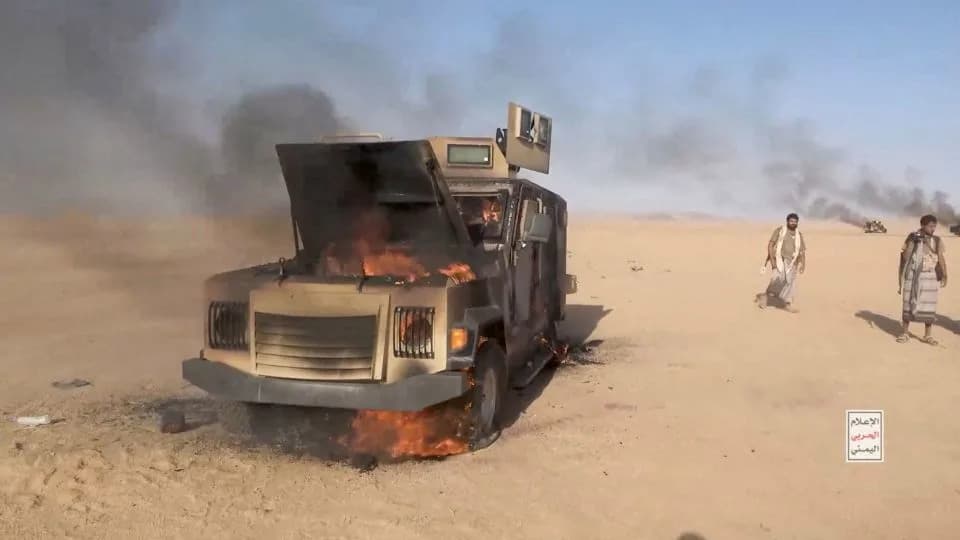
The Houthi movement accused Saudi Arabia on Tuesday of carrying out a series of deadly airstrikes that they say killed civilians and prison inmates, amid an offensive in which the Iran-backed group has seized strategic stretches of Yemen's Red Sea coast.
Human Cost and Displacement
Houthi-controlled media said a strike on a prison killed nine detainees and accused Saudi strikes of killing six civilians, including two children, in the port city of Mocha. They also reported two civilian deaths in Al-Jawf province and said a mother and child were killed in Al-Batin, with other family members wounded.
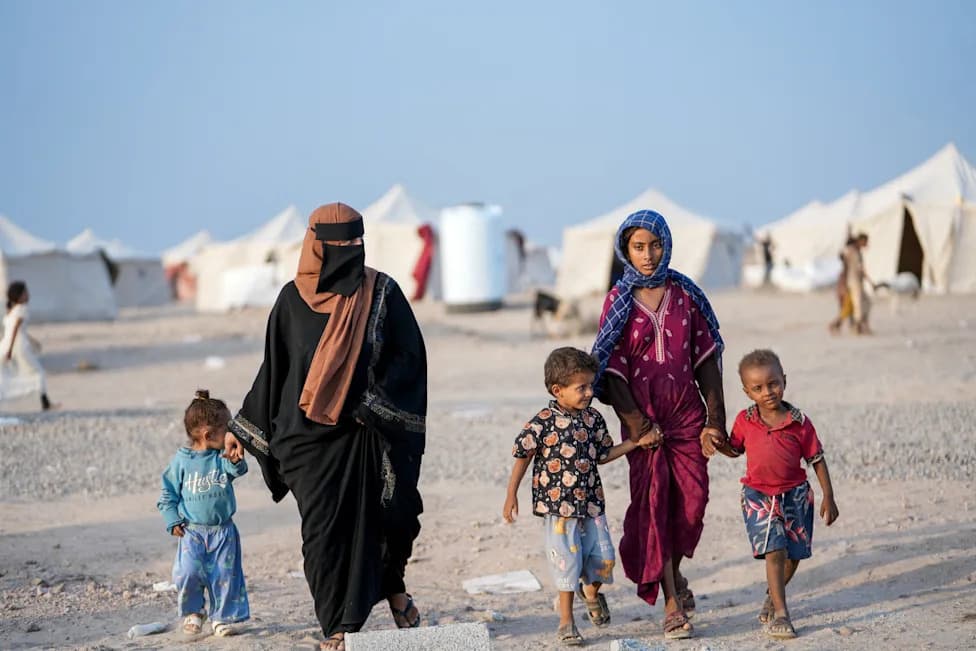
The fighting has forced thousands to flee their homes. The United Nations warned the number of displaced people, now above 130,000, could swell to more than 230,000 in the coming months.
Casualties and Local Fighting
Military sources on both sides told AFP that 154 people were killed in two days of recent clashes. Houthi military sources put the toll from Saudi airstrikes, clashes and artillery across Taiz, Al-Jawf, Marib and Saada at 118, while government sources reported 36 soldiers killed in clashes.
Regional Implications
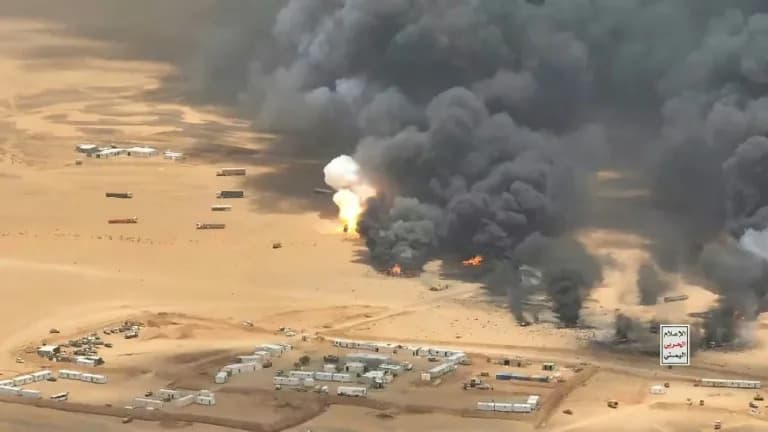
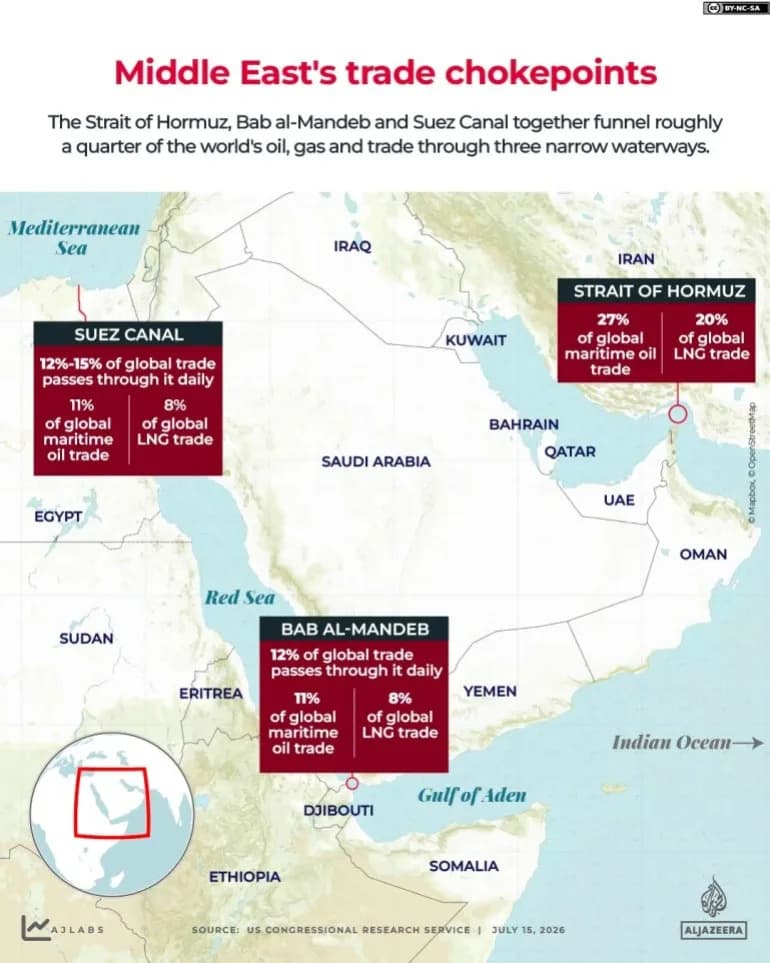
The Houthi advance has raised alarm because it strengthens Tehran's influence over two key Middle East waterways — the Bab al-Mandab and the Strait of Hormuz — both vital for global energy shipments and trade. Houthi assaults have also targeted facilities belonging to Saudi oil company Aramco in the Red Sea port of Yanbu.
International Reaction
G7 leaders urged the Houthis to "immediately cease all military actions," to stop attacks on civilian shipping and to return to sincere political negotiations. They also called on Tehran to end its arming and support of the group.
Britain said it would provide limited military support to help protect Saudi Arabia, and France pledged assistance to secure Saudi energy infrastructure, while stressing those moves did not mean direct involvement in combat against the Houthis.
Diplomacy and Wider Tensions
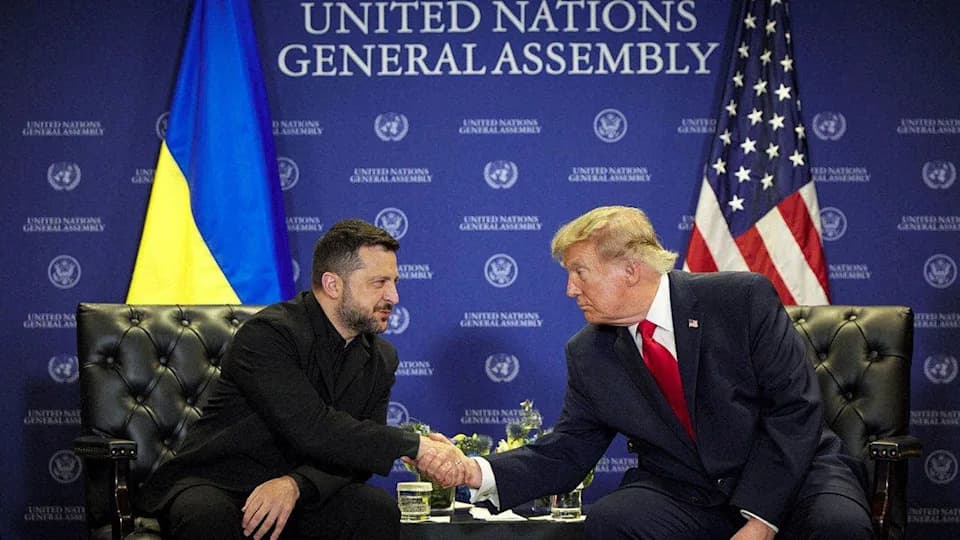
The broader regional confrontation flared after US- and Israeli-linked strikes on Iran in February prompted retaliatory moves by Tehran and its allied groups. On the sidelines of the UN General Assembly, Iran’s foreign ministry set conditions for reopening the Strait of Hormuz, including lifting the US naval blockade, releasing frozen Iranian assets and ending attacks on resistance fronts.
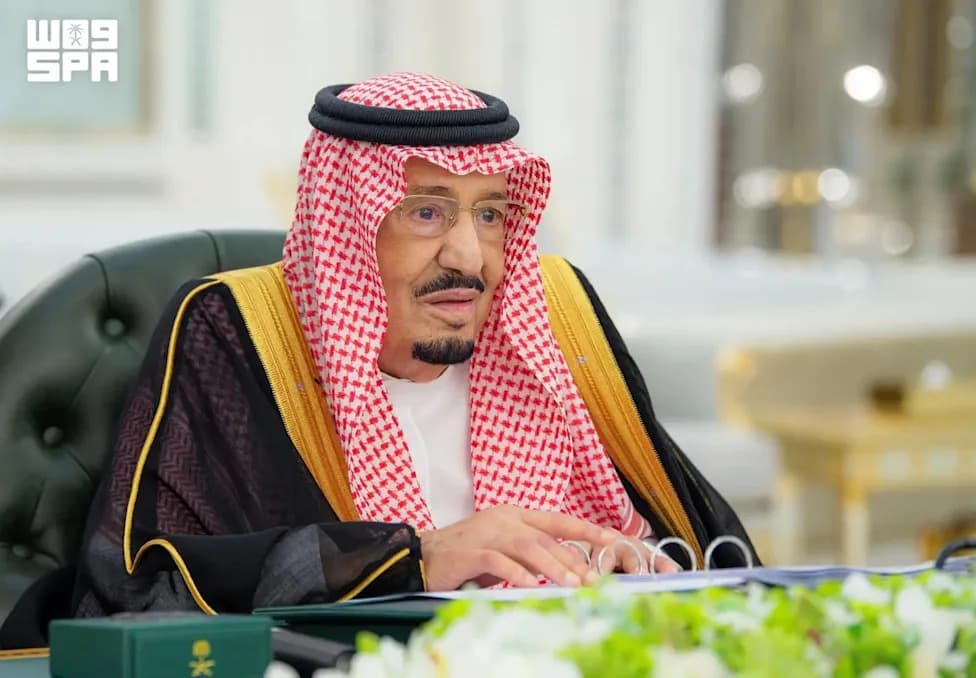
Saudi Response: In a rare public comment, King Salman praised the armed forces for defending the kingdom and condemned what Riyadh described as a provocation to Muslims worldwide.
The situation remains volatile, with humanitarian consequences mounting as civilians are caught between airstrikes, ground fighting and regional power plays.
Help us improve.