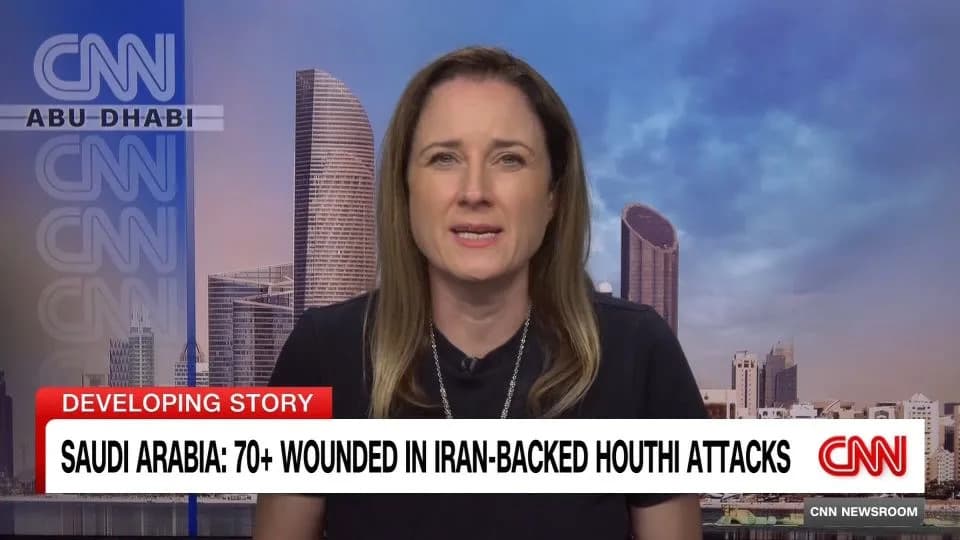
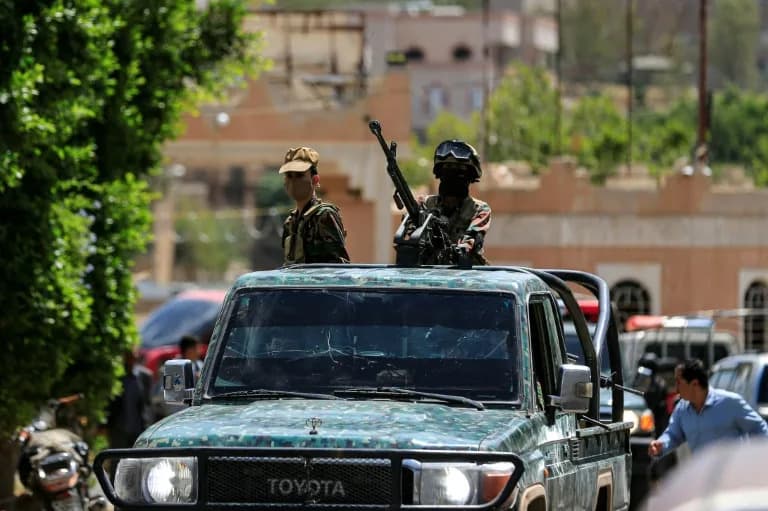
Residents of Riyadh were briefly placed on alert after air‑raid warnings and reports of explosions in the Saudi capital, but authorities later announced the danger had passed and urged people to avoid crowds.
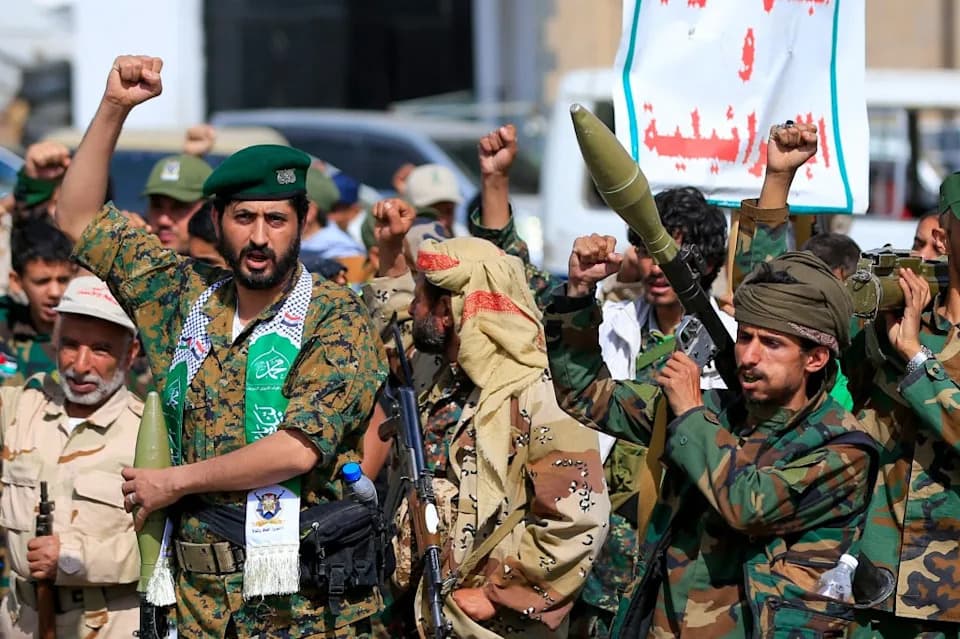
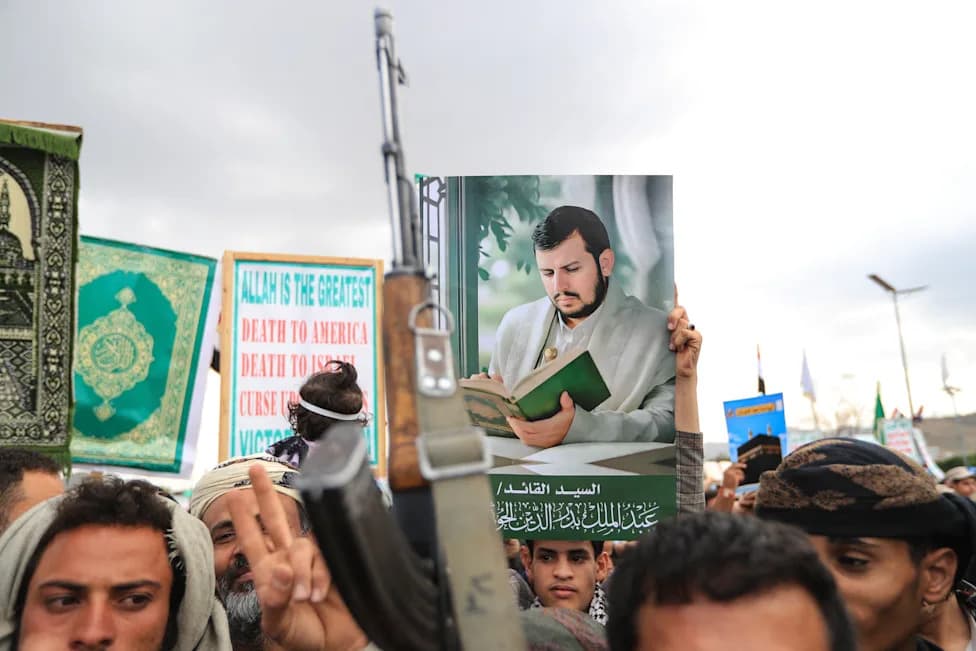
The Saudi Civil Defence issued alerts for Riyadh and several other regions late on Friday night and again on Saturday morning (local time), marking the first time such warnings have been issued in the capital since the Houthi movement intensified attacks and declared a "maritime embargo" on Saudi Arabia in July.
Journalists from Reuters and AFP reported hearing explosions in Riyadh. Officials subsequently said the situation was under control and advised residents to stay away from large gatherings while investigations continued.
Houthi Seizures and Red Sea Disruptions
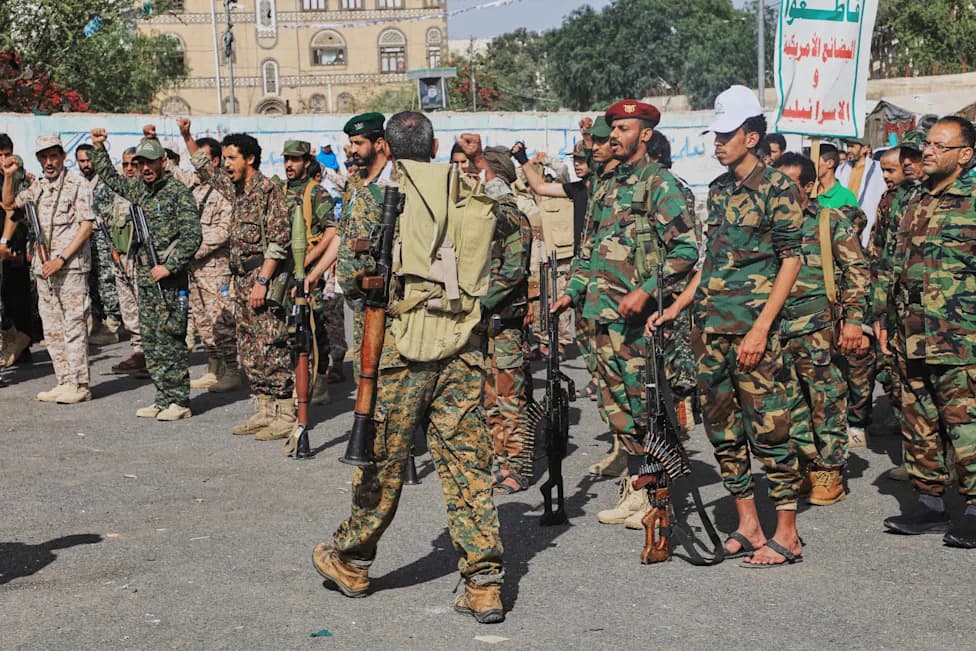
The Iran‑aligned Houthi group recently seized the strategic port city of Mokha and Perim Island, positions that give them leverage over the Bab al‑Mandab Strait and a key Red Sea shipping corridor used by Saudi Arabia to reach markets in Asia and Europe.
The Houthi military spokesman said the naval blockade was intended as retaliation for a Saudi blockade of ports and airports in Houthi‑held areas of north‑west Yemen. Saudi vessels have increasingly relied on Red Sea routes for exports amid broader regional tensions that have at times disrupted passage through the Strait of Hormuz.
Attacks On Energy Infrastructure And Global Impact
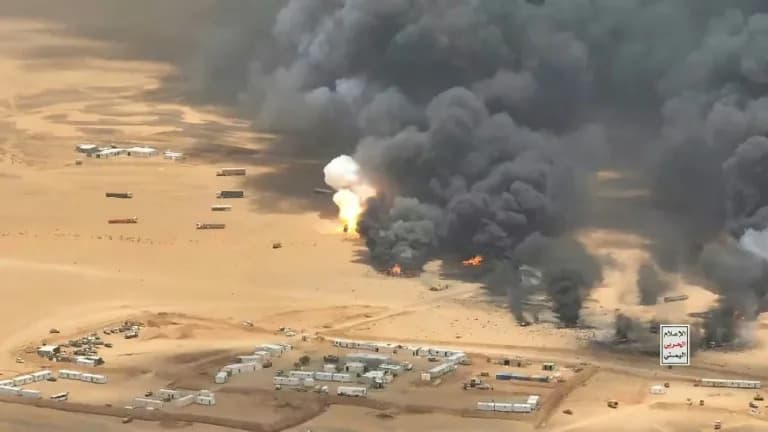
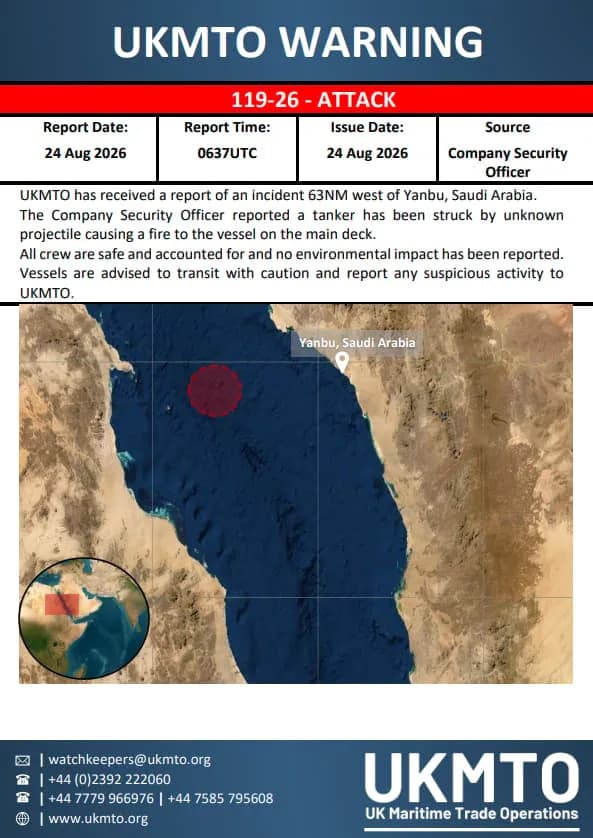
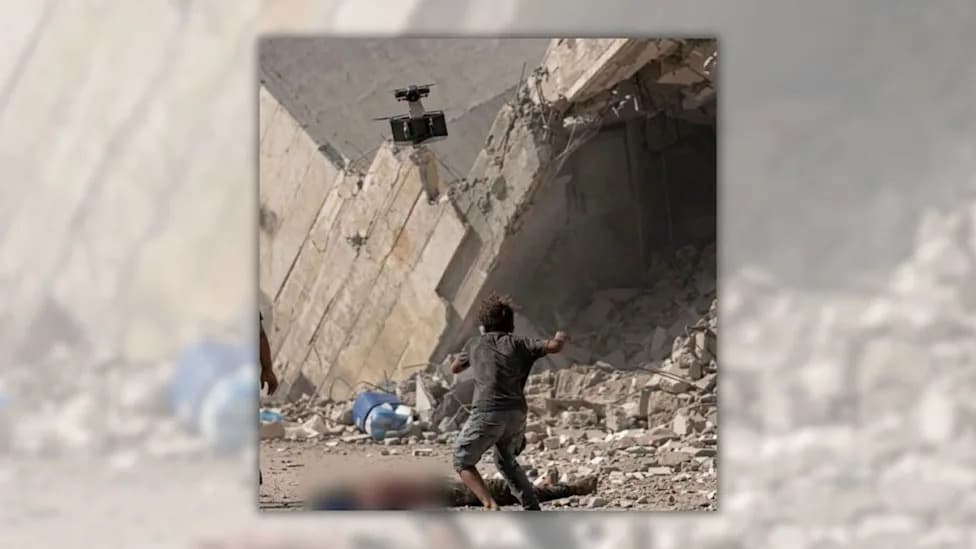
Last week the Houthis struck a number of Saudi oil facilities with drones and missiles, triggering fires and temporarily halting some operations. Those attacks have had a direct effect on global energy markets, contributing to recent rises in petrol and diesel prices in several countries and compounding supply risks linked to regional maritime blockades.
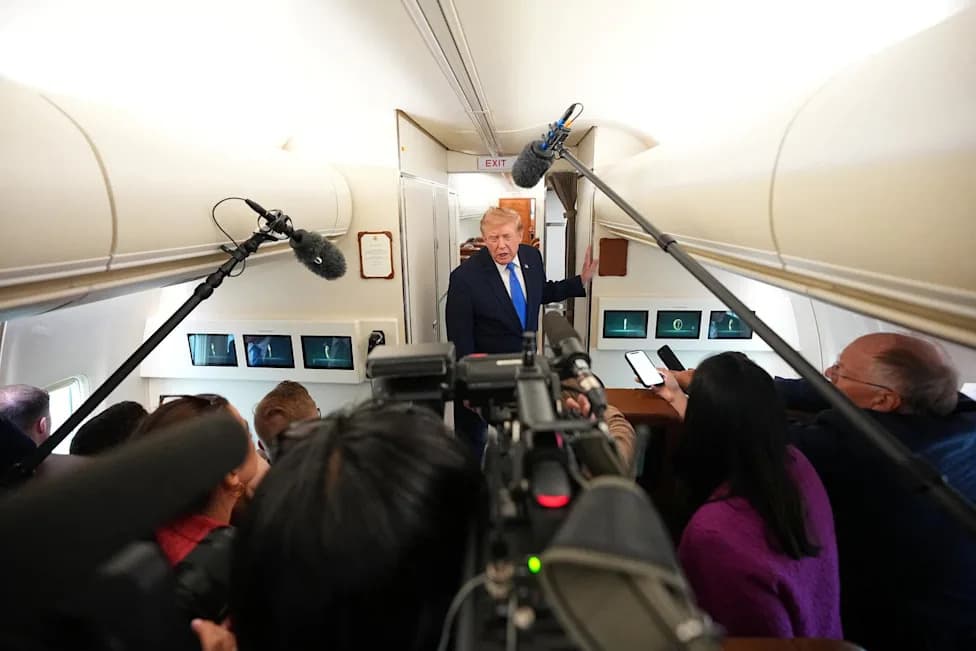
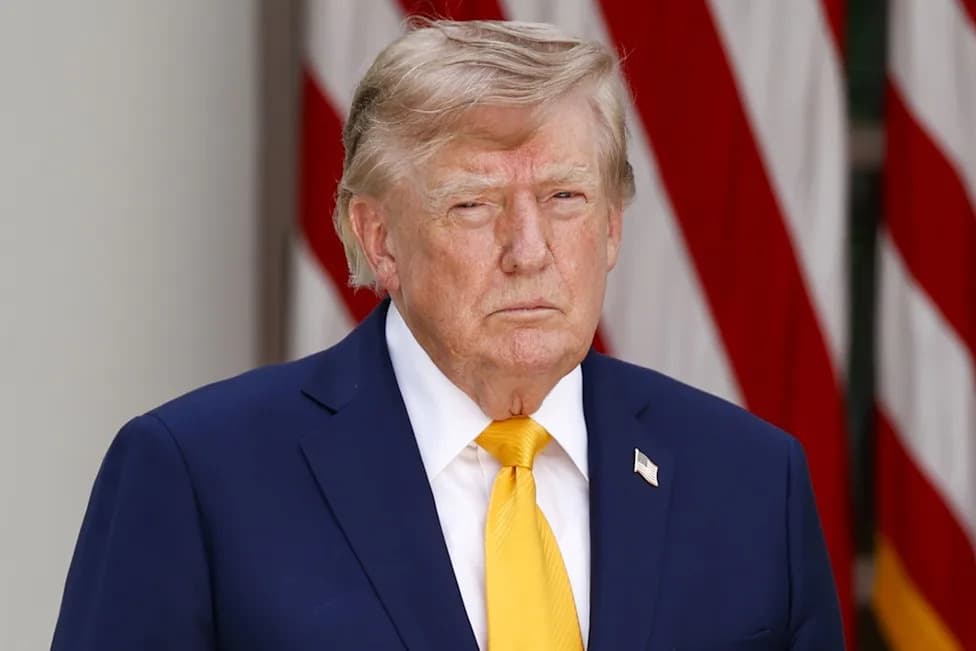
Two sources told CBS News that Saudi Crown Prince Mohammed bin Salman personally asked US President Donald Trump to consider military action against the Houthis. According to those sources, Washington has so far declined to deploy US forces directly but has offered intelligence and targeting support.
Diplomacy, Security Council Response And Humanitarian Toll
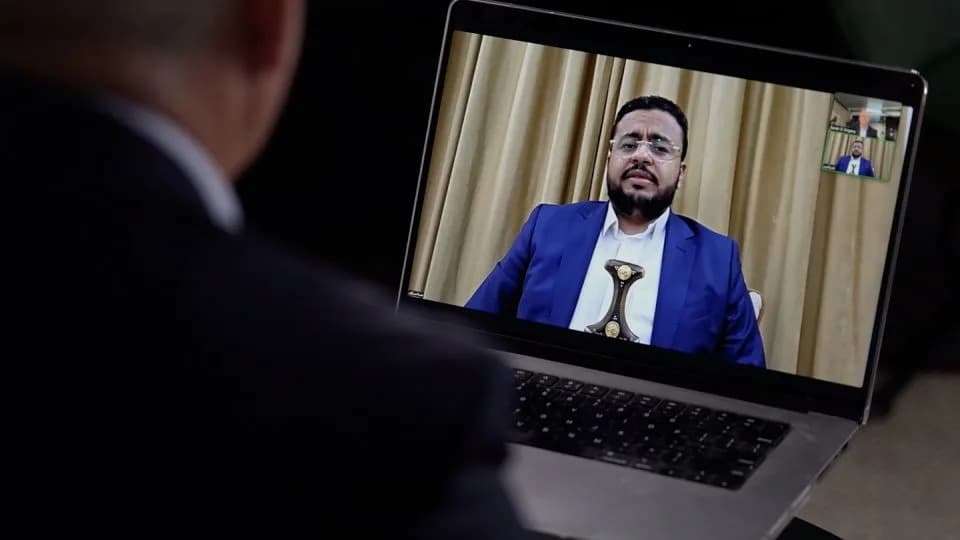
A senior US administration official told the BBC that Washington remains in "continuous dialogue" with Saudi Arabia and Yemen's internationally recognised government on regional stability. Houthi spokesman Yahya Sarea said the group had launched drones and missiles in response to more than 450 Saudi air strikes on Houthi‑held areas over the previous week.
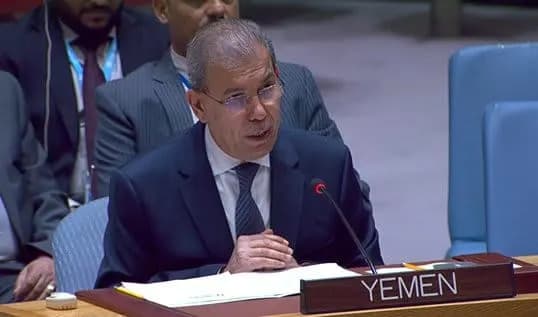
The UN Security Council held an emergency meeting where Yemen's government and Saudi Arabia urged stronger action against the Houthis, accusing them of choking the Bab al‑Mandab Strait to apply economic pressure. Council members emphasised that freedom of navigation in the Red Sea must be preserved to avoid wider disruption to global supply chains.
Yemen has been embroiled in a civil war since 2014, when Houthi forces ousted the government from Sanaa. The conflict intensified in 2015 after a Saudi‑led coalition intervened. The fighting has devastated the country: UN estimates indicate more than 150,000 people have died and roughly 22 million people now need some form of humanitarian assistance.
Additional reporting: Tabby Wilson.