The White Abalone Culture Lab at UC Davis is running captive breeding and release programs to restore the endangered white abalone, which fell to about 1% of its historic numbers by 2001. Since 2011 the lab has released over 20,000 abalone, and a single spawn has produced more than 12 million fertilized eggs. Threats include overfishing, disease (withering syndrome) and catastrophic kelp losses linked to warming oceans and urchin outbreaks. Ongoing funding and habitat recovery remain critical to the species’ comeback.
Saving the White Abalone: Inside the Lab That Brought a Sea Snail Back From the Brink
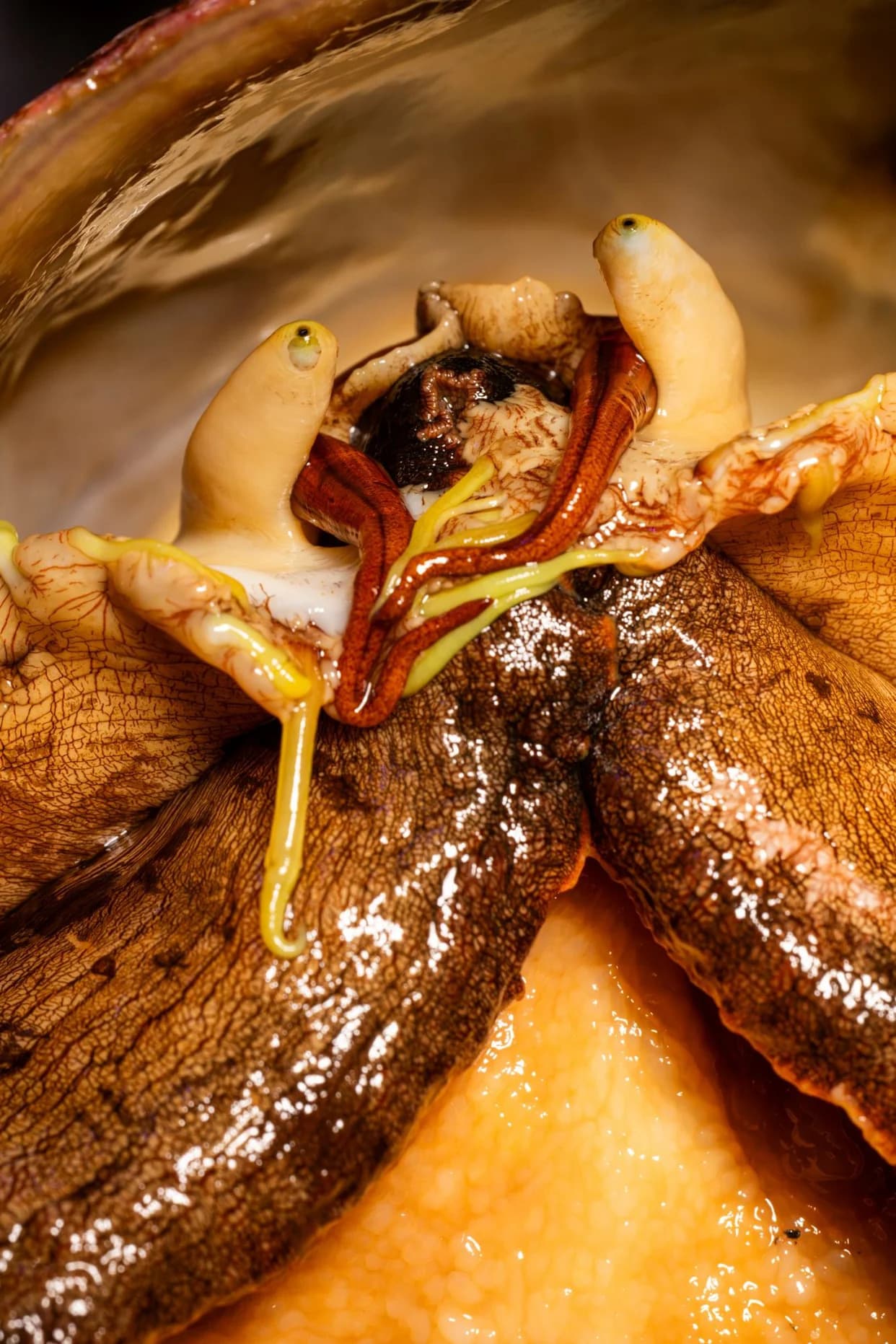
A white abalone, seen at the Bodega marine laboratory run by the University of California at Davis on 6 February.Photograph: Christie Hemm Klok/The Guardian(Photograph: Christie Hemm Klok/The Guardian)
On a bright January afternoon in Bodega Bay, about 70 miles north of San Francisco, the White Abalone Culture Lab at UC Davis' Bodega Marine Laboratory hums with careful activity.
It is spawning day. Alyssa Frederick, the program director, leads visitors into a large workroom lined with troughs and tubs of bubbling seawater. The lab’s mission is simple but ambitious: restore the endangered white abalone, a marine snail prized for its pearly shells and delicate meat.
Volunteers and biologists move through the aisles holding abalone as large as coconuts. They measure, weigh and perform health checks. Animals judged healthy are placed in buckets containing a mild hydrogen peroxide mixture — jokingly called a “love potion” — to stimulate females to release eggs and males to spawn.
The team hopes the 110 white abalone on site will produce offspring. Staff will raise the larvae in controlled tanks until juveniles are robust enough to be returned to their native habitat along the southern California coast.
From Collapse to Recovery
This work is part of a 25-year effort to repair damage from overfishing, disease and habitat loss. By 2001, when the first artificial spawning programs began, only about 1% of the population remained — roughly 2,000 animals — and natural reproduction in the wild was unlikely.
The white abalone became the first marine invertebrate listed as endangered in the U.S. Early restoration programs faced setbacks, including a deadly outbreak of withering syndrome in the early 2000s that decimated captive populations. UC Davis opened the Bodega Bay facility in 2011 because Sonoma County waters remained free of that disease.
Why Habitat Matters
Abalone reproduce by broadcast spawning: males and females release gametes into the water, where fertilization produces microscopic larvae that drift for one to two weeks before settling on rock. White abalone can live 35–40 years and grow to roughly 10 inches across, but they need healthy kelp forests for food and shelter.
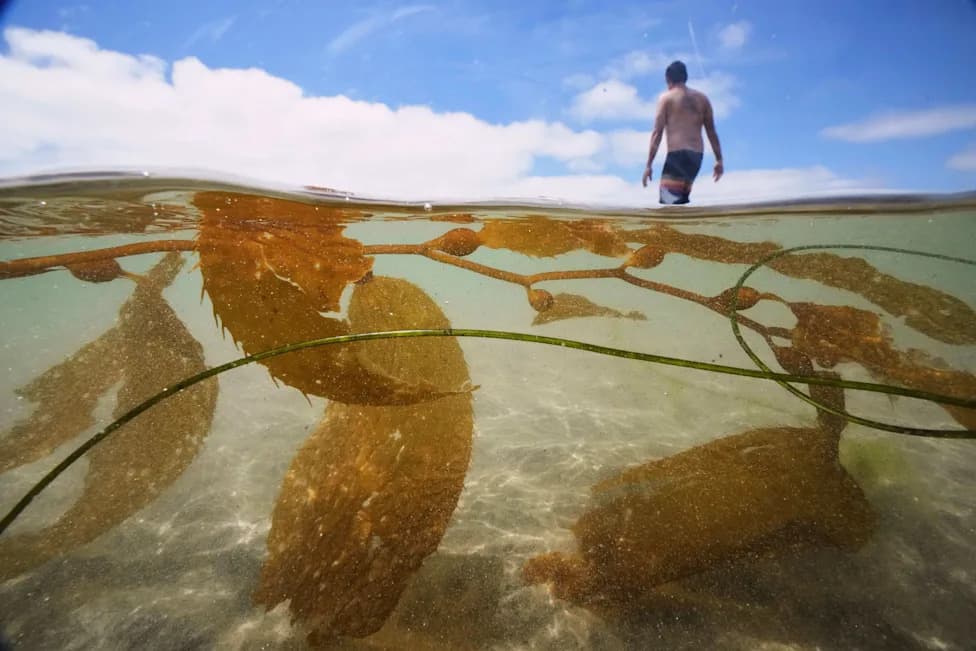
A 2021 UC Santa Cruz study using satellite imagery found that roughly 95% of kelp forest along the northern California coast had disappeared, likely driven by warming waters and a surge in purple sea urchins. The sunflower sea star, a major urchin predator, suffered massive declines from sea star wasting disease, allowing urchins to overgraze kelp and leave rocky seafloors barren — a chain reaction that starves abalone.
Funding, Politics and Perseverance
The program’s progress has not been smooth. In April (reporting year), proposed federal budget cuts to the National Oceanic and Atmospheric Administration threatened a three-year grant that funds the lab and its staff. Anonymous donors provided an immediate stopgap, and federal funding was later restored for 2026, but the episode underscored the fragility of relying solely on government support.
“If you want to save a species, you can no longer rely fully on federal funding. That’s just poor risk management,” says Frederick.
Despite these uncertainties, the lab has achieved measurable success. Since opening in 2011, scientists have released more than 20,000 abalone into the ocean as part of managed recovery efforts. A single successful spawning produced more than 12 million fertilized eggs — only a fraction will survive to adulthood, but each successful release increases the odds of population recovery.
Why It Matters
Abalone were once so abundant along California’s coast that they were gathered in great numbers. Overharvesting in the 20th century dramatically reduced populations; at some historical sites, surveys in the early 1990s found only a handful where thousands once lived. Beyond ecological value, abalone have cultural importance for Indigenous communities and a long culinary history in the region.
Researchers are optimistic that sustained captive breeding, habitat restoration and careful releases can allow white abalone to thrive again. For many conservationists, this program is a rare, hopeful example of active restoration actually reversing a decline.
“It’s just so hopeful,” Frederick says. “So many people studying the ocean have to watch it degrade. In this situation, we get to actually restore the white abalone. That never happens.”
Help us improve.