California regulators have unanimously approved a phased plan for Ocean Rainforest to build what could become the nation’s largest offshore kelp farm about 6 miles off Ventura. The 3-square-mile project could produce up to 6,000 tons of kelp annually and will be processed in Ventura to supply agricultural markets. Supporters cite carbon uptake and soil benefits; critics warn of vessel traffic and potential whale entanglements. The project will expand in stages and face periodic federal and state reviews.
California Clears Way for Nation’s Largest Offshore Kelp Farm Near Ventura
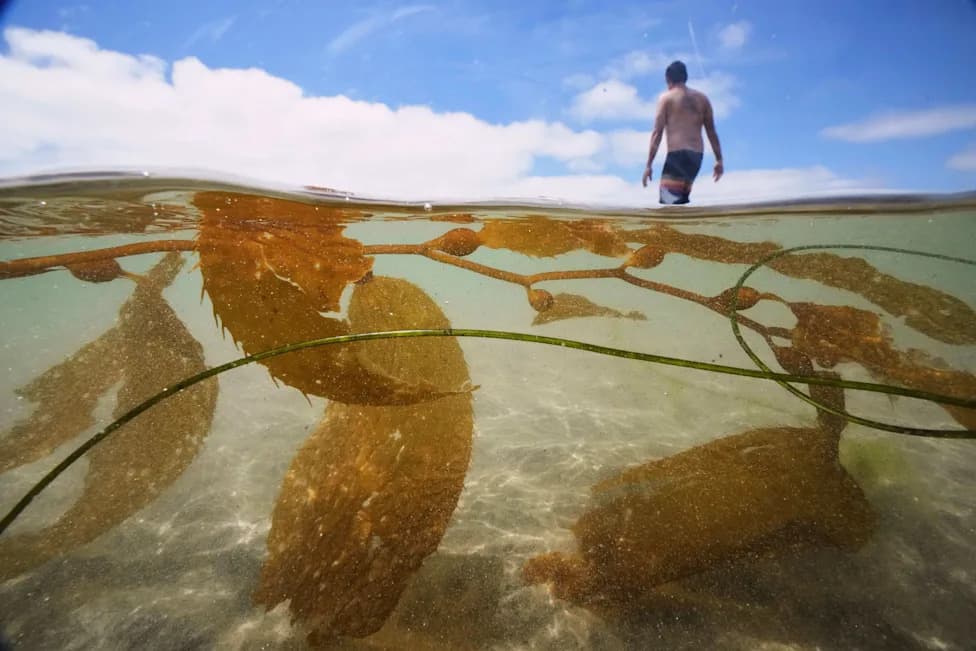
FILE- A man walks past kelp as he goes for a swim in the Pacific Ocean at La Jolla Shores, July 24, 2025, in San Diego. (AP Photo/Gregory Bull, File)(AP Photo/Gregory Bull)
California regulators have unanimously approved a phased plan to build what would be the United States' largest offshore kelp farm roughly 6 miles (10 kilometers) off the Southern California coast. The project, proposed by Ocean Rainforest of the Faroe Islands, would cultivate giant kelp across about 3 square miles (7.8 square kilometers) of federal waters and process the harvest in Ventura.
Overview
Ocean Rainforest says it will gradually scale the farm over roughly a decade, reaching up to 6,000 tons of kelp annually at full capacity. The company aims to convert kelp into agricultural products to improve soil health and plant growth on regional avocado orchards and strawberry fields, creating a new local supply chain and jobs in Ventura.
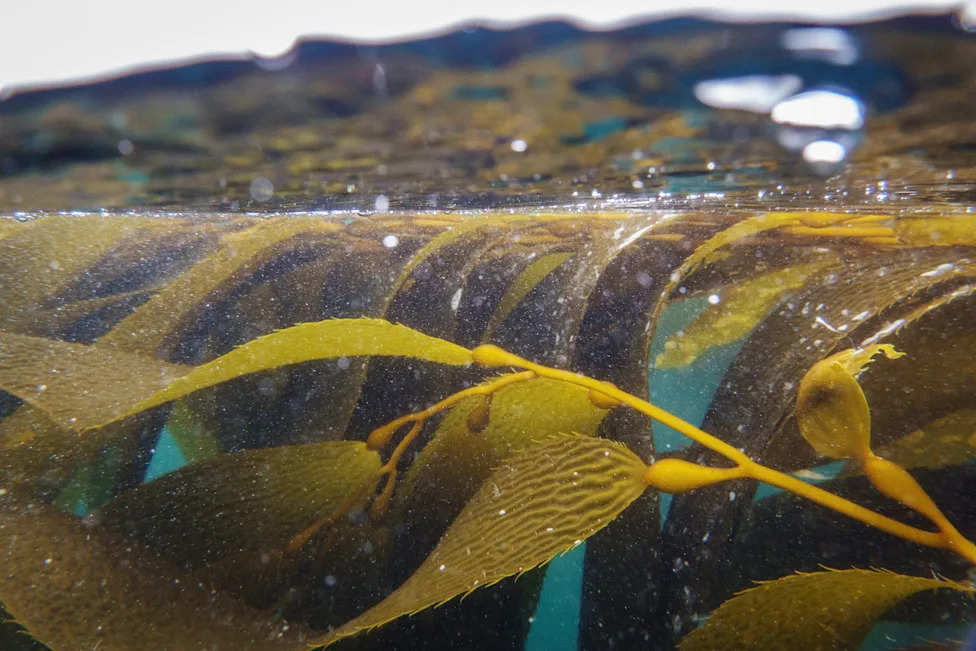
FILE - Kelp is visible underwater May 1, 2025, in Channel Islands, Calif. (AP Photo/Annika Hammerschlag, File)(AP Photo/Annika Hammerschlag)
Potential Benefits
Supporters highlight several environmental and economic advantages: seaweed can absorb carbon dioxide, help rehabilitate marine habitat, and provide sustainable inputs for agriculture. A 2023 World Bank report estimates seaweed markets could expand by about $11.8 billion by 2030, and NOAA has designated 13 zones totaling 33 square miles for aquaculture development off California and Texas as part of a federal push to grow the U.S. seafood industry.
Concerns and Mitigation
Conservationists have raised concerns about increased vessel traffic, disruption of a relatively wild ocean area, and the risk of whale entanglements in grow-line systems. Ocean Rainforest notes that a two-year demonstration project recorded no whale entanglements in taut lines, and California Coastal Commission staff emphasized that seaweed farms use taut, rigid lines rather than the loose gear often implicated in entanglements.
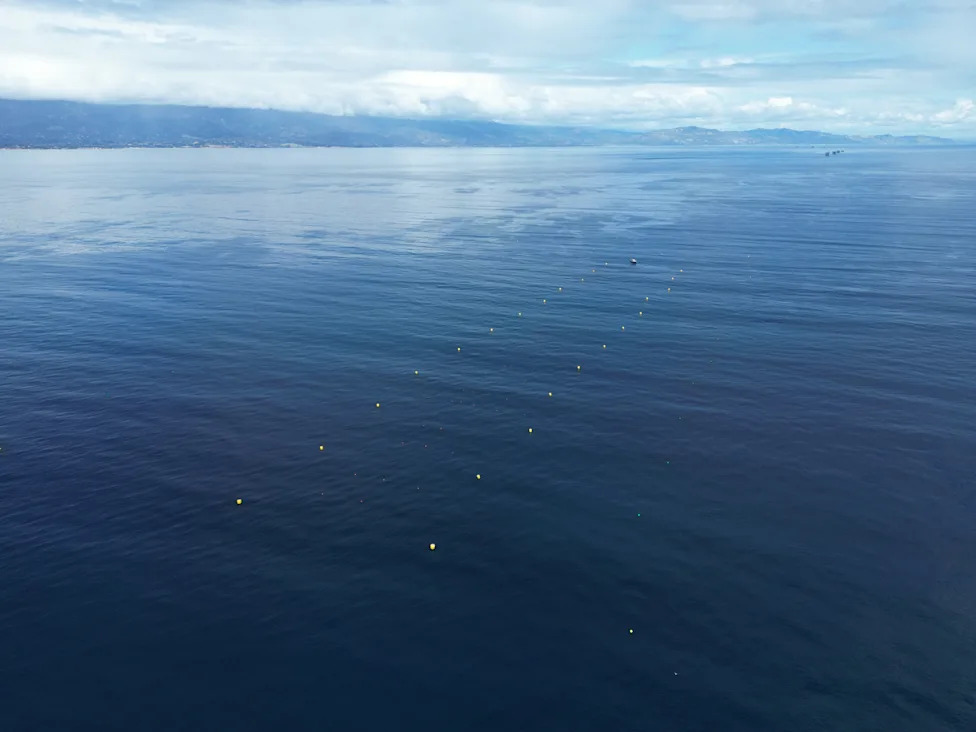
This photo was taken in 2024 by Ocean Rainforest of a demonstration project to grow kelp off the coast of Southern California . (Kaira Wallace,/Ocean Rainforest Inc. via AP)(Ocean Rainforest Inc. via AP)
'This is our blue Serengeti. This is a very wild place,' said Geoff Shester, director of fishery innovation at Oceana, expressing concerns about industrial activity in an ecologically important area.
Officials say the farm will be sited further offshore, where marine mammal density is lower, and that sportfishing will still be allowed. Some commercial fishing may be displaced; Ocean Rainforest and local fishermen are developing an industry support fund to address impacts.
Regulatory Process and Next Steps
Under U.S. law, California has oversight of projects on federal waters that affect its coastline. The California Coastal Commission approved the project with conditions: a phased rollout, initial operations in a smaller area, and periodic reviews by the U.S. Army Corps of Engineers and the commission director before expansion to full capacity. Ocean Rainforest says it now holds the main approvals needed and could begin construction as early as 2027.
Local Impact
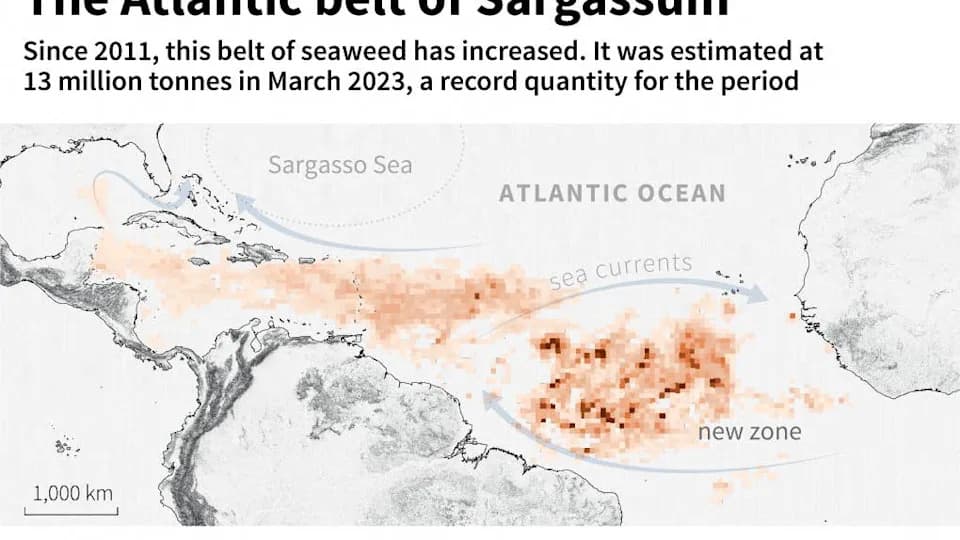
Ventura city and port officials welcome the proposal as an economic opportunity for a city of about 100,000 residents. Local farmers, such as the COO of Simpatica avocado farm, have called for locally sourced kelp products to reduce reliance on Atlantic imports, which they say are costly and environmentally impractical.
Bottom line: The kelp farm could jump-start West Coast seaweed production and deliver agricultural and climate benefits, but its environmental footprint and effects on fishing and marine life will be monitored closely under a phased and conditional approval process.
Help us improve.