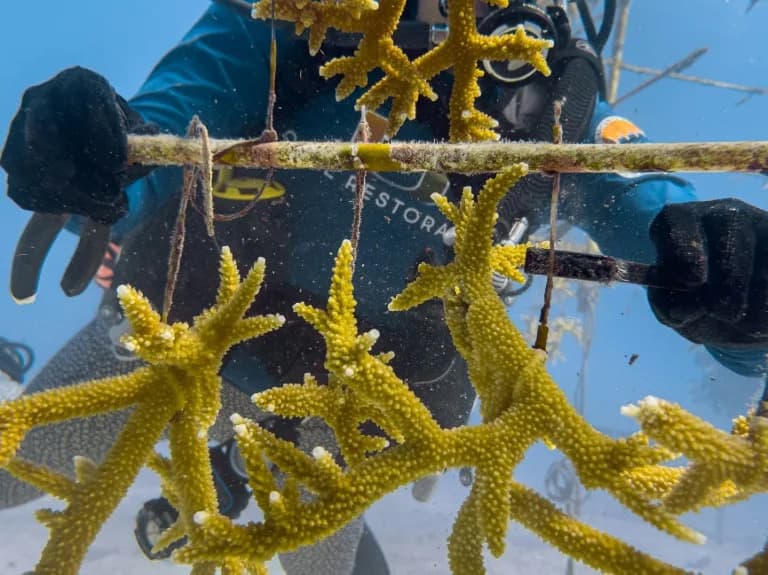
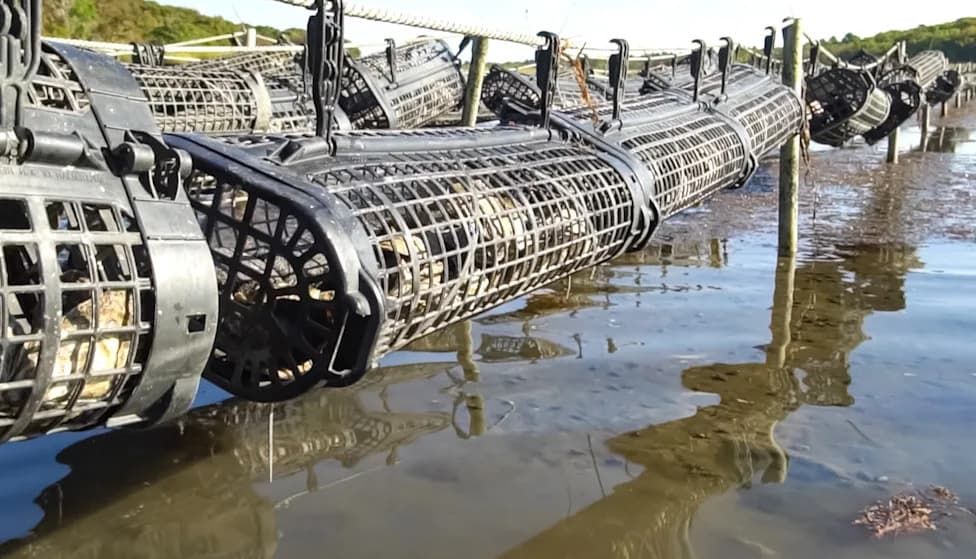
Apalachicola Bay's oyster reefs collapsed after years of development, storms and poor water quality, shrinking from about 2,000 acres to under 100. Officials closed the bay and launched restoration efforts, aiming to restore 2,000 acres by 2032. Programs now collect and cure restaurant oyster shells and return them to the bay as reef substrate, supported by a $5 million NOAA grant for Gulf restoration. Limited, tightly controlled harvesting has resumed while recovery continues.
Restaurants' Oyster Shells Returned to the Sea Help Rebuild Florida's Collapsed Reefs
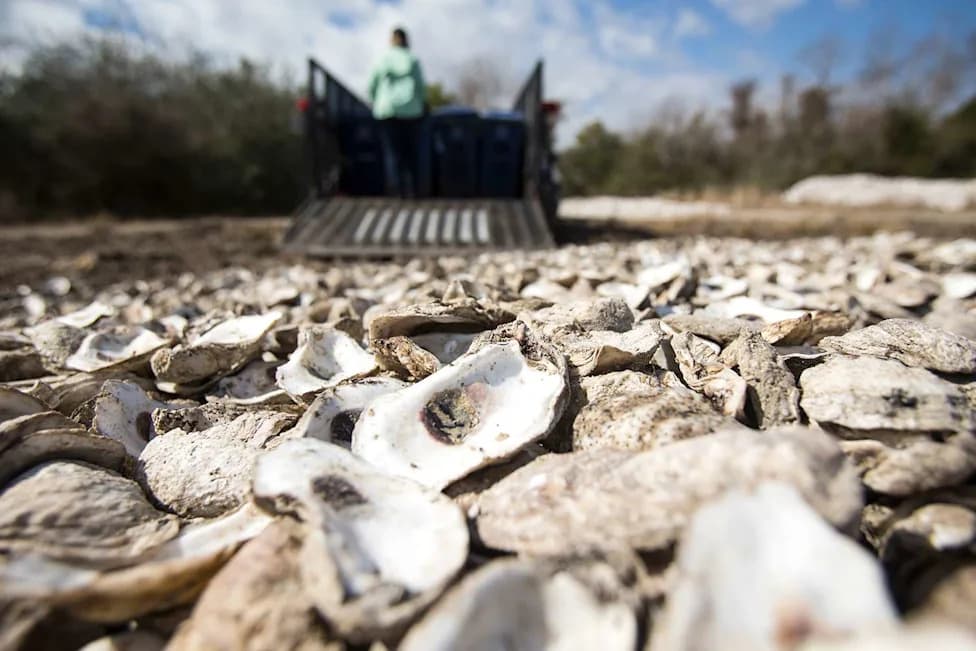
The Galveston Bay Foundation dumps oyster shells in Galveston Bay in 2021.Credit: Brett Coomer/Houston Chronicle via Getty
What sounds like pollution — restaurants dumping waste into the ocean — is actually a targeted restoration strategy helping a fragile coastal ecosystem recover.
Apalachicola Bay, on Florida's panhandle, once supplied roughly 90% of the state's oysters and about 10% of the nation's supply. Decades of development, hurricanes, drought and deteriorating water quality devastated the bay: oyster reef area has fallen from roughly 2,000 acres to under 100 acres.
Collapse, Closure and a Plan to Recover
Federal officials declared the fishery collapsed in 2013, and by 2020 Florida closed the entire bay to harvesting to halt further declines. The Florida Fish and Wildlife Conservation Commission (FWC) imposed a five-year closure to give reefs a chance to recover and has since used grants and state funds to rebuild, seed and restore degraded reef areas.
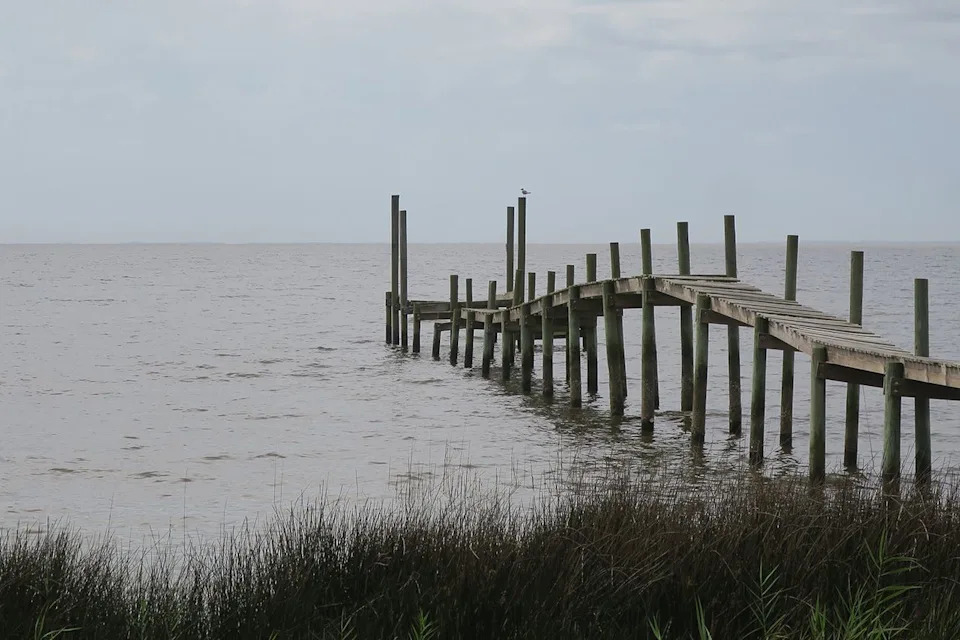
A dock extends into Apalachicola Bay in Florida.Credit: Kevin Spear/Orlando Sentinel/Tribune News Service via Getty
Long-Term Goal: Restore 2,000 acres of oyster reef in Apalachicola Bay by 2032.
Turning Restaurant Waste Into Habitat
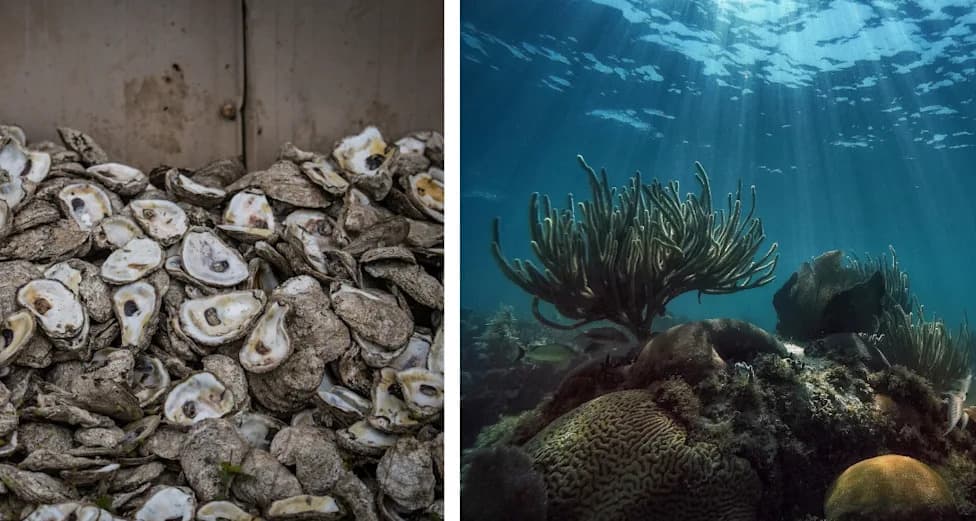
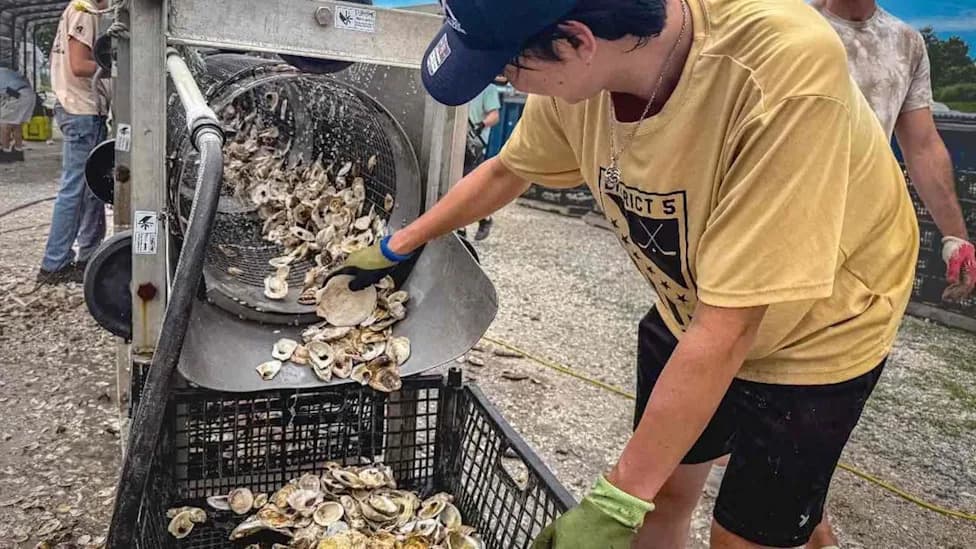
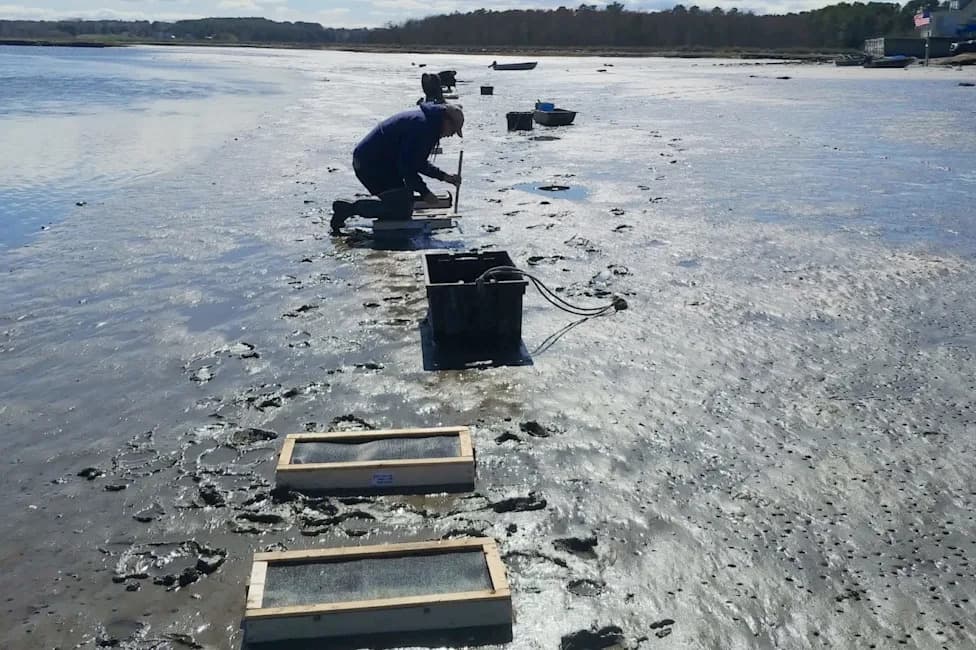
One practical and increasingly popular restoration tactic is recycling used oyster shells from restaurants. Nonprofits and government programs collect spent shells, cure them onshore to remove contaminants and disease risk, and then return the cured material to the bay as hard substrate where baby oysters (spat) can attach and grow.
"Currently, the oyster supply chain is linear and extractive with oysters going to restaurants and the majority of those shells going into a landfill. We're working to close the loop so that shells go back in the water where they can grow new oysters and help protect these communities," said Michael Biros, restoration programs director for the Coalition to Restore Coastal Louisiana.
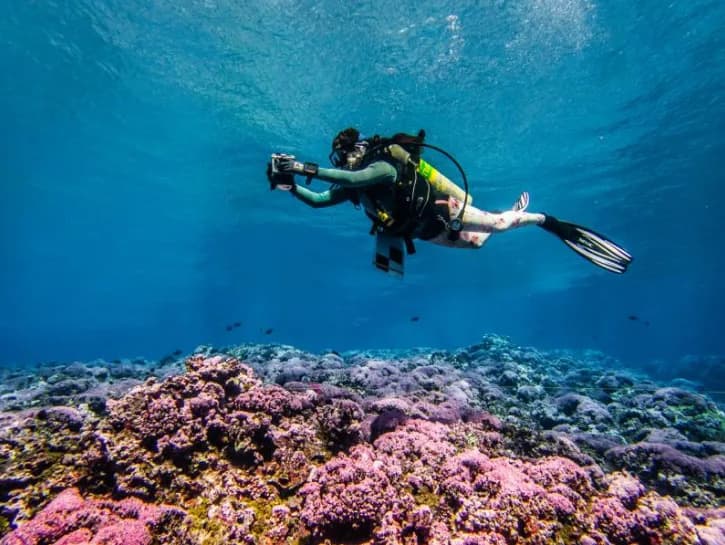
Beyond providing structure for new reefs, living oysters are ecological powerhouses: a single adult oyster can filter as much as about 50 gallons of water per day, removing algae and excess nutrients that degrade water quality.
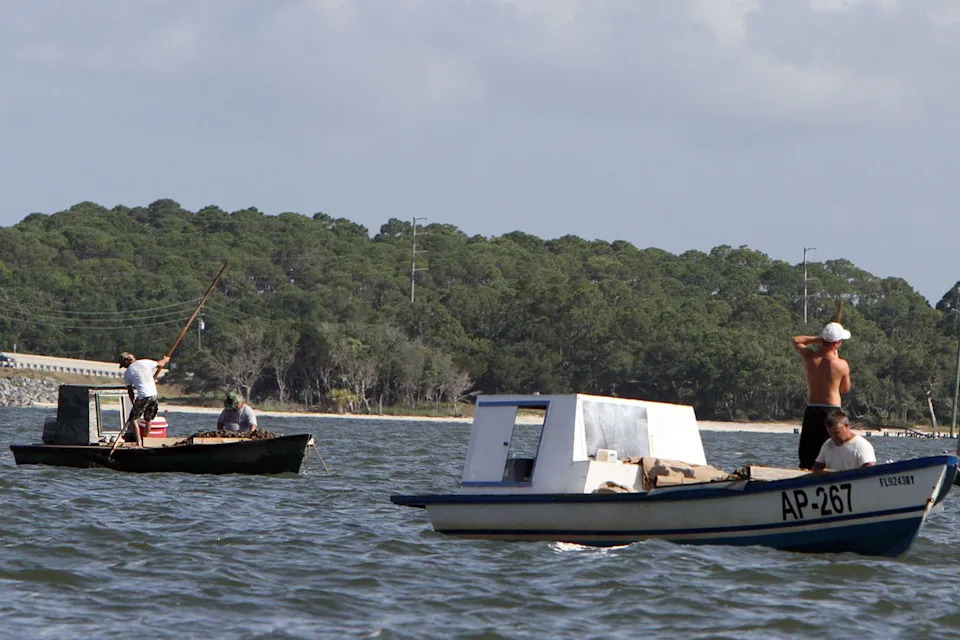
Oyster fisherman harvest in Apalachicola Bay, Florida, in June 2010.Credit: Walter Michot/Miami Herald/Tribune News Service via Getty
Programs and Funding
In 2024 the NOAA Office of Habitat Conservation awarded $5 million to shell-recycling and reef-restoration efforts across Gulf states, including Alabama, Florida, Texas and Louisiana. Local programs such as OysterCorps (part of FloridaCorps) coordinate collection: youth volunteers aged 17–25 visit restaurants to gather shells stored in 32-gallon cans, move them to staging areas to cure, and then place cured shell back along shorelines and reef sites.
Careful Reopening
Restoration progress has allowed limited harvesting to resume. FWC authorized a two-month season starting Jan. 1 earlier this year and has scheduled another season from Oct. 1 through Feb. 28, 2027. Officials plan to distribute 2,560 bags for oyster collection in the upcoming season — down from 4,726 bags used in January and February — and one of four zones opened this past winter failed to meet the harvest threshold and will remain closed.
The recovery remains cautious: rebuilding reef acreage is a long-term effort that combines regulation, targeted funding and hands-on recycling to rebuild habitat and improve water quality.
Help us improve.