An Iron Age scarab amulet, carved from steatite and set in a silver bezel, was unearthed at the Nuraghe ruins of Arzana in Sardinia. The engraved characters link the piece to Phoenician origins and suggest it may have traveled roughly 1,300 miles to reach the island. Conservators are working to read the inscriptions, which could reveal the amulet’s origin or owner. The find supports the view that Nuragic communities engaged in extensive Mediterranean trade and cultural exchange.
Iron Age Phoenician Scarab Amulet Found in Sardinia Reveals Long-Distance Mediterranean Links
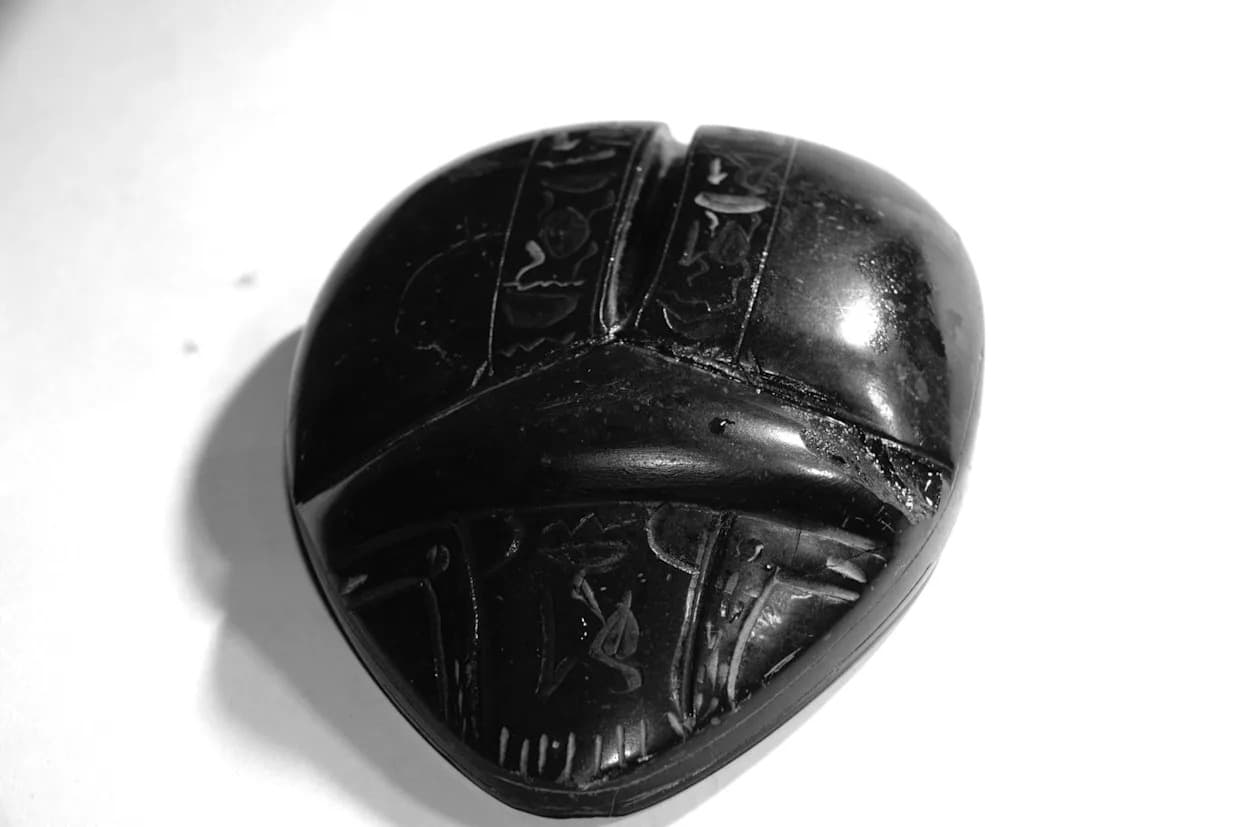
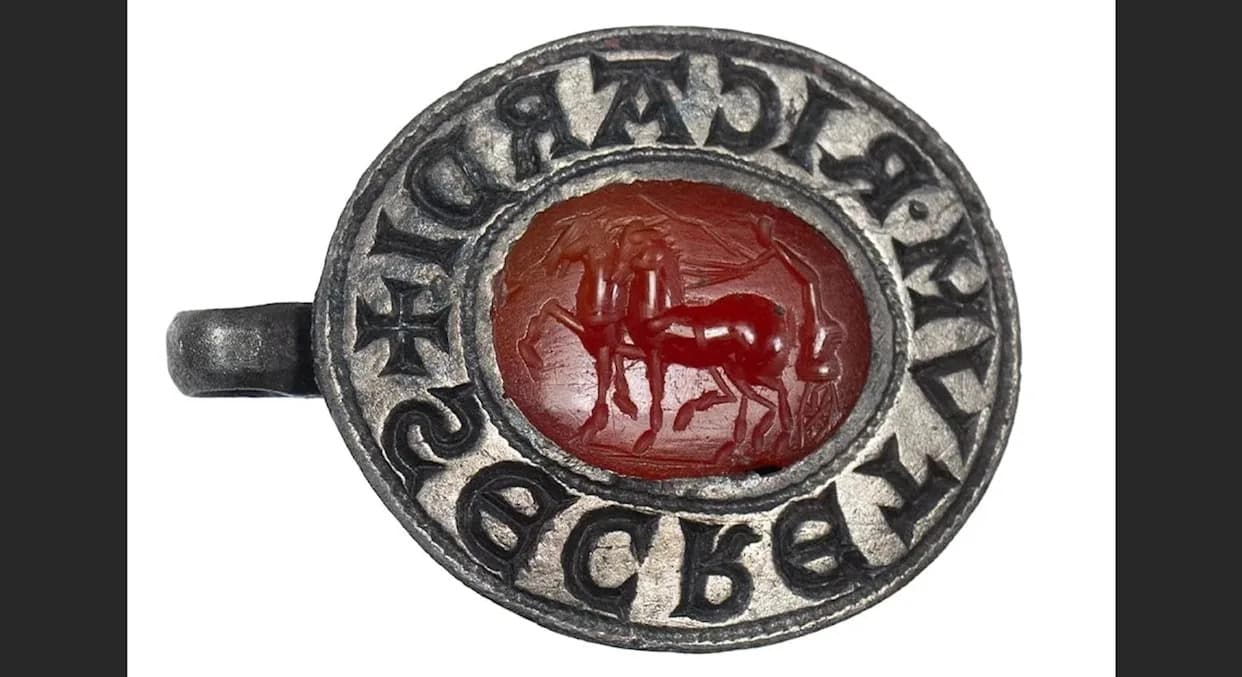
Archaeologists Dug Up a Bronze Age Scarab AmuletAchilleas Kontozoglou - Getty Images
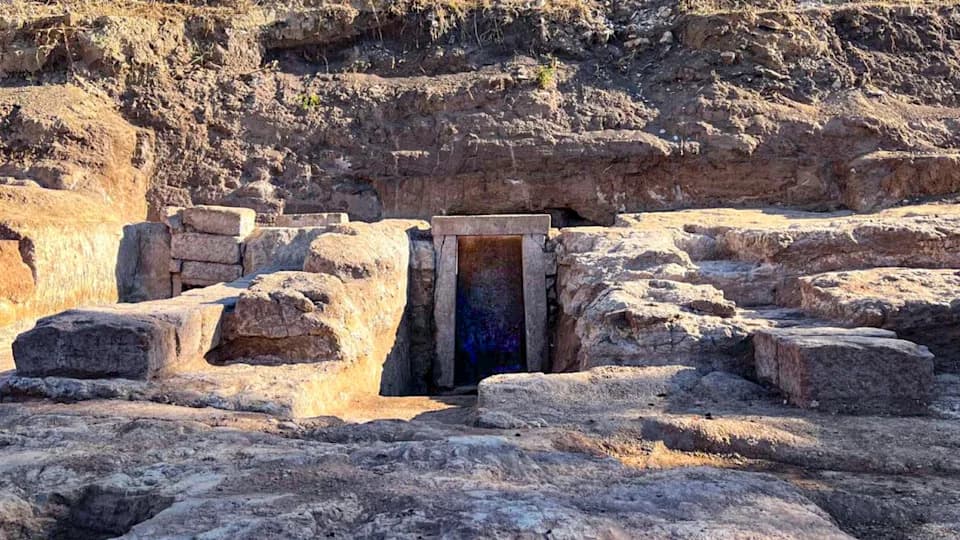
Archaeologists excavating near the Nuraghe ruins of Arzana on the island of Sardinia have uncovered an Iron Age scarab amulet that appears to originate from ancient Phoenicia. The small, carved object — set in a silver bezel — provides new evidence of long-distance contacts between Sardinia’s Nuragic communities and eastern Mediterranean cultures.
What Was Found
The amulet is a scarab carved from steatite (a soft soapstone) and bears engraved hieroglyphic signs that specialists link to Phoenician script and iconography. The object was mounted in a silver frame, suggesting it was worn as a pendant or personal seal. Officials from the Superintendence of Archaeology, Fine Arts and Landscape for the provinces of Sassari and Nuoro reported the discovery during excavations at the Nuraghe ruins of Arzana.
Context and Conservation
The scarab was recovered near a village close to an important Nuragic population center historically associated with the Ilienses tribes. The Nuragic civilization (second millennium B.C.E.) is renowned for its stone towers and monuments, and this find reinforces the view that Sardinia’s material culture was connected to wider Mediterranean exchange networks.
The amulet is undergoing conservation treatment. Researchers hope that careful cleaning and analysis will allow them to decipher the inscribed signs, which could reveal the artifact’s place of manufacture or even the identity or status of a former owner.
Why It Matters
Scarab amulets, often modeled on dung beetles in Egyptian tradition, served both as protective talismans and practical seals. This Phoenician scarab’s presence in Sardinia — likely having traveled more than 1,000 miles and possibly roughly 1,300 miles — underscores extensive trade and cultural interaction across the eastern Mediterranean during the Iron Age.
Key takeaway: The discovery strengthens evidence that Nuragic Sardinia was not isolated but participated in long-distance maritime networks that connected the western Mediterranean to eastern Mediterranean civilizations.
Help us improve.