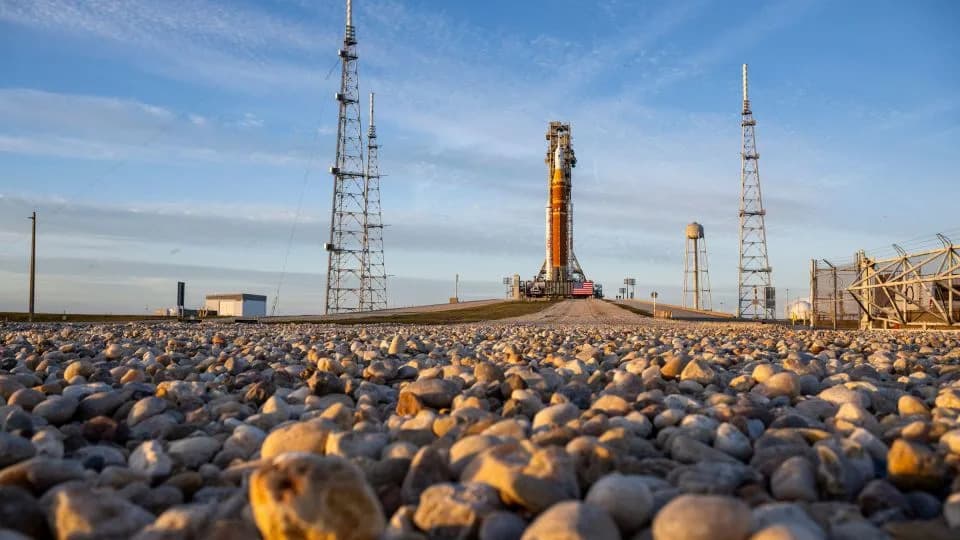
NASA plans to fly four astronauts on Artemis II despite a known flaw in Orion’s Avcoat heat shield that showed pitting and spalling after the uncrewed Artemis I mission in 2022. The agency will not replace Artemis II’s installed shield; instead, it plans a modified, steeper reentry trajectory and relies on lab testing and Tiger Team analysis to reduce risk. Experts remain divided: some say testing and trajectory changes justify proceeding, while others warn the modeling is incomplete and the risk is poorly characterized. Future shields will use manufacturing changes to increase permeability.
NASA to Fly Artemis II Despite Known Orion Heat‑Shield Flaw — Experts Remain Divided
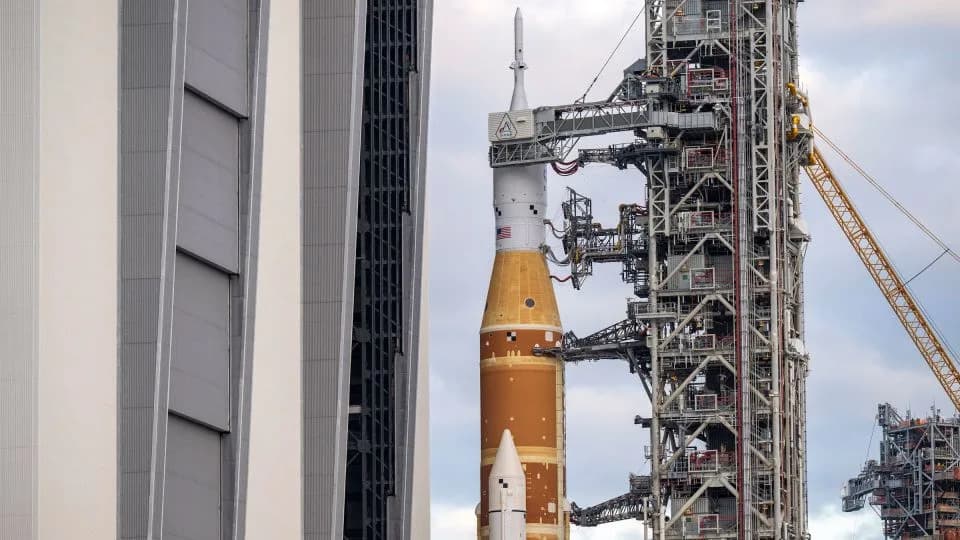
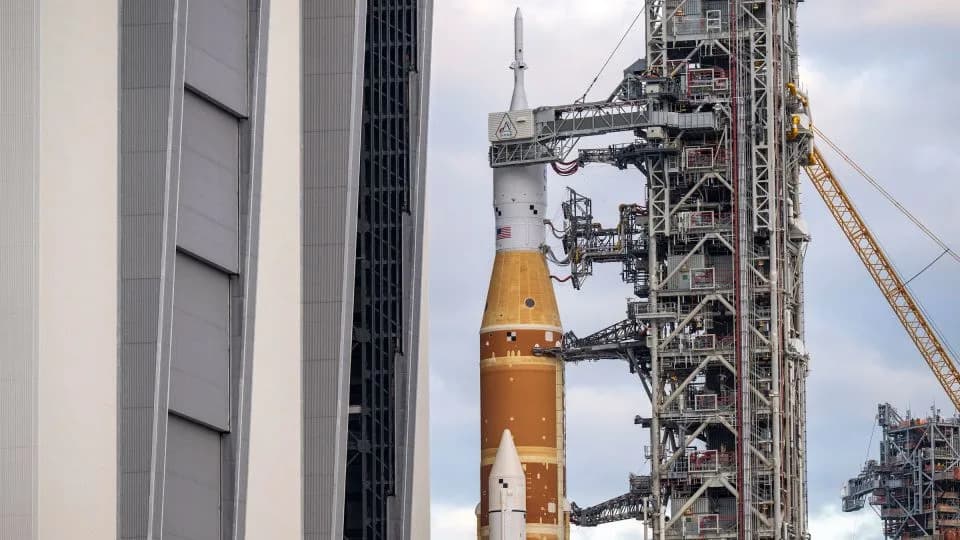
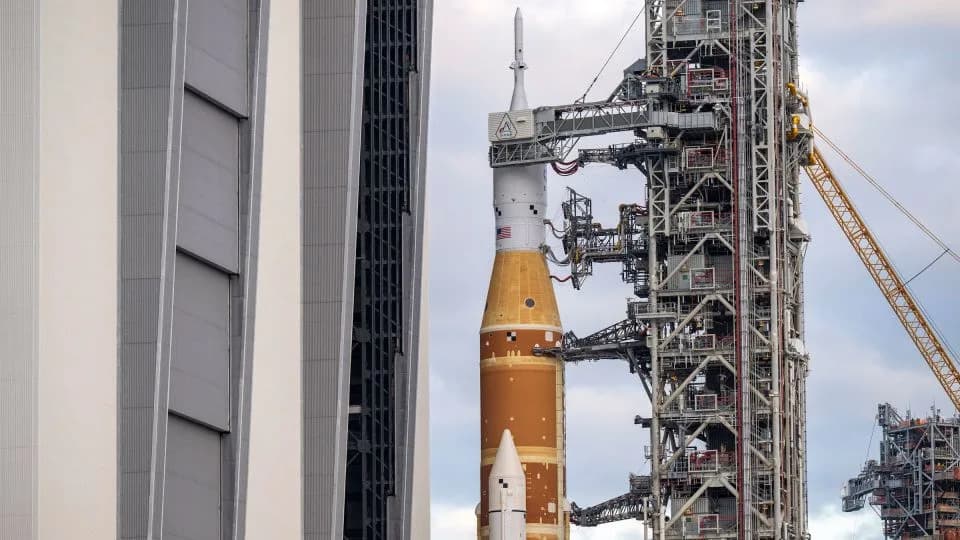
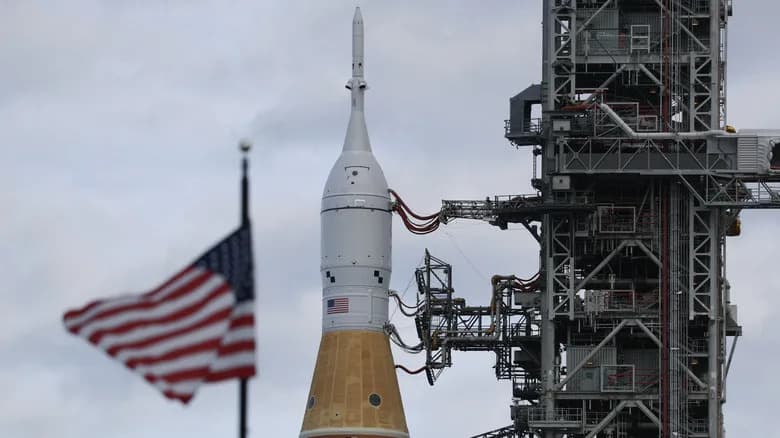
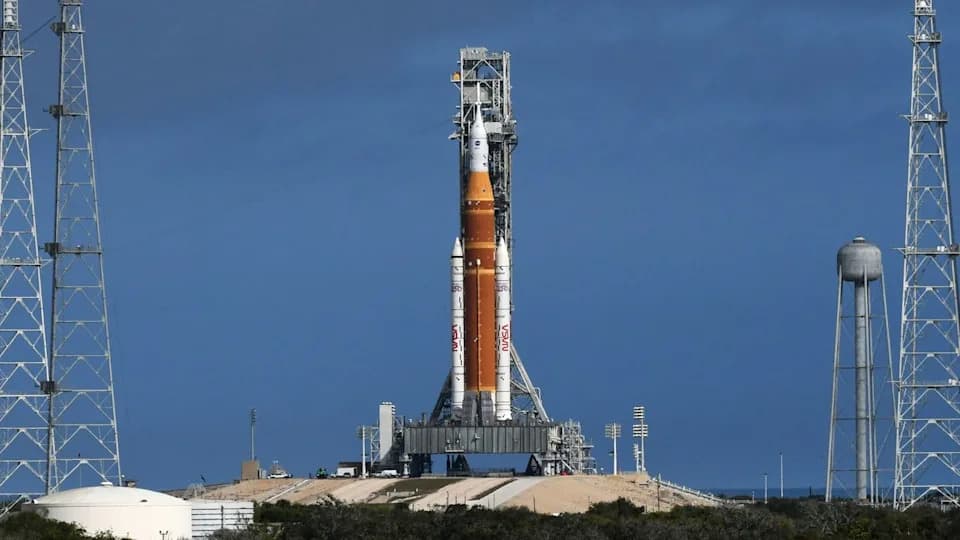
NASA’s Orion spacecraft, which sits atop the Space Launch System rocket for liftoff, are seen at Kennedy Space Center in Florida on January 17. - Keegan Barber/NASA
As soon as February 6, four astronauts could climb into NASA’s 16.5‑foot‑wide Orion capsule for Artemis II, a crewed flyaround of the Moon — even though the spacecraft still carries a known defect in its Avcoat ablative heat shield. The flaw was exposed after the uncrewed Artemis I mission in 2022, when the shield returned with unexpected pitting and areas where chunks of material had broken away. NASA says it understands the issue and can keep the crew safe by changing the reentry profile; some former engineers and heat‑shield experts strongly disagree.
What Went Wrong
The problem centers on Avcoat, an ablative material that protects Orion during the violent return through Earth’s atmosphere. During Artemis I, engineers found that the Avcoat did not erode in the uniformly controlled way it should have: gases produced during reentry built up inside the shield where it was insufficiently permeable, producing spalling (chunks breaking off) and cracks in the coating.
Design And Manufacturing Choices
Early Orion heat shields used an Apollo‑era honeycomb application of Avcoat. That method proved difficult to scale, so program managers moved to a block‑style construction — installing large Avcoat blocks into molds — to increase producibility. Lockheed Martin, contracted to manufacture the shields after Textron Systems licensed the material, adopted the block approach based on prior experience with Mars heat shields.
Why NASA Will Likely Fly Artemis II As‑Is
Nasa’s investigation concluded the root cause was insufficient permeability in parts of the Avcoat, allowing gas to pressurize and cause local failures. Replacing the Artemis II shield is impractical: the Avcoat was already installed on that capsule before Artemis I flew. After months of testing, simulations and targeted lab work, NASA plans to proceed with the installed shield while changing the reentry trajectory — shifting from a higher "skip" profile to a steeper "loft" and descent designed to reduce exposure at peak heating and minimize further char loss.
Supporters’ View: Testing, Tiger Team Analysis, And Margins
Several experts involved in the investigation — including former astronaut Dr. Danny Olivas and NASA team members — say extensive testing, lab validation and the work of a Johnson Space Center "Tiger Team" justify proceeding. They point to model validation against lab data, the structural composite layers beneath Avcoat that provide extra margin, and modifications to the reentry profile as sufficient mitigations. Commander Reid Wiseman, set to command Artemis II, and NASA leaders have publicly expressed confidence in the flight rationale.
Critics’ View: Modeling Limits And Institutional Concerns
Other experts remain unconvinced. Dr. Charlie Camarda and Dr. Dan Rasky — both former NASA engineers and astronauts — argue the risk is not fully characterized. They criticize the primary analysis tools, such as the Crack Indication Tool (CIT), as relying on simplifying assumptions and not fully modeling the coupled physics of heating, material phase change, gas generation and structural response. Some former employees also warn of cultural and institutional factors that can suppress dissent and encourage schedule‑driven tradeoffs.
What Changes For Future Shields
NASA says future Artemis heat shields will use revised manufacturing practices — notably altered "billet mold loading" to increase permeability — and other process improvements. Ironically, the Artemis II shield is less permeable overall than Artemis I’s: Artemis I had about 6% intentional permeable surface area; Artemis II reportedly has none. That history shaped the decision to rely on trajectory changes and validated analysis rather than a wholesale redesign for this flight.
Risk Assessment And Outlook
Experts who support flying describe the mission risk as moderate and manageable; critics warn the vehicle could be pushed toward "incipient failure" if the shield spalls significantly during reentry. Both sides agree there are unknowns — especially because Avcoat behavior changes rapidly during reentry and because limited flight data exist. NASA’s new administrator convened a January 8 briefing to hear dissenting opinions; that meeting, and subsequent Tiger Team results, moved some skeptics toward acceptance while leaving others unconvinced.
Bottom line: NASA plans to fly Artemis II with the current Orion heat shield while relying on a revised reentry path and extensive analysis to protect the crew. The decision reflects a trade‑off between schedule and engineering changes, and it has produced a sharp, ongoing debate among experts about acceptable risk and organizational decision‑making.
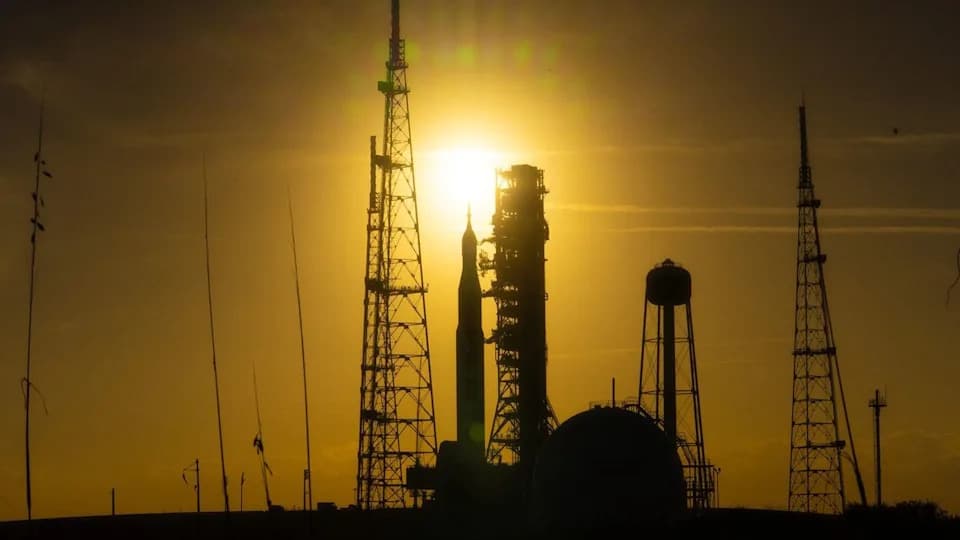
Timeline & Next Steps: Orion was rolled to its launch pad atop the Space Launch System rocket on January 17. Program leaders are holding final risk assessments and a flight readiness review before a final go/no‑go. Meanwhile, NASA is implementing manufacturing fixes for shields on future Artemis missions.
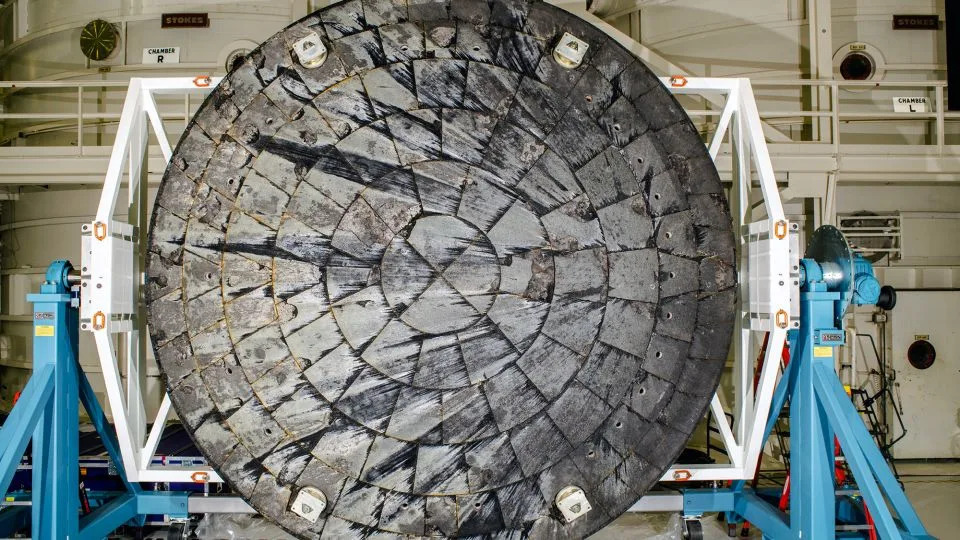
At the conclusion of the Artemis I test flight, the recovered Orion spacecraft was transported to Kennedy Space Center, where its heat shield was removed and inspected. - NASA

The Artemis II crew: Canadian Space Agency's Jeremy Hansen and NASA's Christina Koch, Victor Glover and Reid Wiseman, seen in November 2023. - NASA
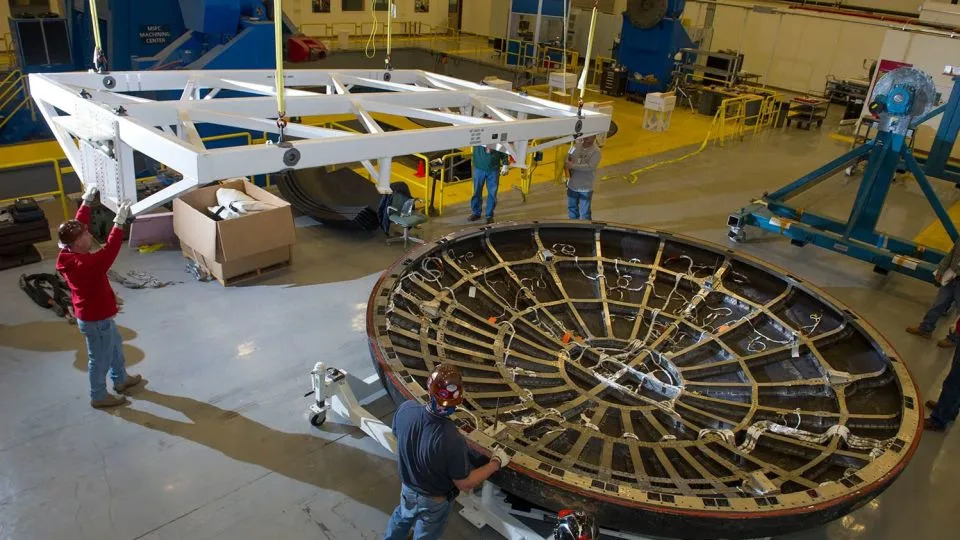
For the first test flight of Orion, the heat shield ablative material reached temperatures of about 4,000 degrees Fahrenheit (2,200 degrees Celsius). - Emmett Given/NASA/MSFC
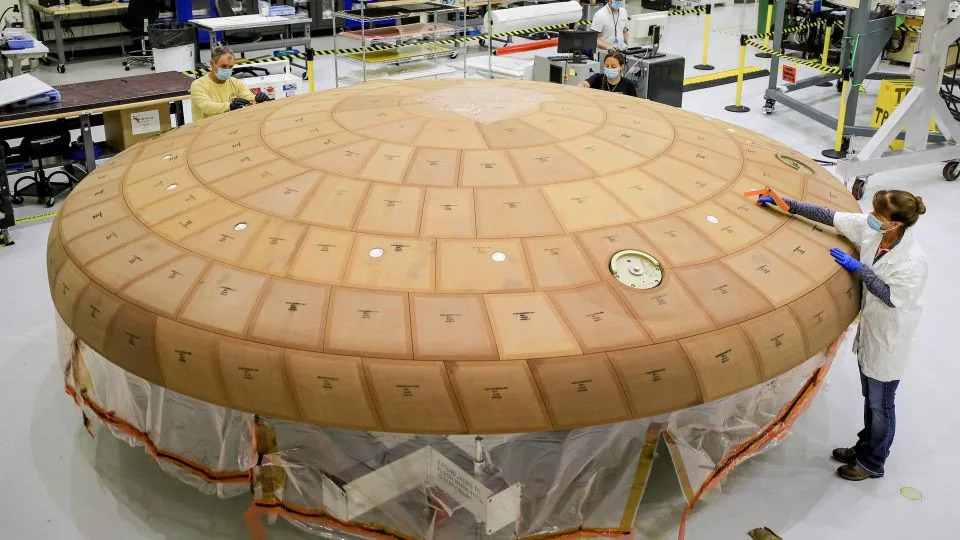
An Orion heat shield configured using the block structure is seen. - Isaac Watson/NASA
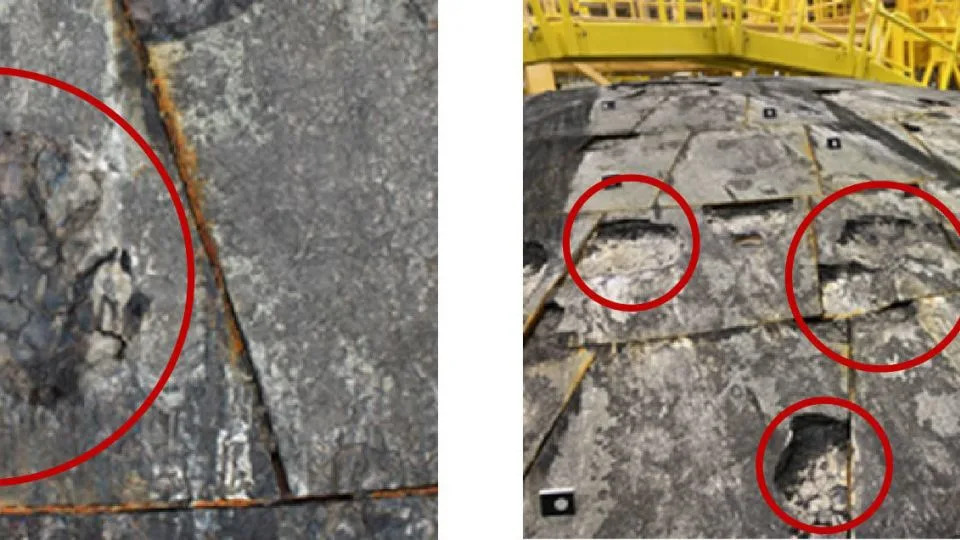
Images show the heat shield post-Artemis I mission, including cavities resulting from the loss of large chunks of the heat shield during reentry. - NASA
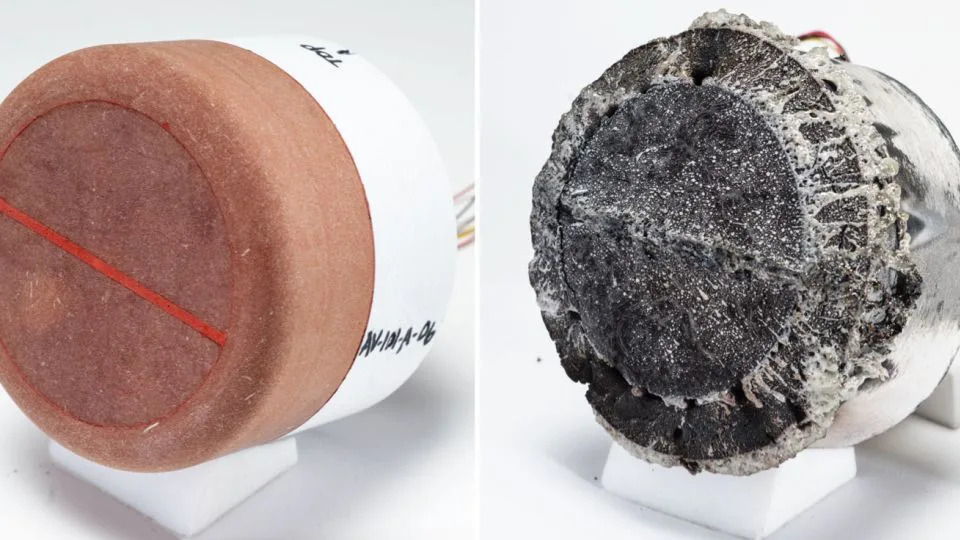
Before and after photographs show test results of heating Avcoat material for 660 seconds. - NASA
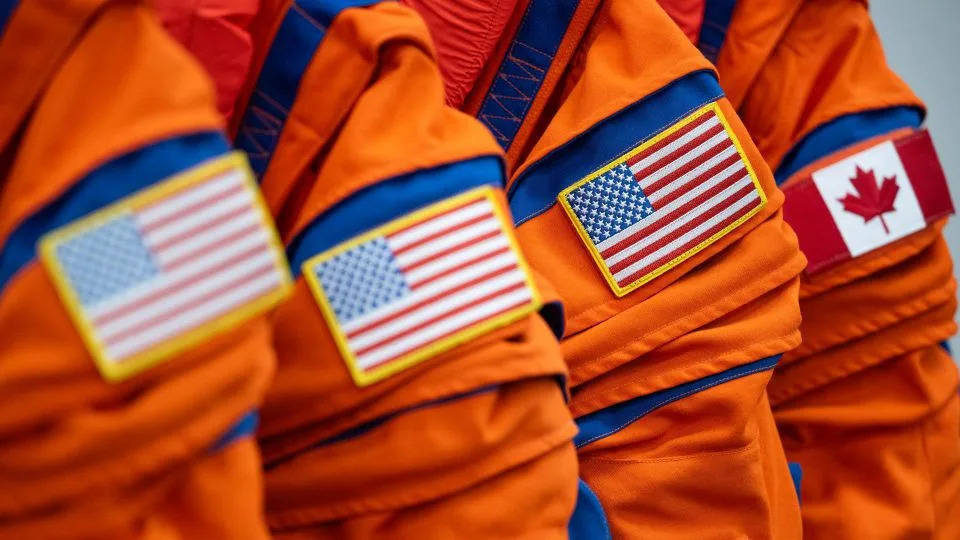
The flags of the United States and Canada are seen on the left shoulder of the Orion Crew Survival System suits on January 17 at Kennedy Space Center. - Joel Kowsky/NASA
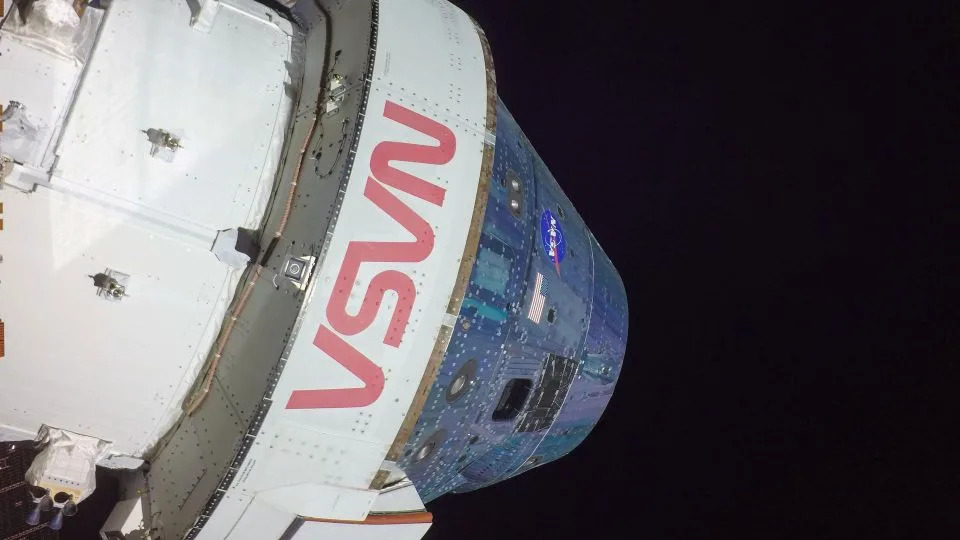
On the fifth day of the Artemis I mission, a camera on the tip of one of Orion’s solar arrays captures the spacecraft with the moon beyond in November 2022. - NASA

The American flag is lowered to half staff at the press site with launchpad 39A in the background, at Kennedy Space Center on February 1, 2003, following the Space Shuttle Columbia disaster. - Duffin McGee/Reuters
Help us improve.