NASA is inviting the public to submit names to be stored on an SD card aboard Orion for Artemis II, the first crewed mission of the Artemis program set to launch no later than April 2026. The roughly 10-day mission will carry four astronauts — Reid Wiseman, Victor Glover, Christina Koch and Jeremy Hansen — on a figure-eight trajectory that reaches more than 230,000 miles from Earth and about 4,600 miles beyond the Moon. Artemis II will validate critical systems, carry scientific payloads studying radiation and human health, and conclude with a Pacific Ocean splashdown and recovery. More than 1.8 million boarding passes have already been claimed.
Send Your Name Around the Moon: NASA Invites Public to Join Artemis II Flyby

NASA’s upcoming mission is offering to ‘send your name around the moon’
NASA is giving people worldwide a unique way to be part of Artemis II: submit your name to be stored on a small SD card that will fly inside the Orion spacecraft when it loops around the Moon. The crewed Artemis II mission is scheduled to launch no later than April 2026 and will last roughly 10 days.

The Artemis II crew is seen in this NASA poster. Created on July 25, 2024. (NASA/Daniel O’Neal)
How the Name Program Works
Anyone can enter a first and last name via NASA’s online submission portal and create a short personal PIN. Submitted names are written to an SD card that will ride inside Orion for the mission. After signing up, participants receive a digital Artemis II “boarding pass” — a printable keepsake that lists mission details, the mission patch, launch site and spacecraft information.
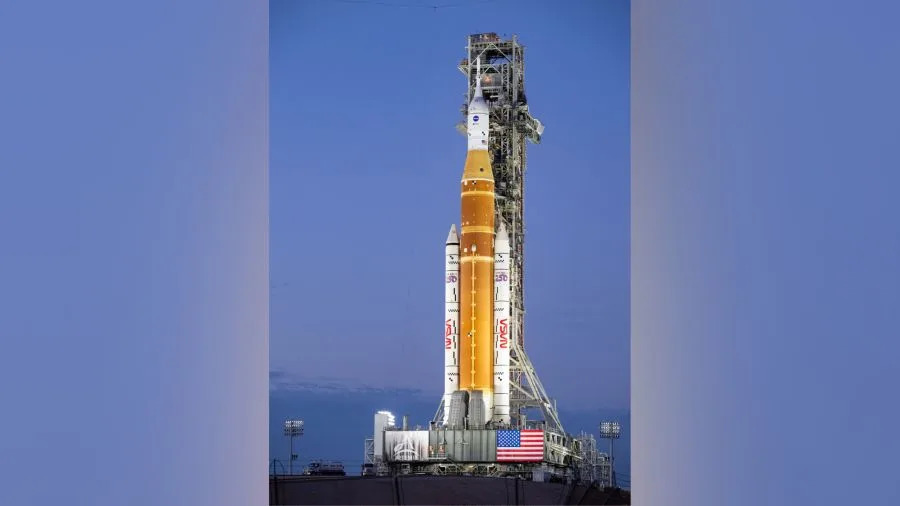
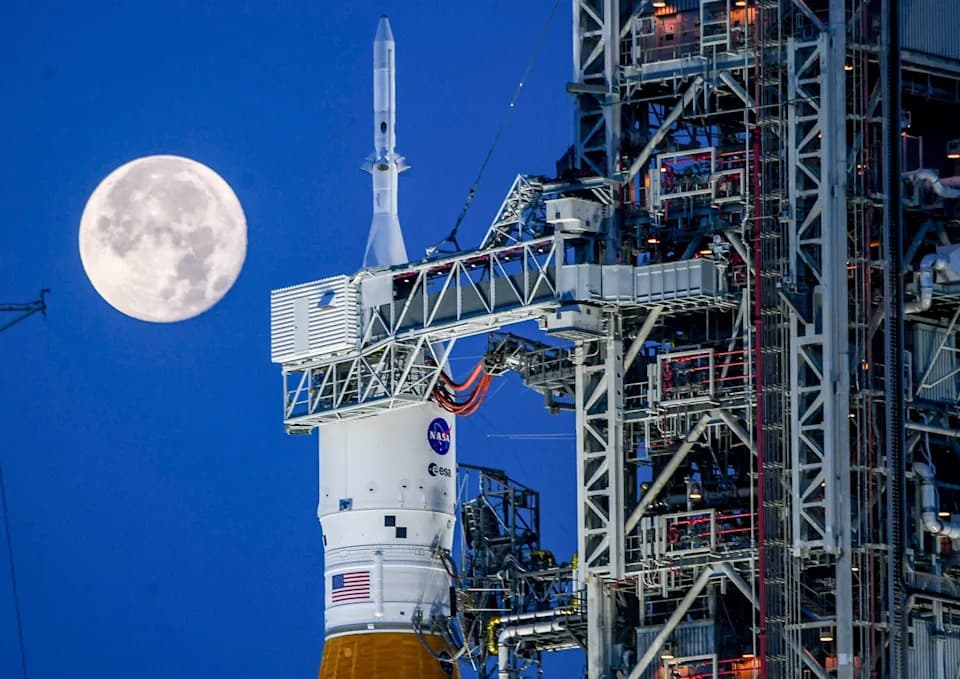
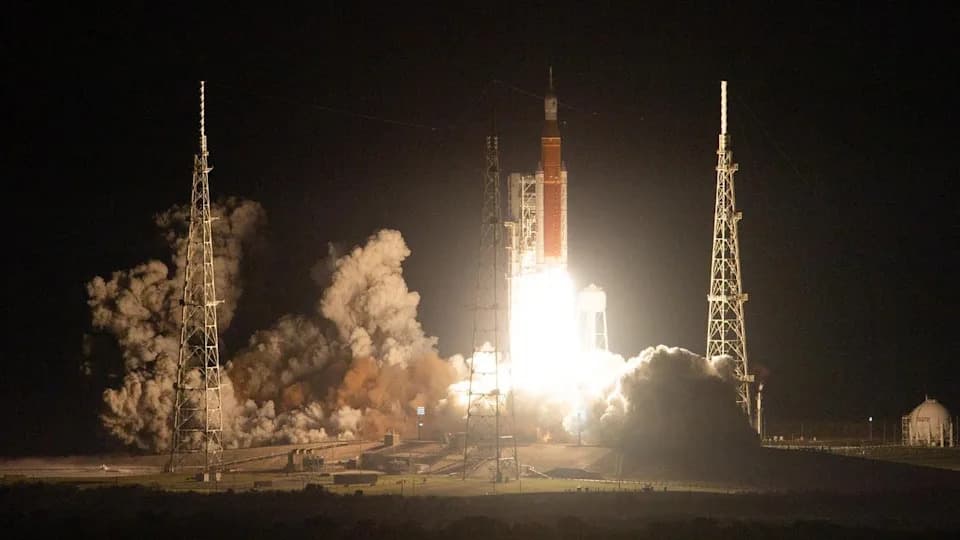
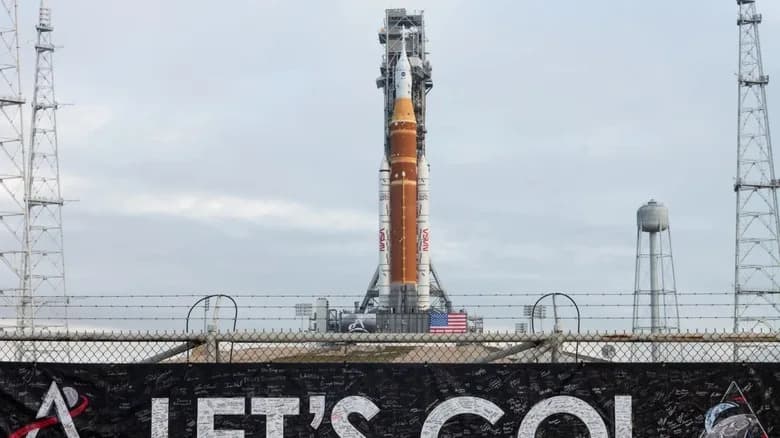
NASA’s Artemis II Space Launch System (SLS) rocket and Orion spacecraft are seen illuminated by lights at Launch Complex 39B, Saturday, Jan. 17, 2026, at NASA’s Kennedy Space Center in Florida. (NASA/Keegan Barber)
Save your PIN. NASA warns that the PIN cannot be recovered, so keep it if you want to re-download or view your boarding pass later.
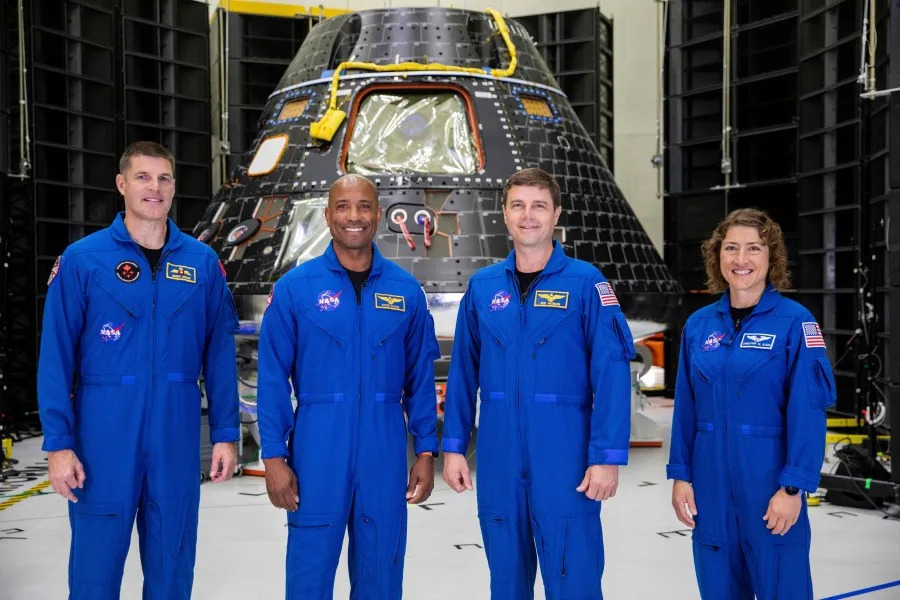
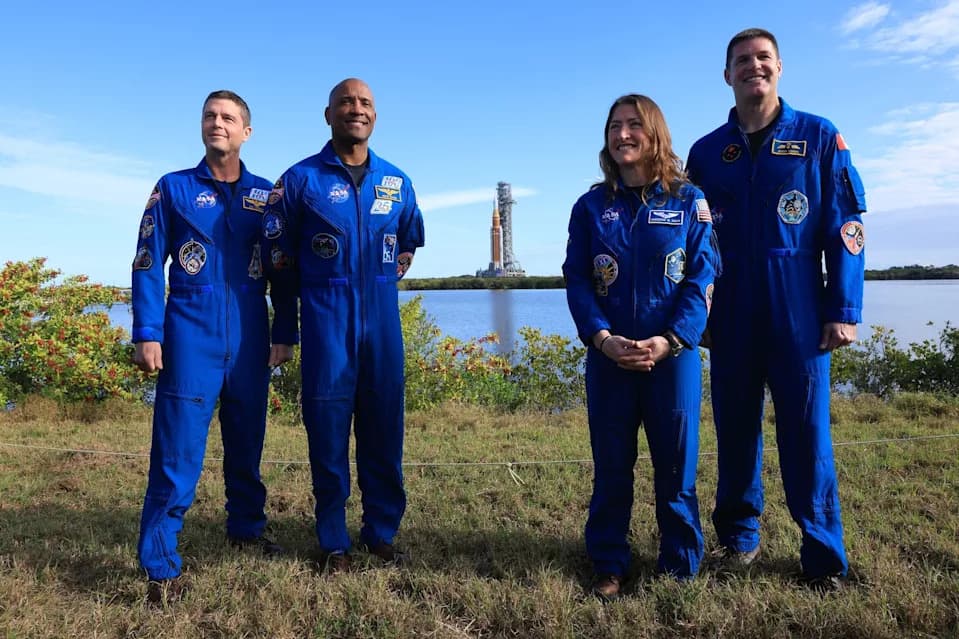
FILE – Artemis II crew members, from left, Jeremy Hansen, Victor Glover, Reid Wiseman and Christina Koch, stand together at NASA’s Kennedy Space Center in Florida, in front of an Orion crew module on Tuesday, Aug. 8, 2023. On Tuesday, Jan. 9, 2024, NASA said astronauts will have to wait until 2025 before flying to the moon and another few years before landing on it. (Kim Shiflett/NASA via AP, File)
Who’s Flying — And How Far They’ll Go
Artemis II is the first crewed flight of NASA’s Artemis program and the first time humans will fly on both the Space Launch System (SLS) rocket and the Orion spacecraft. The four-person crew is:
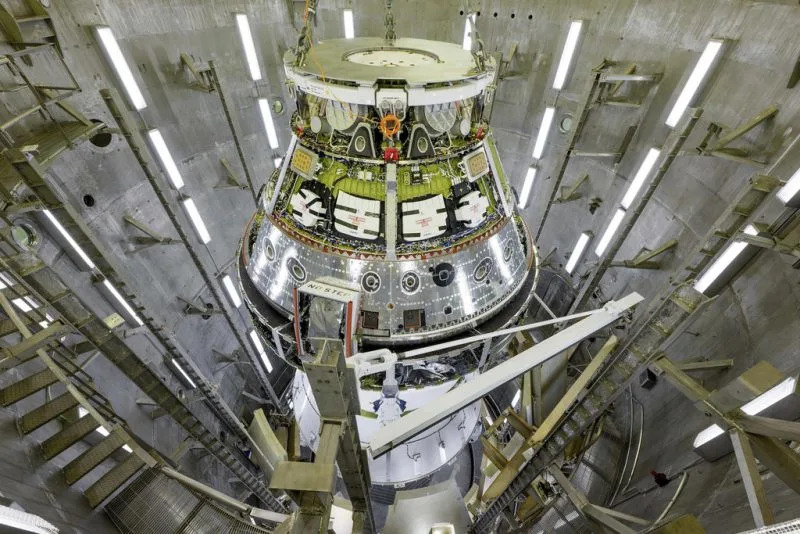
This image provided by NASA shows the Artemis II Orion spacecraft lifted from the Final Assembly and Testing (FAST) Cell and placed in the west altitude chamber inside the Operations and Checkout Building at NASA’S Kennedy Space Center in Cape Canaveral, Fla. on June 28, 2024, for a series of tests simulating deep space vacuum conditions. (Rad Sinyak/NASA via AP)
- Reid Wiseman, Commander
- Victor Glover, Pilot
- Christina Koch, Mission Specialist
- Jeremy Hansen, Mission Specialist
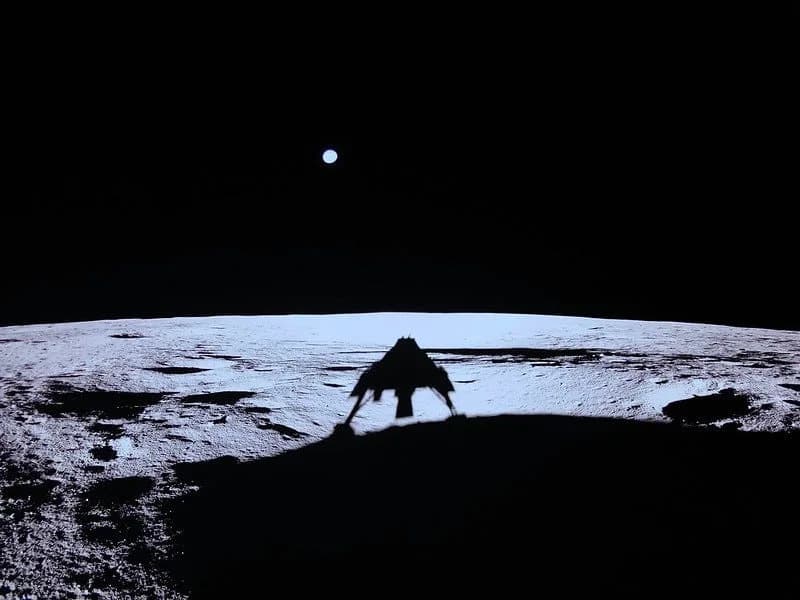
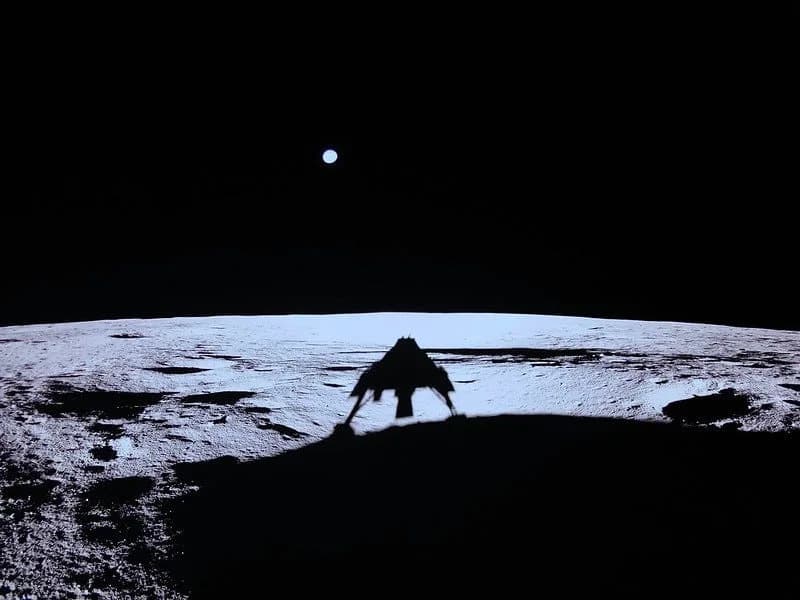
After launch, the crew will spend the first days testing Orion’s systems near Earth. The service module will perform a translunar injection burn that sends the spacecraft on a roughly four-day transit to the Moon. Orion will follow a figure-eight trajectory around the Moon’s far side, taking the crew to more than 230,000 miles from Earth — about 4,600 miles beyond the lunar surface — farther than any human crew has traveled. The mission will cover more than 685,000 miles in total as Orion loops around the Moon and returns to Earth.
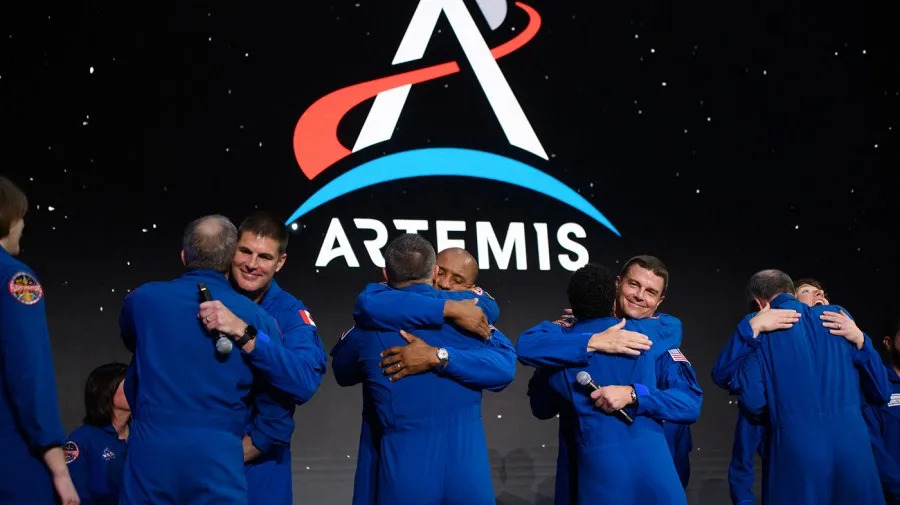
(L-R) Astronauts Jeremy Hansen, Victor Glover, Reid Wiseman and Christina Hammock Koch hug fellow astronauts after being selected for the Artemis II mission during a news conference at Ellington airport in Houston, Texas, on April 3, 2023. (Photo by MARK FELIX/AFP via Getty Images)
More Than A Flyby
Although Artemis II will not land on the Moon, it is a crucial test flight. The crew will practice manual spacecraft control, evaluate life-support systems, and validate hardware and procedures needed for future lunar landings. Several scientific and technology payloads aboard Artemis II will measure space radiation, monitor human health in deep space, and test long-range communications.

Victor Glover, a Pomona native and NASA astronaut, prepares for the Artemis II mission in 2024. (NASA)
Return and Recovery
At mission’s end, Orion will reenter Earth’s atmosphere at high speed and splash down in the Pacific Ocean off the coast of San Diego. Recovery teams from NASA and the Department of Defense will retrieve the crew and spacecraft.
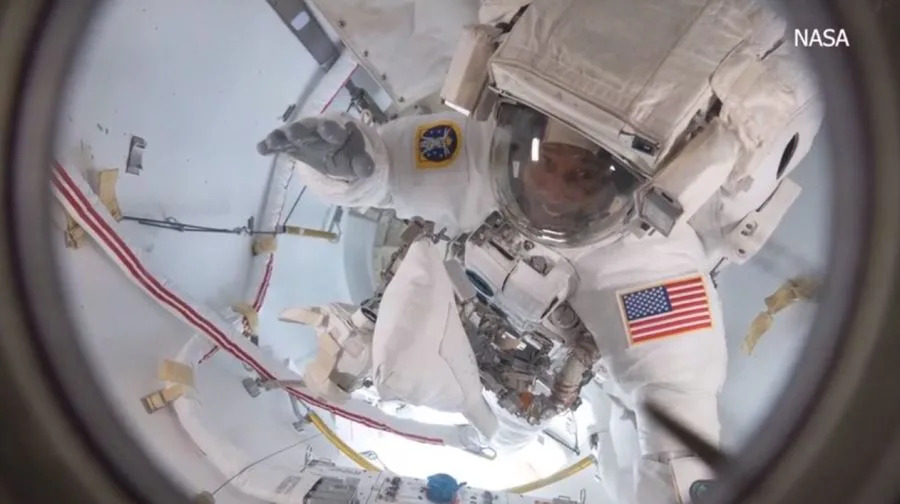
Victor Glover, a Pomona native and NASA astronaut, prepares for the Artemis II mission in 2024. (NASA)
A Small Name, A Big Milestone
For the public, the name-submission campaign is a symbolic way to join the next chapter of exploration as NASA prepares to return humans to the Moon and eventually send astronauts to Mars. As of Monday afternoon, more than 1.8 million Artemis II boarding passes had been claimed. In 2026 those names will make the journey past the Moon and back — and participants will have a boarding pass to prove it.
Help us improve.