Summary: The longstanding view that sponges were the first animals was challenged in 2008 when genomic data suggested comb jellies might occupy the base of the animal tree. Dozens of conflicting studies followed, in which small methodological choices often flip results. Newer approaches — notably chromosome-scale comparisons — and expanded genome sampling offer promising paths forward. Regardless of the final answer, the debate has driven fresh discoveries about early animal biology, including the unique nature of comb-jelly nervous systems.
Which Animal Came First? The Persistent Sponge vs. Comb-Jelly Rivalry Explained
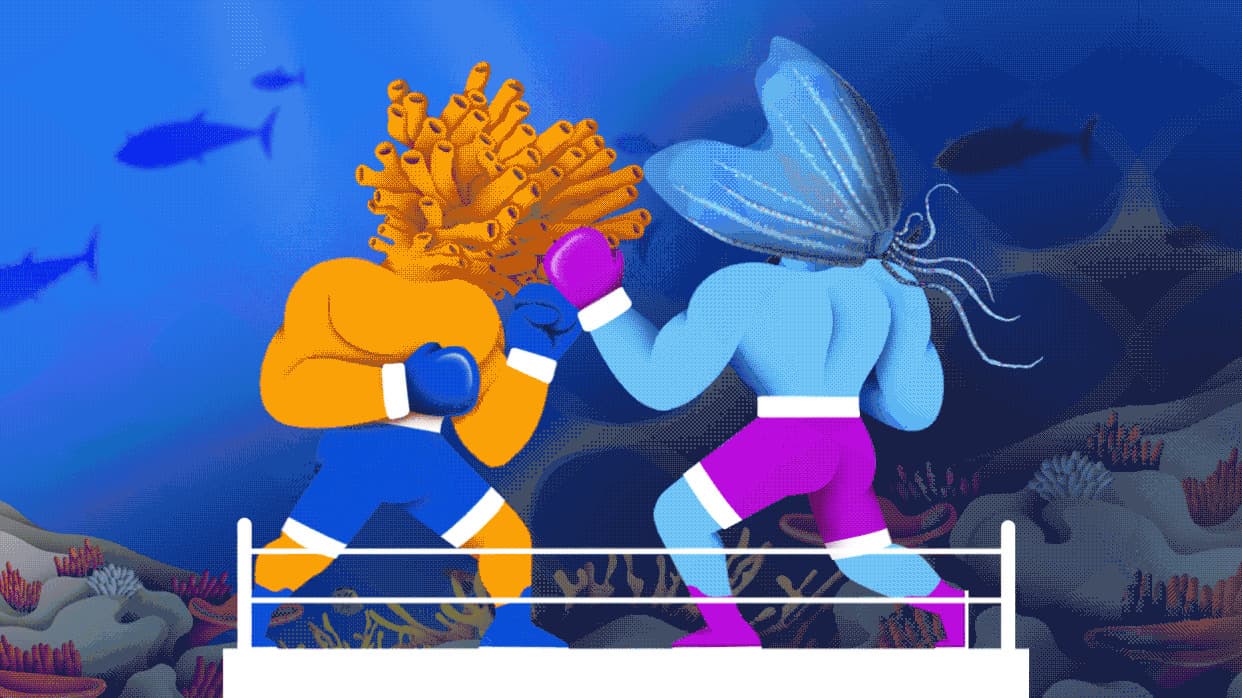
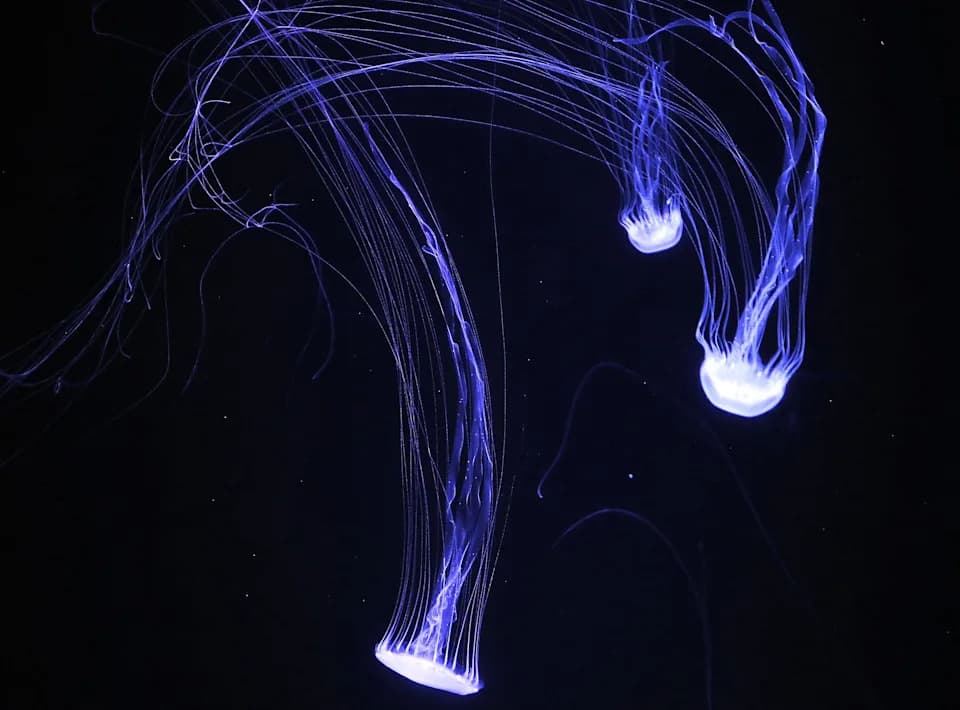
For more than a century, sponges were widely regarded as the earliest branch of the animal tree because they lack muscles, nerves and other specialized tissues. That conventional view was jolted in 2008 when a genomic analysis proposed a surprising alternative: comb jellies (ctenophores), translucent predators with nerves and muscles, might be the sister group to all other animals. The resulting debate has lasted nearly two decades and has reshaped how researchers study early animal evolution.
The Stakes: Why It Matters
Which lineage branched off first affects how we reconstruct the biology of the earliest animals. If sponges are the earliest branch, complex tissues such as nerves and muscles likely evolved later. If comb jellies branched first, either complex tissues evolved multiple times independently or they were present early and then lost in some lineages (for example, sponges and placozoa).
The Long, Complicated Debate
The 2008 genome-based result that placed comb jellies at the root produced two strong reactions: open curiosity and staunch defence of the sponge-first view. Since then, dozens of studies using different data sets and analytical methods have alternately supported each hypothesis. Small methodological choices — which non-animal outgroups to include, which genes to analyse, and which evolutionary models to apply — can tip conclusions from sponge-sister to comb-jelly-sister and back again.
Why the Genetics Are Hard to Read
The genetic signal that distinguishes the very first animal split is faint. The relevant genetic differences may have arisen during a narrow evolutionary window, possibly less than five million years, and those signals have been obscured by roughly 600 million years of subsequent evolution. That makes reconstructions sensitive to taxon sampling, alignment methods and modelling assumptions.
New Approaches Emerging
Researchers are moving beyond sequence-only analyses. One important new direction compares the physical arrangement of genes across chromosomes. Large-scale chromosomal rearrangements are rarer and less likely to be reversed than individual base changes, so they can preserve deeper historical signals. A 2023 chromosome-scale study reported patterns supporting a comb-jelly sister to other animals, but that result has also faced statistical critique.
Recent Developments and Controversies
In November, a high-profile study by Nicole King and Jacob Steenwyk used a broadly comparative, 'kitchen-sink' approach and reported support for sponges. Subsequent reanalysis by other groups, however, identified technical errors; King and Steenwyk have indicated they will retract the paper. At the same time, proponents of comb-jelly-first point to chromosome-scale evidence and corrected sequence analyses that favour comb jellies. Critics of both camps have urged greater transparency, broader taxon sampling and collaborative cross-checking of methods.
What We Are Learning Regardless
Independent of which lineage is ultimately confirmed as the earliest, the debate has driven valuable discoveries. For example, comb jellies possess an unusual nervous system that lacks conventional neural synapses, and other genomic and developmental studies have deepened our understanding of early animal biology. Fieldwork continues: researchers are collecting additional sponge and comb-jelly specimens (including recent sampling from remote locations such as Saint Helena) to expand genome databases and improve taxon coverage.
What's Next
Most experts expect the question to be settled gradually rather than suddenly. Progress will come from multiple directions: more complete genomes from diverse species, chromosome-scale assemblies, improved models that account for biases in sequence evolution, and collaborative analyses that pre-register methods and share raw data openly. Many researchers have also called for a less adversarial tone — greater collaboration between genomicists, developmental biologists and paleontologists — to speed consensus and reduce costly back-and-forths.
Bottom line: The sponge vs. comb-jelly debate is not merely academic — it shapes how we reconstruct the first animals. New data types and broader sampling are making the problem tractable, but resolving the question will likely require years of careful, collaborative work.
Help us improve.