China on Feb. 7 launched a reusable experimental spacecraft aboard a Long March-2F rocket from Jiuquan, state media Xinhua reported. The mission aims to verify technologies for reusable vehicles and support the peaceful use of space, but Xinhua provided no details on duration, altitude or specific systems tested. This is China’s fourth reusable spacecraft launch since 2020, following missions that ranged from a two-day test flight to extended missions of 268 and 276 days.
China Launches Reusable Experimental Spacecraft on Fourth Orbital Mission Since 2020
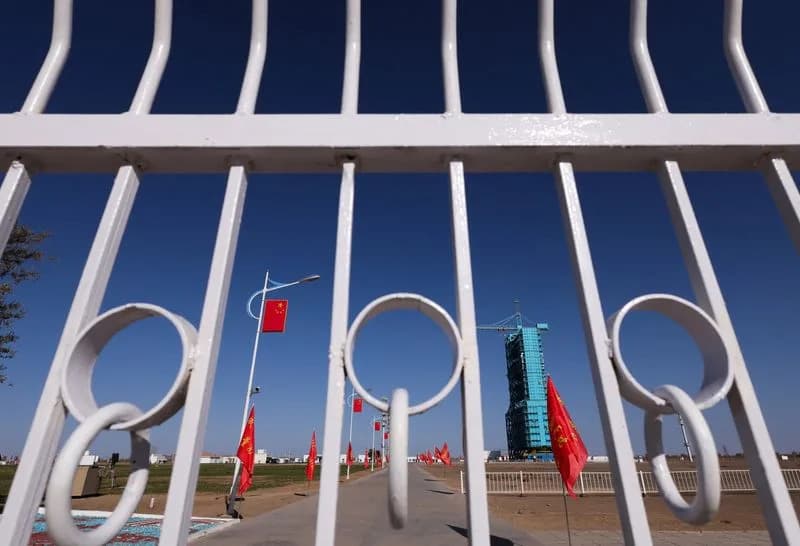
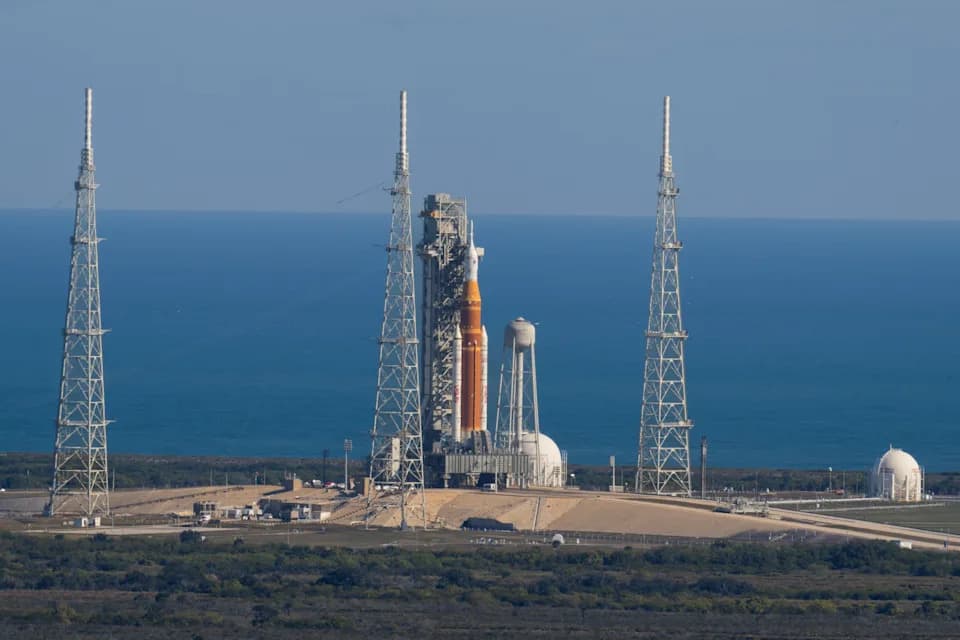
FILE PHOTO: The launch pad for the Long March-2F rocket stands, ahead of the Shenzhou-21 spaceflight mission to China's Tiangong space station, at Jiuquan Satellite Launch Center, near Jiuquan, Gansu province, China October 30, 2025. REUTERS/Maxim Shemetov/File Photo
China on Feb. 7 launched a reusable experimental spacecraft into orbit aboard a Long March-2F carrier rocket from the Jiuquan Satellite Launch Center in the country’s northwest, state news agency Xinhua reported.
The mission, Xinhua said, is intended to carry out technological verification for reusable spacecraft and to provide technical support for the peaceful use of space. The agency did not disclose how long the vehicle will remain in orbit or which specific technologies were being tested.
Limited Details From State Media
The brief bulletin gave no information on the altitude reached or the planned duration of the flight. Xinhua also provided no operational specifics beyond the mission’s stated verification purpose.
Background: China’s Reusable Spacecraft Program
This marks China’s fourth reusable spacecraft launch since the country’s first experimental flight in 2020.
Previous milestones listed by Xinhua include:
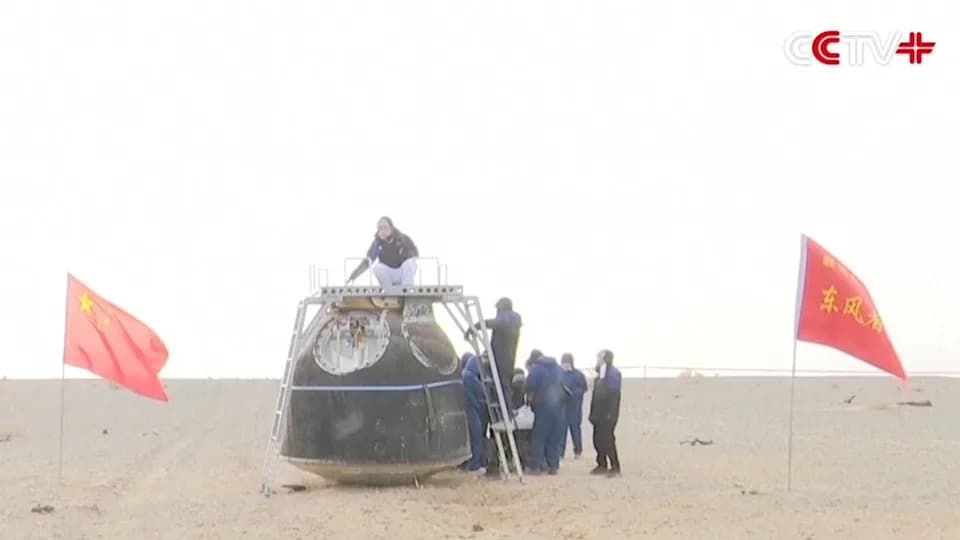
- September 2020: China’s first reusable experimental spacecraft completed a two-day orbital flight.
- August 2022 launch: The vehicle returned to Earth in May 2023 after spending 276 days in orbit.
- September 2024 launch from Jiuquan: That craft returned to its designated landing site after 268 days in orbit.
Developing reusable spacecraft is seen as a key step to increasing launch frequency and lowering per-mission costs, potentially enabling more routine and affordable access to space.
Reporting by Ellen Zhang, Laurie Chen and Ryan Woo; editing by Toby Chopra.
Help us improve.