Key takeaway: President Erdogan says Turkey is pushing to prevent a U.S.–Iran confrontation as lower-level nuclear talks are due in Oman and possible leaders-level talks are discussed. The main impasse is whether negotiations should include Iran's ballistic missiles and wider regional activity — a U.S. demand Tehran rejects. The meeting venue moved to Muscat from Istanbul, but differences over the agenda remain unresolved as global powers urge de-escalation and the U.S. increases military deployments.
Erdogan Says Turkey Is Working To Avert U.S.–Iran Clash As Nuclear Talks Face Deadlock
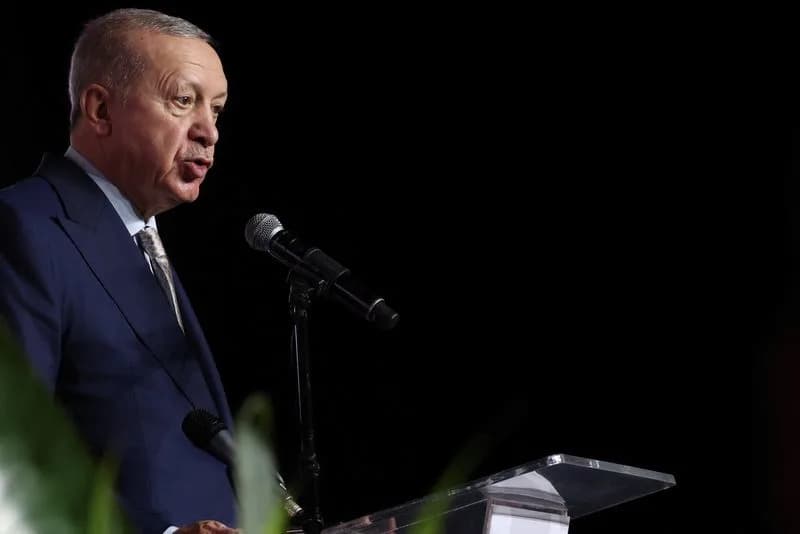
Turkey's President Tayyip Erdogan speaks to the media at the end of the G20 Leaders' Summit in Johannesburg, South Africa, November 23, 2025. REUTERS/Sodiq Adelakun
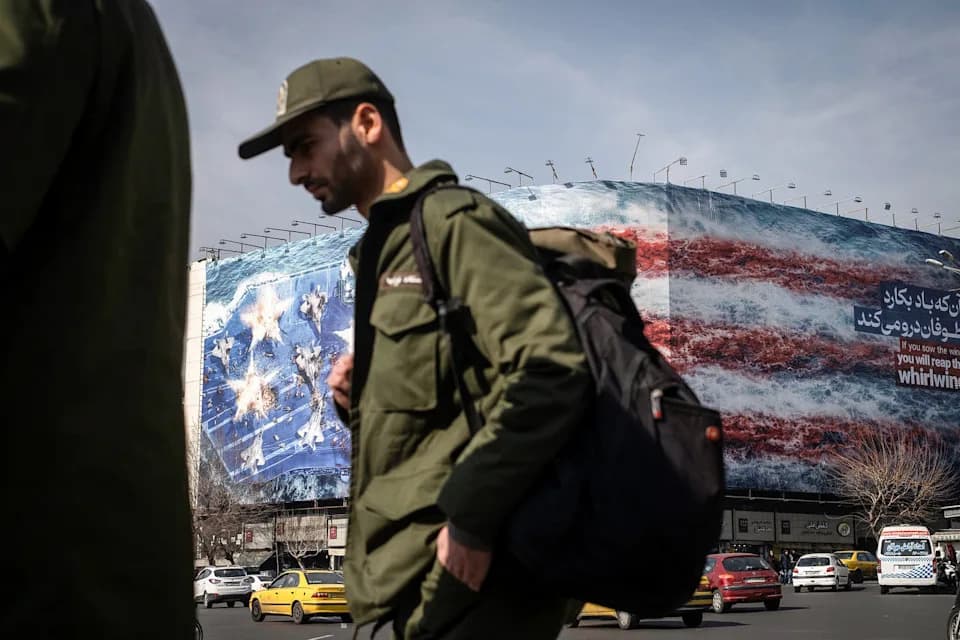
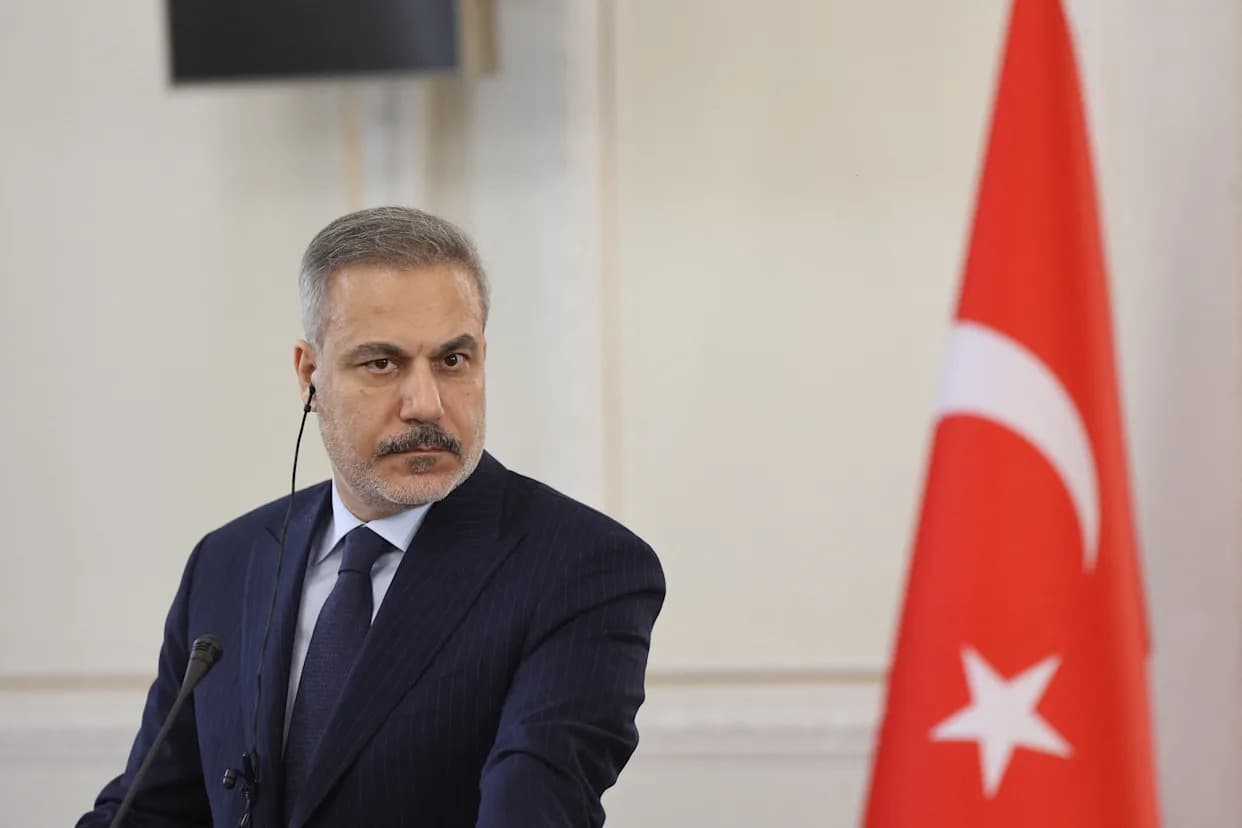
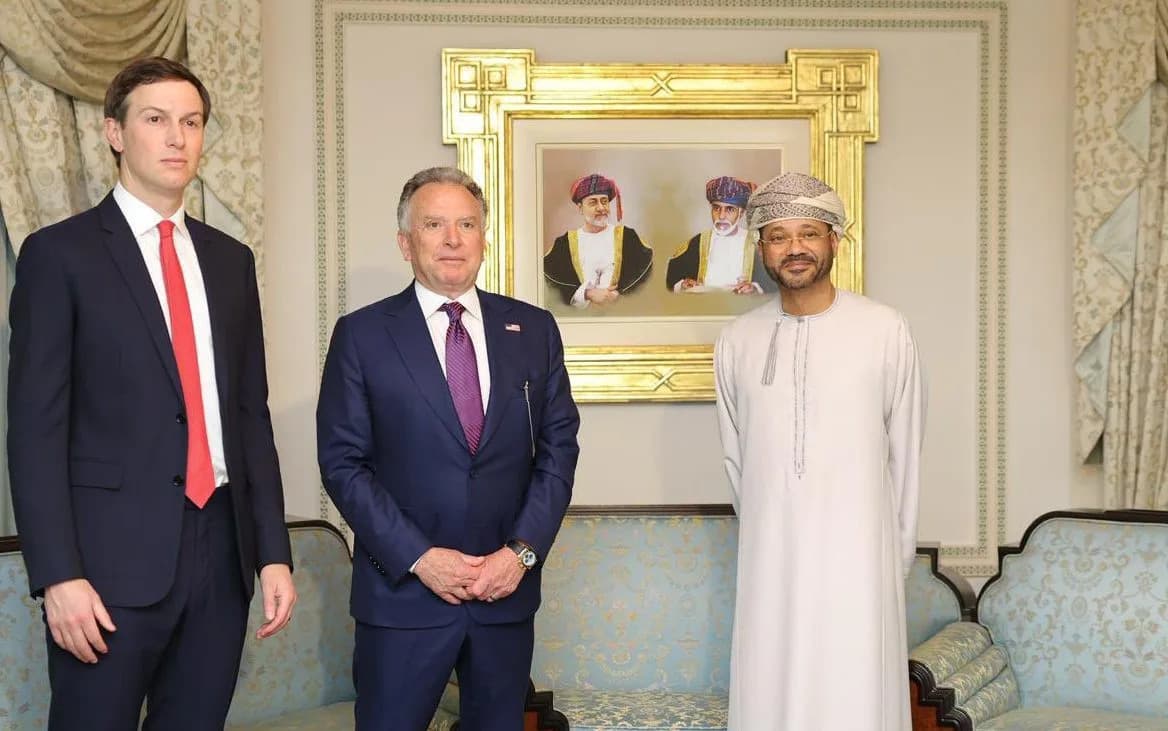
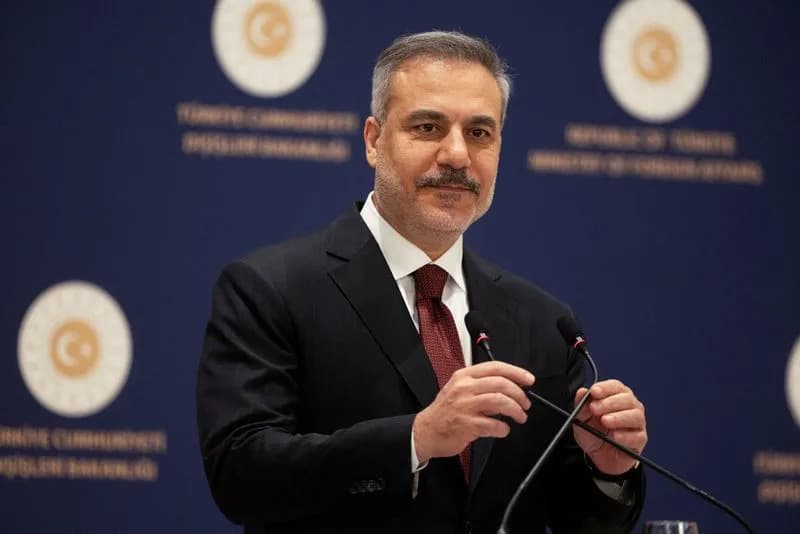
President Tayyip Erdogan said Turkey is making concerted efforts to prevent rising tensions between the United States and Iran from plunging the Middle East into a new, wider conflict. Speaking to reporters on his flight back from Egypt, Erdogan urged high-level talks between Washington and Tehran after lower-level nuclear negotiations due to take place in Oman.
Turkey, he said, is using its diplomatic channels to calm the situation and reduce the risk of military escalation. Erdogan has cultivated ties with U.S. leaders while expanding Ankara's influence across the region — a role he framed as constructive amid growing alarm about a potential confrontation.
Sticking Points: Missiles, Venue and Agenda
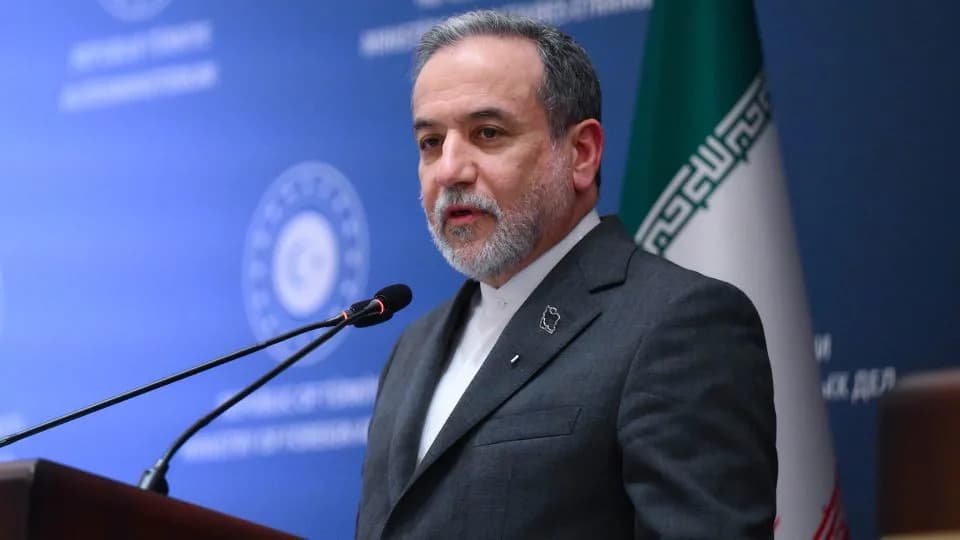
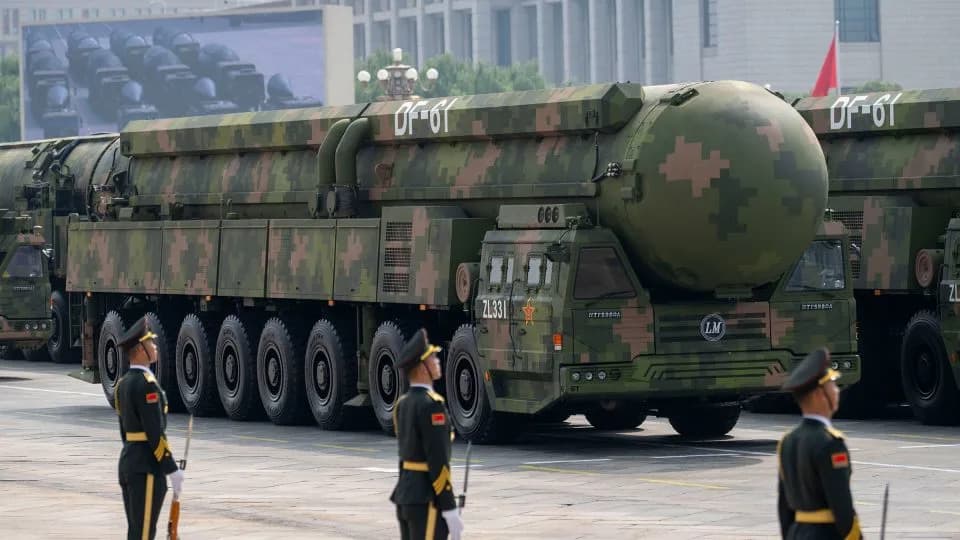
Washington and Tehran remain sharply divided over the agenda for the talks. U.S. officials insist discussions must cover Iran's ballistic missile programme, its support for armed proxy groups across the region and human rights concerns — a broader scope Tehran rejects, saying it will negotiate only on its nuclear programme. Iranian sources say the U.S. is pressing Tehran to limit missile range to about 500 km (310 miles).
The planned meeting's venue has also been a source of friction. After initially accepting Istanbul, U.S. and Iranian officials later agreed to shift the talks to Muscat, Oman, although there was no sign the sides had bridged their substantive differences.
Regional Reactions And Military Buildup
German Chancellor Friedrich Merz, on a visit to the Gulf, voiced concern about the risk of broader conflict and urged Tehran to cease aggressive behaviour and engage in dialogue. China publicly reiterated its support for Iran's right to peaceful nuclear energy while opposing threats of force and punitive sanctions.
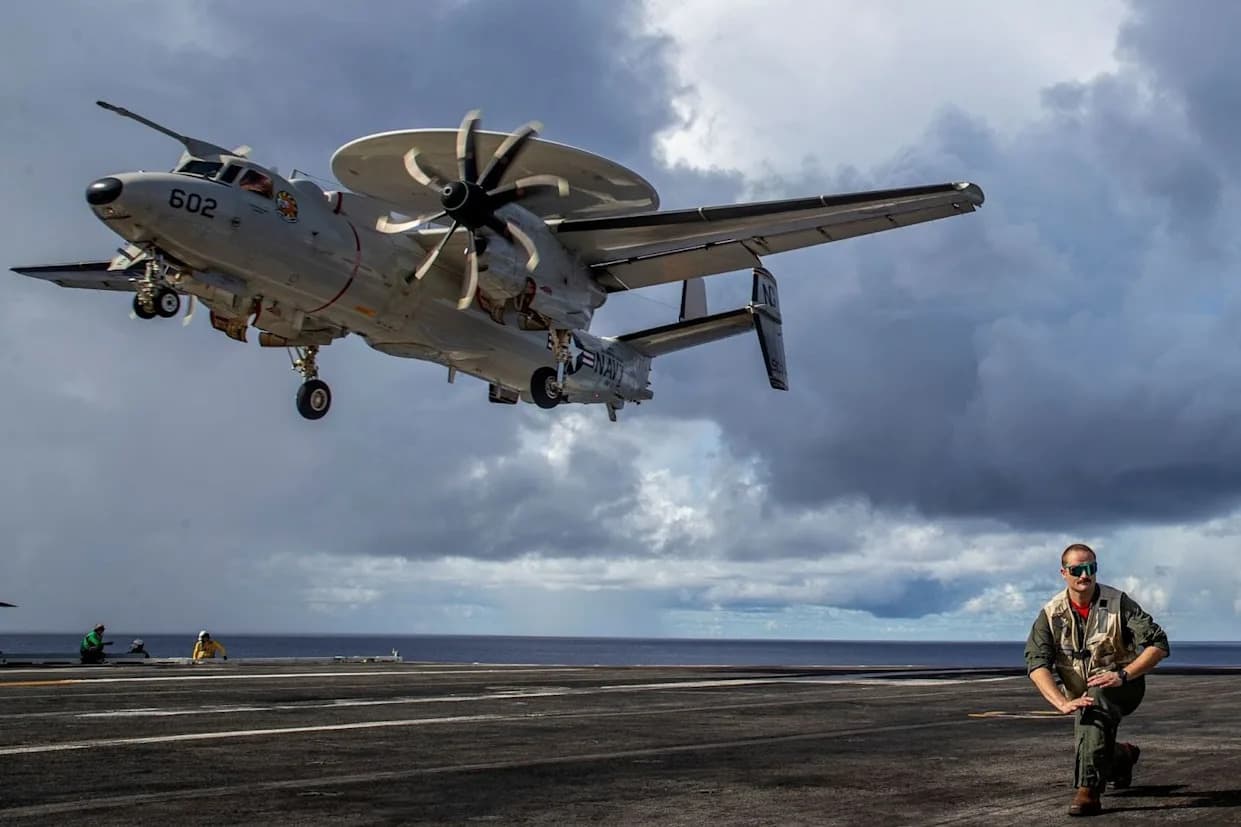
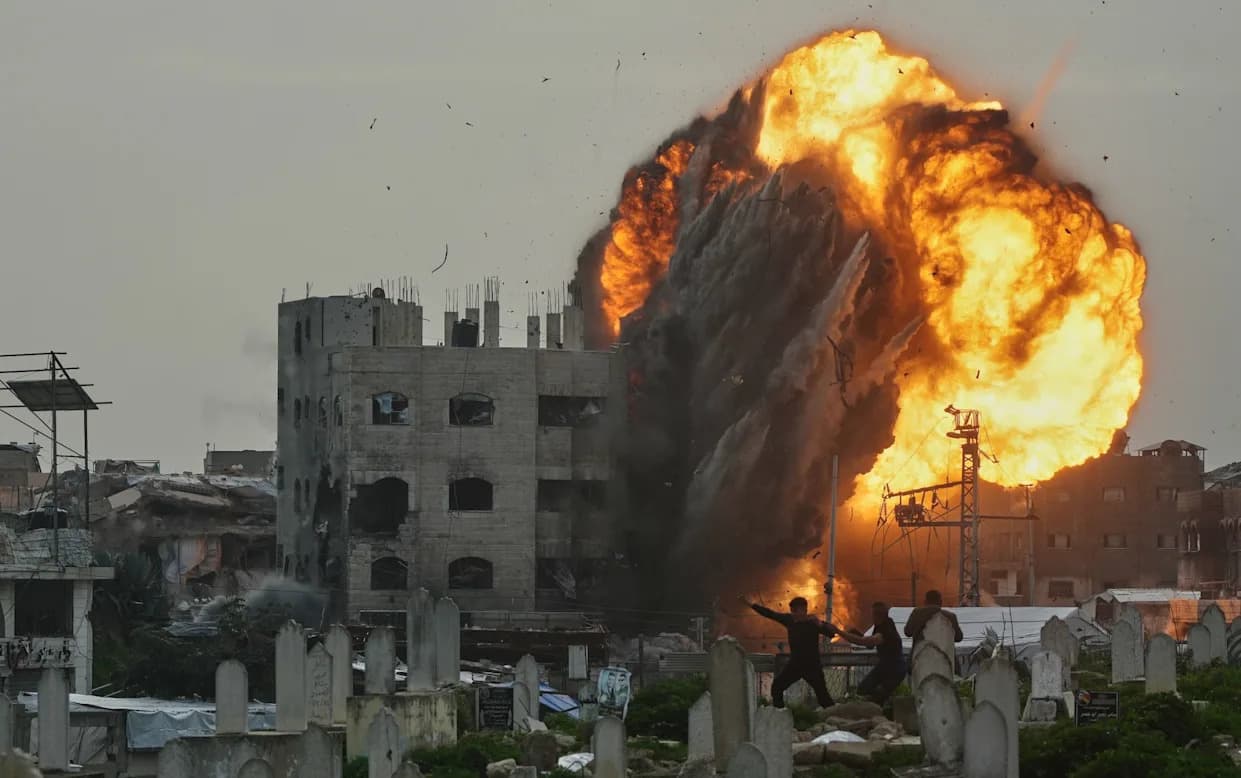
At the same time, the United States has bolstered its military presence in the region, sending thousands of troops, an aircraft carrier and other naval and air assets. These deployments have heightened regional anxiety, with Gulf Arab states fearful Iran might target U.S. bases on their soil if it is attacked.
When asked whether Iran's Supreme Leader should be worried, U.S. President Donald Trump told NBC News: "I would say he should be very worried. Yeah, he should be."
U.S. politicians and officials — including Senator Marco Rubio among others — have said the discussions should address missiles and broader regional activities as well as nuclear issues. Iran, however, maintains that expanding the agenda risks derailing the talks.
Why It Matters
The outcome of the negotiations — and whether they proceed at all — carries major implications for regional stability. Diplomacy could defuse a dangerous impasse; by contrast, continued stalemate or an escalation in rhetoric and military deployments could lead to armed confrontation with far-reaching consequences.
Help us improve.