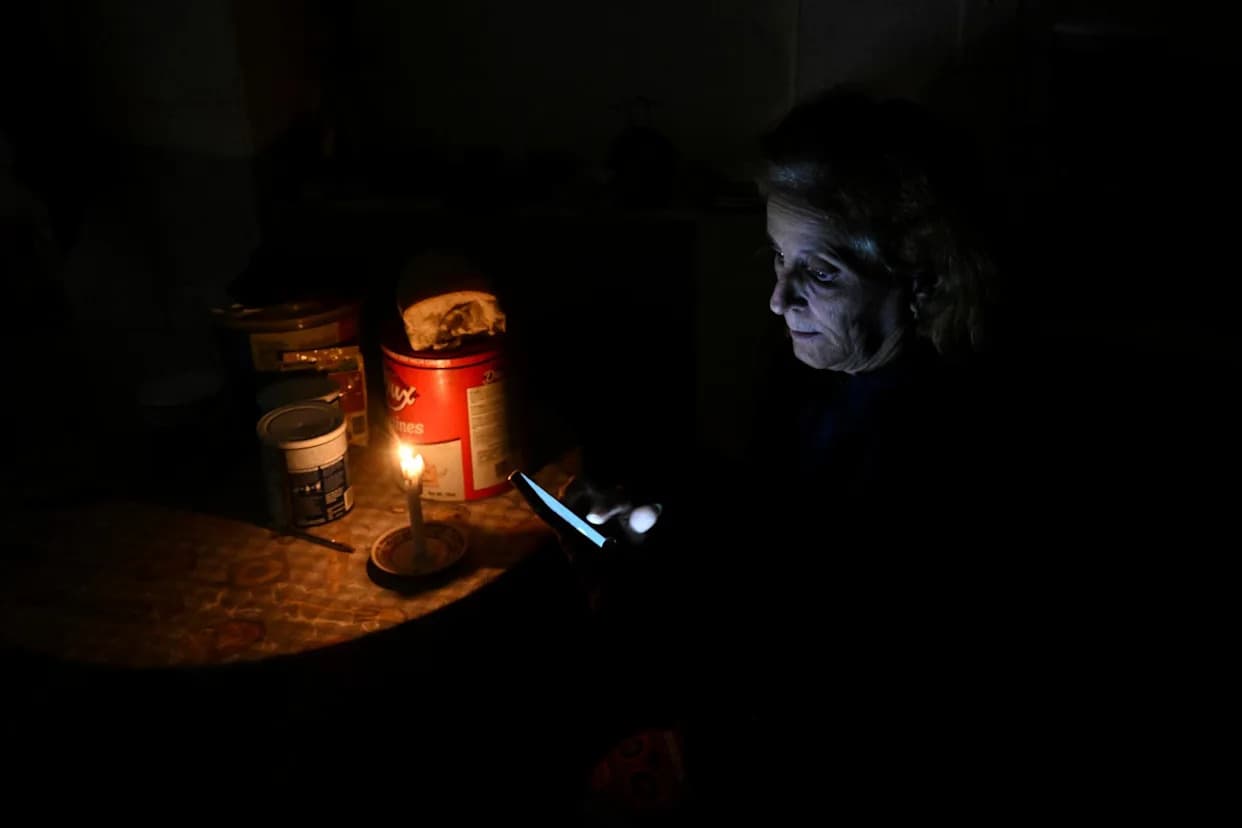
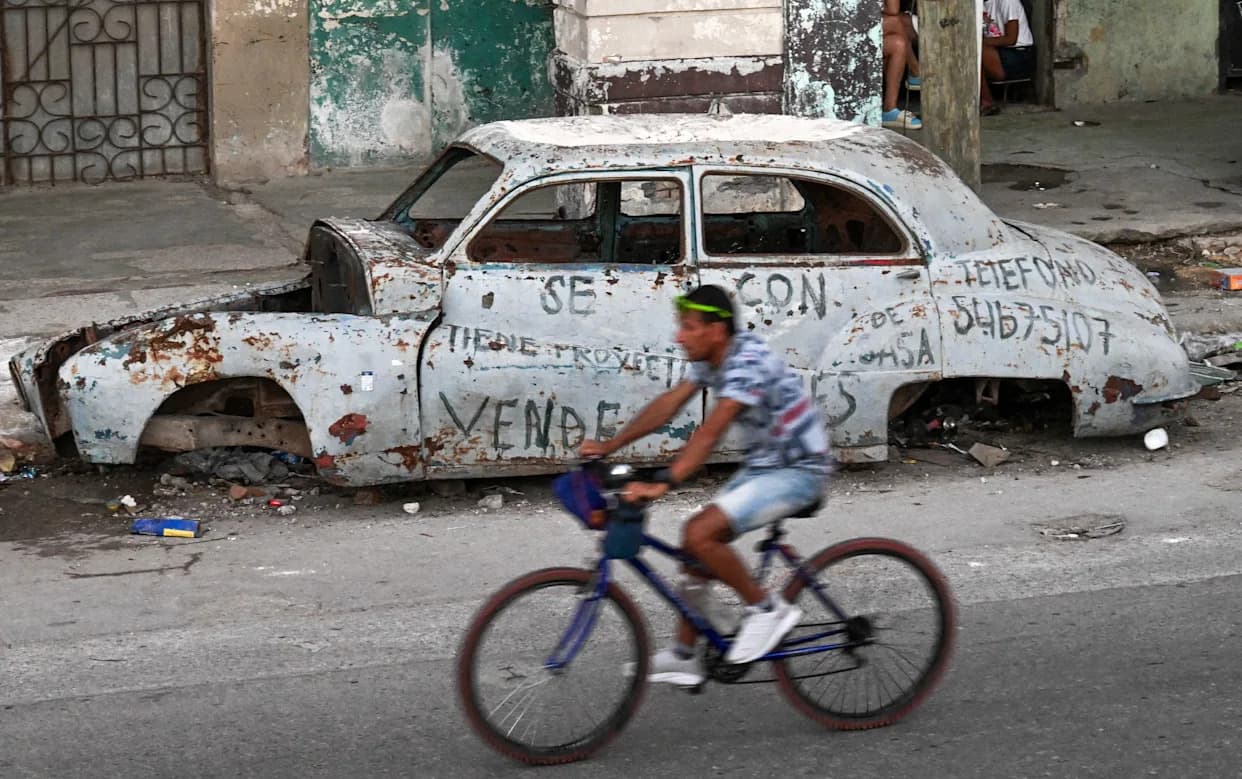
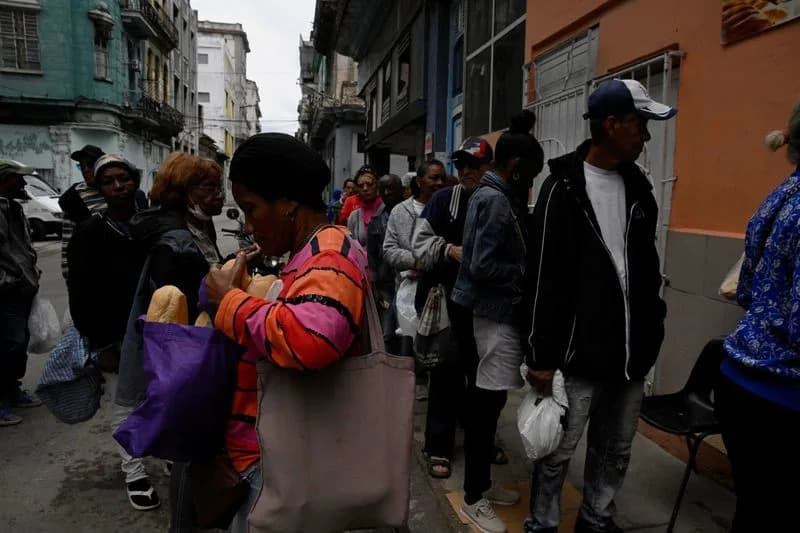
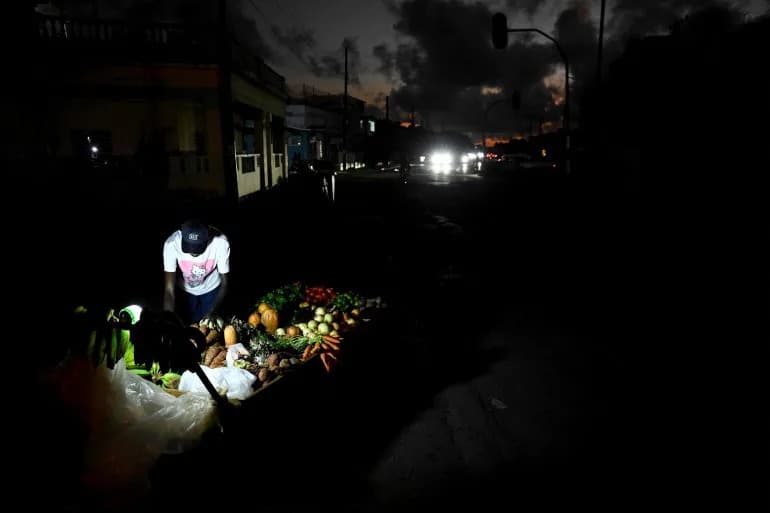
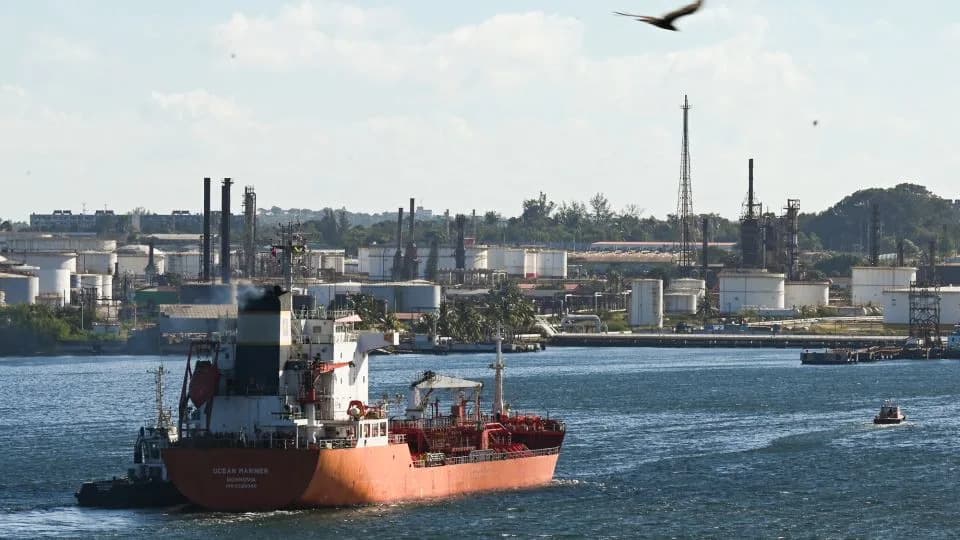
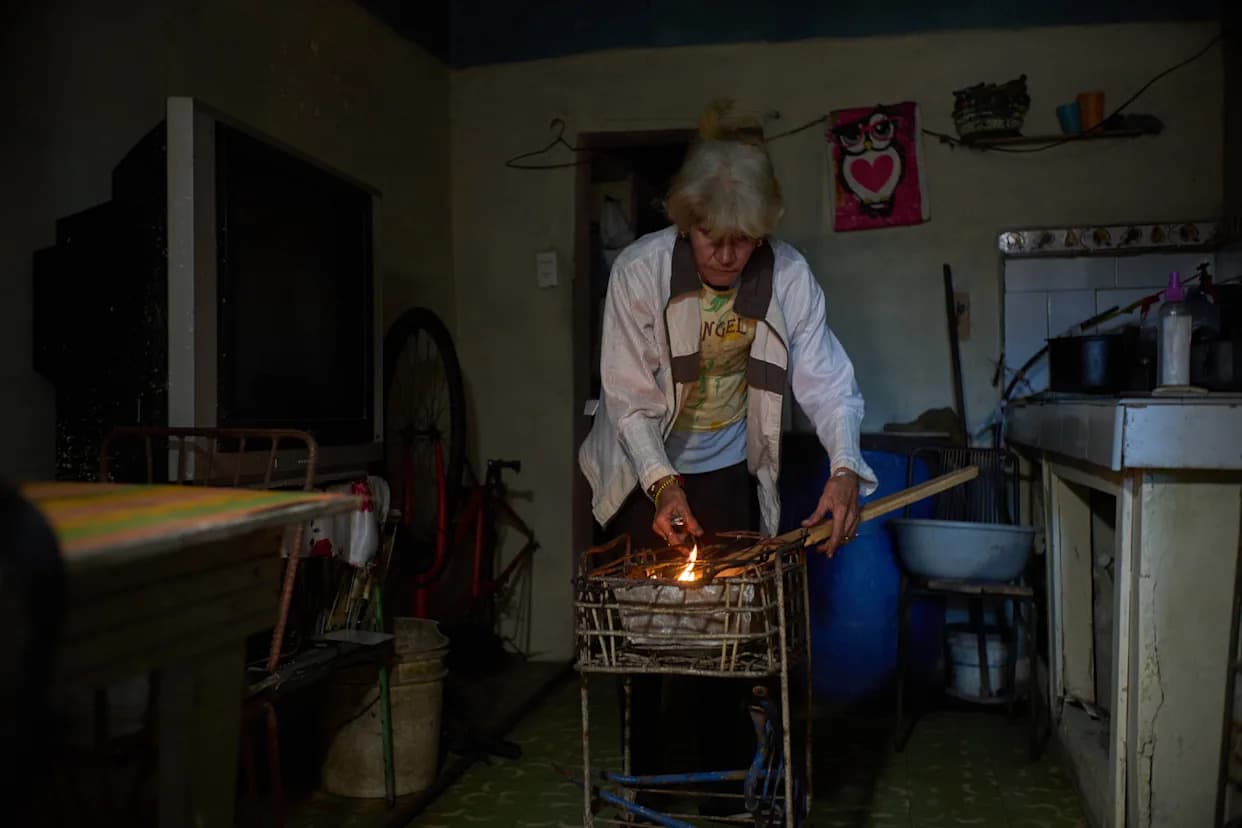
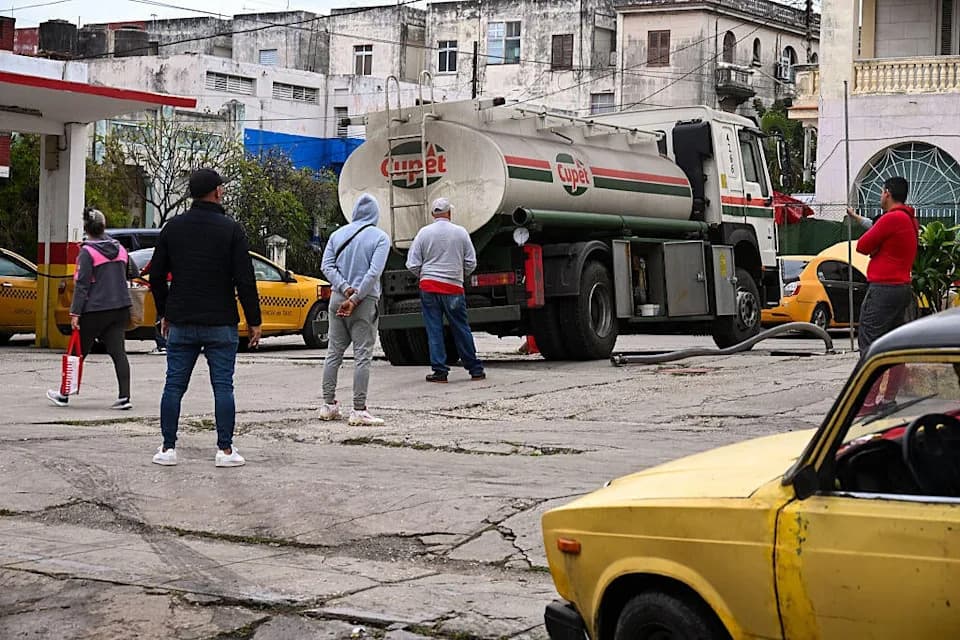
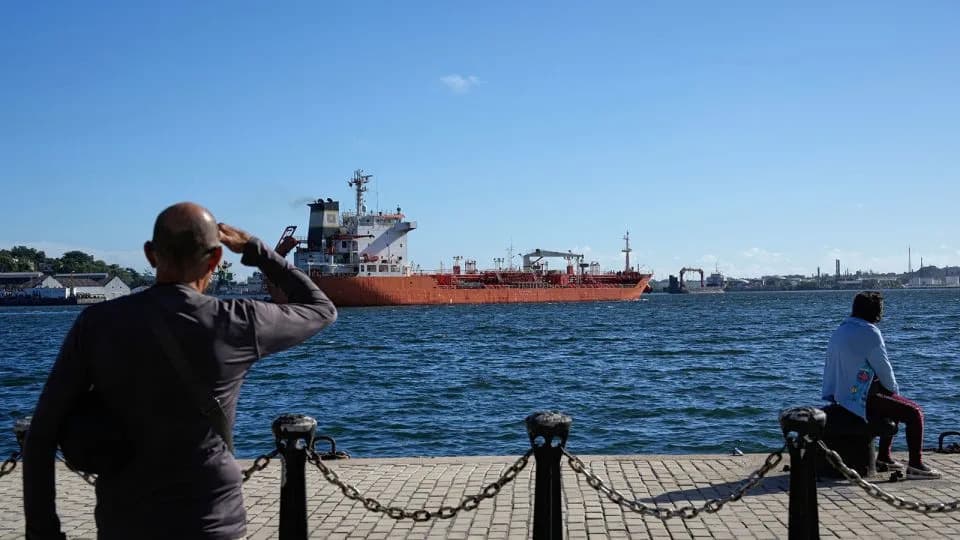
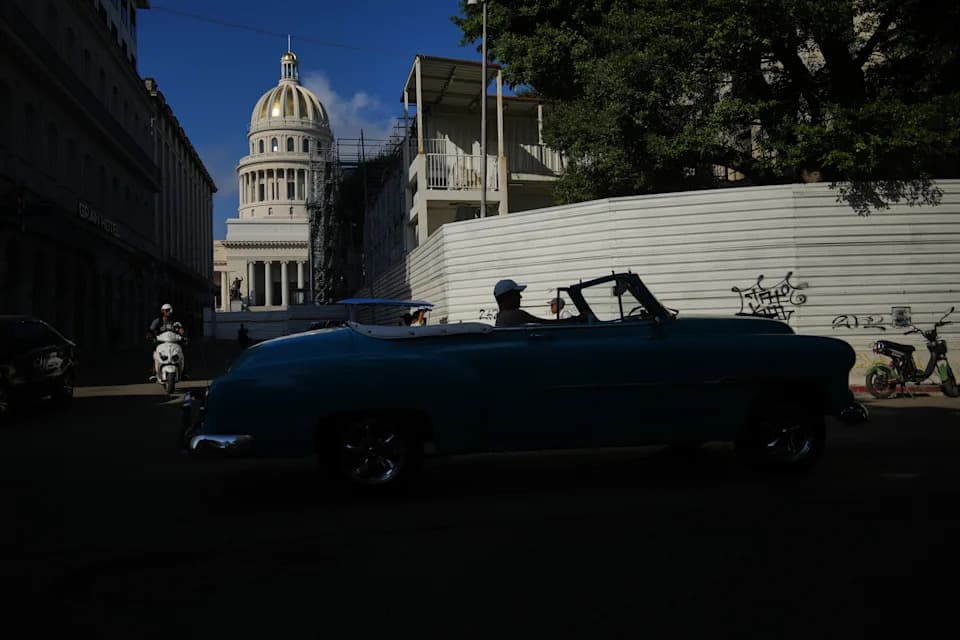
Cuba announced comprehensive fuel rationing to protect hospitals, schools, water services and farms after U.S. moves to curb oil shipments. The government will continue supplying fuel to tourism and export industries, including cigar production, to preserve foreign exchange. Officials plan to plant 200,000 hectares of rice and shift more irrigation to renewables and animal power. Infant-care centers and primary schools will remain open while secondary and higher education move to hybrid models.
Cuba Rations Fuel To Protect Hospitals, Schools And Farms As U.S. Moves To Cut Oil Supplies
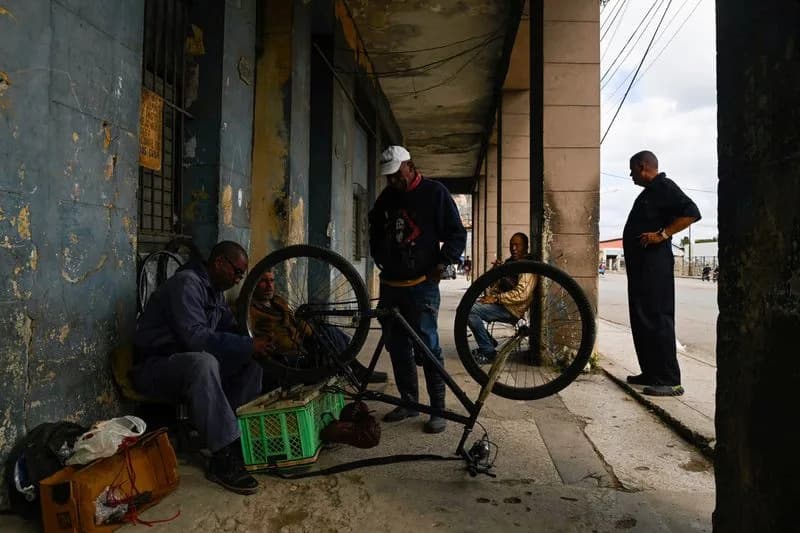
A man fixes a bicycle as Cubans brace for fuel scarcity measures after U.S. tightens oil supply blockade, in Havana, Cuba, February 6, 2026. REUTERS/Norlys Perez
HAVANA, Feb 6 (Reuters) — Cuba on Friday unveiled a broad plan to ration fuel and shield essential public services as the communist-run government resists U.S. measures aimed at cutting off oil shipments to the island.
Priority Supplies For Critical Sectors
Government ministers said the new rules will prioritize fuel for agriculture, education, water supply, health care and national defense to preserve core services amid mounting shortages of food, fuel and medicine.
Commerce Minister Oscar Perez-Oliva set a defiant tone as he outlined the measures, stressing the state will continue to supply fuel to tourism and export sectors — including the cigar industry — to maintain foreign-exchange earnings that fund other essential programs.
"This is an opportunity and a challenge that we have no doubt we will overcome. We are not going to collapse," Perez-Oliva said on a television news program.
Transport, Ports And Flights
Officials said domestic and international flights will not be immediately affected by the rationing. However, motorists should expect reduced availability at pumps until supplies stabilize. The government also pledged to protect ports and ensure fuel for domestic transportation to keep import and export operations functioning.
Food, Energy And Farming Plans
To bolster food security, the government announced an ambitious plan to plant 200,000 hectares (about 500,000 acres) of rice to meet a substantial share of domestic demand. Perez-Oliva acknowledged that fuel constraints will accelerate the shift to renewable energy for irrigation and increase use of animal traction for fieldwork.
Education And Health Priorities
Education Minister Naima Ariatne said infant-care centers and primary schools will remain open for in-person learning. Secondary schools and universities will adopt hybrid models, with arrangements varying by region and institution to allow flexibility.
Health services will be protected with special emphasis on emergency care, maternity wards and cancer treatment programs, officials added.
The government framed the measures as necessary to protect the country's most vulnerable services while preserving the foreign exchange needed to navigate tighter external energy supplies.
(Reporting by Dave Sherwood; Editing by Rosalba O'Brien and William Mallard)
Help us improve.