The U.S. announced $6 million in additional humanitarian aid for Cuba, focused on communities in the hurricane-affected eastern provinces and to be distributed by the Catholic Church and Caritas. State Department official Jeremy Lewin said embassy staff will monitor delivery and accused Cuba’s leadership of diverting resources to a small elite while spending abroad. Cuban President Miguel Díaz-Canel called U.S. measures an "energy blockade," linked them to fuel shortages and said sanctions cost the country an estimated $7.5 billion between March 2024 and February 2025. He promised fuller details within a week and said Cuba is open to talks under conditions that respect its sovereignty.
U.S. Pledges $6 Million in Aid to Eastern Cuba as Havana Calls It an "Energy Blockade"
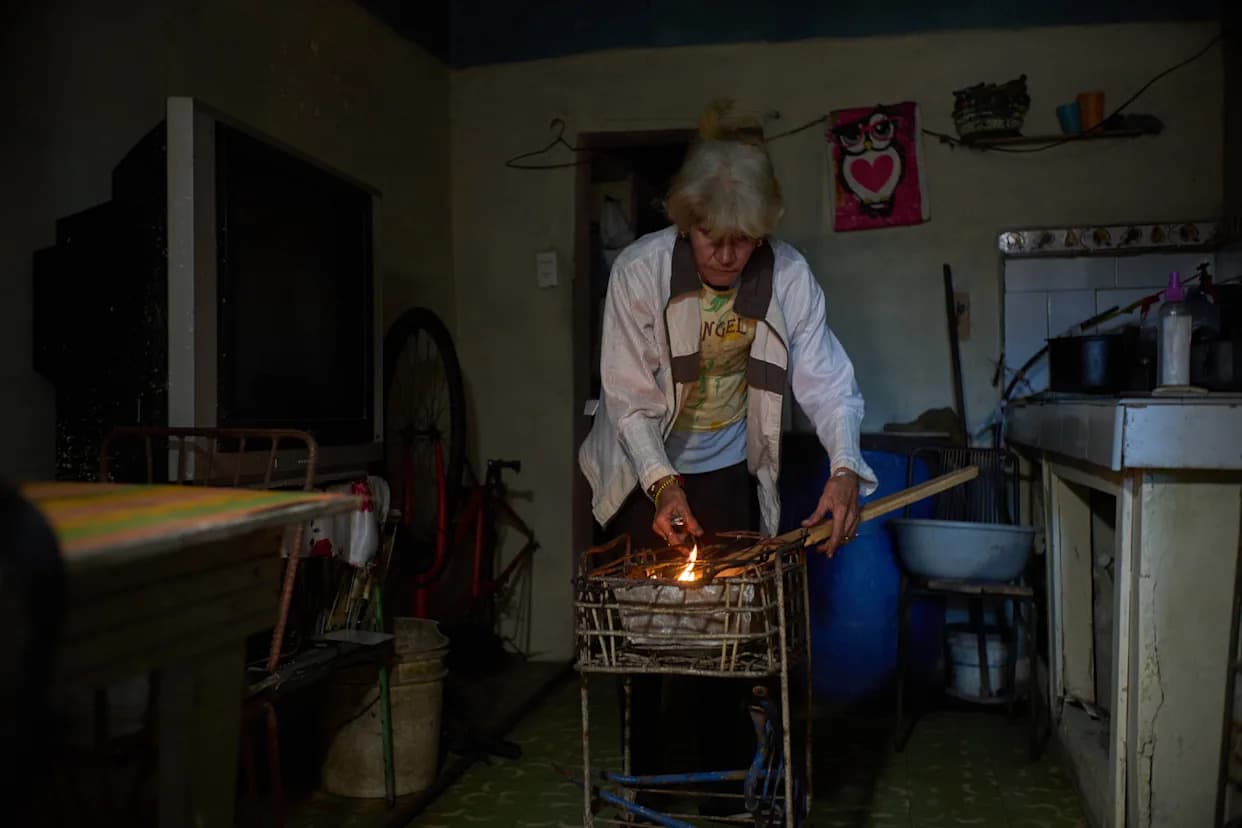
Minorkys Hoyos Ruiz lights coals to cook dinner during a scheduled blackout to ration energy in Santa Cruz del Norte, home to one of Cuba’s largest thermoelectric plants, late afternoon Tuesday, Feb. 3, 2026. (AP Photo/Ramon Espinosa)(ASSOCIATED PRESS)
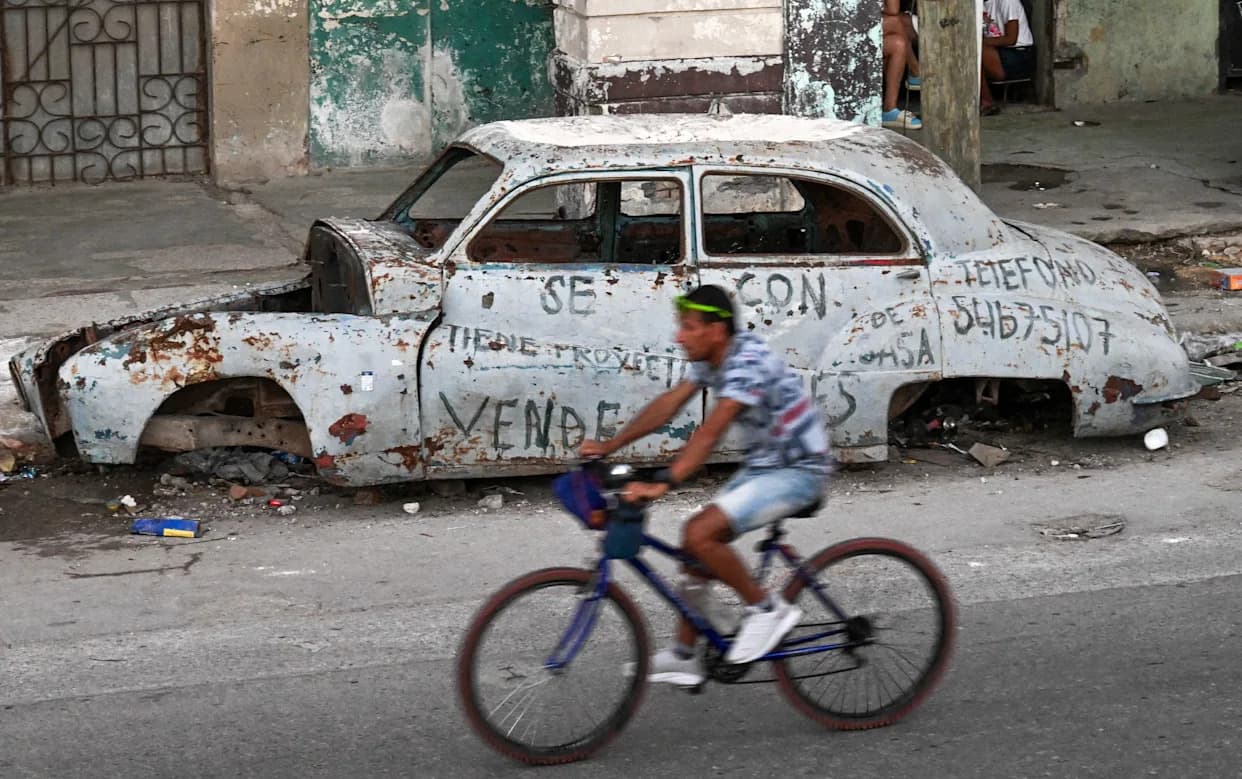
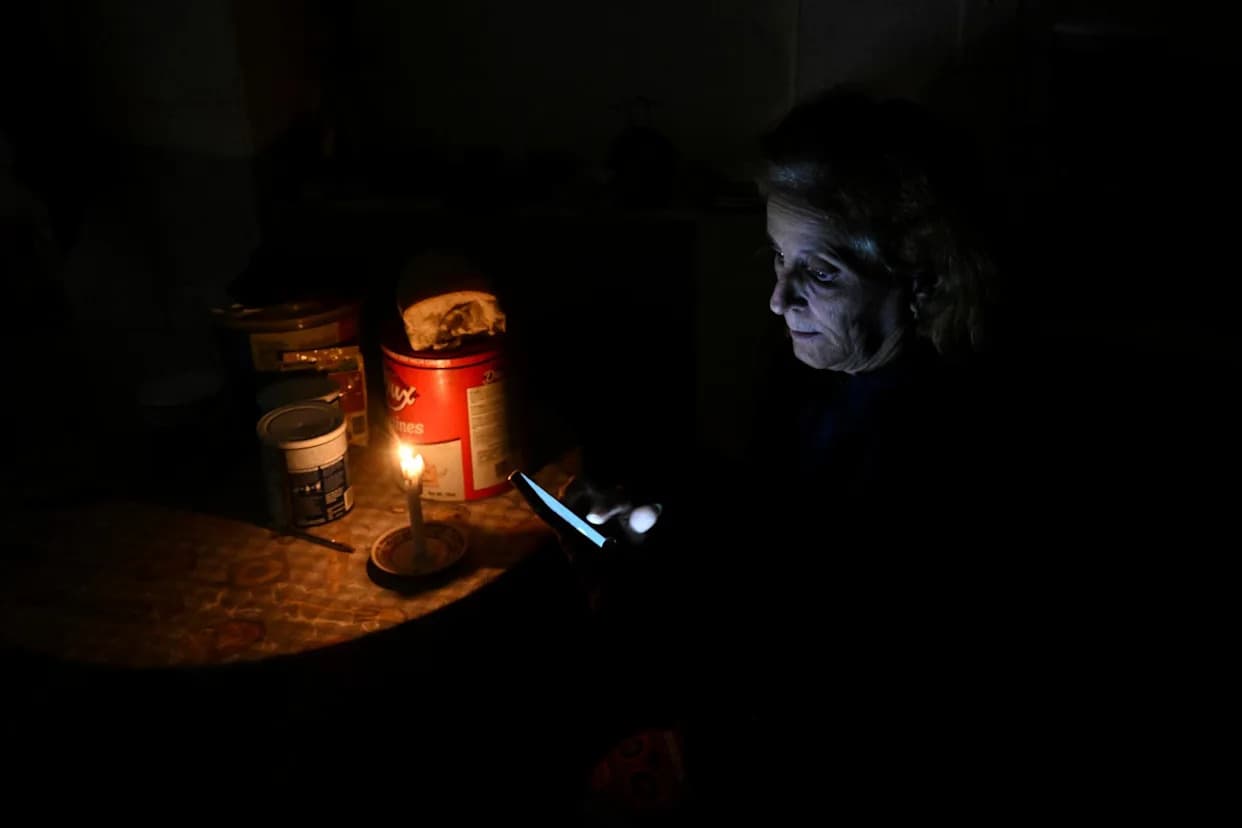
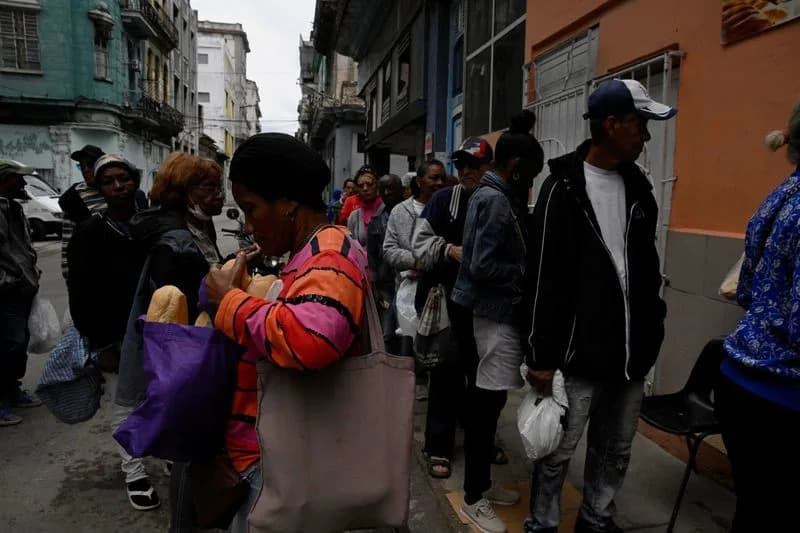
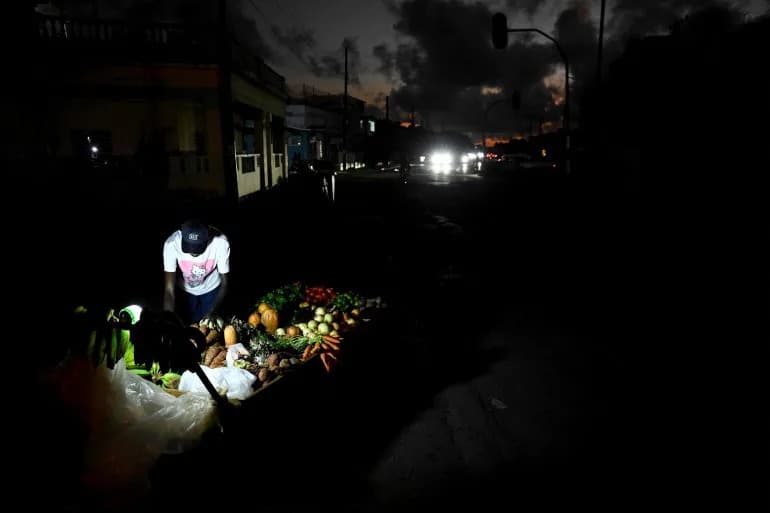
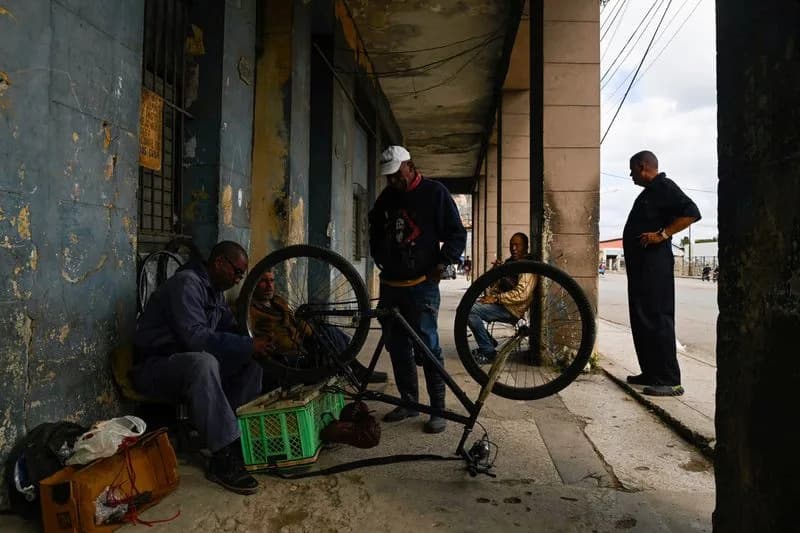
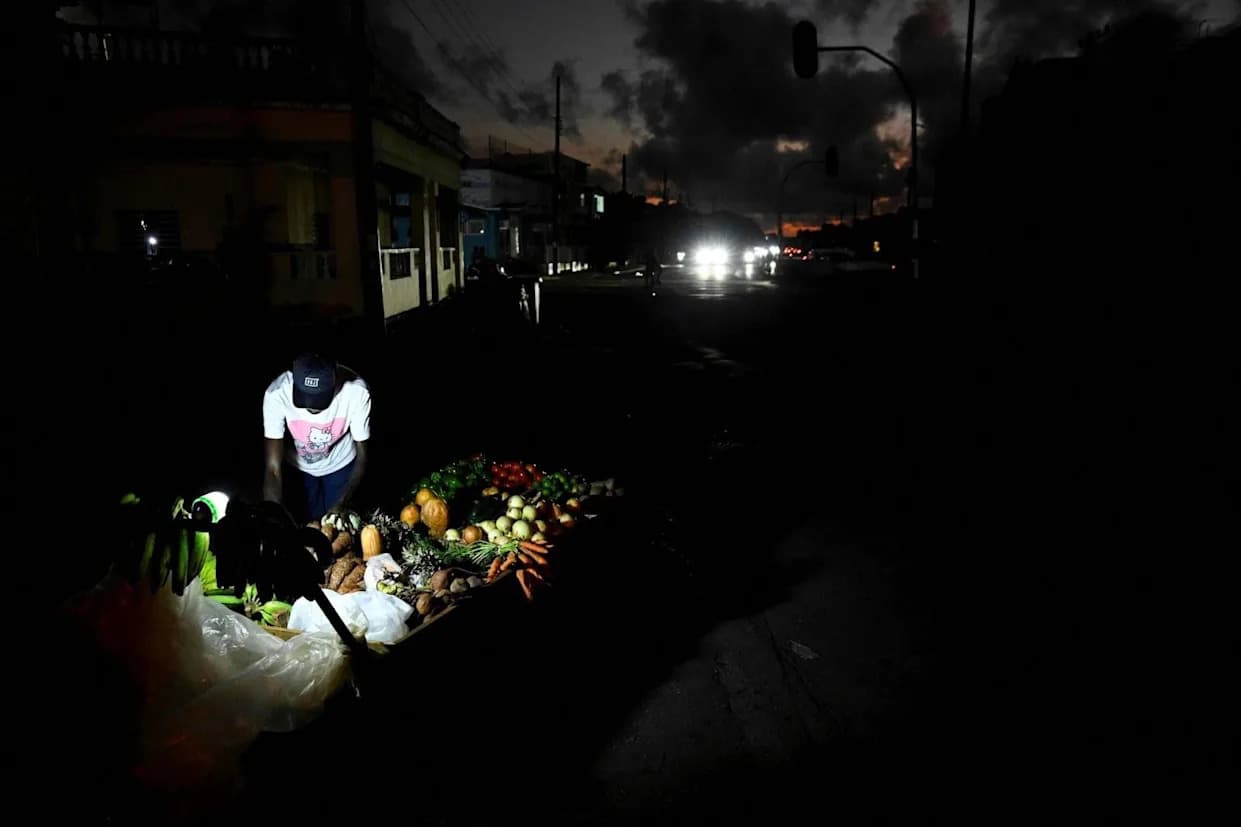
San Juan, Puerto Rico — The U.S. government on Thursday announced an additional $6 million in humanitarian assistance for Cuba as the island struggles with fuel shortages, power outages and the lingering effects of Hurricane Melissa. The package is aimed primarily at communities in eastern Cuba, one of the hardest-hit regions.
Aid Package and Distribution
According to U.S. Department of State senior official Jeremy Lewin, the shipment will include rice, beans, pasta, canned tuna and solar lamps. Delivery will be coordinated through the Catholic Church and Caritas, with U.S. embassy staff in Cuba monitoring distribution on the ground to reduce the risk that the aid will be seized, diverted or politicized.
U.S. Position and Comments
Lewin said the announcement builds on a prior U.S. disaster-relief disbursement of $3 million for people affected by Hurricane Melissa. He rejected the idea that a halt in Venezuelan oil shipments is solely to blame for Cuba's humanitarian problems, saying the Cuban leadership has for years prioritized resources for a small political and security elite while spending abroad.
"They have billions of dollars, but they don't use it to buy food for ordinary Cubans," Lewin said, adding that more U.S. assistance could follow if Havana permits broader cooperation with aid organizations.
Havana's Response
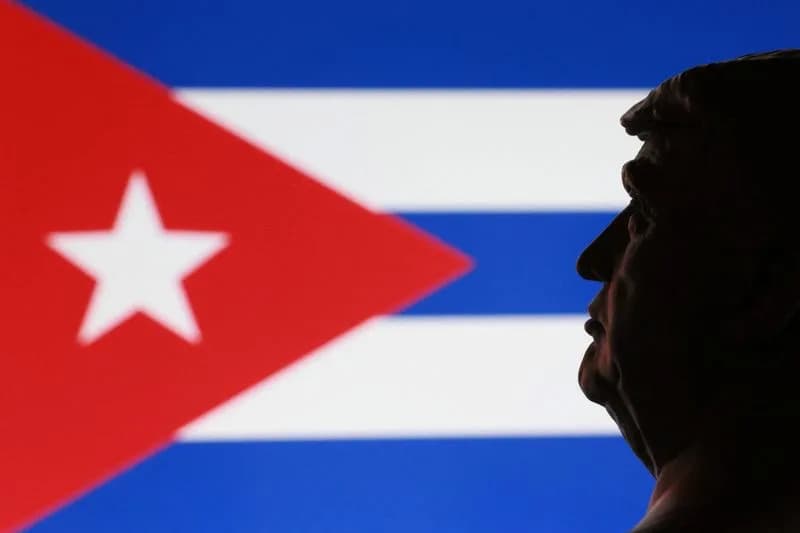
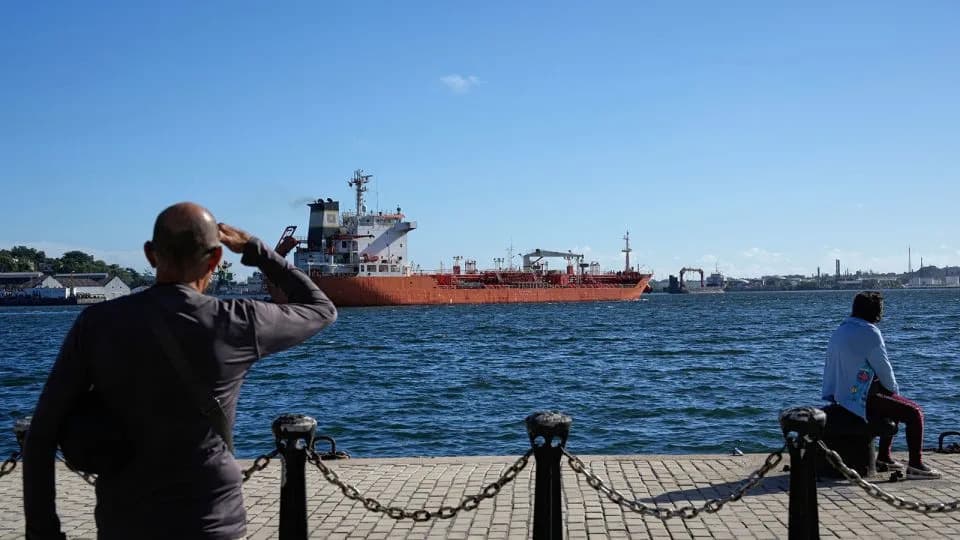
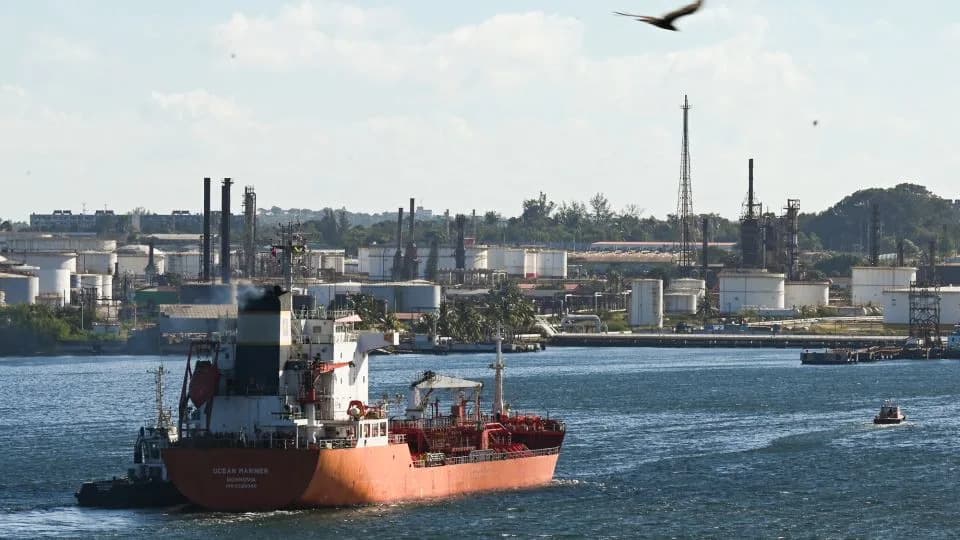
Cuban President Miguel Díaz-Canel, speaking at a rare, invitation-only press conference that excluded some international media, described what he called a "psychological war" against Cuba. He characterized a recent threat by U.S. President Donald Trump to impose tariffs on countries supplying oil to Cuba as an "energy blockade," and said such actions have real consequences for transportation, hospitals, schools, tourism and food production.
Díaz-Canel also said Cuban officials report no oil shipments since Washington began what Havana calls a "naval blockade" affecting Venezuela in December, a claim he tied to fuel shortages that have hampered electricity generation and other essential activities. Cuban authorities estimate that U.S. sanctions cost the country more than $7.5 billion between March 2024 and February 2025; that figure was cited by Cuban officials and should be read as the government's estimate.
Outlook
Díaz-Canel pledged to release more detailed information within a week about the island's situation and the government's plan to respond. He reiterated that Cuba is open to dialogue with the United States but only under conditions that respect Cuban sovereignty and avoid what Havana considers interference in internal affairs.
Lewin urged Cuban leaders to focus on delivering for their people rather than issuing rhetorical threats, saying any government’s primary responsibility is to provide for its citizens.
Context: The new $6 million aid announcement comes amid heightened tensions between the two governments and continuing humanitarian strains inside Cuba. The U.S. says its aid aims to reach vulnerable Cubans directly through trusted humanitarian channels.
Help us improve.