President Trump publicly endorsed foreign leaders including Japan's Sanae Takaichi and Hungary's Viktor Orbán—moves that break with the long-standing norm of U.S. presidential restraint. Such endorsements risk souring relations, encouraging reciprocal interference in U.S. politics, and producing unintended long-term consequences, as past episodes involving Israel and Russia illustrate. Given America's military and intelligence reach, presidents should exercise caution and avoid public endorsements of foreign candidates.
Why U.S. Presidents Should Avoid Endorsing Foreign Political Candidates
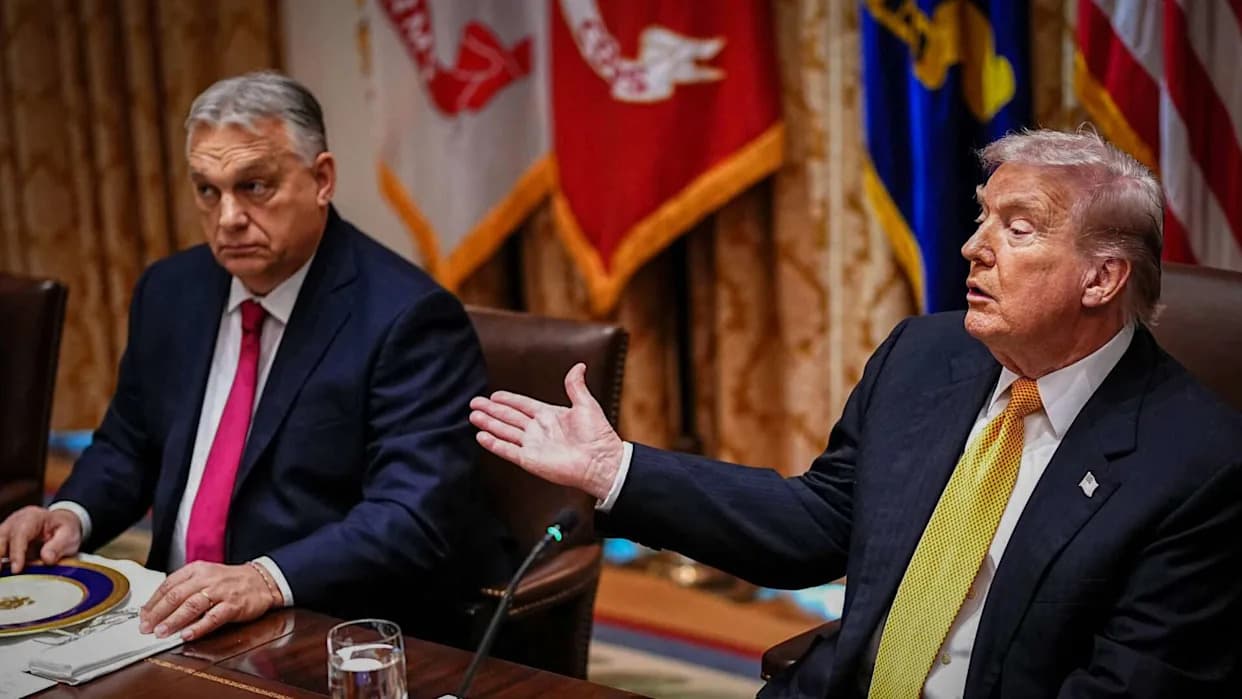
American Presidents Shouldn't Endorse Foreign Political Candidates
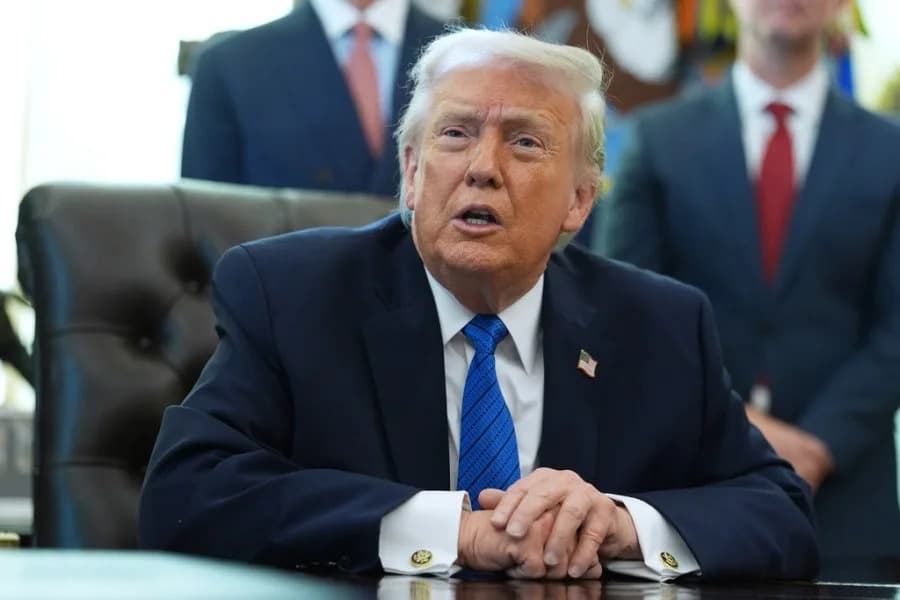
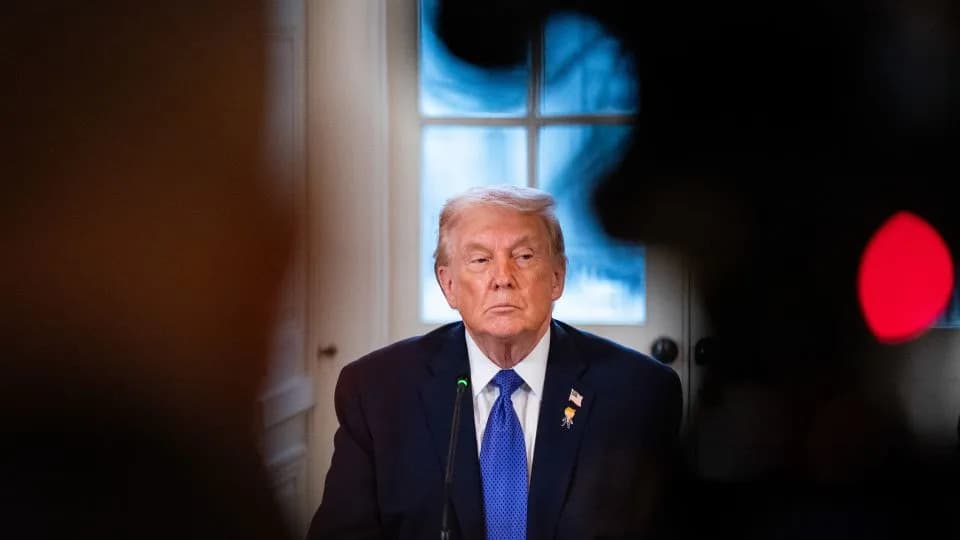
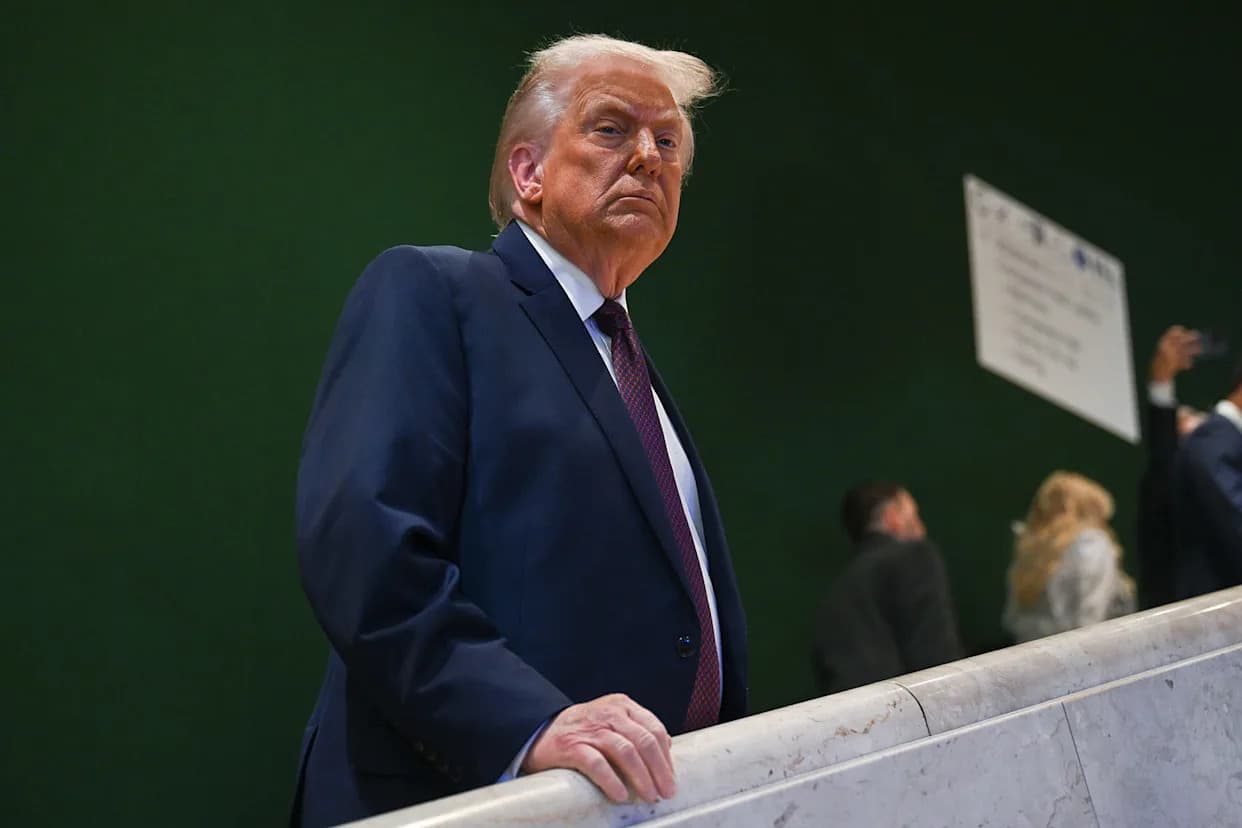
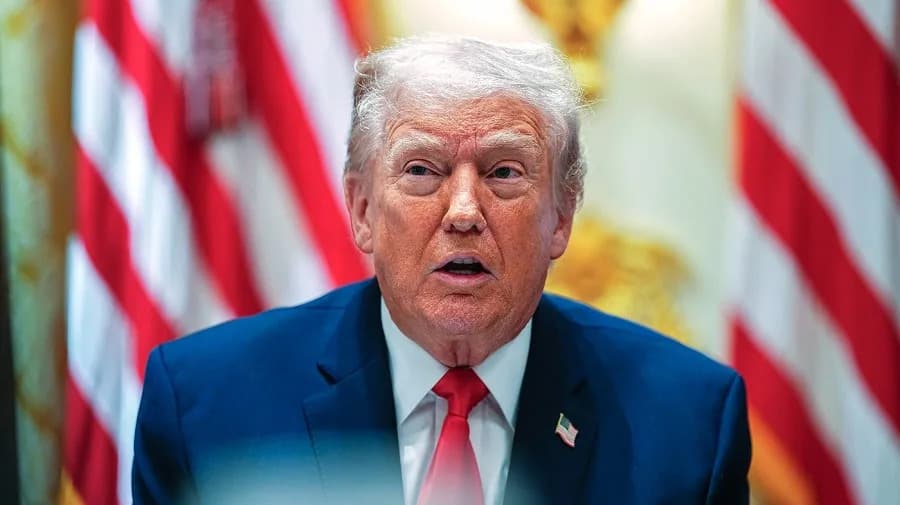
President Donald Trump recently took the unusual step of publicly endorsing foreign leaders running in other countries' elections—most notably Japan's Sanae Takaichi and Hungary's Viktor Orbán. These explicit endorsements, made on social media and in public statements, join prior endorsements by Trump of Argentina's Javier Milei and Honduras's Nasry Asfura.
Why this matters: Historically, U.S. presidents have avoided declaring preferences in competitive foreign elections. Open endorsements can strain bilateral relations, invite reciprocal meddling, undermine perceived U.S. impartiality, and create unintended long-term consequences for the endorsed leaders and for regional stability.
Recent Endorsements And Reactions
On Truth Social, ahead of Japan's snap election, Trump praised Prime Minister Sanae Takaichi, calling her deserving of "powerful recognition" and offering his "Complete and Total Endorsement" of her and her coalition. He soon repeated a similar endorsement for Hungary's Viktor Orbán, describing Orbán as "a truly strong and powerful leader" who delivers results on migration, the economy and law and order.
"Viktor Orbán is a true friend, fighter, and WINNER, and has my Complete and Total Endorsement for Re-Election as Prime Minister of Hungary — HE WILL NEVER LET THE GREAT PEOPLE OF HUNGARY DOWN!"
These statements have raised concerns among diplomats and foreign-policy observers, who warn that such public partiality can complicate diplomacy and encourage reciprocal interference in U.S. politics.
Historical Lessons
There are notable precedents demonstrating the risks of overt intervention. During the Obama administration, a State Department grant of roughly $350,000 to an organization that later contributed to an "anyone but Bibi" campaign provoked bipartisan criticism and intensified Israeli prime minister Benjamin Netanyahu's alignment with opponents of the administration.
Another illustrative episode is U.S. involvement in Russia's 1996 election. Efforts to keep Boris Yeltsin in power—partly to prevent a Communist comeback—have been argued to contribute to political conditions that helped Vladimir Putin consolidate power. Those outcomes underscore how short-term geopolitical calculations can produce long-term, unintended consequences.
Conflicts Of Interest And Reciprocal Pressure
Public endorsements personalize contests and create clear stakes for the endorser. That can generate conflicts between personal, partisan or transactional interests and broader U.S. policy objectives. Critics point to examples from Trump's recent interventions—economic actions that aided Javier Milei's prospects and controversial pardons and moves connected to Honduran politics—as evidence of tangled motives and consequences.
Americans also tend to reject foreign interference at home. When U.S. leaders openly back foreign contenders, it makes reciprocal foreign endorsements of U.S. candidates more likely, further eroding norms against external meddling in elections.
Why Restraint Serves U.S. Interests
Given America's unparalleled military and intelligence power and a national-security apparatus capable of deep intervention, adding explicit political endorsements to that toolkit materially raises the risks of destabilizing outcomes. For reasons of diplomatic leverage, democratic norms, and long-term stability, U.S. presidents are generally better served by exercising restraint when it comes to publicly endorsing foreign political candidates.
Bottom line: Endorsements by sitting or powerful former U.S. presidents can ripple far beyond a single election—affecting bilateral ties, fueling domestic backlash in the targeted country, and inviting tit-for-tat interference. Prudence and long-term strategic thinking argue for avoiding such public interventions.
Help us improve.