Summary: President Trump’s public attacks on Republicans who dissent from him are intensifying a GOP civil war that may benefit Democrats in the midterms. While Trump’s endorsements can determine primary outcomes, they can also make nominees less competitive in general elections. The piece argues Democrats should unite behind centrist, voter-focused policies—on health care, consumer costs, housing and taxes—to capitalize on Republican infighting.
Trump’s Public Feuds With GOP Critics Could Help Democrats Flip Congress
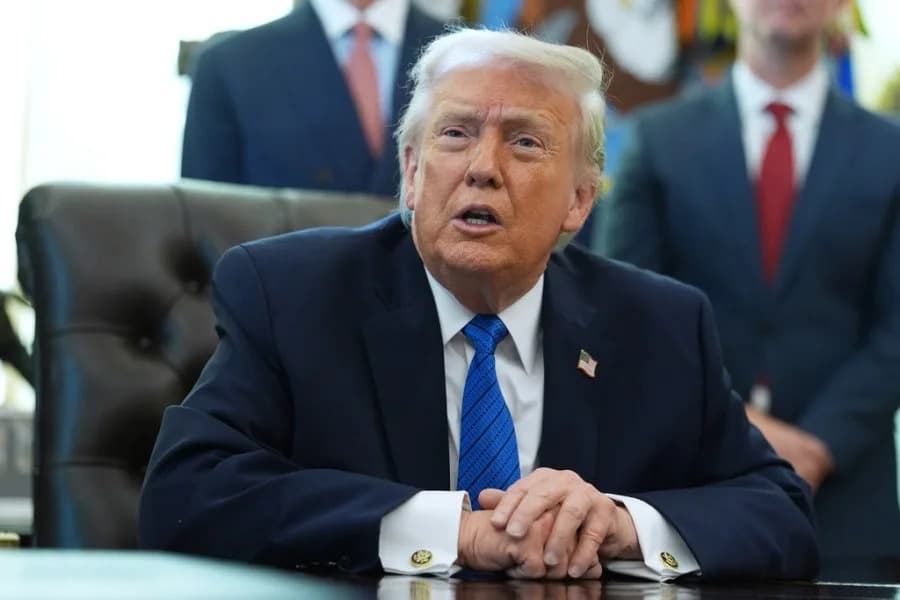
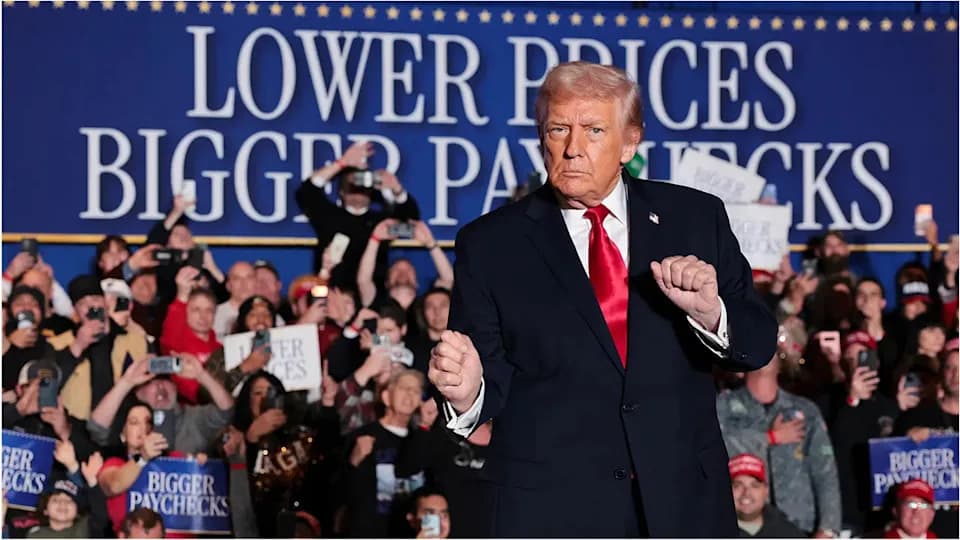
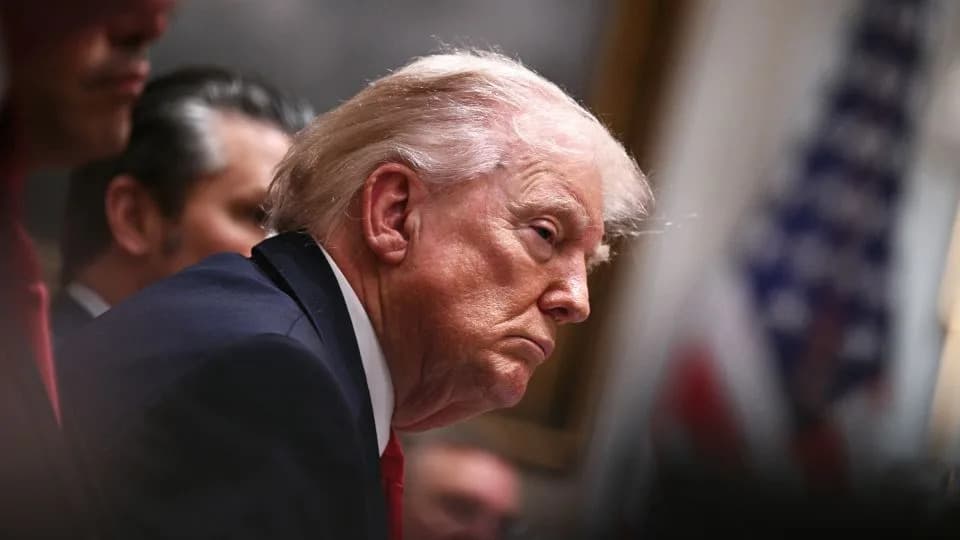
President Donald Trump’s repeated public attacks on Republicans who dissent from him are deepening intra-party conflict and creating opportunities for Democrats heading into the midterm elections. By demanding near-total loyalty and publicly endorsing primary challengers to those who break with him, Trump risks forcing costly partisan battles that can weaken Republican nominees in general elections.
Trump’s Tactics: Trump frequently uses Truth Social and public statements to brand critics as “RINOs” or traitors and to promote primary opponents. This campaign of intimidation pressures lawmakers to conform even when doing so may hurt their constituents or clash with local political realities. Endorsements from Trump often decide Republican primaries, but they can also energize anti-Trump voters and independents in general elections.
Examples And Evidence
Some high-profile GOP officials who have broken with Trump have faced sharp rebukes and threats of primary challenges. Sen. Bill Cassidy (R-La.), for example, was one of the seven Republican senators who voted to convict Trump in his second impeachment trial; Trump publicly criticized him and signaled support for challengers. Other Republicans who voted against or wrestled with Trump-aligned policies have likewise faced public rebuke.
Academic research supports the idea that Trump’s endorsements can carry electoral costs. A study published in Legislative Studies Quarterly found that, in the 2018 midterm elections, Trump-backed candidates may have cost Republicans several seats in the House and Senate, suggesting endorsements that help in primaries can be liabilities in general elections.
Political Consequences
When incumbents and challengers pour resources into contested primaries, the party as a whole can be weakened for the general election. Escalating intra-party fights also risk elevating more extreme or single-issue candidates whose appeal may be limited in a statewide or national contest. If Republican infighting continues, Democrats could have an opening to win control of the House and Senate—especially if they unite behind pragmatic, centrist nominees who appeal to swing voters.
How Democrats Could Capitalize
The author argues Democrats can make gains by focusing on bread-and-butter issues: lowering health-care and prescription costs, rolling back tariffs that raise consumer prices, expanding housing supply and college affordability, and proposing tax reforms that target very high earners. Campaigns that emphasize practical solutions and paint a contrast with what voters see as chaotic or punitive governance may attract independents and moderate Republicans.
Foreign Policy And Governance: Democrats can also stress a steadier, alliance-based foreign policy and pledge to avoid the kinds of unilateral, headline-grabbing adventures that alienate allies and moderate voters. Messaging that emphasizes restoring democratic norms and depoliticizing institutions could further broaden their appeal.
Bottom Line: Trump’s strategy of publicly punishing Republican critics strengthens internal GOP divisions and could help Democrats if they run unified, policy-focused campaigns that target the concerns of ordinary voters.
About the author: A. Scott Bolden is an attorney, a NewsNation contributor, former chair of the Washington, D.C. Democratic Party, and a former New York state prosecutor.
Help us improve.