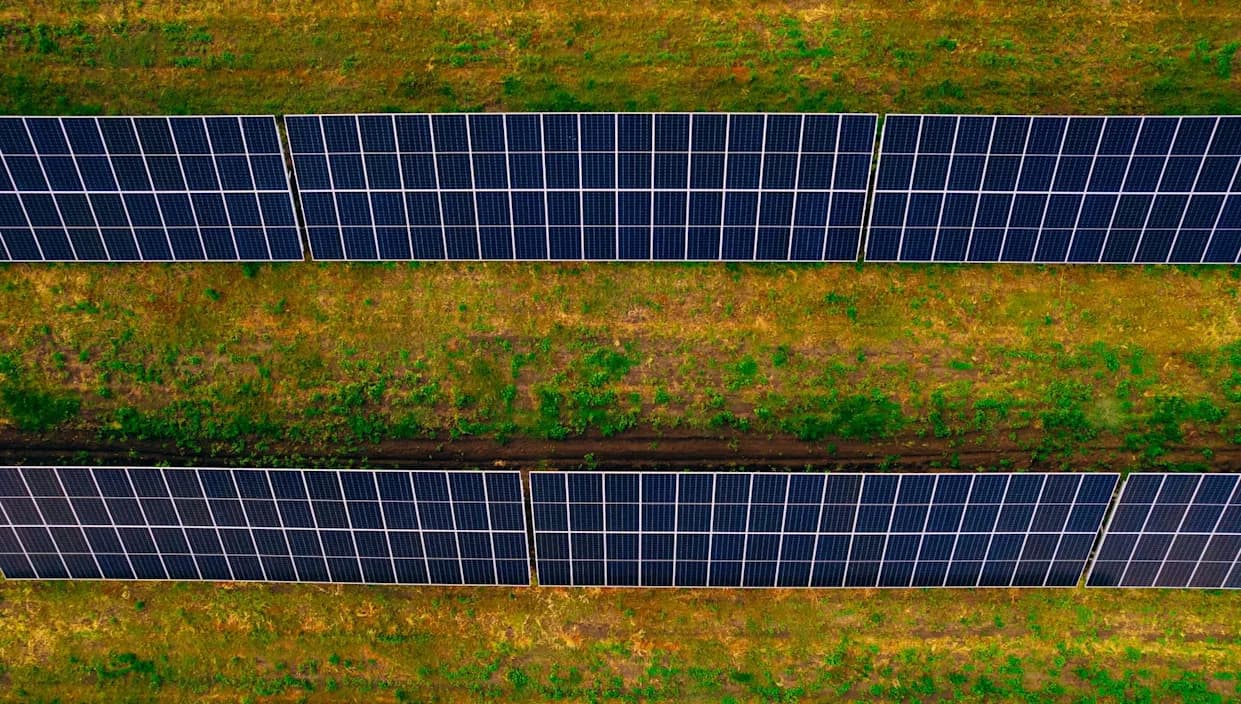
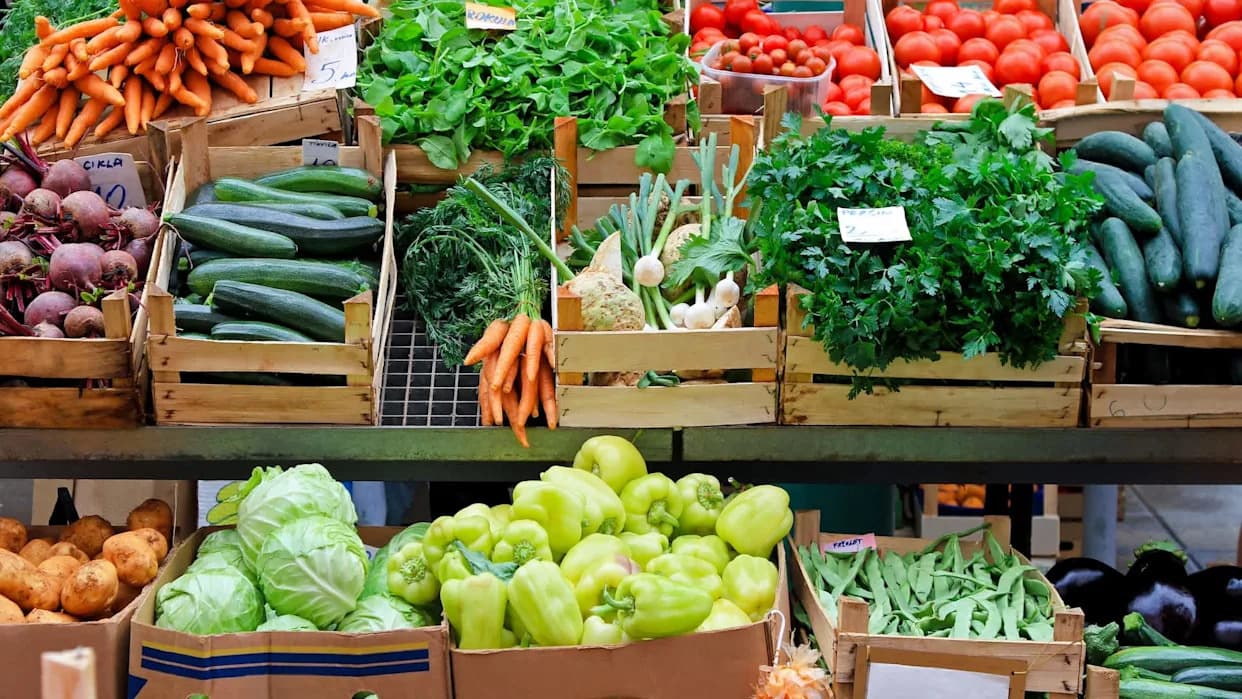
Agrihoods place a functioning farm at the center of housing developments to strengthen food security, cool neighborhoods, capture stormwater and boost biodiversity. California examples in Santa Clara and Encinitas demonstrate potential benefits and pitfalls: water capture systems, crop selection and professional management are critical. Scaled urban agriculture could significantly supplement city vegetable supplies, but upfront costs, zoning changes and long-term funding remain major hurdles.
Agrihoods: Can Neighborhoods Built Around Farms Make Cities More Resilient?

Imagine a quaint, fairy-tale town — centuries-old buildings clustered around a market square, with fields stretching beyond the walls where residents grow grain, fruit and vegetables for the community. Flip that medieval layout to the present day and you have the idea behind “agrihoods”: residential developments organized around a productive, working farm. Like an urban garden, agrihoods promise to strengthen food security, cool neighborhoods, capture stormwater and boost biodiversity. As climate change increases heat, flooding and stress on food systems, proponents argue agrihoods can make city living more resilient, not merely more picturesque.
How Agrihoods Work
At their simplest, agrihoods place a functioning farm at the center of single- or multi-family housing. Architectural firm Steinberg Hart recently completed two California projects: one in Santa Clara (south of San Francisco) and Fox Point Farms in Encinitas (north of San Diego). The Santa Clara site blends townhouses, market-rate and affordable units, a community center and retail; Fox Point Farms adds a farm-to-table restaurant, an event venue and a grocery store, with most housing for sale. “Two different housing programs for two different communities, but built around the sustainability of urban farming,” said Vincent Mudd, a Steinberg Hart partner.
“Developers have a hard time offering open space, because they would like to build more housing. One of the few ways to bridge that gap is to use active open space that actually generates commerce.” — Vincent Mudd, Steinberg Hart
Water, Crops and Practical Challenges
Logistics — especially water — determine whether an agrihood will thrive. Northern California’s Mediterranean climate allows the Santa Clara farm to capture rainwater in a storage tower, which can meet much of the summer irrigation demand and only auto-refill from the city supply when needed, according to Lara Hermanson of Farmscape, which helped design and maintain the farm. But rainwater systems require upfront investment, and during prolonged droughts communities must pay for supplemental water — a burden that can fall hardest on lower-income residents who most need food security.
Because neighborhood farms occupy far less space than industrial operations, crop choice focuses on yield and turnover. sprawling plants like pumpkins are often impractical. In Santa Clara, Hermanson prioritizes Persian cucumbers, cherry tomatoes and hot peppers; at Fox Point Farms, manager Greg Reese targets fast-turnover, high-value greens like arugula that can be harvested and replanted quickly and that sell well to the on-site grocery and restaurant.
Climate and Biodiversity Benefits
Urban farms break up heat-absorbing concrete and asphalt, helping to cool neighborhoods through evapotranspiration and shade — a local counter to the urban heat island effect. Vegetated open spaces also allow more rain to soak into the soil, reducing runoff and flood risk when intense storms overwhelm traditional drainage systems. Planting native flowering species and crop blossoms supports pollinators, hummingbirds and bats, which boosts local biodiversity and can even help control pests like mosquitoes.
Money, Management and Community Expectations
Agrihoods can create commerce and jobs, but they also require careful planning: refrigeration and storage capacity, distribution channels (farmstands, grocery outlets or restaurant supply), labor budgets and long-term maintenance plans. “Successful farms are well-funded, well-staffed,” Hermanson said. Clear expectations and transparent budgets help communities understand what the development will deliver.
Not all implementations are trouble-free: last year residents at the Santa Clara agrihood alleged management failures that left some living in unsafe or unhealthy conditions, citing delayed repairs and poor indoor air quality. Building managers and owners did not respond to requests for comment about those claims.
Scale And Potential Impact
While an agrihood is unlikely to supply all household calories, the produce it yields is nutrient-dense and can meaningfully supplement local food systems. One study found that converting vacant lots in Los Angeles to gardens could meet roughly one-third of the city’s vegetable needs. With intentional planning, targeted crop choices and sustained funding, scaled urban agriculture could materially improve city food resilience.
Bottom line: Agrihoods offer a promising hybrid of housing, commerce and green infrastructure, but their success depends on good design, realistic budgets, reliable water strategies and professional management.
Originally published by Grist as “What happens when a neighborhood is built around a farm” on Feb 6, 2026.
Help us improve.