At the City Dialogues in Vienna (summer 2025), 100+ leaders reframed urban resilience as more than preparedness: cities should be regenerative (replenishing ecological and social systems), restorative (prioritizing residents’ well‑being) and sensitive (listening to lived experience). Examples include New York’s post‑Sandy coastal work, Los Angeles’ heat action plan and projects like Ecopolis Iowa City and the 15‑minute city. Designing sustainability and equity into city systems makes urban centers stronger, fairer and more future‑ready.
Beyond Resilience: Building Regenerative, Restorative and Sensitive Cities
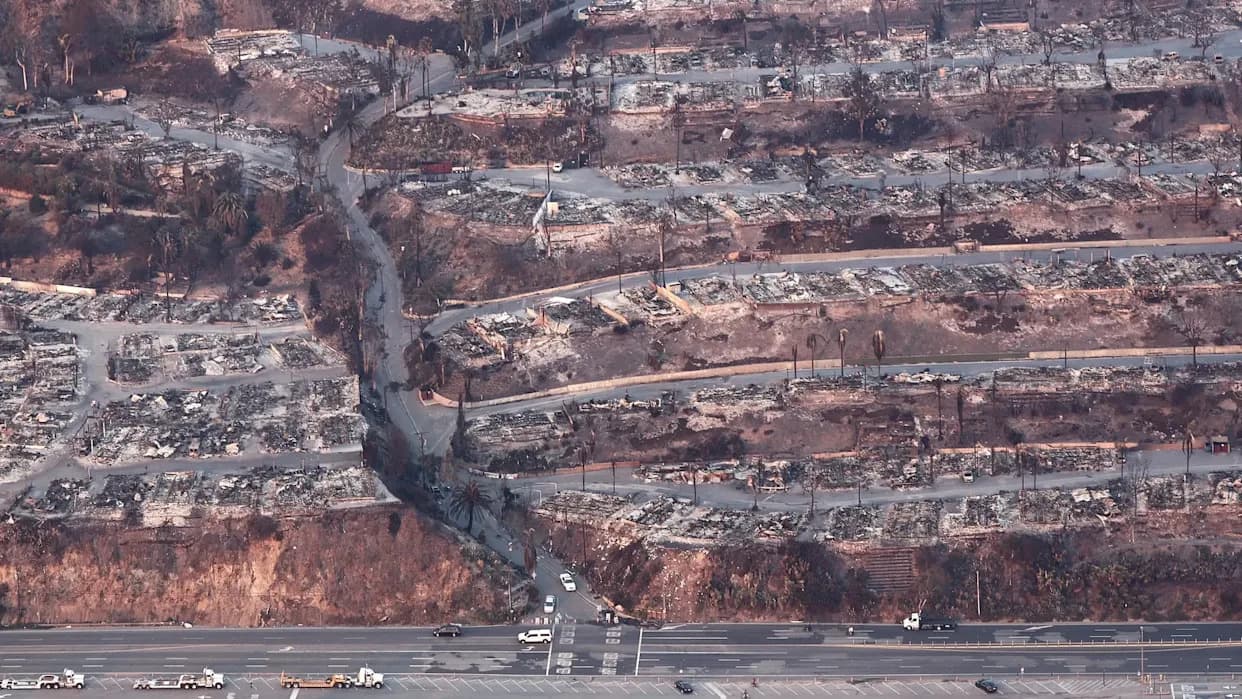
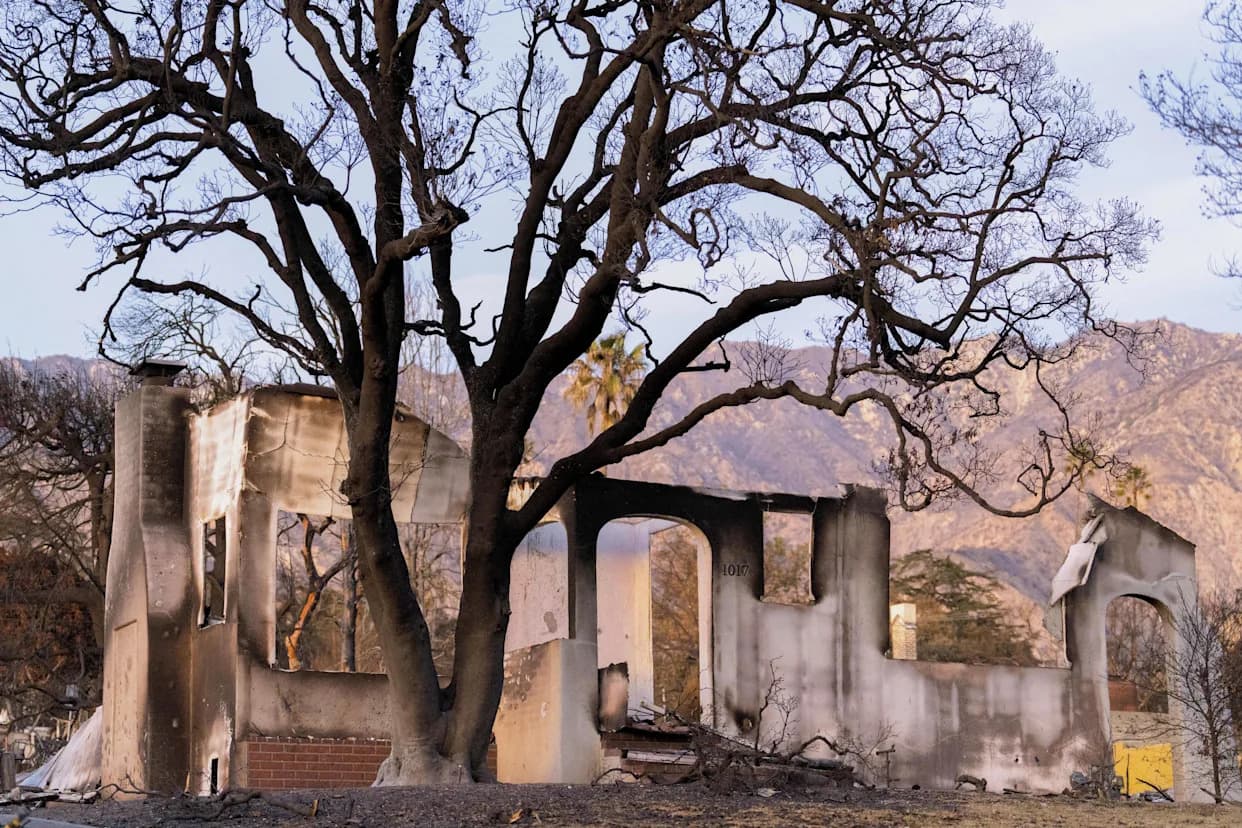
Los Angeles ranks at the top of the Economist Impact’s 2023 Resilient Cities Index, but its preparedness strategies were tested during the wildfires that ravaged the city in January 2025.(Mario Tama via Getty Images)
Lily Kong is president of Singapore Management University and a cultural geographer who studies urban transformation and social and cultural change across Asian cities.
As ecological and economic disruptions complicate urban life worldwide, more than 100 city leaders, scholars and industry partners convened in Vienna in summer 2025 to ask a crucial question: what does it mean for a city to be resilient today?
Resilience Is Necessary — But Not Sufficient
At the City Dialogues event, co-convened by Singapore Management University and Urban Innovation Vienna, participants agreed that resilience is mandatory. Cities must protect residents from shocks and enable them to prosper amid change. Traditionally, resilience has focused on preparedness and recovery — from pandemics to floods — but that narrow view misses important opportunities to renew ecosystems and care for people.
Three Complementary Orientations: Resilient, Regenerative, Restorative
Resilient cities anticipate, adapt and respond to disruption through physical infrastructure, social cohesion and institutional foresight. New York’s coastal defenses following Hurricane Sandy and Los Angeles’ heat action plan show that resilience is as much about planning, governance and coordination as it is about engineering. The Economist Impact's 2023 Resilient Cities Index ranks New York and Los Angeles highly for preparedness across infrastructure, environment, socio‑institutional dynamics and the economy — yet the 2025 wildfires in the Los Angeles region underscored the limits of even well-prepared systems.
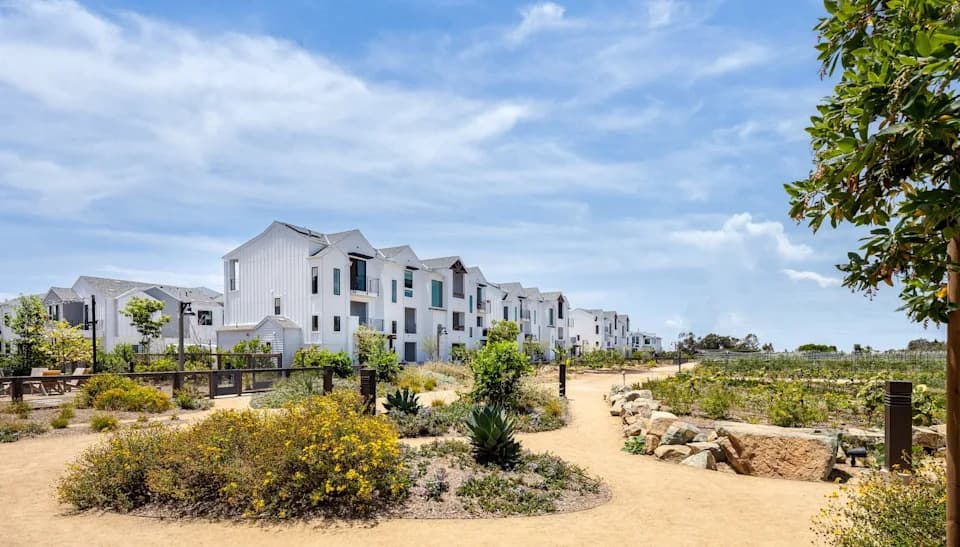
Regenerative cities go beyond bouncing back: they actively replenish depleted ecological and social systems. Initiatives such as the Ecopolis Iowa City project, conceived in the aftermath of major coastal storms, and the 15‑minute city concept illustrate efforts to reimagine urban life, reduce transport emissions and restore local livability.
Restorative cities place people at the center. They prioritize emotional, psychological and social well‑being as essential infrastructure. Researchers at Singapore Management University’s Urban Institute use interdisciplinary approaches to understand how older adults, migrants, caregivers and other groups experience the city. Singapore’s studies on aging in place — enabling older residents to remain in familiar neighborhoods with appropriate supports — show that dignity, social connection and care are as critical to urban futures as roads and data networks.
The Sensitive City: Listening and Equity
Beyond the three Rs, participants named the sensitive city — one that listens. Sensitive cities use data and technology not just to optimize services but to understand how people feel, experience shared spaces and encounter vulnerability. This approach recognizes that resilience without equity can deepen exclusion; listening and empathy must guide urban governance.
Designing Sustainability Into Urban Systems
Embedding sustainability from the start — through green infrastructure, circular-economy thinking and resilient energy systems — shifts sustainability from a retrofit to a design principle. When cities plan for regeneration and restoration up front, they become more self-sustaining and contribute to planetary and community well‑being.
“Resilience is about responding to disruption; regeneration is about replenishing what was depleted; restoration is about caring for people.”
Together, resilience, regeneration, restoration and sensitivity form a coherent agenda: cities that can withstand crises, sustain life and nurture residents. These orientations move urban policy beyond defense and toward purpose — imagining cities as engines of both prosperity and meaning.
Recommended Reading: Accelerator Aims To Strengthen Resilience In The Austin–San Antonio Region.
Help us improve.