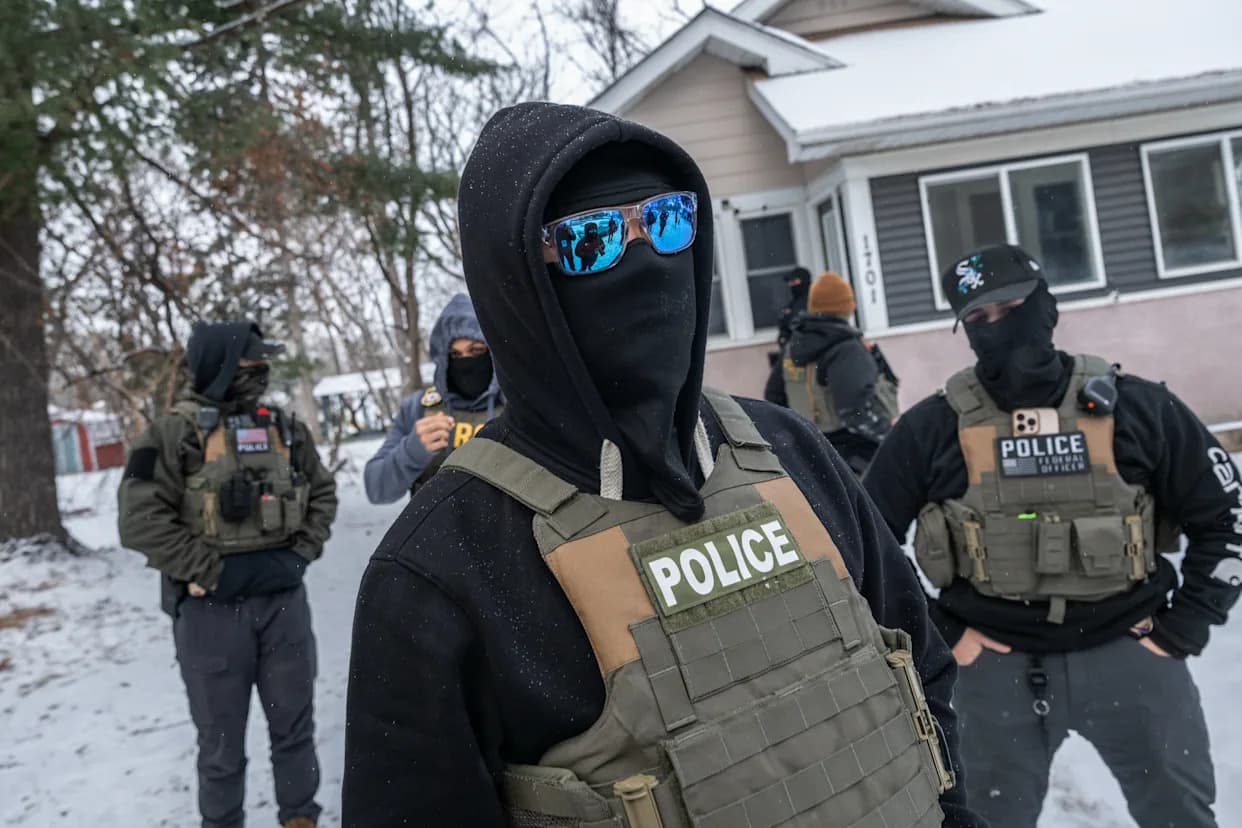
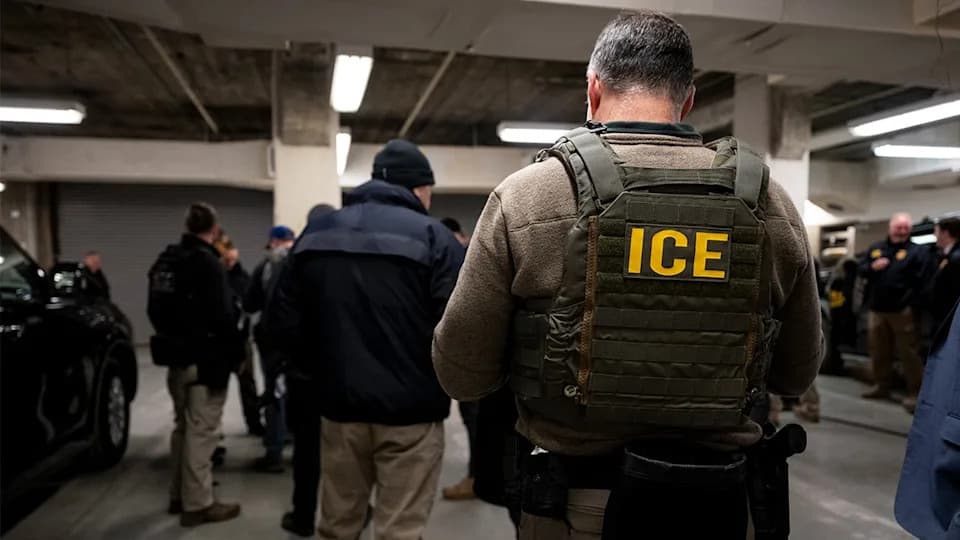
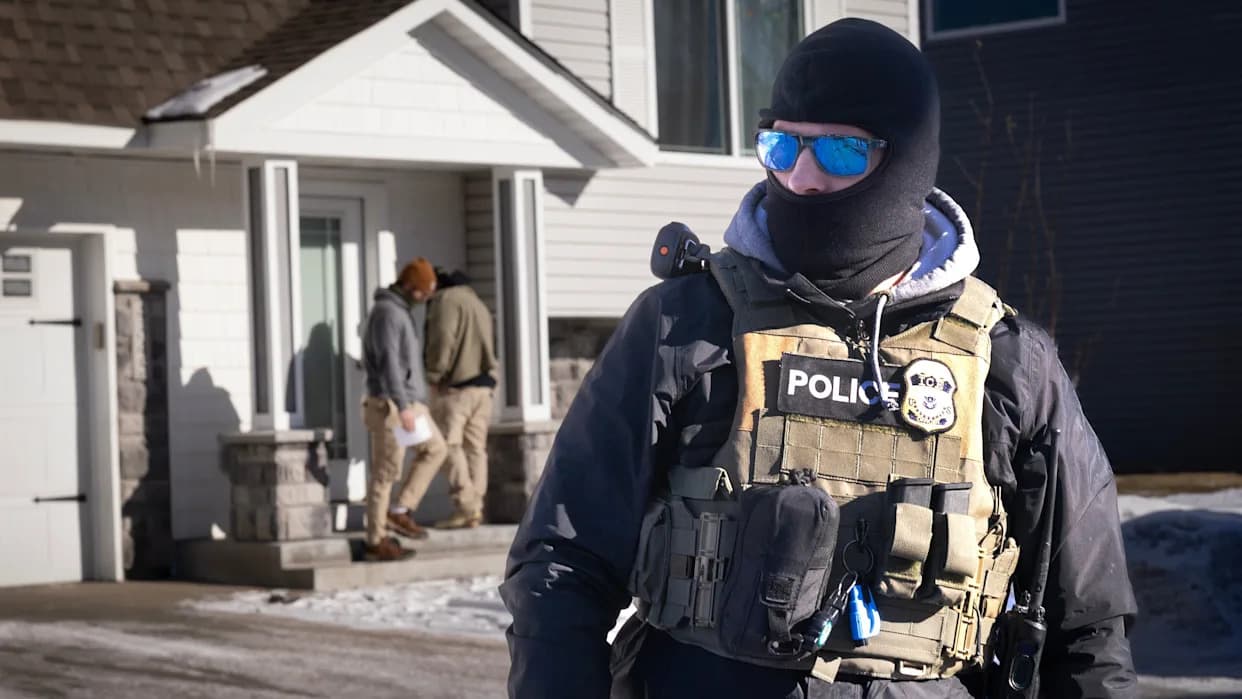
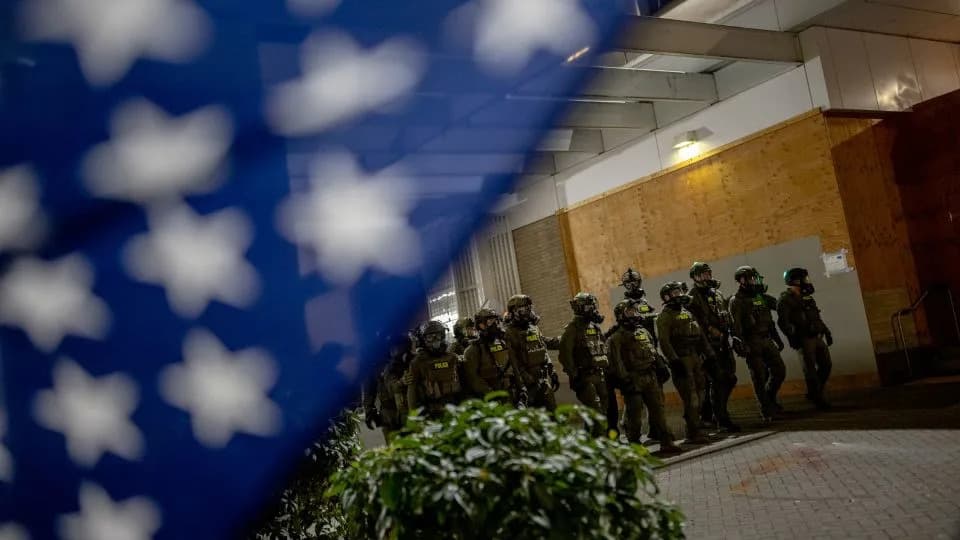
Overview: Speaker Mike Johnson defended ICE's position that agents can use "administrative warrants" signed within the executive branch to enter homes without a judge-signed judicial warrant. The article argues this practice undermines Fourth Amendment protections and notes the Supreme Court's guidance in Lange v. California (2021) that officers must obtain a warrant when no emergency exists. If agents have time for internal approval, they generally have time to obtain a judicial warrant, and the sanctity of the home requires it.
Mike Johnson Backs ICE Use Of 'Administrative Warrants,' Raising Fourth Amendment Alarm

Mike Johnson Wants To Spare ICE the Hassle of Getting the Right Warrant Before Forcibly Entering a Home
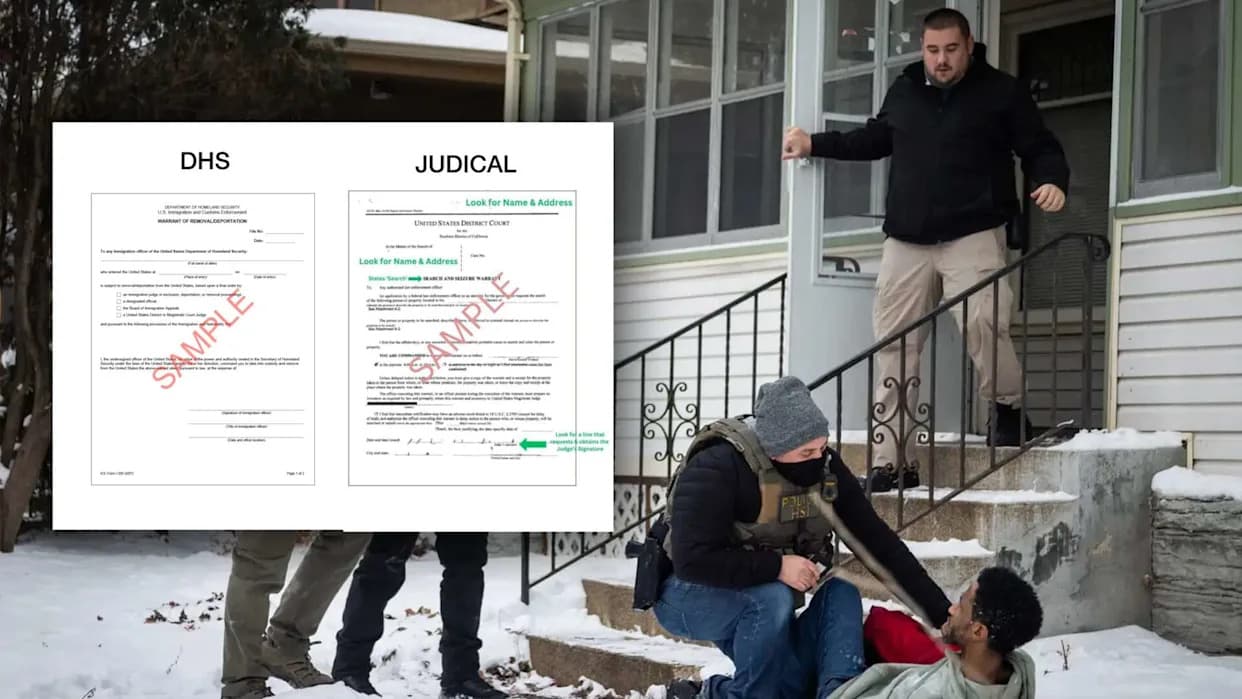
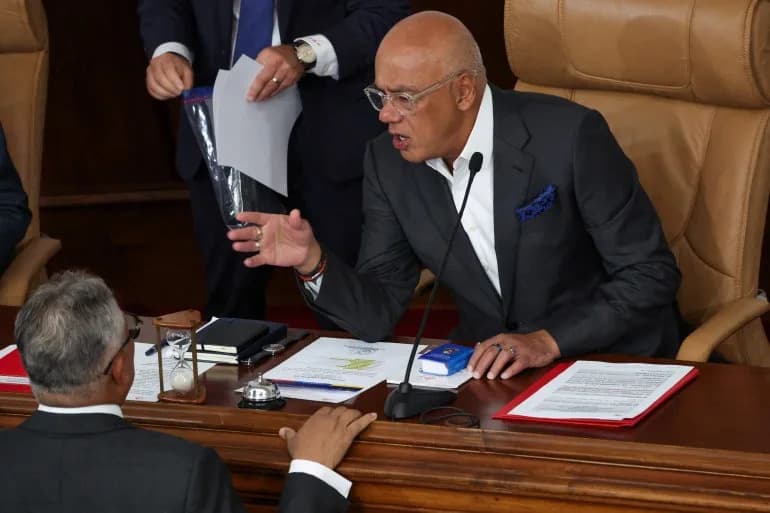
Speaker of the House Mike Johnson drew criticism when he defended U.S. Immigration and Customs Enforcement's (ICE) practice of relying on so-called "administrative warrants" to enter private homes without a judge-signed judicial warrant. Johnson's remark — "Imagine if we had to go through the process of getting a judicial warrant" — framed a constitutional safeguard as an unnecessary administrative burden.
What ICE Is Saying
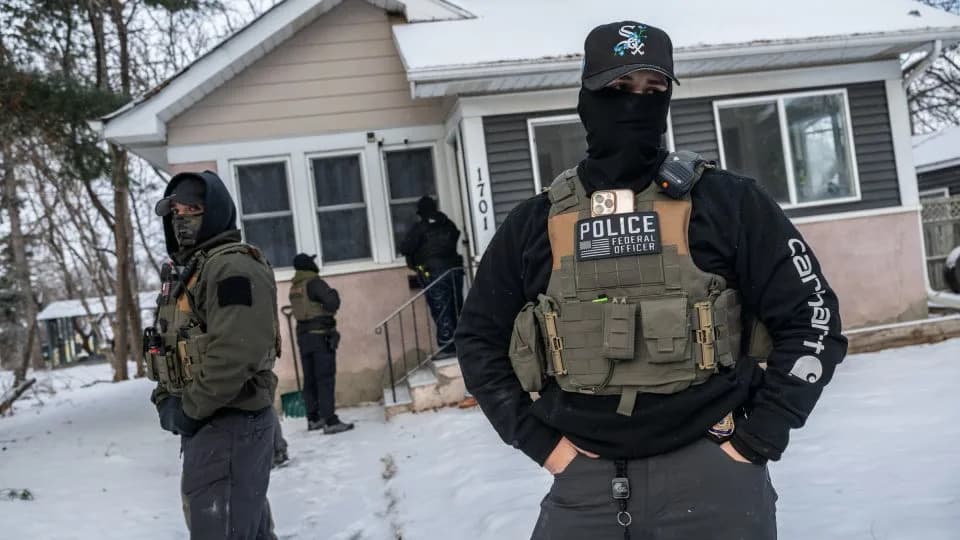
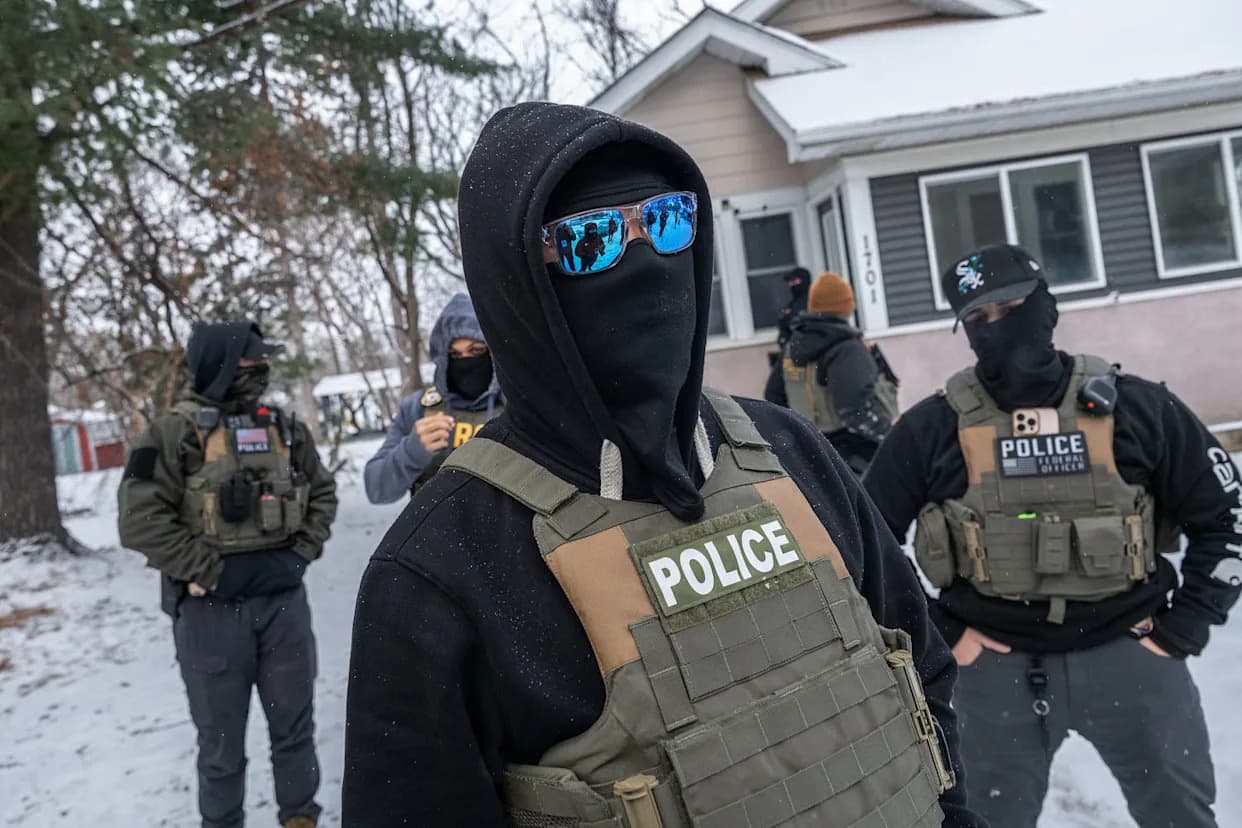
ICE now contends that, in some immigration-enforcement contexts, its agents may lawfully effect forced entry based on an "administrative warrant": a document signed by an official within the executive branch rather than by a neutral magistrate. Critics say that substitute authorizations do not carry the independent judicial review that the Fourth Amendment contemplates.
Why The Warrant Requirement Matters
The general rule in Fourth Amendment law is that law enforcement must obtain a judicial warrant before entering a home, absent a recognized exception. The Supreme Court's decision in Lange v. California (2021) reaffirmed that officers may act without a warrant only when the facts create a genuine emergency — for example, an imminent threat to life or safety — and that when officers have time to seek a warrant they ordinarily must do so.
"When the totality of circumstances shows an emergency — such as imminent harm to others — the police may act without waiting. But when the facts present no such exigency, officers must respect the sanctity of the home, which means they must get a warrant."
The Lange decision also emphasized the deep historical roots of the warrant requirement. The Court quoted 18th-century common-law warnings that entering a person's home without proper authorization intrudes on "the liberty of the subject," a principle that helped shape the Fourth Amendment's protections.
Practical And Constitutional Concerns
If an ICE agent has time to secure internal executive authorization, critics argue that the same interval should permit the agent to seek a judicial warrant from a neutral magistrate. Permitting internal "administrative" approvals to substitute for judicial review risks eroding constitutional checks and the special protection the home receives under the law.
Bottom line: Presenting judicial warrants as a mere inconvenience — rather than a constitutional safeguard — signals a willingness to weaken procedural protections designed to prevent unreasonable searches and seizures.
Help us improve.