The New York Times obtained a Jan. 28 ICE memo from acting director Todd M. Lyons that critics say broadens agents' authority to make warrantless arrests of people suspected of being undocumented. The memo adopts a wide interpretation of the statutory term "escape," allowing officers to treat immediate resistance, presence in a vehicle, apparent fitness, or suspected fraudulent documents as bases for arrest without a warrant. Former ICE officials warn the guidance could effectively permit many warrantless detentions; DHS calls the memo a record‑keeping reminder.
Jan. 28 ICE Memo Could Allow Broad Warrantless Arrests, Critics Say
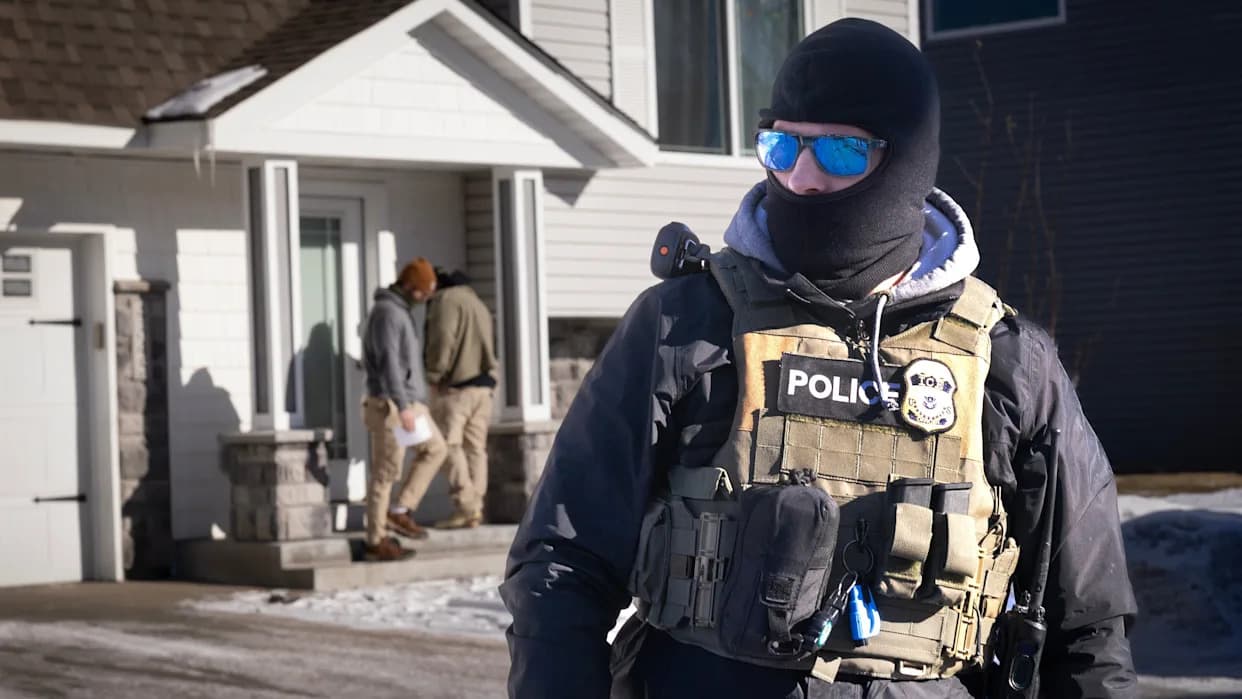
Scott Olson / Getty Images(Scott Olson)
The New York Times obtained an internal Immigration and Customs Enforcement (ICE) memorandum dated Jan. 28, issued by acting director Todd M. Lyons, that instructs lower‑level officers they may detain people they suspect are undocumented immigrants without first obtaining a warrant. The directive relies on an expansive reading of the statutory term "escape," and critics warn it could dramatically broaden when officers may arrest without a warrant.

ICE arrests a protester in Minneapolis earlier this month. / Anadolu / Anadolu via Getty Images
What The Memo Says
Lyons’ memo interprets the federal statute authorizing warrantless arrests where an officer "has reason to believe that the alien so arrested... is likely to escape before a warrant can be obtained for his arrest." The memo emphasizes the word "escape" as indicating immediacy and says officers should gauge the "totality of the circumstances" at the time of the encounter.

Former ICE personnel warn that ICE agents can arrest
"The word 'escape' indicates immediacy, and the plain meaning of the word is 'to get away as by flight.' Whether an alien is likely to remain at the scene of the encounter is based on the totality of the circumstances known to the immigration officer at the time of the encounter and prior to the arrest."
The document lists examples of circumstances that could justify a warrantless arrest under this reading: if the subject "refuses to obey lawful commands," is in a vehicle they could drive away, appears physically capable of fleeing, or is in possession of identity or work‑authorization documents the officer suspects are fraudulent.
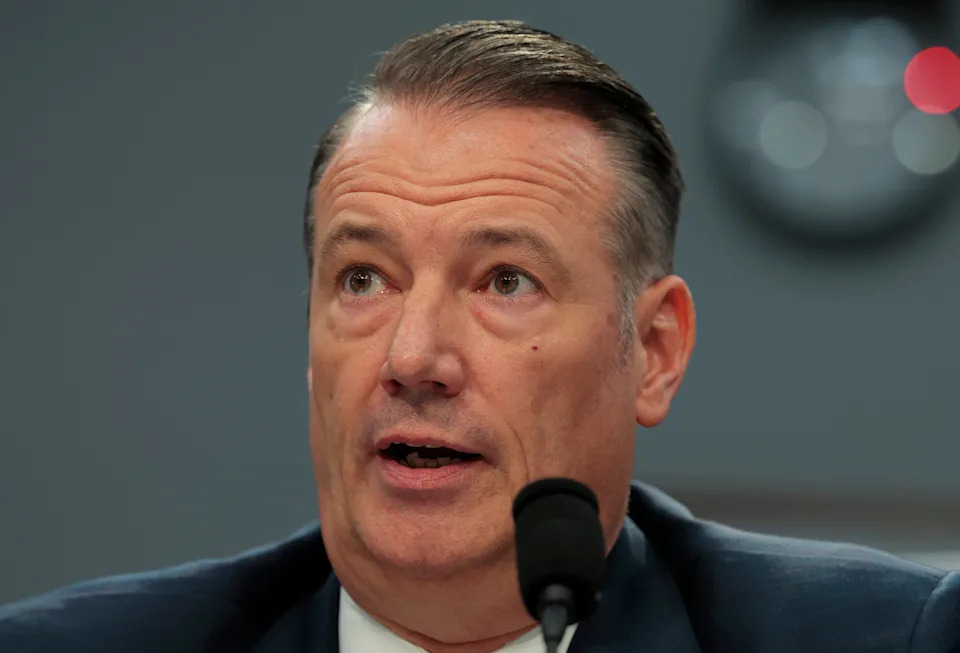
Acting Director of ICE, Todd Lyons, gave ICE agents a new, broad interpretation of who to consider a
Reactions And Concerns
Former ICE senior adviser Claire Trickler‑McNulty told The Times the memo represents "an extremely broad interpretation of the term 'escape'" and warned it "would cover essentially anyone they want to arrest without a warrant, making the general premise of ever getting a warrant pointless." Scott Shuchart, a former ICE head of policy, called the guidance a "green light" for agents to make warrantless arrests without supervisor approval.

ChongLy “Scott” Thao is dragged of his house, wearing just underwear, by ICE agents into the snow. / CBS
Department of Homeland Security spokeswoman Tricia McLaughlin downplayed the memo’s implications to The Times, saying the guidance was intended as a reminder for officers to maintain detailed records of arrests. The White House and ICE did not immediately respond to requests for comment.
Context
The directive comes amid tensions in Minnesota, where federal immigration operations have drawn intense public scrutiny after incidents earlier in January resulted in the deaths of two people at protests involving federal agents. Observers note the memo stands in contrast to public calls by President Trump to "de‑escalate" and to remarks from Border Czar Tom Homan, who had discussed a "drawdown plan" to reduce ICE activities in the state.
Implications
Legal experts and former officials say the memo could expand discretion for frontline officers and raise constitutional and civil‑liberties concerns about warrantless arrests. The memo’s practical effects may depend on how ICE supervisors, the Department of Homeland Security, and the courts respond to challenges or policy clarifications going forward.
Help us improve.