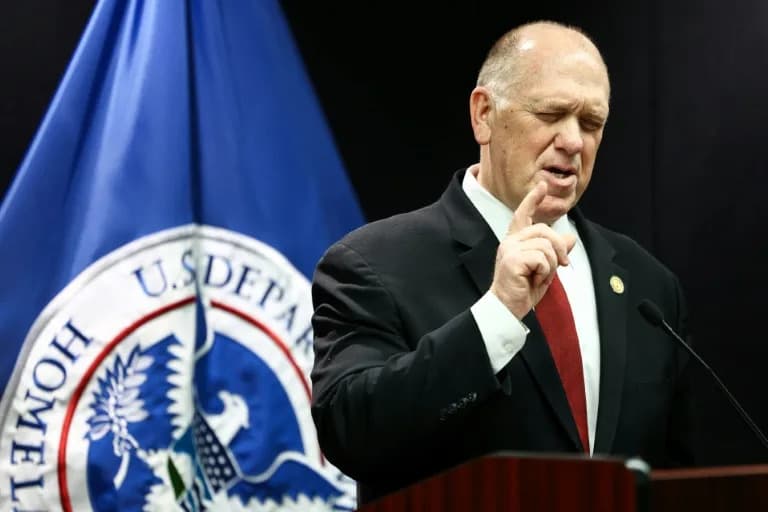
Acting ICE Director Todd Lyons issued a memo broadening when agents may arrest suspected undocumented immigrants without an administrative warrant. The guidance — filed in federal court in Minnesota — redefines "likely to escape" as a determination that a person would be difficult to locate once an administrative warrant is sought, rather than a longer-term "flight risk." DHS says the memo is a recordkeeping reminder; critics and some legal experts warn the definition could permit far more warrantless arrests and prompt additional court challenges.
ICE Memo Broadens Criteria for Warrantless Immigration Arrests, Redefines "Likely to Escape"
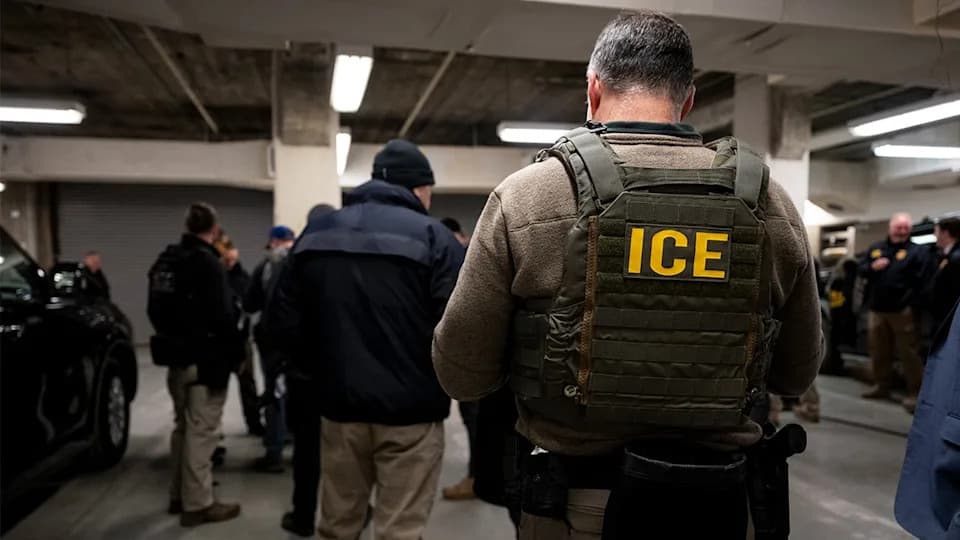
U.S. Immigration and Customs Enforcement (ICE) agents, along with other federal law enforcement agencies, attend a pre-enforcement meeting in Chicago, Illinois, U.S., on Sunday, Jan. 26, 2025.(Getty Images)
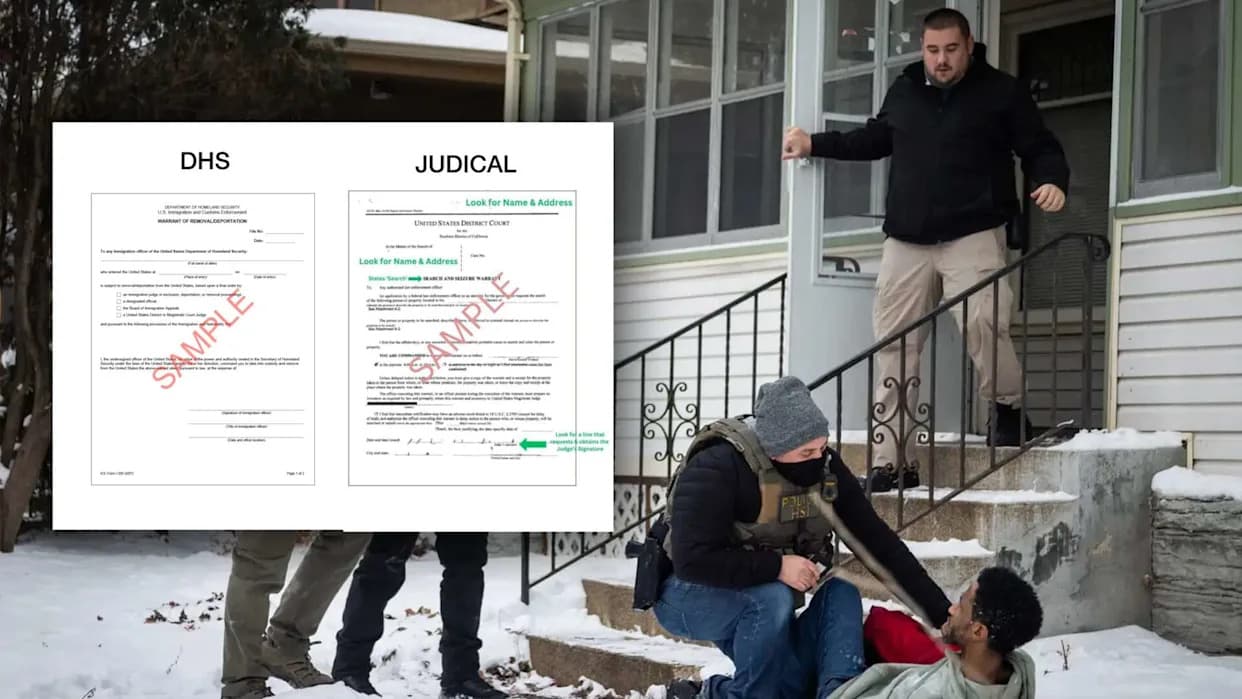
The acting director of Immigration and Customs Enforcement (ICE) issued an internal memorandum that expands when agents may arrest suspected undocumented immigrants without first obtaining an administrative warrant. The guidance — filed in federal court in Minnesota as part of ongoing litigation — offers a new interpretation of the statutory exception that allows warrantless civil immigration arrests when a person is "likely to escape."
What the Memo Says
Acting Director Todd Lyons writes that an "alien is 'likely to escape' if an immigration officer determines he or she is unlikely to be located at the scene of the encounter or another clearly identifiable location once an administrative warrant is obtained." The memo instructs agents to record, on an official form and as soon as practicable after the arrest, the specific factors that led them to make a warrantless arrest.

Acting Immigration and Customs Enforcement Director Todd Lyons testifies before a House Appropriations Homeland Security Subcommittee oversight hearing, on Capitol Hill in Washington, D.C., U.S., May 14, 2025.
How This Differs From Past Practice
ICE historically treated "likely to escape" as equivalent to being a longer-term "flight risk" — someone who might fail to appear at future immigration proceedings. Lyons says that interpretation is too narrow because officers making on-the-spot field decisions often lack the information needed to assess whether a person will appear at a hearing weeks or months later.
Agency Response and Legal Context
Department of Homeland Security Assistant Secretary Tricia McLaughlin told Fox News Digital the memo is not a new grant of power but a reminder to keep detailed records. She cited statutory authorities under 8 U.S.C. § 1357 and the constitutional requirement of reasonable suspicion.
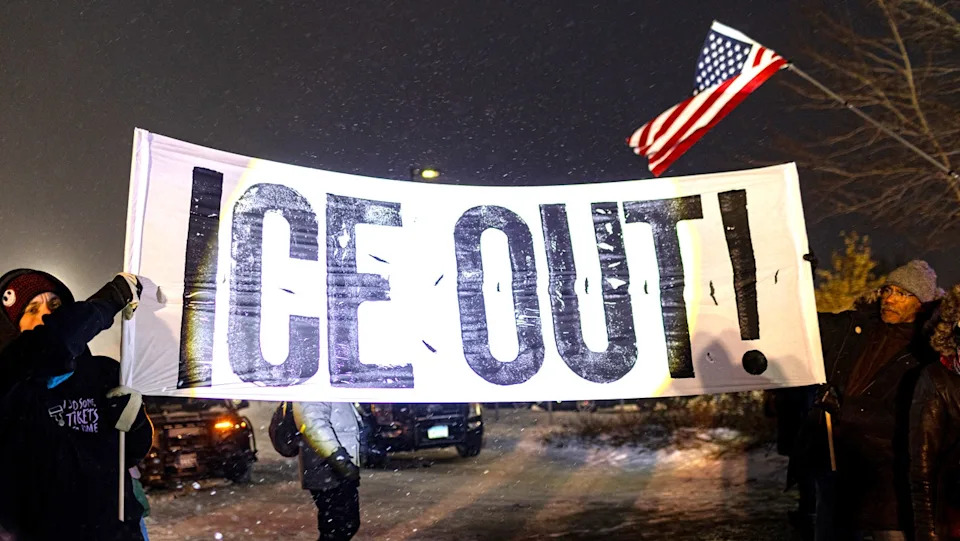
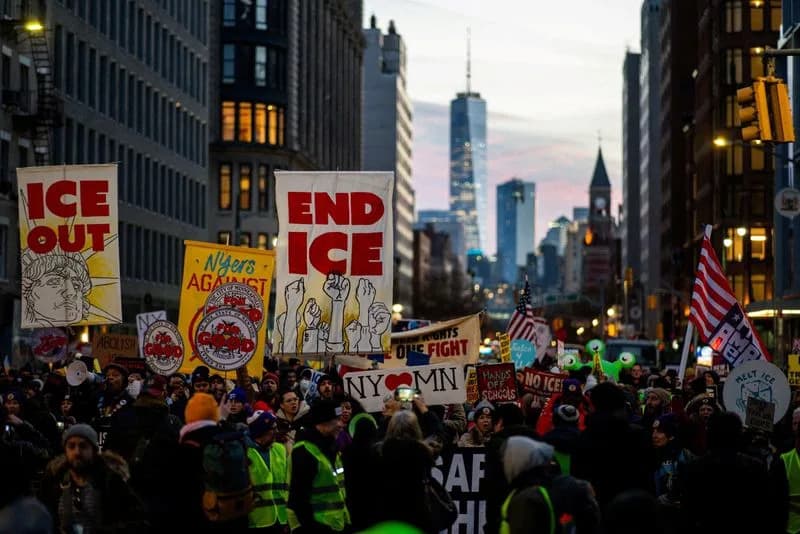
Protesters with a large anti-ICE sign stand outside the Henry Bishop Whipple Federal building on Jan. 18, 2026 in Minneapolis, Minnesota.
From the memo: "An alien is 'likely to escape' if an immigration officer determines he or she is unlikely to be located at the scene of the encounter or another clearly identifiable location once an administrative warrant is obtained."
Criticism and Concerns
Critics say the memo's definition could substantially broaden warrantless arrests. Senator Jeff Merkley (D-Ore.) called the guidance "another advance in Trump’s fascist agenda" and warned it could authorize broad warrantless arrests. Claire Trickler-McNulty, a former senior ICE adviser, told The New York Times the definition is "an extremely broad interpretation of the term 'escape'" that could render the warrant process effectively optional.
Court Challenges and Broader Context
ICE’s enforcement practices have been repeatedly challenged in federal court. A federal judge in Washington, D.C., blocked parts of the administration’s warrantless-arrest approach, saying officials must make individualized assessments about whether a target is likely to escape before arresting them without a warrant. Judge Beryl Howell wrote that plaintiffs had shown the policy appeared to implement an "arrest first, ask questions later" approach and relied on a deficient standard under the Immigration and Nationality Act and constitutional principles.
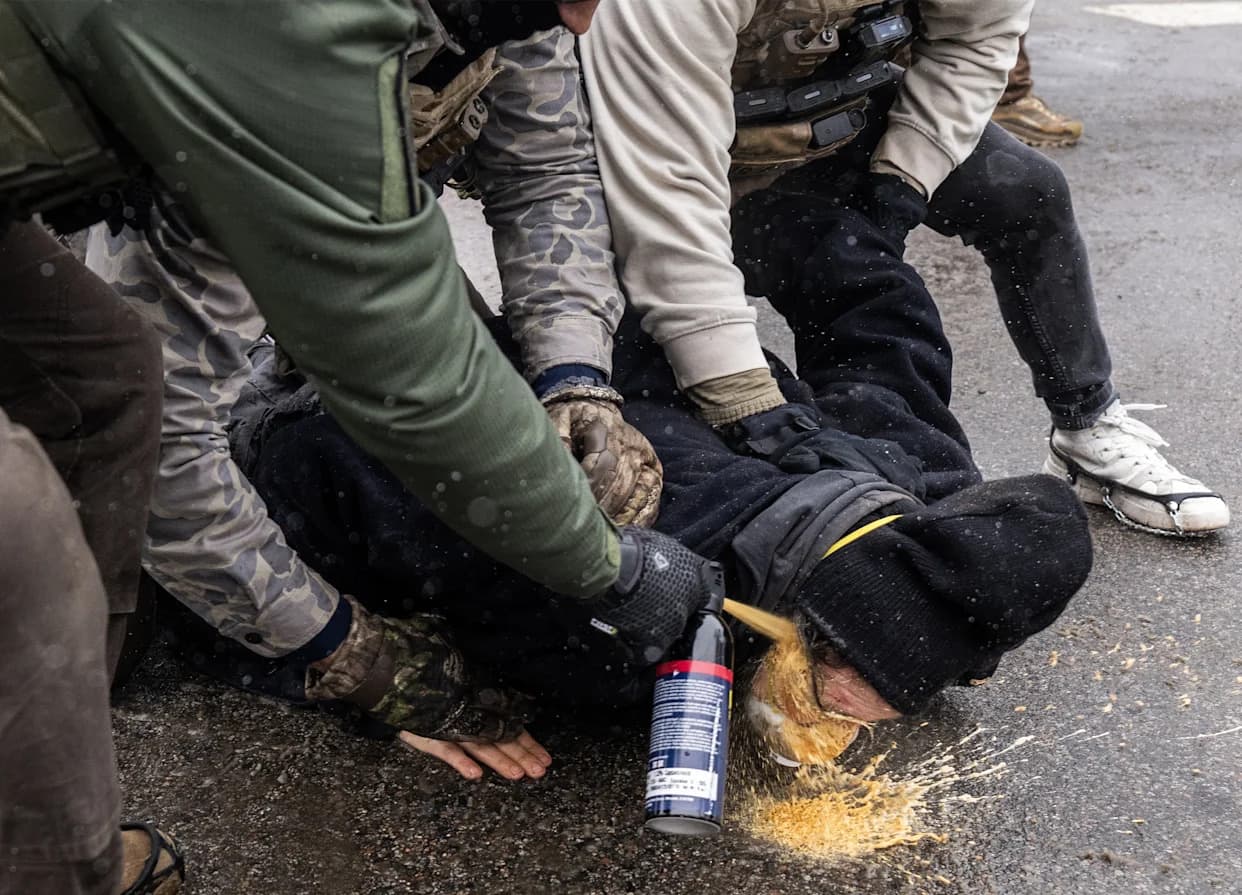
The memo arrives amid an assertive deportation agenda by the current administration. Supporters say enforcement has reduced unauthorized crossings; critics point to reports of heavy-handed actions and several high-profile incidents, including two recent killings in Minnesota during enforcement operations.
What To Watch
- How courts assess the new interpretation of "likely to escape."
- Whether ICE's documentation requirement is followed consistently and how those records are reviewed.
- Potential further litigation and judicial rulings that could limit or uphold the memo's guidance.
Help us improve.