Overview: Rep. Mark Harris and Speaker Mike Johnson suggested ICE does not need traditional judicial arrest warrants; legal experts say administrative ICE approvals differ from judge-issued criminal arrest warrants. The Fourth Amendment generally requires probable cause and independent judicial oversight to prevent unreasonable seizures. Critics argue judicial warrants are safeguards against agency overreach, and polling shows many Americans prioritize protecting the innocent even if some guilty go free.
Republicans Could Use a Refresher on the Fourth Amendment: ICE, Warrants and a GOP in Flux

Republicans could really use a lesson on the Fourth Amendment
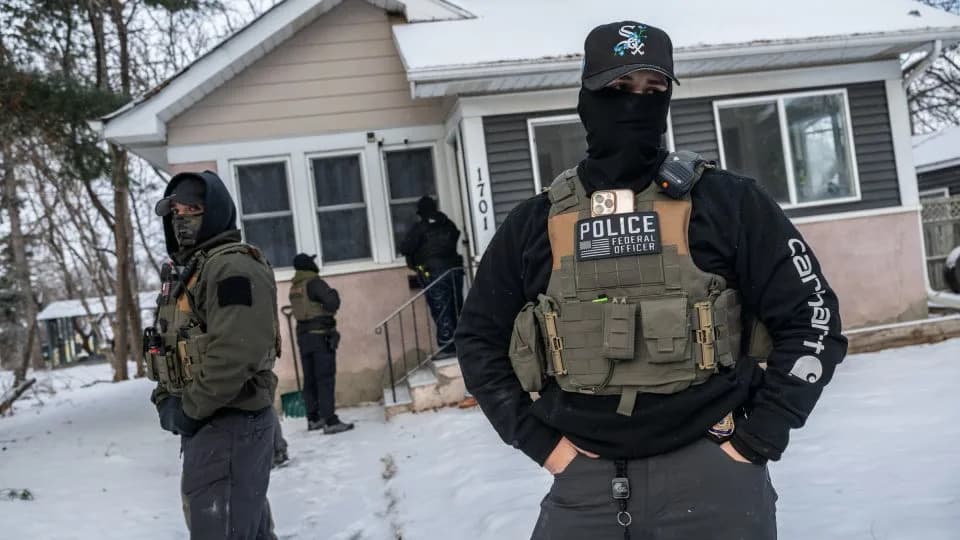
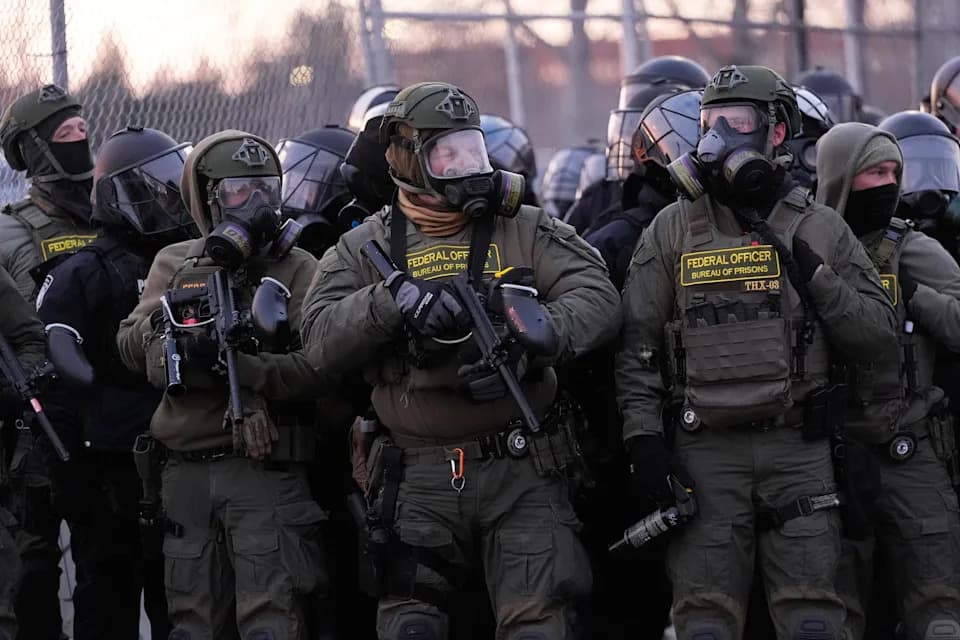
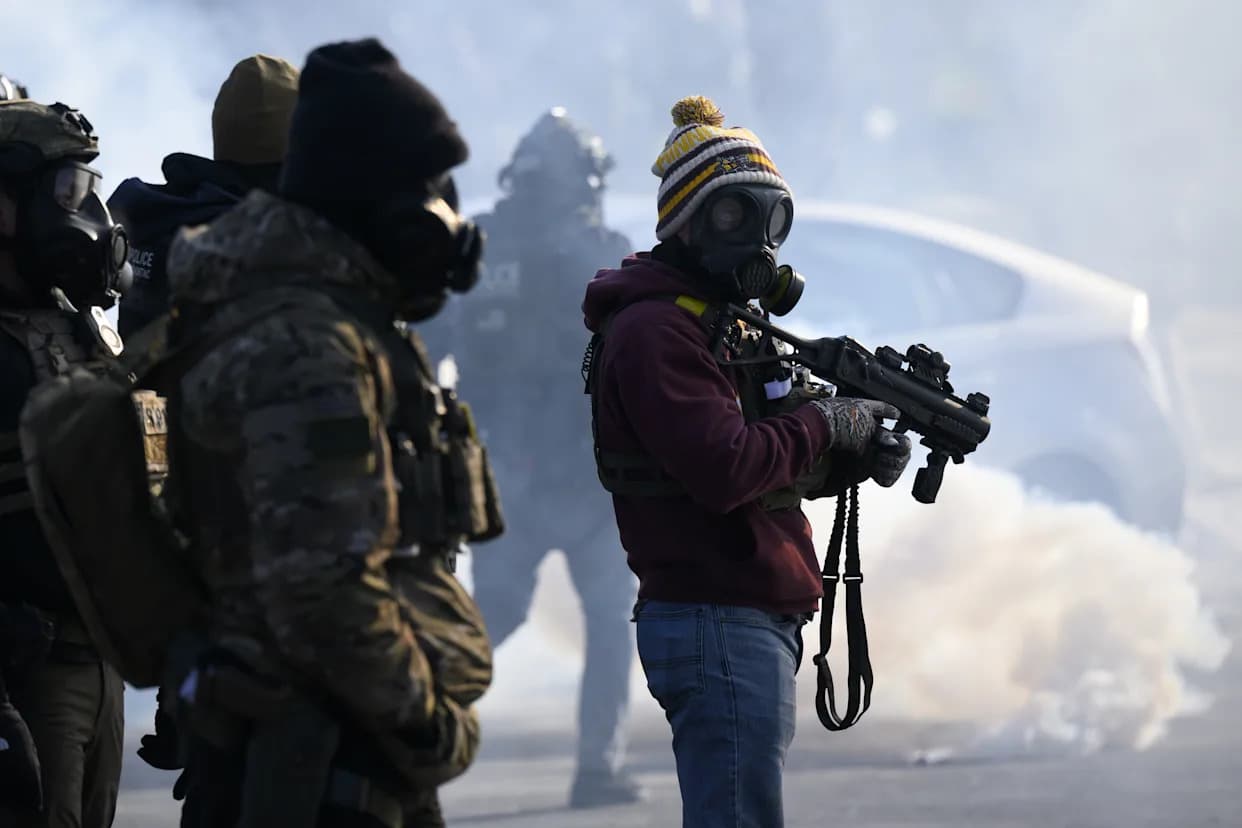
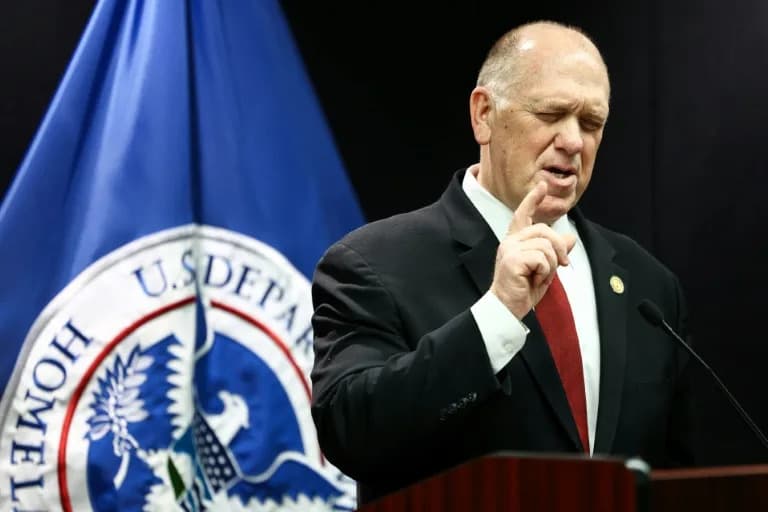
Most Americans probably had never heard of Rep. Mark Harris (R-N.C.) until his remarks this week on Newsmax, where he criticized proposed reforms that would require Immigration and Customs Enforcement (ICE) to obtain judicial warrants in some operations. "Having judicial warrants? To me, that's a non-starter," Harris said, adding that other proposals — such as requiring agents to remove masks — would "hamstring" the agency.
Analysis of data from the @unitedstates project.Philip Bump / MS NOW
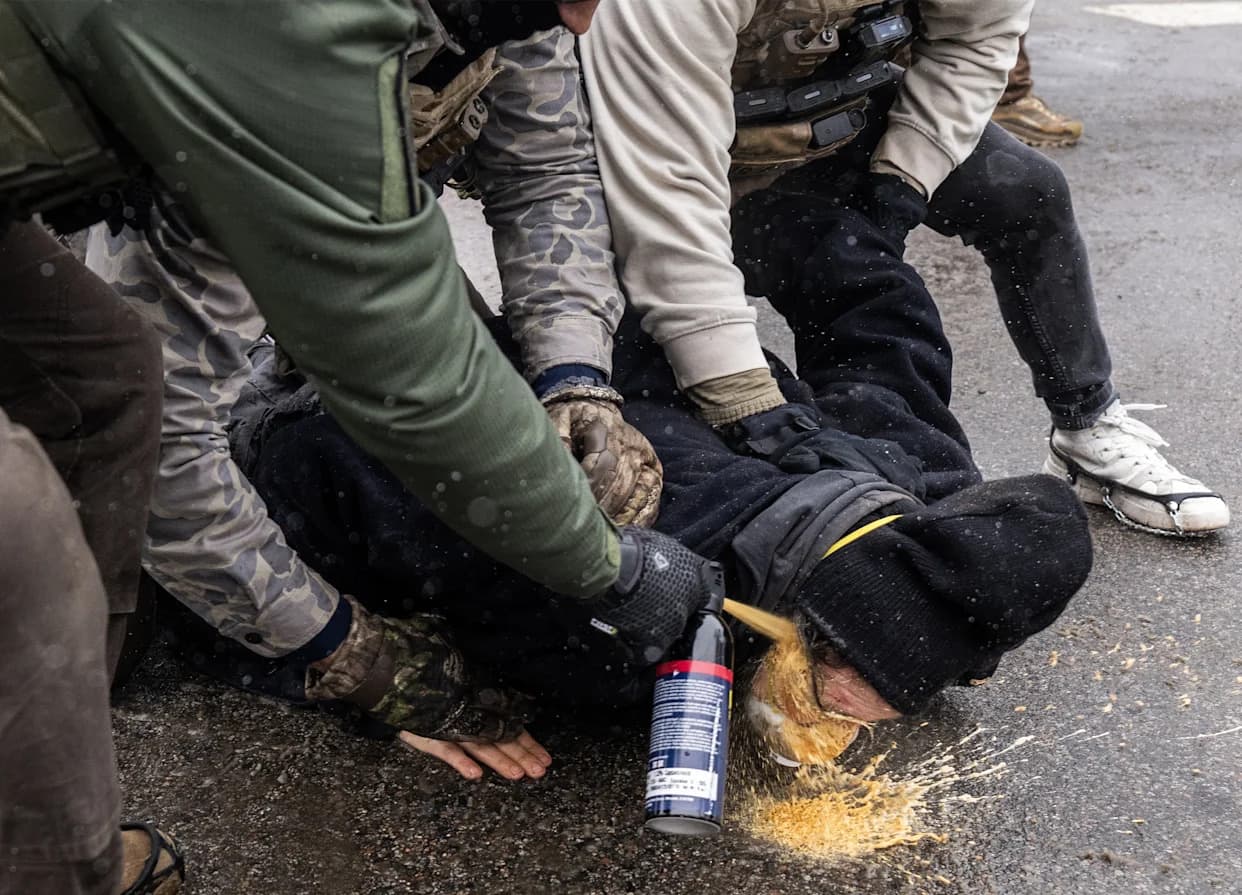
The controversy centers on a basic constitutional protection. The Fourth Amendment bars unreasonable searches and seizures and generally requires probable cause and judicial authorization before authorities may carry out arrests in many circumstances. Critics say requiring judicial warrants for certain ICE actions is a safeguard against abuse, not an unreasonable hurdle to enforcement.
Analysis of data from YouGov polling.Philip Bump / MS NOW
What Officials Said
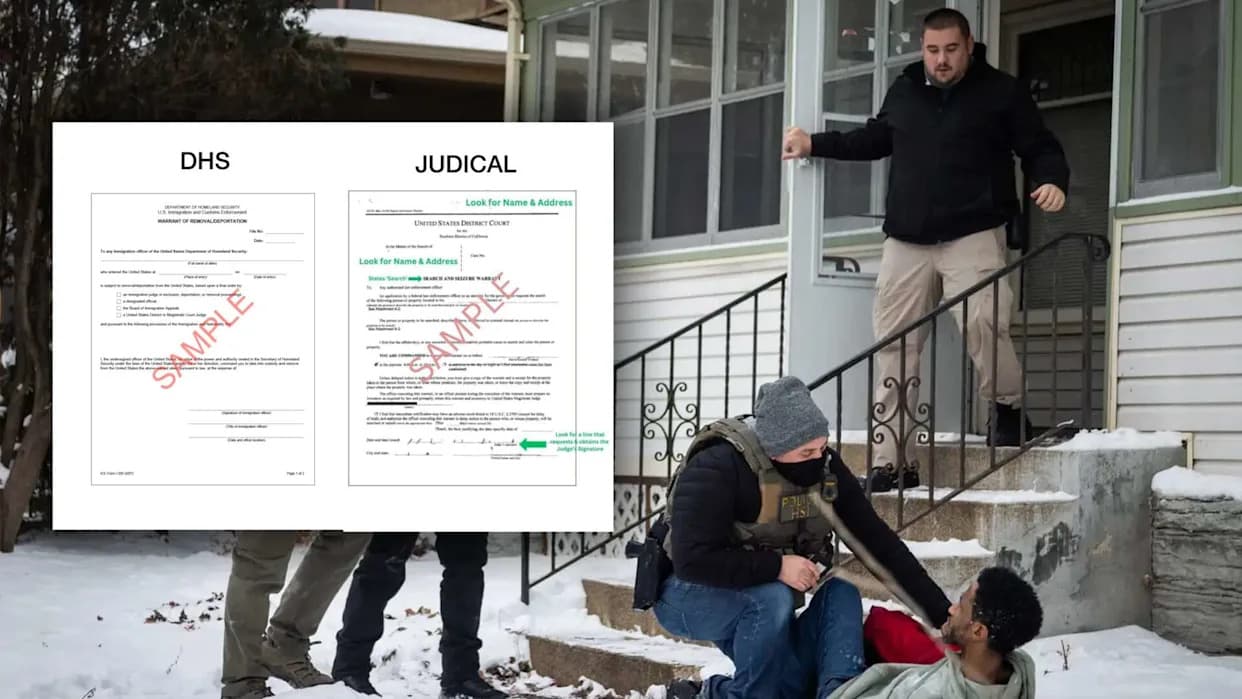
House Speaker Mike Johnson (R-La.) insisted that ICE already operates with warrants, saying immigration judges issue administrative warrants that ICE executes. That description conflates two different legal tools: judge-issued criminal arrest warrants and internal, administrative authorizations used in immigration enforcement.
Analysis of data from YouGov polling.Philip Bump / MS NOW
Legal Clarification: Hannah James of the Brennan Center's Liberty and National Security Program has explained that being in the country without documentation is a civil, not criminal, matter. Administrative ICE "warrants" are approved inside the agency and differ from judicial arrest warrants issued by a neutral magistrate.
This distinction matters because judicial warrants are intended to provide an independent check on executive power. Comparing administrative approvals to judge-signed criminal arrest warrants is akin to suggesting a supervisor in any federal agency could authorize an arrest without judicial review — a position that many legal scholars and civil-liberties advocates find untenable.
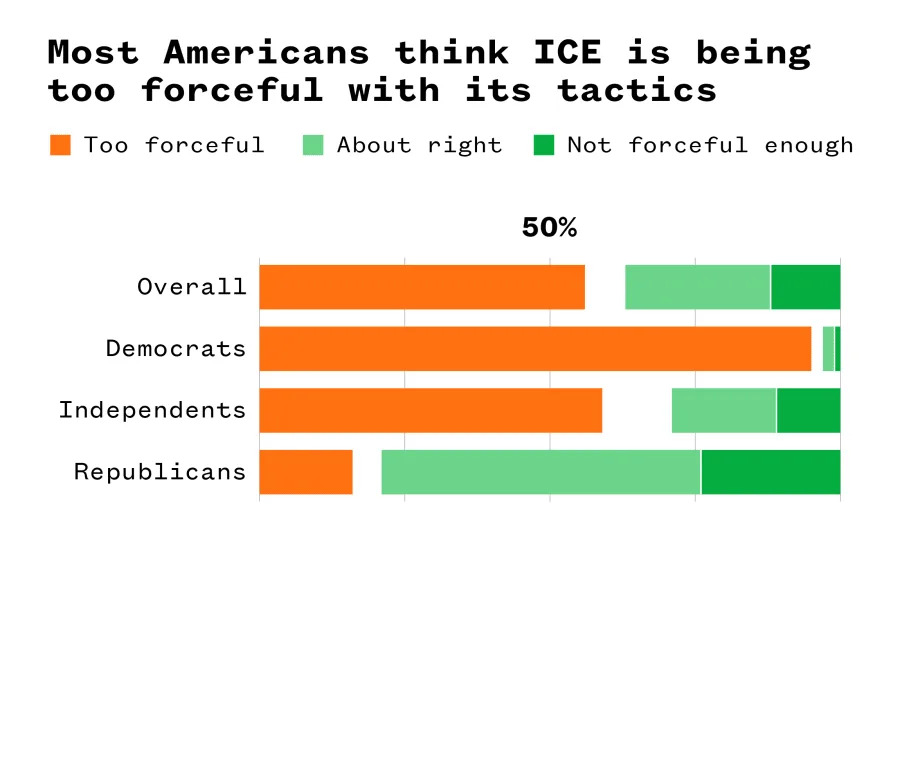
Analysis of data from YouGov polling.Philip Bump / MS NOW
Political Context
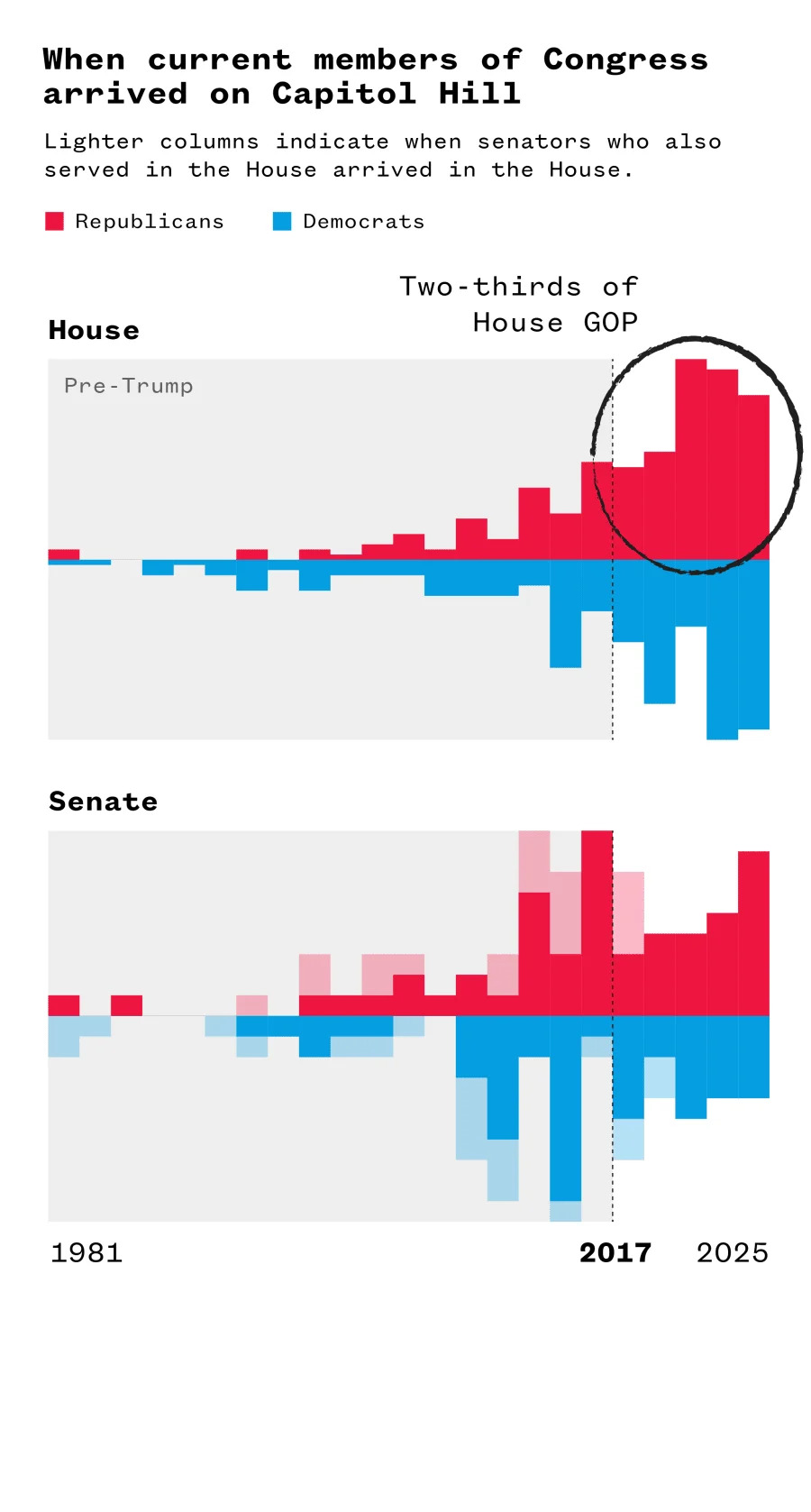
Harris is a recent entrant to national politics (elected to the House in 2024) and is a pastor by background. Speaker Johnson trained as a constitutional lawyer, yet both men’s statements reflect a broader trend: a Republican Conference shaped heavily by the Trump era. Roughly two-thirds of House Republicans arrived after 2016, and many observers argue that this cohort has been more deferential to executive-branch actions when they align with partisan priorities.
That deference helps explain why some Republicans resist expanding judicial oversight of ICE, even as Democratic lawmakers point to documented instances of agency overreach and call for stronger safeguards. Requiring judicial warrants is framed by advocates as a way to prevent wrongful detentions and to limit abuses of power — a feature rather than a bug of due-process protections.
Public Opinion And The Stakes
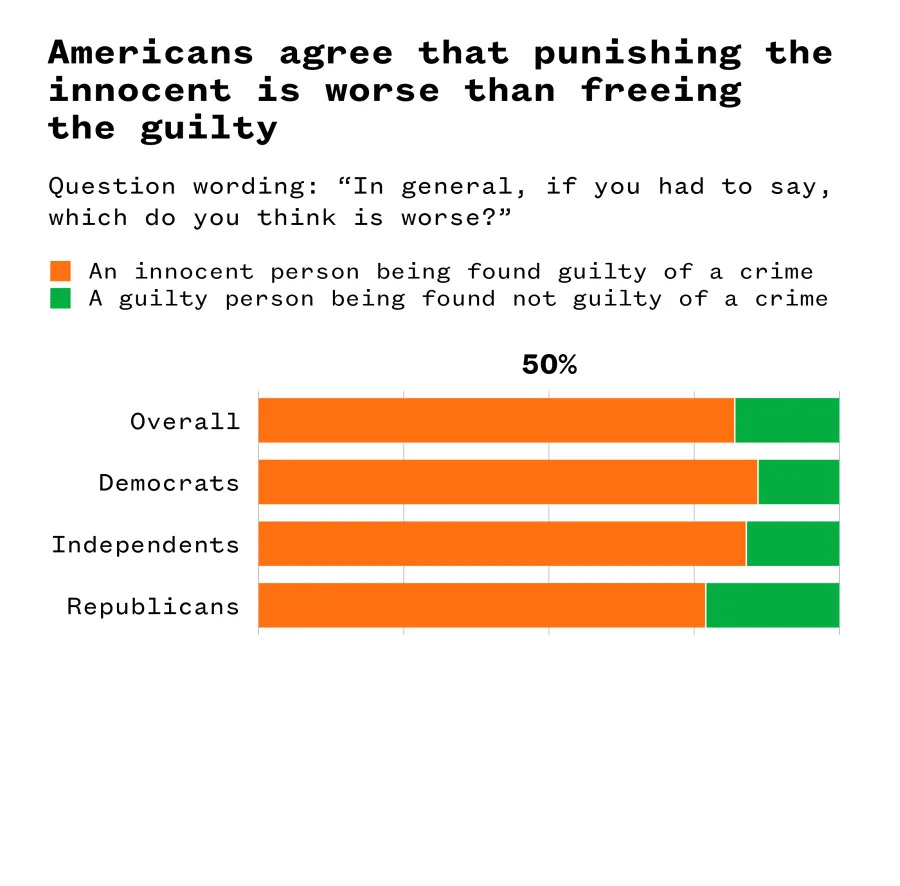
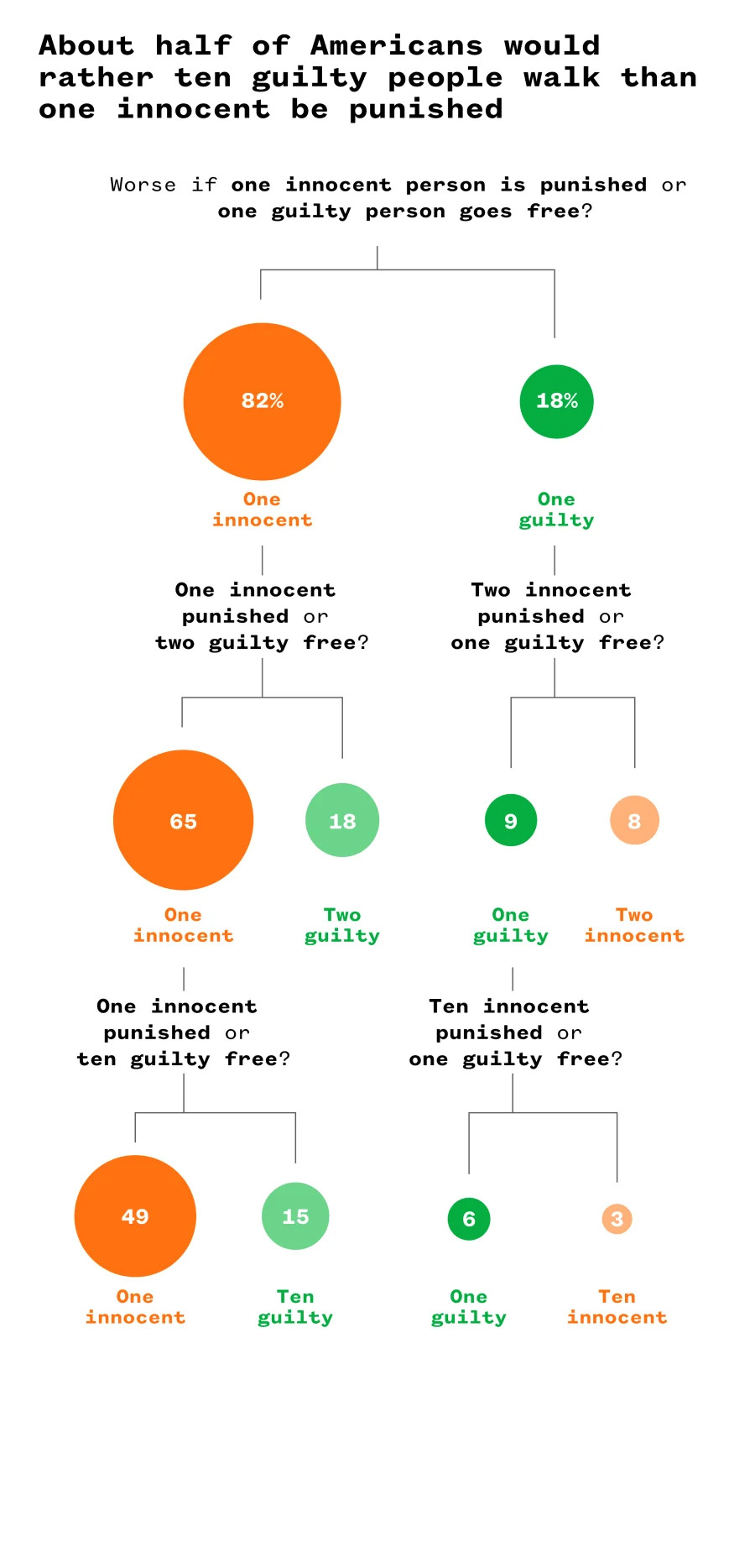
Public polling shows broad support for protecting the innocent at the expense of catching every guilty person. A YouGov survey found over three-quarters of respondents — across parties — say it is worse to see an innocent person convicted than to let a guilty person go free. When asked whether it would be worse to let 10 guilty people go free than to convict one innocent person, about half of respondents preferred protecting the innocent; 48% of Republicans agreed with that trade-off. These numbers underscore how judicial oversight can reflect widely shared values about fairness and risk.
At stake is more than a technical legal dispute: it is a test of how far executive agencies may act without independent judicial review and how political allegiance shapes attitudes toward constitutional limits. The debate over ICE warrants is therefore also a debate about the balance between effective enforcement and civil liberties — and about whether long-standing protections will remain central in U.S. law enforcement policy.
Help us improve.