The leaked ICE memo, signed by acting director Todd Lyons, instructs agents that an administrative Form I-205 paired with a final removal order may justify forceful entry into homes without a judicial warrant. Whistleblowers say the guidance was verbally taught to recruits despite written 2025 training materials stating otherwise. Legal experts, including Patrick Jaicomo of the Institute for Justice, call the policy unconstitutional, arguing administrative warrants lack the neutral judicial review required by precedent. DHS defends administrative warrants as longstanding and supported by final removal orders, while critics warn the policy threatens Fourth Amendment protections.
Leaked ICE Memo Says Agents May Enter Homes Without Judicial Warrants, Legal Experts Call It Unconstitutional
Leaked ICE Memo Claims Agents Can Enter Homes Without Judicial Warrants
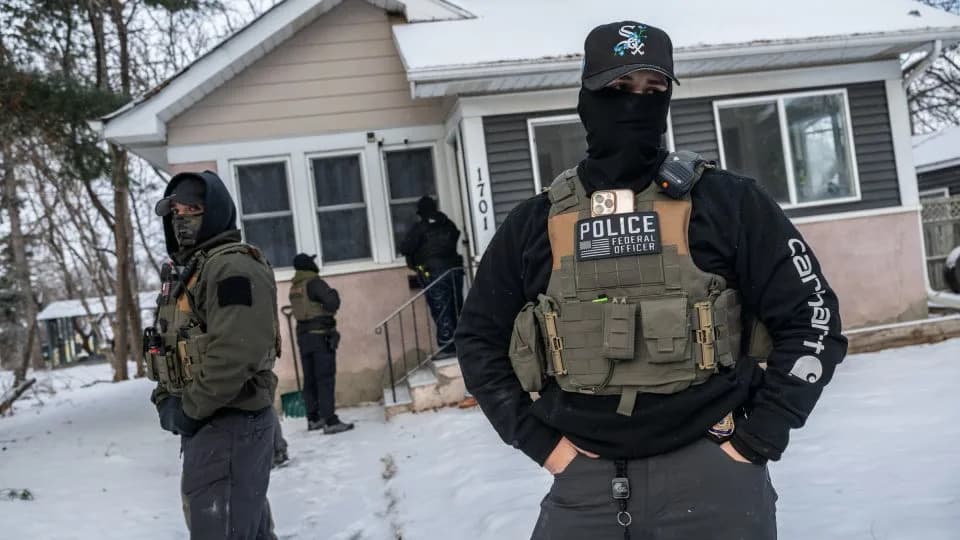
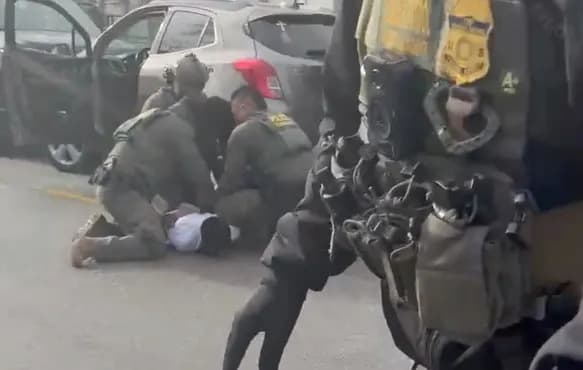
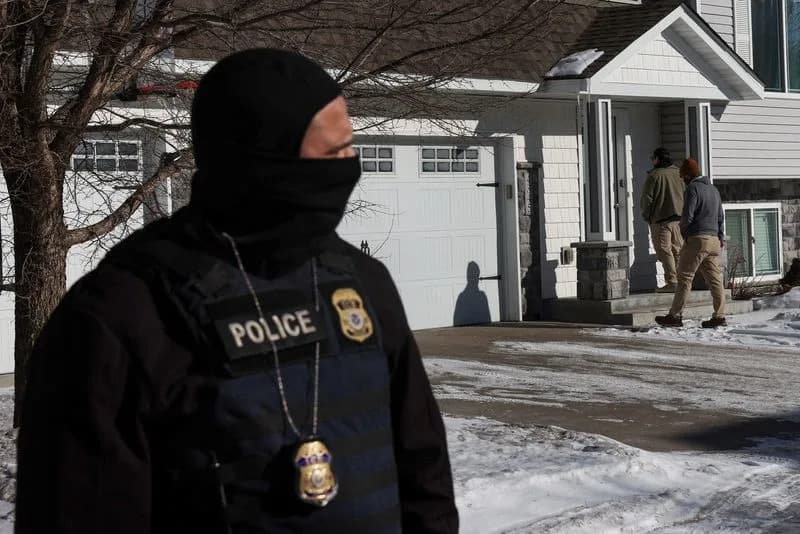
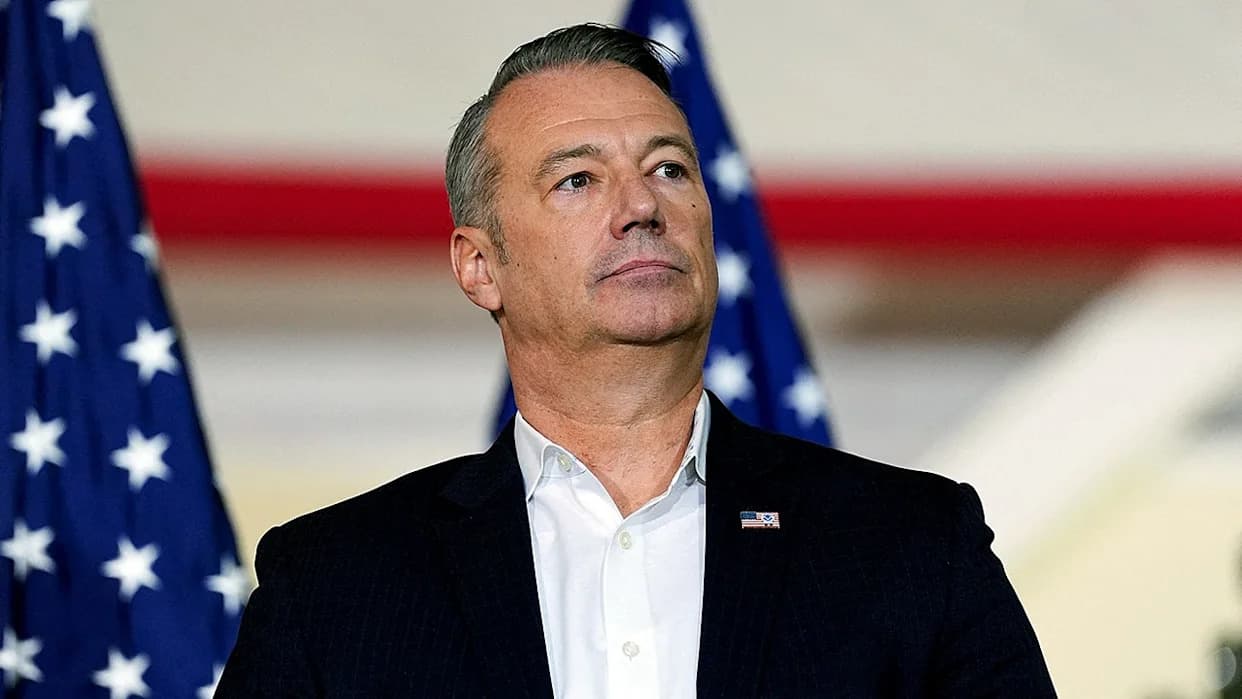
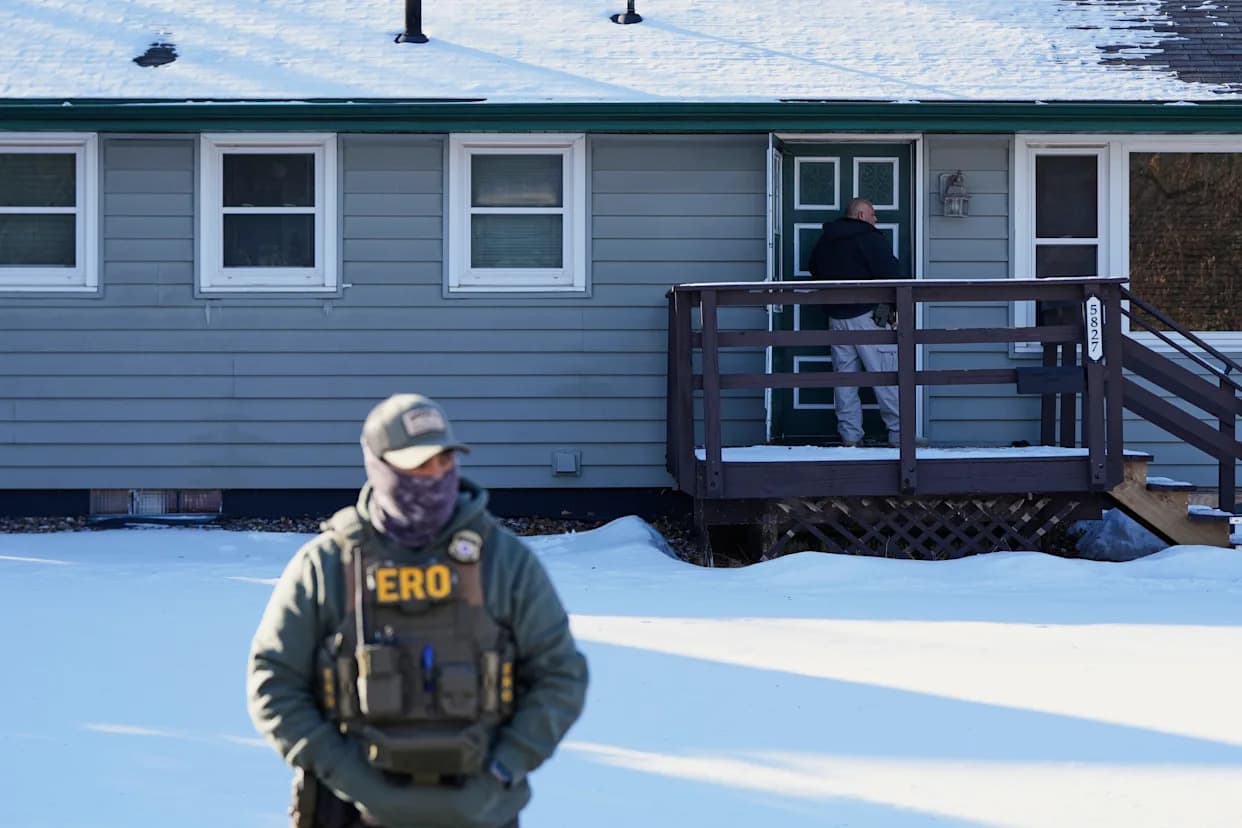
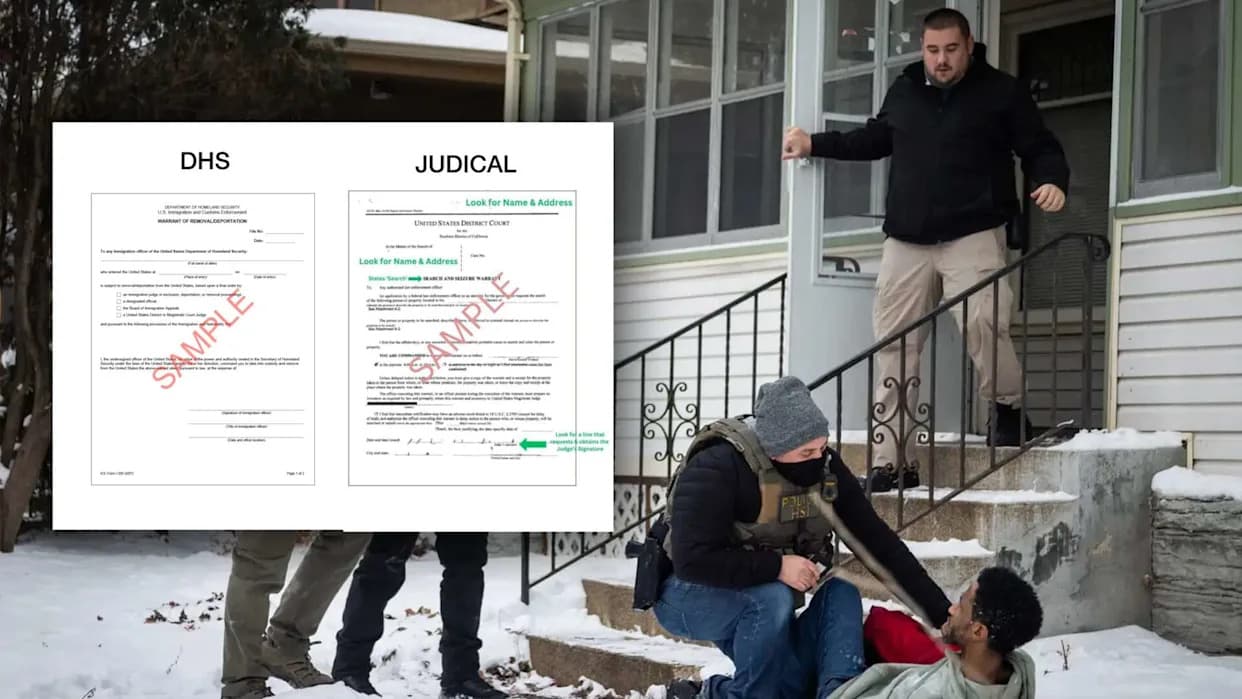
Whistleblowers provided an internal Immigration and Customs Enforcement (ICE) memorandum to Senator Richard Blumenthal (D–Conn.) that asserts ICE officers may enter private residences without consent when carrying out certain immigration arrests, even without a judicial warrant. Signed by acting ICE Director Todd Lyons in May of last year, the memo instructs agents that they can rely on an administrative Form I-205, issued alongside a final order of removal, to use 'a necessary and reasonable' amount of force to access a named individual's home if officers are denied entry.
What the Memo Says
The memo acknowledges that, historically, administrative warrants alone were not used to arrest people in their homes without first obtaining consent. Nevertheless, it reports that the Department of Homeland Security (DHS) Office of General Counsel concluded a Form I-205 may be used when it is 'supported by a final order of removal issued by an immigration judge…because that order establishes probable cause.'
Training Concerns
Whistleblowers told lawmakers that printed copies of the guidance were not broadly distributed but that its content was nevertheless taught to recruits during ICE's recent hiring drive. The agency sought to recruit 10,000 new agents last year, and whistleblowers say that, despite 2025 training materials stating clearly that 'a warrant of removal/deportation does NOT alone authorize a 4th amendment search of any kind,' instructors at the DHS Federal Law Enforcement Training Center were directed to verbally instruct new ICE agents to follow the memo's policy while ignoring the written course material that states the opposite.
Legal Pushback
Legal scholars have criticized the agency's legal rationale. Patrick Jaicomo, an attorney at the Institute for Justice, told Reason that the memo offers 'neither legal authority nor analysis.' He said that, given how secretive the policy has been, the agency likely lacks a defensible legal argument and that the policy is unconstitutional.
'The Fourth Amendment and supporting caselaw is clear that houses cannot be searched without warrants,' Jaicomo said. 'Warrants must be issued by judges — not other police.'
DHS Response and Legal Context
In response to an Associated Press report on the leaked memo, Tricia McLaughlin, DHS assistant secretary for public affairs, posted that 'administrative warrants have been used for decades and recognized by the Supreme Court.' McLaughlin asserted that in every case where DHS uses an administrative warrant to enter a residence, the individual already received full due process and a final removal order from a federal immigration judge, and that officers therefore have probable cause.
Critics reject that justification as legally flawed. The Fourth Amendment protects the right 'to be secure in their…houses…against unreasonable searches and seizures,' and courts have long required that probable cause be evaluated by a neutral and detached magistrate. The Supreme Court in Shadwick v. City of Tampa (1972) emphasized that inferences of probable cause should be drawn by a neutral judicial officer rather than by law enforcement officers themselves.
Experts note additional concerns about administrative warrants signed by immigration judges who function in an executive capacity rather than as independent judicial officers. As Jaicomo put it, 'An administrative warrant is not a warrant at all; it's a warrant-shaped object.'
Possible Remedies and Broader Implications
Challenging ICE's policy will be difficult. Potential legal routes include tort claims under the Federal Tort Claims Act or injunctive-relief lawsuits, but these paths are narrow and often hard to win. Some legal experts argue that the more meaningful fix would be congressional legislation to permit private claims against federal officials who violate constitutional rights.
The controversy raises broader questions about executive power, the role of neutral judicial review, and the durability of Fourth Amendment protections. If administrative warrants can be used routinely to enter homes without a judicial warrant, critics warn it could significantly erode longstanding protections against unreasonable searches and seizures.
Help us improve.