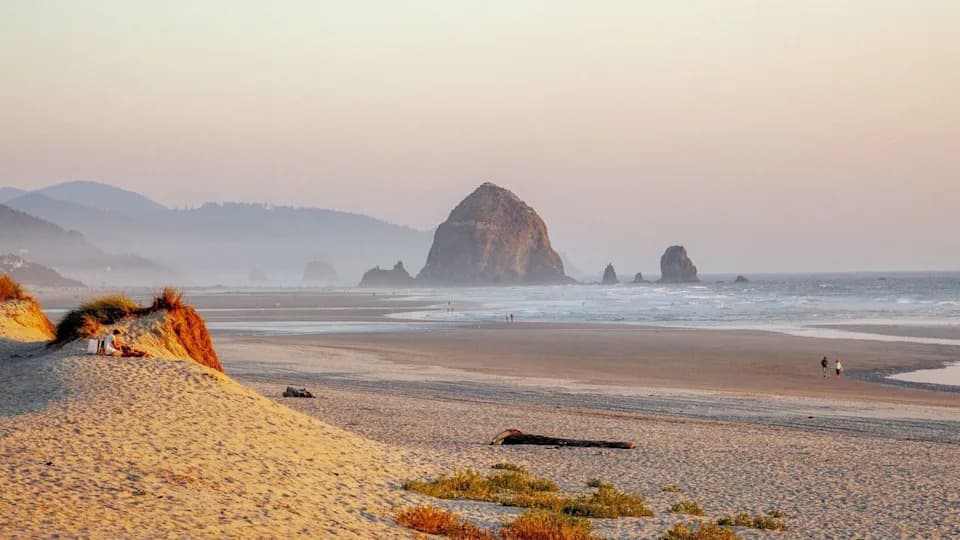
Researchers aboard the JOIDES Resolution recovered a 1,268‑meter core of abyssal peridotites near the Atlantis Massif in May 2023, the deepest mantle‑derived core yet. The core contains harzburgite and gabbro that show chemical alteration from seawater (serpentinization), producing hydrogen and methane. Although record‑breaking in depth, the drill did not cross the Mohorovičić discontinuity (Moho) into pristine mantle. Future drilling at the site is uncertain after the NSF declined additional funding for the vessel beyond 2024.
Scientists Drill Record 1,268‑Meter Core Near Atlantis Massif — Mantle‑Derived Rocks Recovered
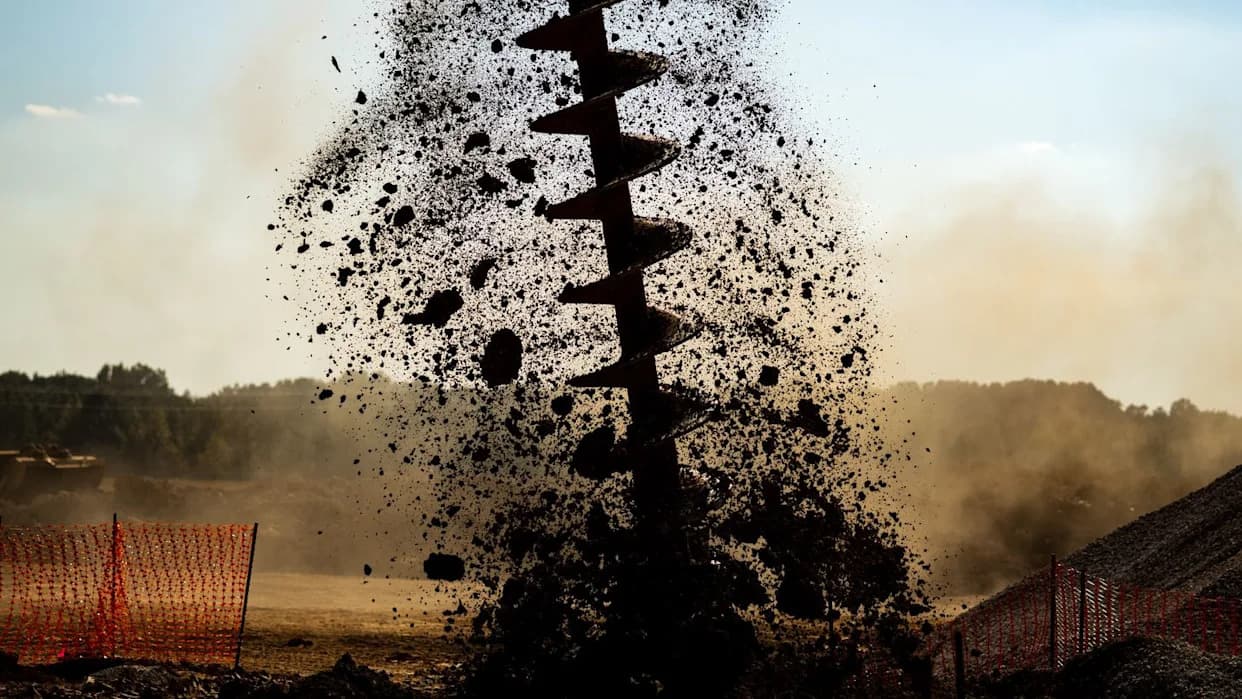
Scientists Go Deeper Into Mantle Than Ever BeforeBloomberg Creative - Getty Images
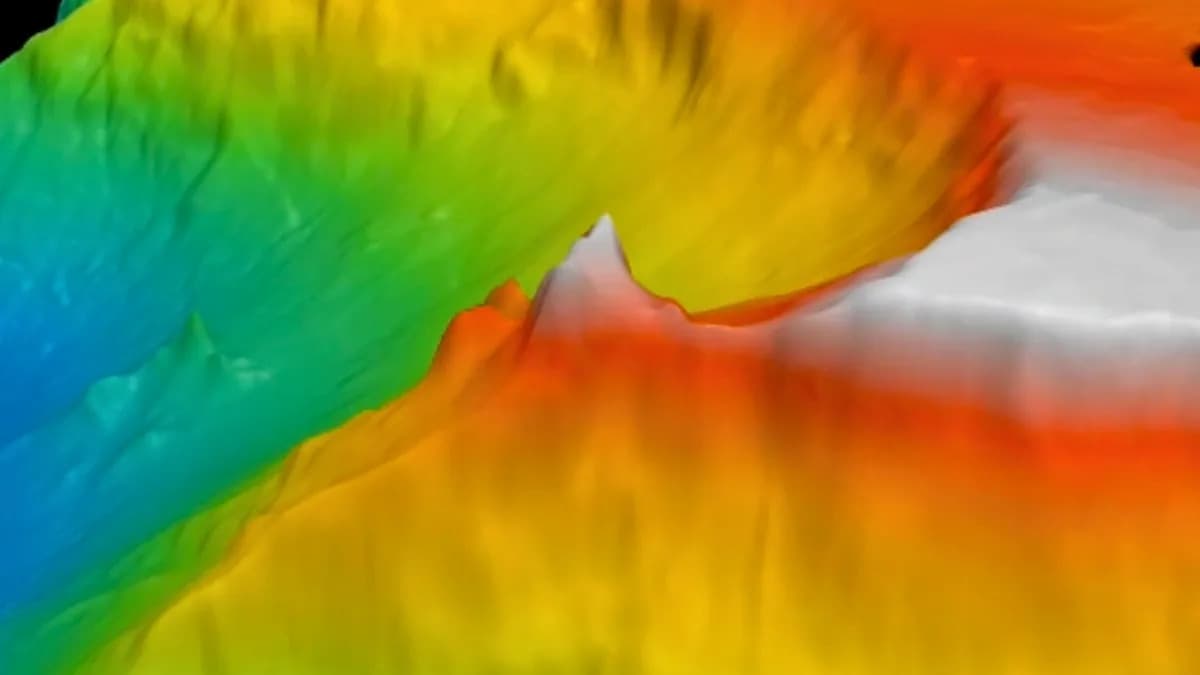
Scientists operating from the research vessel JOIDES Resolution have recovered the deepest mantle‑derived rock core yet: a 1,268‑meter sequence of abyssal peridotites sampled near the Atlantis Massif on the Mid‑Atlantic Ridge. The expedition recovered rocks altered by seawater—offering an unprecedented window into the upper mantle’s chemistry and the geologic setting that hosts the Lost City hydrothermal field.
Why This Site Matters
The mantle is the thick, rocky layer between Earth’s crust and core, making up roughly 70% of the planet’s mass and about 84% of its volume. Direct samples are rare because the crust above the mantle typically measures 9–12 miles (15–20 km) thick. Where tectonics thin the crust or expose deeper rocks—such as along mid‑ocean ridges—scientists can sometimes recover mantle material more easily. The Atlantis Massif is one such outcrop, and its nearby Lost City vents produce highly alkaline, hydrogen‑ and methane‑rich fluids that interest researchers studying early‑Earth chemistry and possible habitats for life.
What the Expedition Did
In May 2023, an International Ocean Discovery Program (IODP) team aboard the JOIDES Resolution drilled about 800 meters south of the Lost City and retrieved a continuous 1,268‑meter core. The operation was originally planned to reach only ~200 meters, but the drill advanced far more quickly than expected and the team continued until the mission’s preallocated operational window closed.
We had only planned to drill for 200 meters, because that was the deepest people had ever managed to drill in mantle rock, said Johan Lissenberg, petrologist at Cardiff University and co‑author on the study. Drilling proved unexpectedly straightforward and the team progressed roughly three times faster than usual.
Key Findings
Preliminary analyses reported by co‑author Andrew McCaig (University of Leeds) and published in Science show the core contains harzburgite—a depleted variety of peridotite formed by partial melting of mantle material—and gabbro, a coarse‑grained igneous rock. Both rock types display chemical alteration from interaction with seawater in a process called serpentinization, which changes mineralogy, produces hydrogen and methane, and gives the rocks a greenish, marble‑like appearance.
Moho Not Reached
Although this core penetrates deeper into mantle‑derived material than any previous oceanic coring effort, the team did not cross the Mohorovičić discontinuity (the Moho)—the seismic boundary widely regarded as the separation between Earth’s crust and the unaltered, pristine mantle below. In short, researchers recovered mantle‑derived rocks that have been modified by seawater exposure, but not the untouched mantle that lies beneath the Moho.
Future Outlook
The site remains scientifically valuable for studying mantle processes, serpentinization, and potential chemical conditions relevant to the origin of life. However, continued coring by the JOIDES Resolution is uncertain: the U.S. National Science Foundation has declined to fund additional operations of the vessel beyond 2024. That decision puts near‑term follow‑up drilling at the Atlantis Massif and similar deep‑mantle coring efforts into question.
Why It Matters: These samples give researchers direct chemical and petrologic data from mantle‑derived rocks at an unprecedented depth—data that improve models of mantle melting, hydrothermal alteration, seafloor habitability, and tectonic evolution of mid‑ocean ridges.
Help us improve.