The Imam Ali Housing Compound in Hermel, Lebanon, is a 228-unit complex sheltering mainly Shiite refugees who fled Syria after Bashar Assad's ouster in December 2024. Residents and the Lebanese army deny allegations that the site harbors Assad loyalists or serves as a Hezbollah recruitment hub; army searches reported no illegal activity. Funded by Shiite religious bodies and built on municipal land to relieve pressure on schools, the compound highlights deep sectarian fears and the challenge of providing safe, transparent aid in a tense border region.
Inside Hermel’s 228‑Unit Refugee Compound: Allegations, Army Sweeps and Sectarian Fears
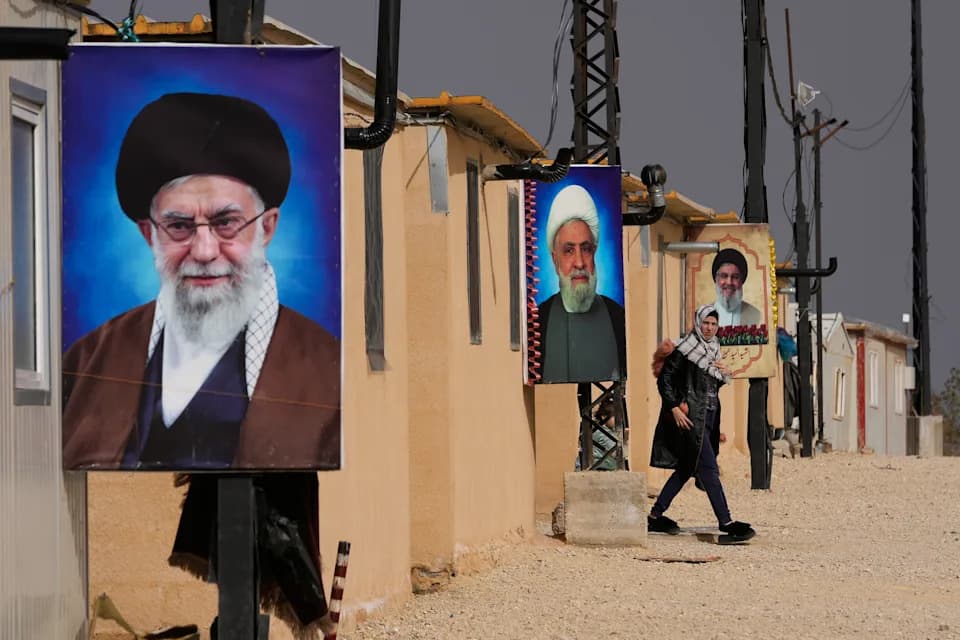
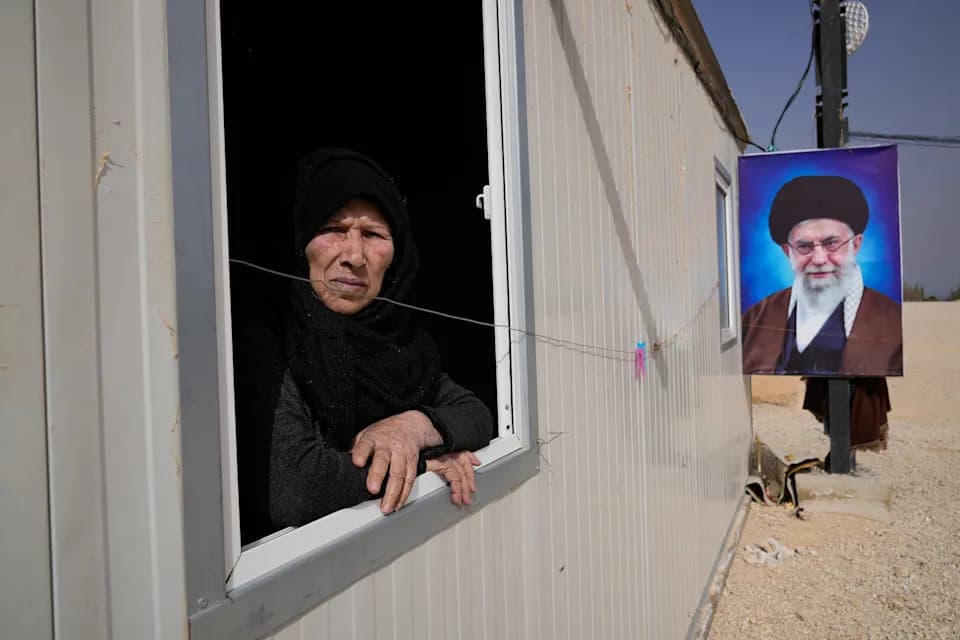
A Syrian Shiite woman walks next of portraits of Iranian Supreme Leader Ayatollah Ali Khamenei, foreground, Hezbollah leader Sheikh Naim Kassem, centre, and the late Hezbollah leader Sayyed Hassan Nasrallah, background, at the Imam Ali Housing Compound, where hundreds of mostly Lebanese and Syrian Shiite Muslims displaced from Syria reside, in Hermel, northeast Lebanon, Friday, Jan. 30, 2026. (AP Photo/Hussein Malla)(ASSOCIATED PRESS)
A walled housing complex in Hermel, northeastern Lebanon — the Imam Ali Housing Compound — shelters hundreds of people who fled Syria after the ouster of Bashar Assad in December 2024. The site, built on municipal land and made up of 228 small units, has become a flashpoint for accusations that residents are loyal to the former regime or that the compound is being used to recruit fighters for Hezbollah. Residents, local officials and Lebanese army searches deny those claims.
Background
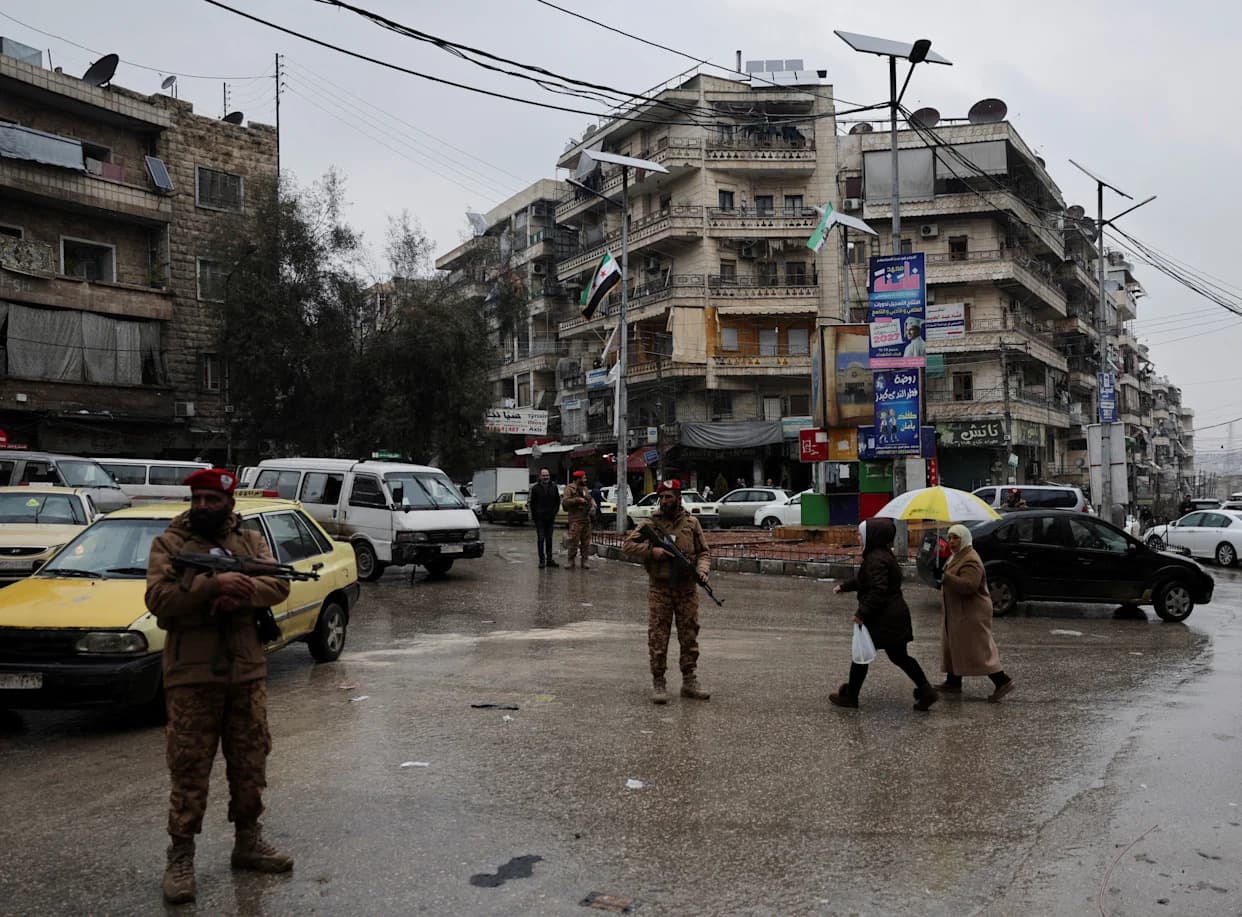
During Syria's long conflict, Hezbollah deployed thousands of fighters to support the Assad government. That involvement and years of sectarian violence left deep mistrust across communities. When insurgent groups entered Damascus in December 2024, ending the Assad family's 54-year rule, tens of thousands fled across the border into Lebanon, many to border towns like Hermel.
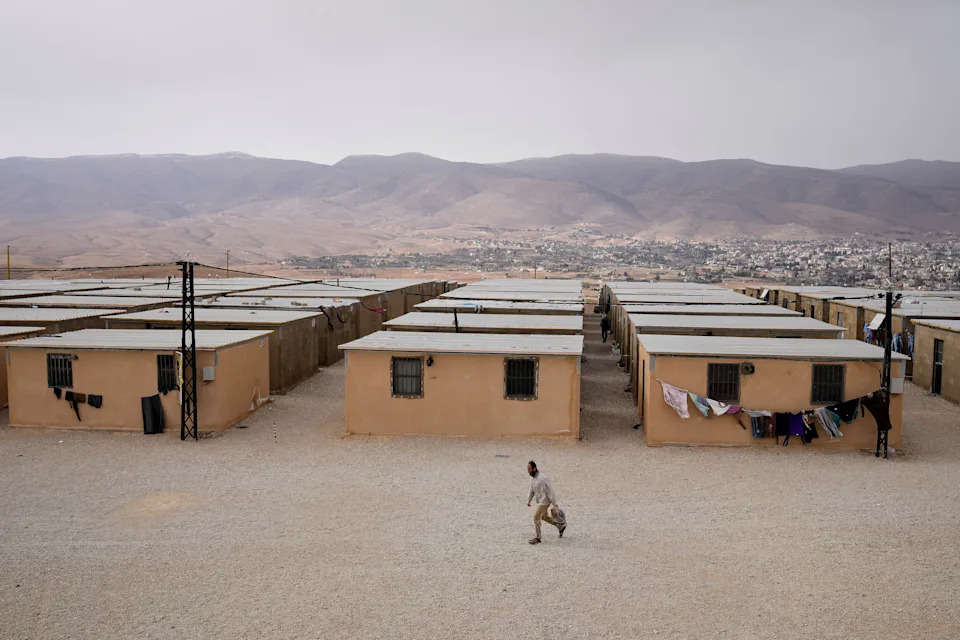
A Syrian Shiite man walks at the Imam Ali Housing Compound, where hundreds of mostly Lebanese and Syrian Shiite Muslims displaced from Syria reside, in Hermel, northeast Lebanon, Friday, Jan. 30, 2026. (AP Photo/Hussein Malla)(ASSOCIATED PRESS)
Allegations and Official Checks
Local media reports suggested the compound sheltered regime loyalists or served as a recruitment site for Iran-backed Hezbollah. The Lebanese army has conducted multiple sweeps and reported it found no armed activity or illegal operations. Lawmakers from anti-Hezbollah parties have nevertheless pressed the government for answers, and the United Nations refugee agency says it has no presence or information about conditions inside the complex.
Life Inside the Compound
Residents describe cramped but safer conditions compared with camps and overcrowded mosques. Units are typically a single room with a small kitchen and a toilet. Mohammed Assoura, 57, a Syrian who moved in with his wife in October, said he fled after relatives warned of reprisals following Assad's fall. 'Do I look like a fuloul of the regime?' he asked, using a term for regime remnants. He and others say they rely on local NGOs for aid and hope to return to Syria when it is safe.
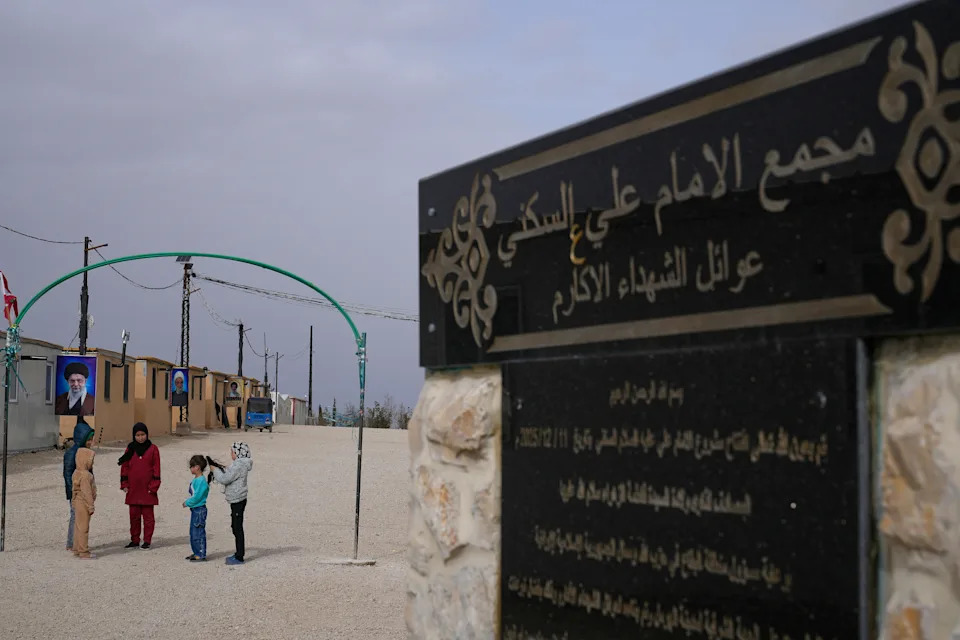
Syrian Shiite girls gather at the Imam Ali Housing Compound, where hundreds of mostly Lebanese and Syrian Shiite Muslims displaced from Syria reside, in Hermel, northeast Lebanon, Friday, Jan. 30, 2026. The Arabic words right, read:"The Imam Ali Housing Compound, families of the honorable martyrs." (AP Photo/Hussein Malla)(ASSOCIATED PRESS)
Maha al-Abeer, a widow from Qusair, runs a small grocery in her unit to support five family members and said the compound is 'better than staying in tents and mosques.' Elderly residents such as Shayban and Ihasn Midlij say they fled fearing sectarian reprisals and deny any organized pro-Assad presence.
Funding, Population Pressure and Refugee Flows
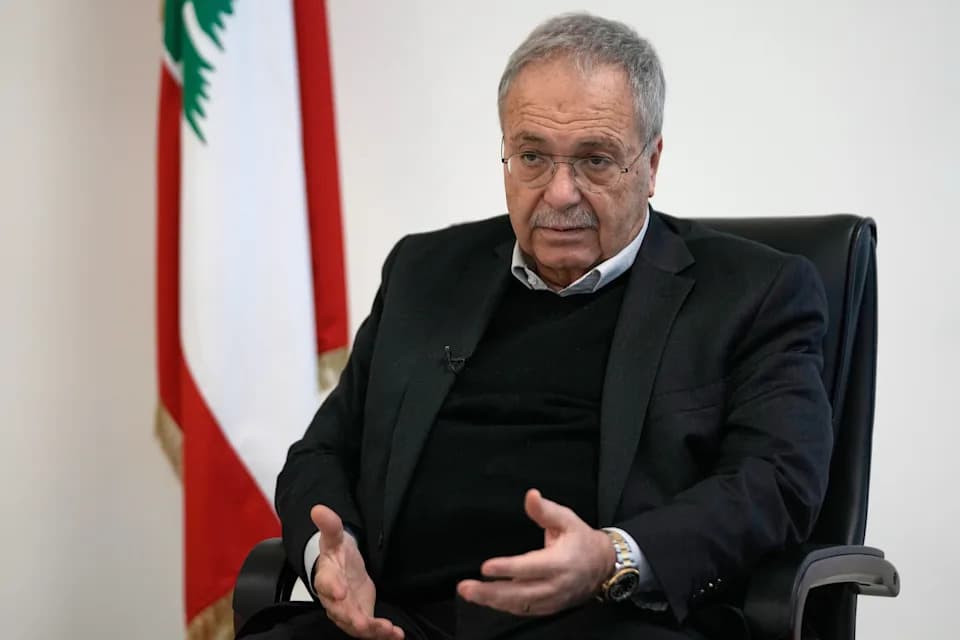
Hermel's mayor, Ali Taha, says the municipality provided the land and that funding for the units came from Shiite religious organizations in Iraq and Iran. The site was conceived partly to free up classrooms after an immediate post-fall influx — the mayor estimated about 50,000 people poured into Hermel when Assad fell. Lebanon has hosted around 1.5 million Syrian refugees during the war, while more than 5 million people fled Syria overall; Lebanese officials say roughly 500,000 Syrians have returned since the regime's collapse.
Outlook and Concerns
The controversy highlights broader issues facing Lebanon and the international community: how to protect vulnerable minorities, verify allegations without inflaming tensions, and provide humanitarian support while ensuring security and oversight in border areas. Local officials insist allegations are politically motivated and argue transparency and coordinated humanitarian aid are the best ways to reduce suspicion and ease residents' fears.
Note: The Lebanese army reported no illegal activity during its inspections. The United Nations refugee agency says it has no presence at the compound and no information about internal activities.
Help us improve.