Deputy Prime Minister Tarek Mitri says Lebanon's ties with Syria have shifted dramatically since the fall of Bashar Assad, and Beirut has approved transferring more than 300 convicted Syrians to finish sentences in Syria within weeks. About 2,500 Syrians remain in Lebanese prisons, with major violent offenders eligible for transfer only after serving at least 7.5 years. Lebanon and Syria formed a joint working group on disappearances, while tensions with Israel and Hezbollah's weapons continue to complicate security along the southern border.
Lebanon: Ties With Syria 'Radically Different' Since Assad's Fall, Deputy PM Says
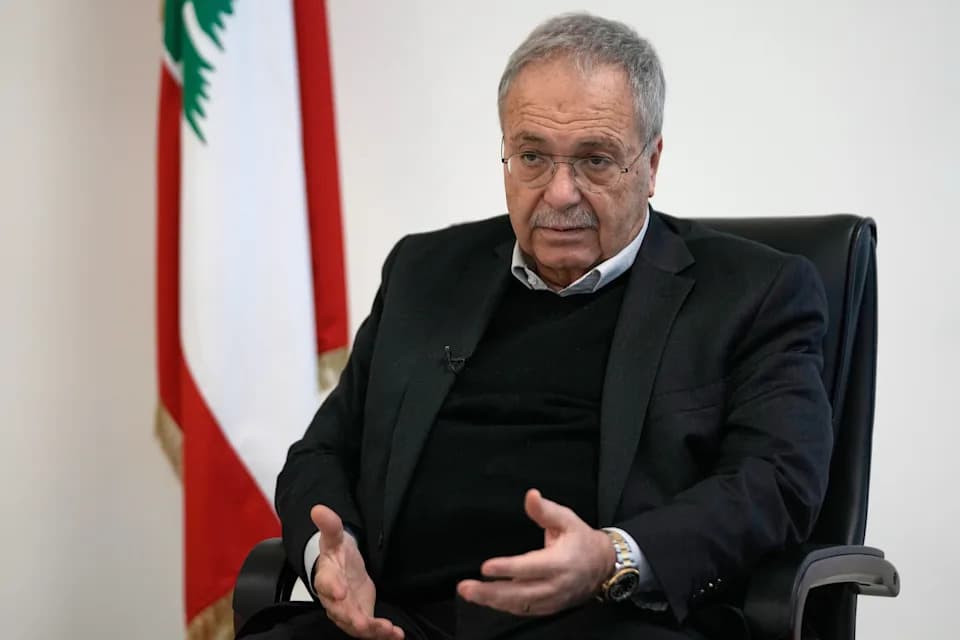
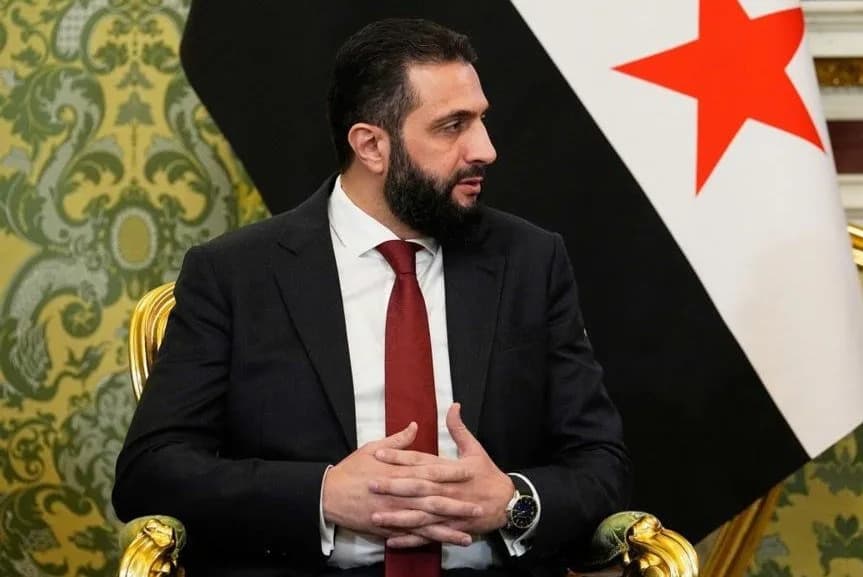
Lebanese Deputy Prime Minister Tarek Mitri, speaks during an interview with the Associated Press, in Beirut, Lebanon, Tuesday, Feb. 3, 2026. (AP Photo/Hussein Malla)(ASSOCIATED PRESS)
BEIRUT — Lebanon's relationship with Syria has shifted markedly since the fall of former President Bashar Assad, Deputy Prime Minister Tarek Mitri told The Associated Press on Tuesday. "Under the Assad regime, Lebanon was de facto under Syrian tutelage. The Syrian regime interfered in domestic affairs in so many ways," Mitri said. "The present Syrian government is neither interested in hegemony over Lebanon nor is it interfering in our internal affairs."
Mitri spoke after Lebanon's cabinet approved a bilateral agreement to transfer more than 300 convicted Syrian inmates to Syria to complete their sentences. He said the transfers are expected to begin within weeks.
Syrian Prisoners and Returned Detainees
Lebanon and Syria share a fraught history. Many Lebanese still resent the decades-long Syrian military presence that ended in 2005, while many Syrians remain bitter about Hezbollah's intervention in Syria's civil war on behalf of the Assad government. Those tensions complicate efforts to normalize ties even as both governments take steps to cooperate.
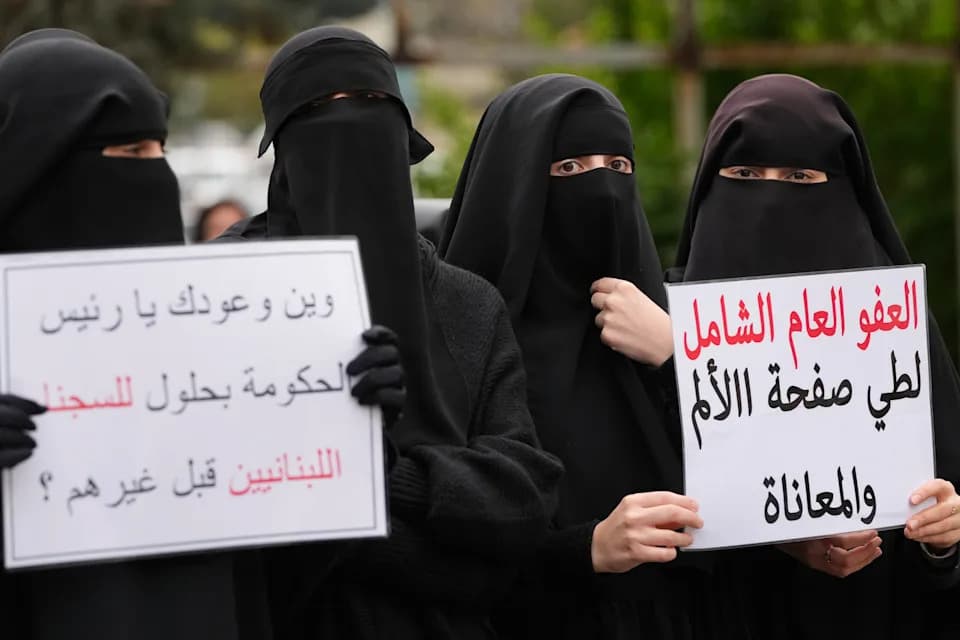
About 2,500 Syrians are currently held in Lebanese prisons, some on charges tied to armed opposition groups that once sought to overthrow Assad. Mitri said most of the prisoners designated for transfer were not convicted of violent crimes. Those convicted of "major crimes" — including murder, fighting the Lebanese army and rape — are eligible for transfer only if they have already served at least 7.5 years of their sentence in Lebanon.
Mitri added that a separate agreement under discussion would allow Syrians awaiting trial to be returned to Syria, but that pact will require parliamentary ratification in Lebanon and is likely to take longer.
Missing Persons and Security Concerns
The two countries have also established a joint working group to investigate the fate of Lebanese who disappeared in Syria and Syrians who disappeared in Lebanon. Many of the Lebanese missing are believed to have been detained — and possibly died — under the former Assad administration.
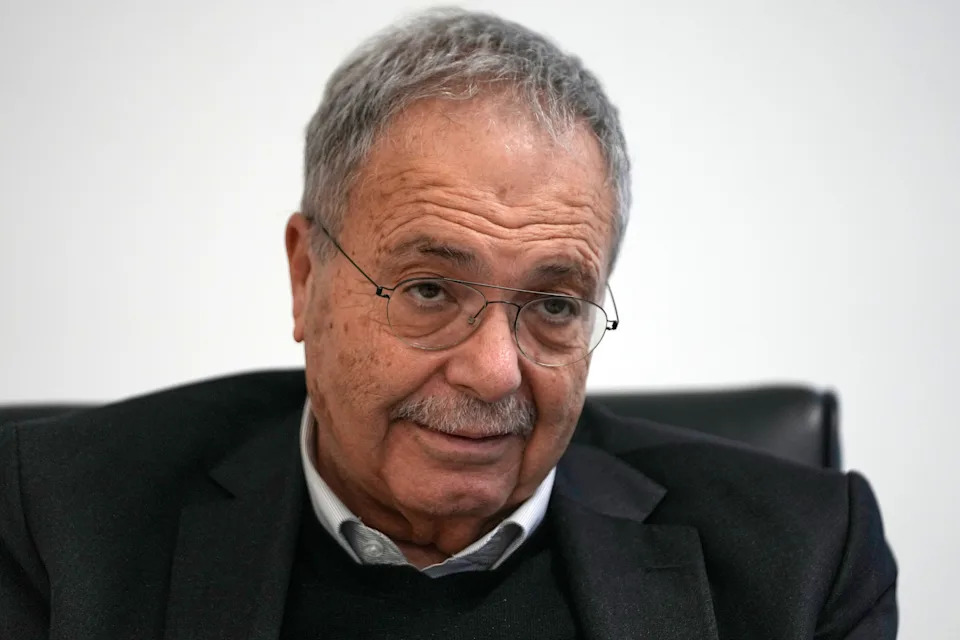
Lebanese Deputy Prime Minister Tarek Mitri, speaks during an interview with the Associated Press, in Beirut, Lebanon, Tuesday, Feb. 3, 2026. (AP Photo/Hussein Malla)(ASSOCIATED PRESS)
Since Assad's fall in a rapid offensive led by Islamist rebel groups in December 2024, Lebanese officials have been monitoring reports that some former Assad-era figures who took refuge in Lebanon might be plotting attacks against Syria's new authorities. Mitri said Lebanon has not received an extradition list from Syria and that Lebanese security agencies have found no evidence of organized armed plots. "There are middle-ranking leaders from the former Syrian military and Baath Party in Lebanon," he said, "but they are not militarily organized or active."
Hezbollah, Israel and Border Tensions
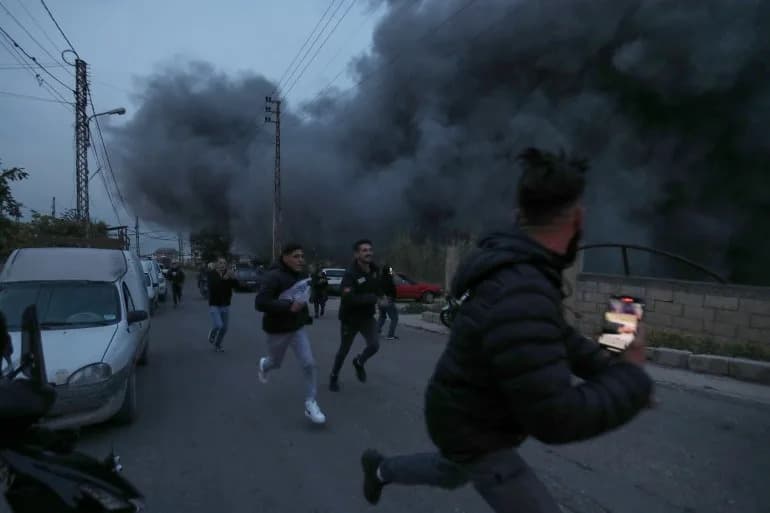
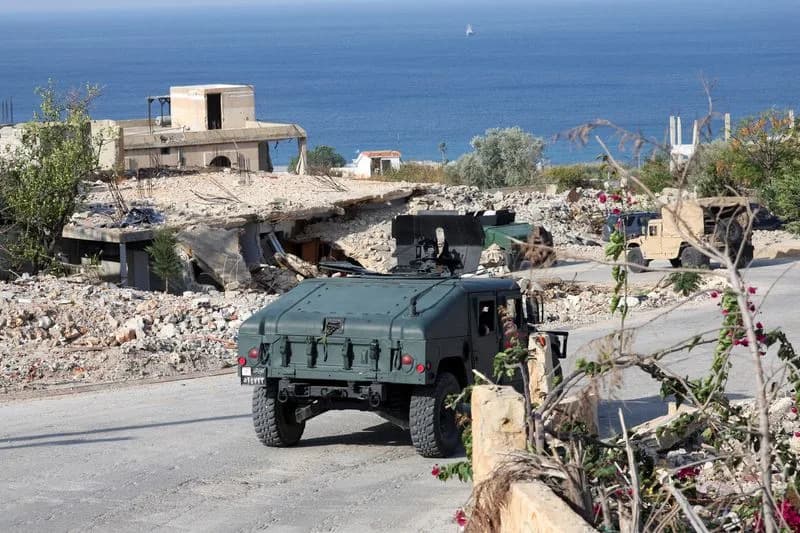
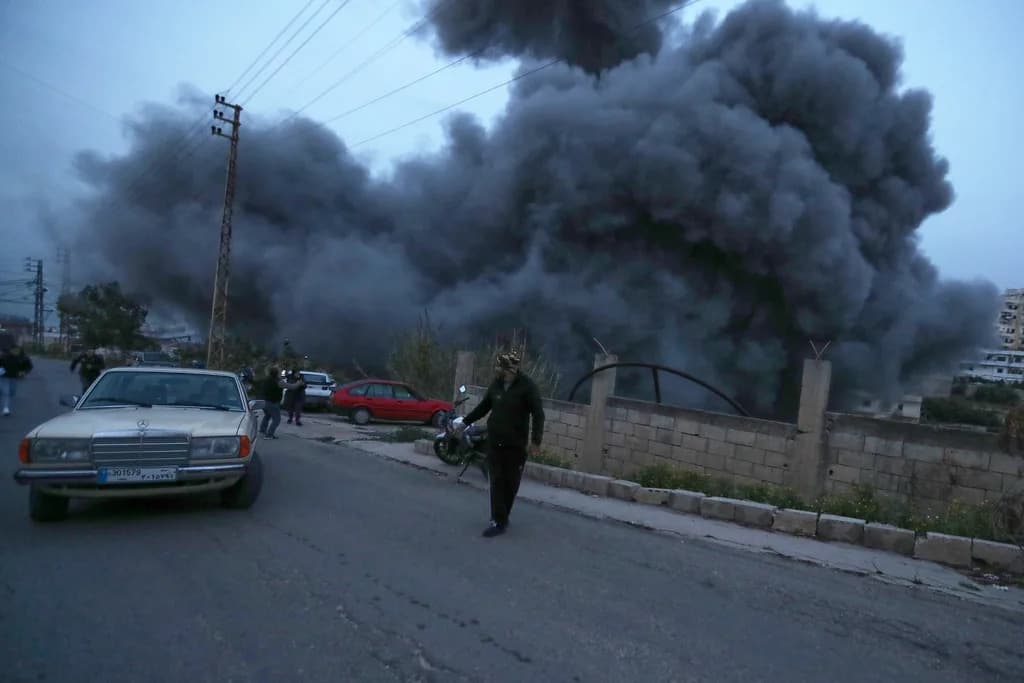
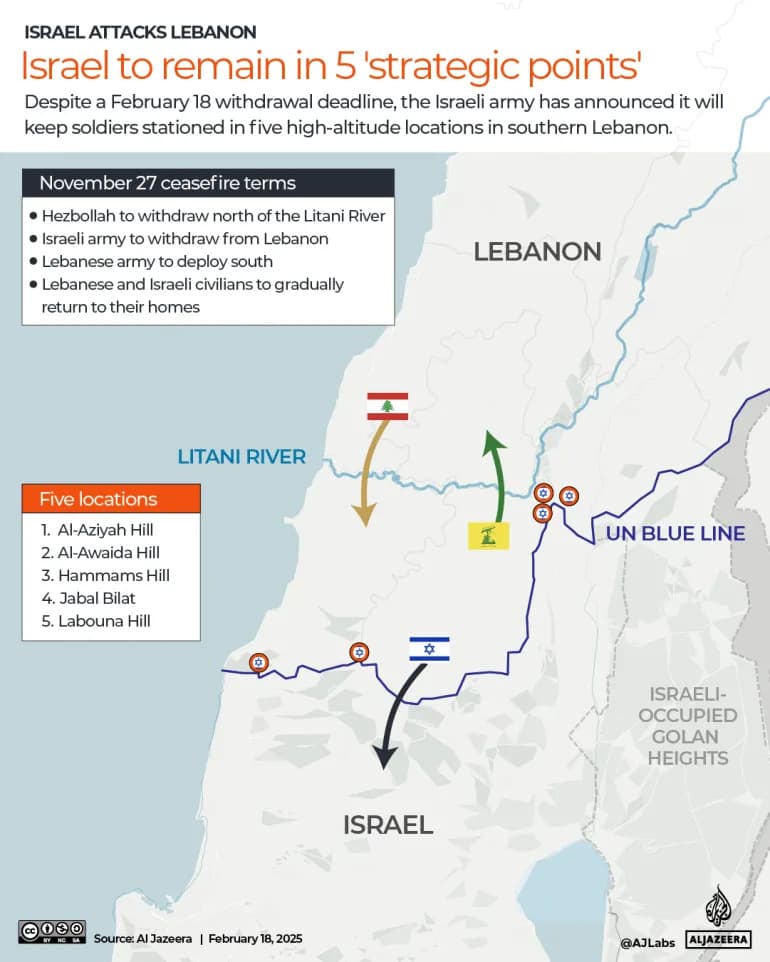
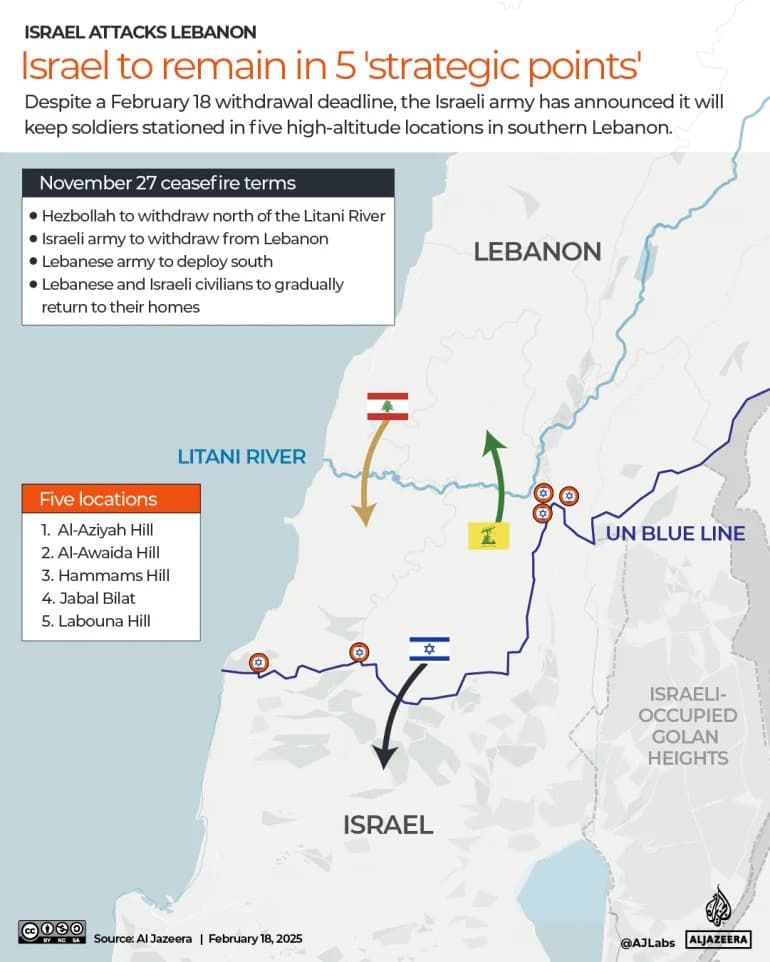
Lebanon's most difficult security challenge remains its southern border with Israel. Although a U.S.-brokered ceasefire largely halted the latest Israel-Hezbollah fighting in November 2024, Israel continues near-daily strikes in Lebanon and occupies five strategic hilltop positions along the border. Israel accuses Hezbollah of trying to rearm.
Lebanon's army said it completed the first phase of a plan to disarm non-state armed groups south of the Litani River; further phases will extend northwards. Hezbollah maintains that the ceasefire requires it to withdraw only from south of the Litani and has declined to discuss disarmament elsewhere until Israeli strikes stop. Mitri said the army's disarmament plan "is not conditional on steps from Israel," but acknowledged that ongoing Israeli violations complicate implementation.
UNIFIL and a Successor Force
Talks between Lebanon and Israel remain confined to the multinational ceasefire monitoring committee, which includes representatives from the United States, France and the U.N. peacekeeping force UNIFIL. Mitri said broader negotiations — including border demarcation or normalization — would depend on full compliance with the ceasefire agreement, including Israeli withdrawal from occupied outposts, an end to strikes and the release or transfer of Lebanese prisoners held by Israel.
With UNIFIL's mandate set to expire at year-end, Lebanon is discussing options for a successor. "From Lebanon's perspective, we need a neutral, internationally mandated force to observe and ensure that whatever is agreed upon is respected and that violations are documented," Mitri said.
Key facts: Lebanon approved the transfer of 300+ convicted Syrians to Syria; roughly 2,500 Syrians remain detained in Lebanon; transfers exclude most violent offenders unless they have served 7.5 years; joint working groups will probe disappearances; no evidence was found of organized plots by former Assad figures in Lebanon; border tensions with Israel and questions about Hezbollah's arms continue; discussions are underway about a successor to UNIFIL.
Help us improve.