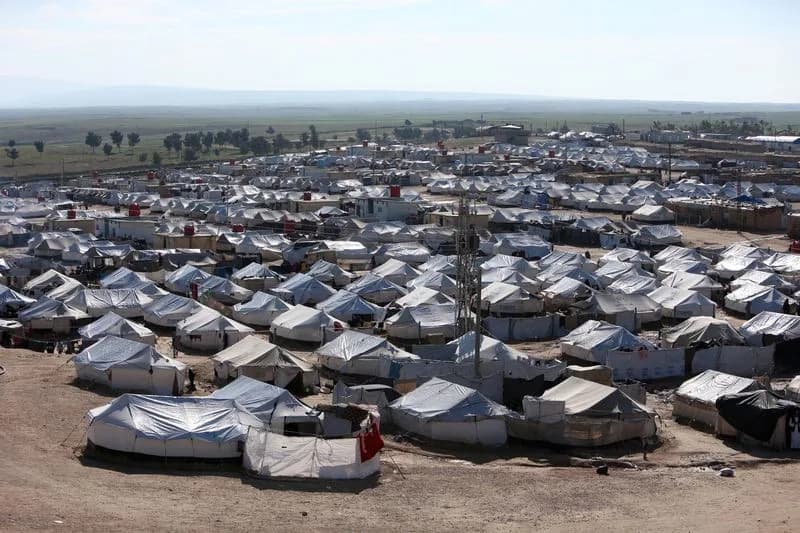
Syria has announced plans to permanently close the al-Hol and Roj displacement camps in the northeast, which together shelter more than 28,000 people, including about 8,000 foreign nationals. A Swiss charity told Reuters that Damascus aims to empty and shut the sites within a year. Syrian forces now control al-Hol after the SDF withdrew, while the SDF still holds Roj, where aid groups have evacuated amid security concerns. The camps, once home to over 50,000 people who fled Islamic State's final strongholds, are distinct from formal detention facilities.
Syria Plans To Close Al-Hol And Roj Camps Housing Over 28,000 People Linked To Islamic State
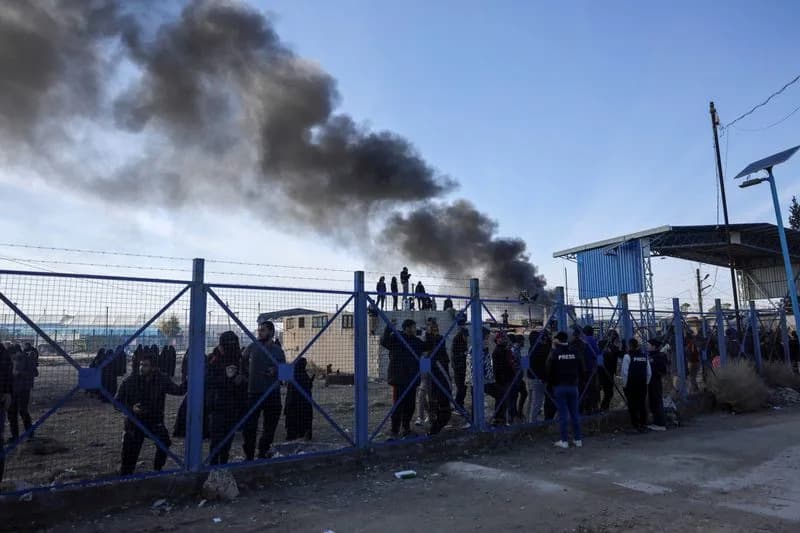
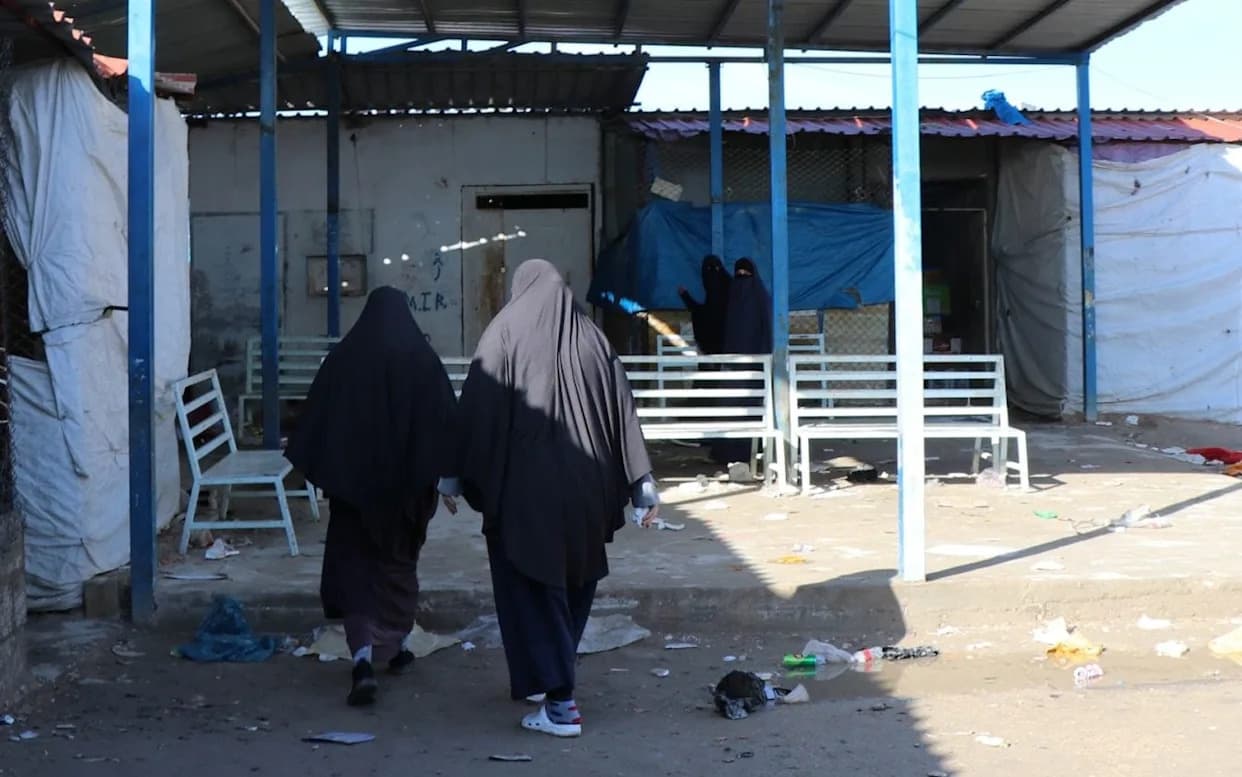
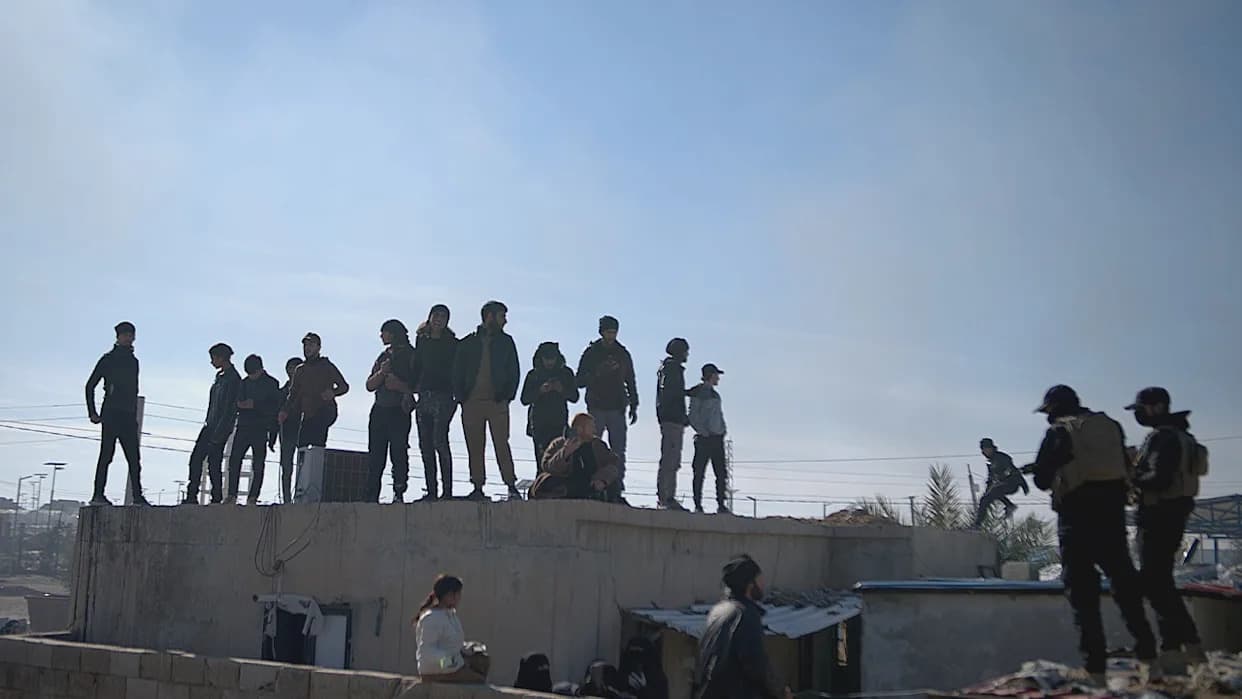
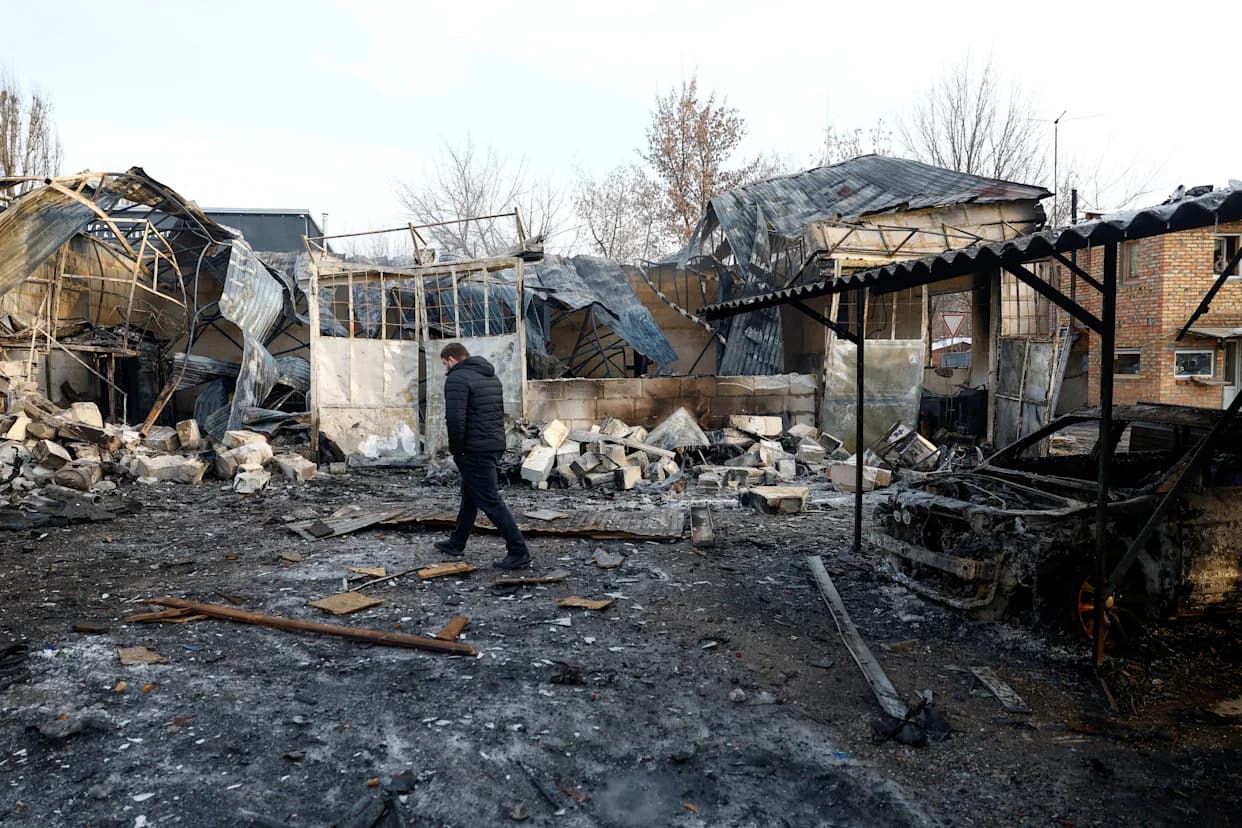
FILE PHOTO: Detainees gather at al-Hol camp after the Syrian government took control of it following the withdrawal of Syrian Democratic Forces (SDF), in Hasaka, Syria, January 21, 2026. REUTERS/Khalil Ashawi/File Photo
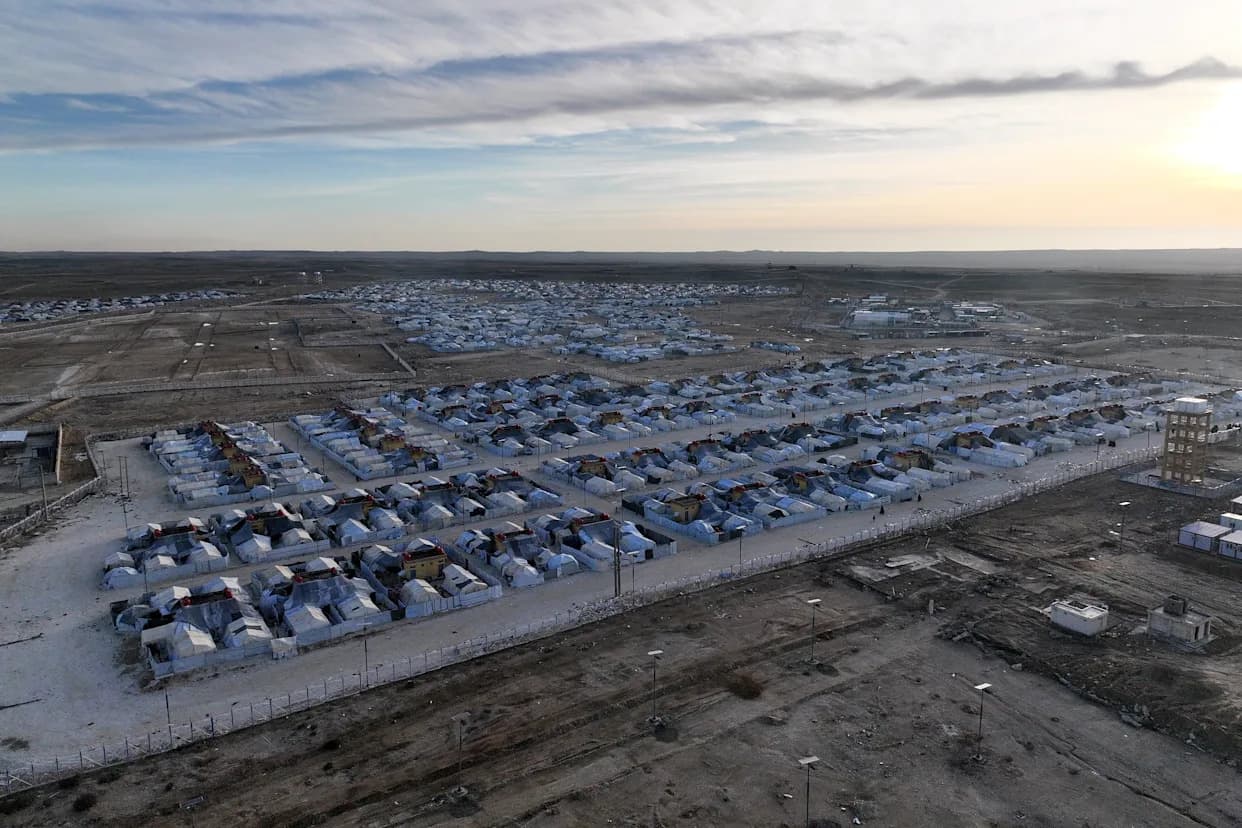
Syria plans to permanently close two displacement camps in the northeast — al-Hol and Roj — that together shelter more than 28,000 people, including roughly 8,000 foreign nationals, a government official told Reuters on Friday.
According to the United Nations, the camps hold mostly Syrians and Iraqis; roughly 6,000 foreign nationals are in al-Hol and about 2,000 in Roj. The Swiss-based Global Community Engagement and Resilience Fund, a charity that has worked inside both sites, said it understands Damascus aims to empty and shut the camps within a year.
Recent Developments
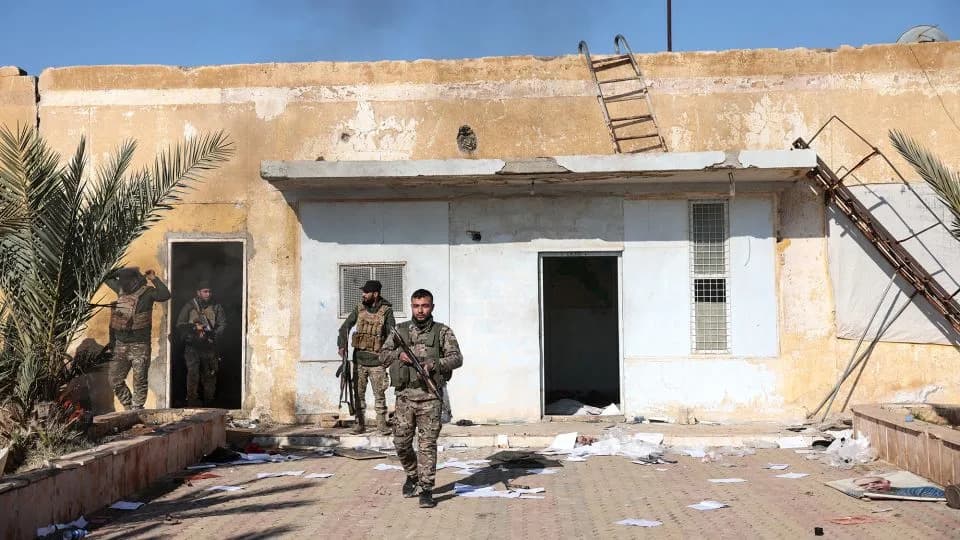
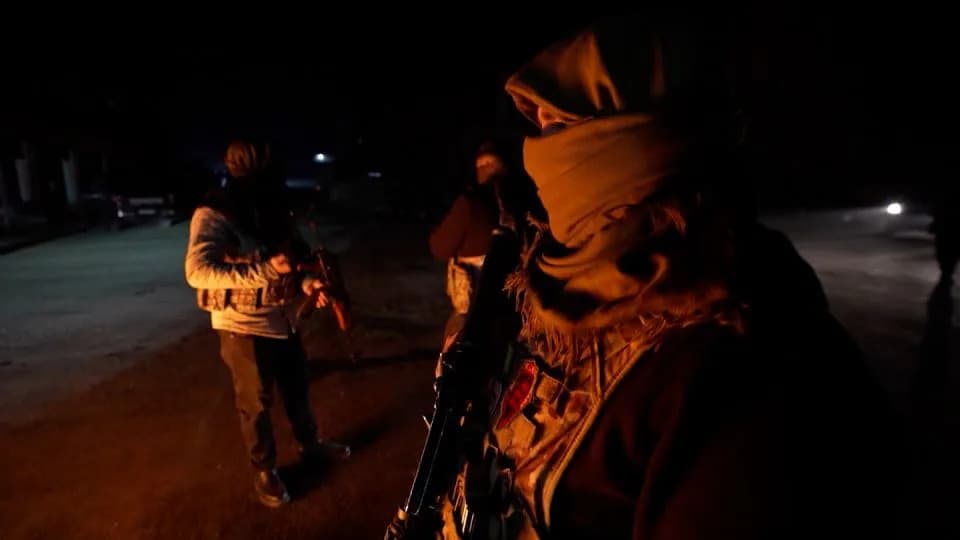
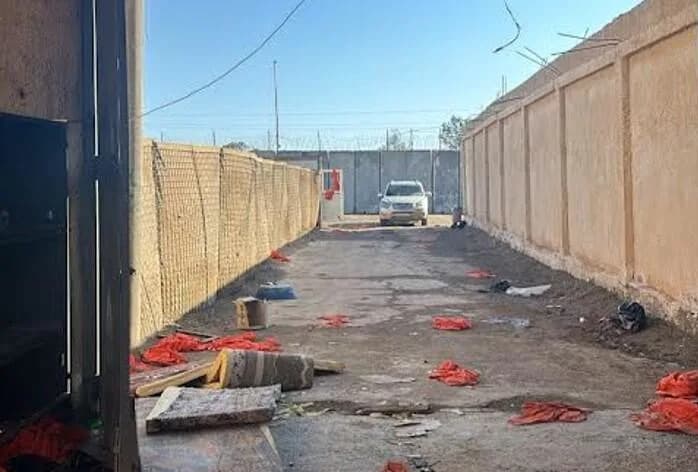
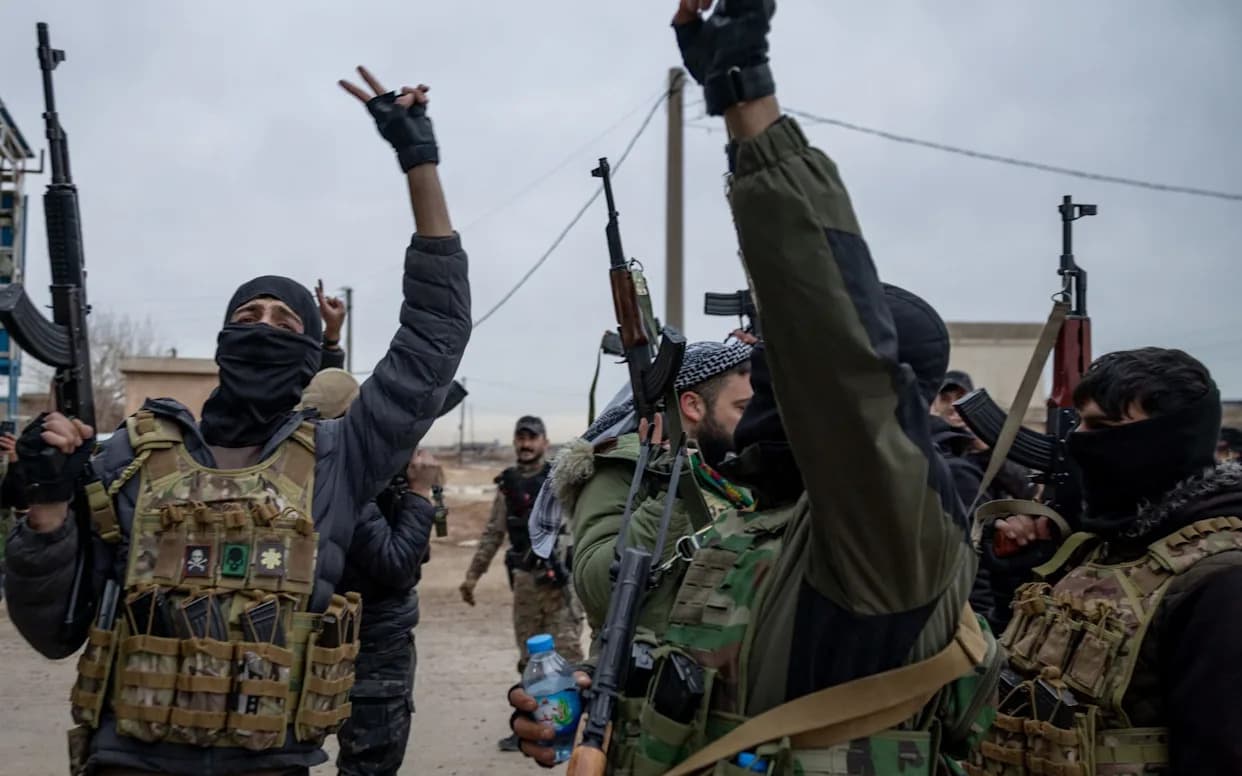
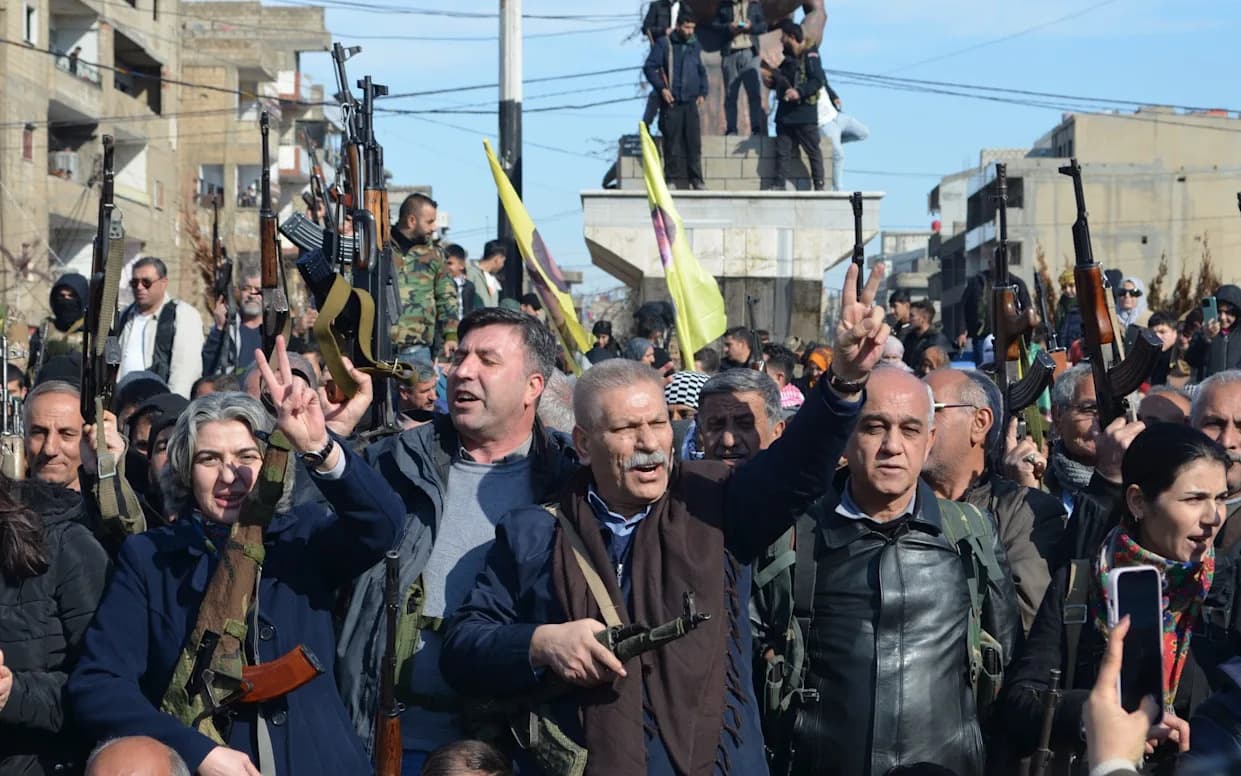
Syrian government forces recently took control of al-Hol after the Kurdish-led Syrian Democratic Forces (SDF) withdrew. The SDF still controls Roj, where residents have reported being confined to their tents as humanitarian groups evacuated amid rising security concerns.
Context And Humanitarian Concerns
At their peak the two camps held more than 50,000 people who fled Islamic State's last strongholds as the group lost territory over the past decade. Numbers have since fallen, largely because of repatriations — primarily carried out by Iraq.
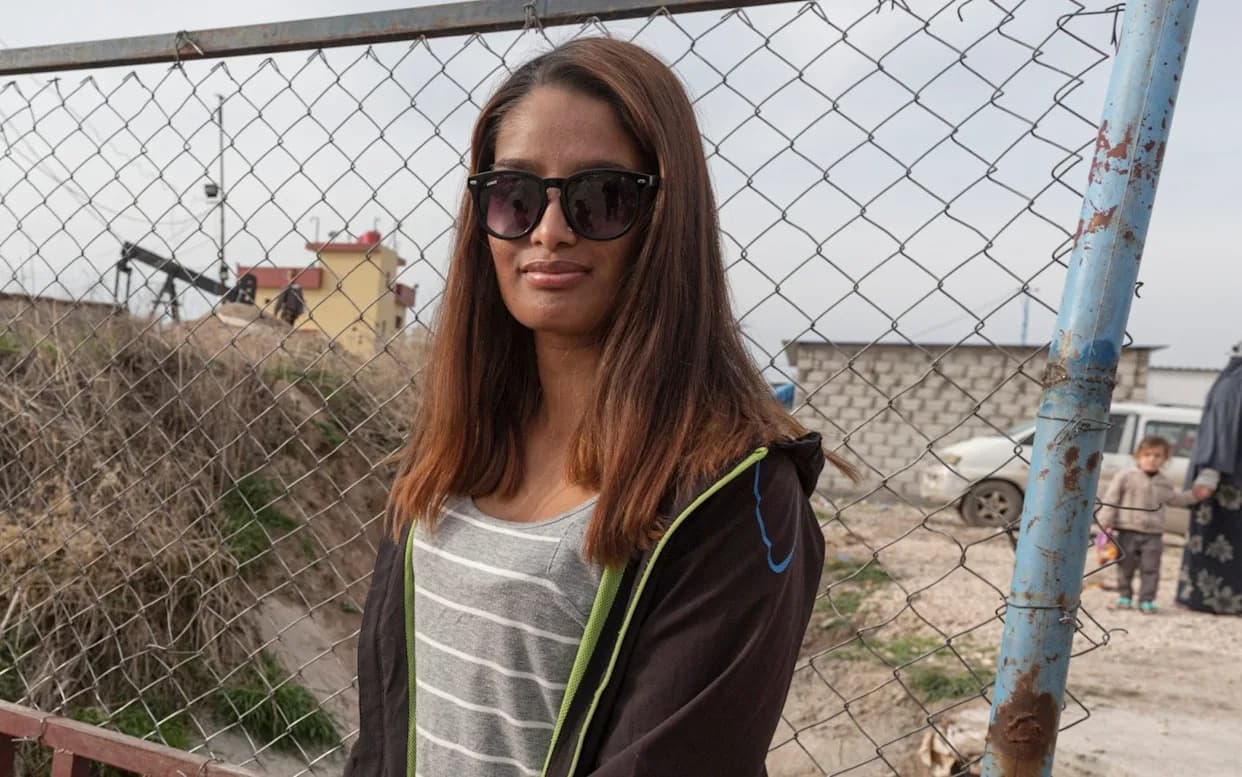
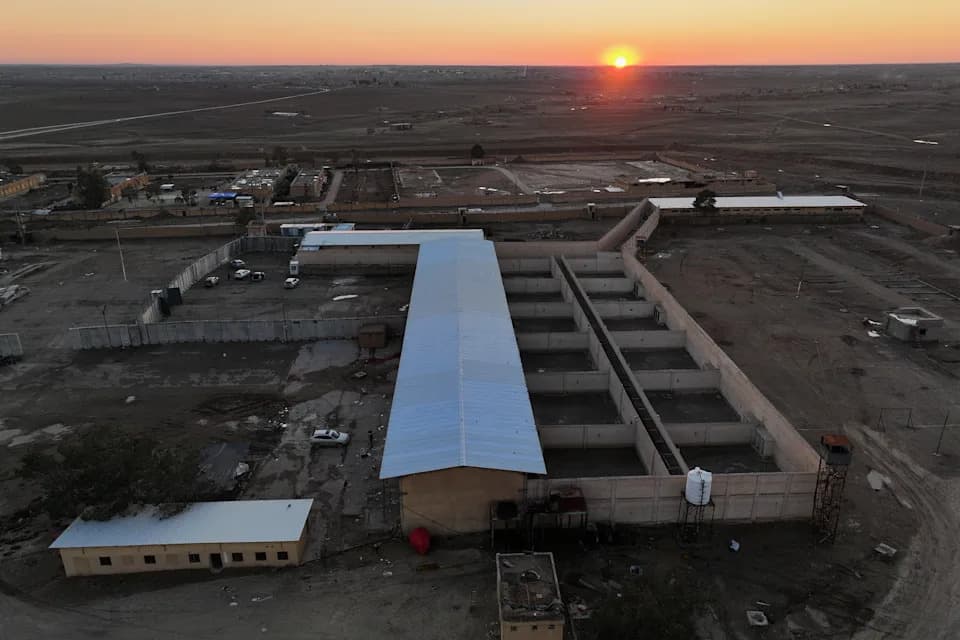
Authorities and rights groups note that these displacement camps house families and others with alleged IS links and are distinct from formal detention facilities that hold suspected fighters. Among the foreign nationals still at the camps is Shamima Begum, the British-born woman who left the UK to join IS.
Reporting: Feras Dalatey in Damascus; additional reporting by Olivia Le Poidevin in Geneva; writing by Enas Alashray; editing by Aidan Lewis and Andrew Cawthorne.
Help us improve.