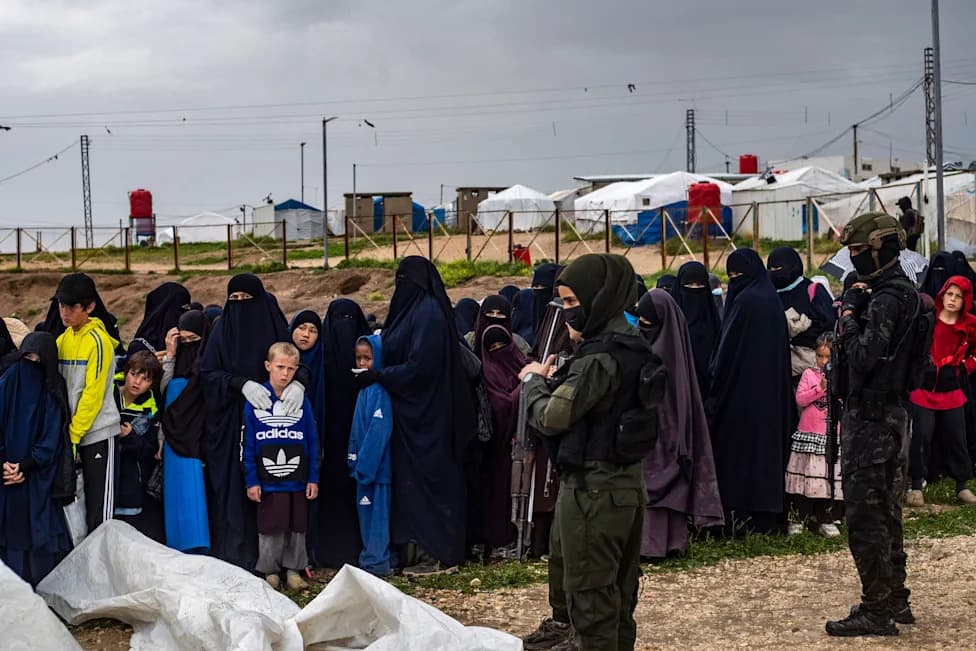
CBS News found empty cells and abandoned orange jumpsuits at al‑Shaddadi prison in northeast Syria, prompting renewed U.S. security concerns. Syrian authorities say about 120 detainees escaped as government forces moved in; the SDF denies the claim and officials later said most were recaptured. Escalating clashes between the SDF and Syria's new government have raised fears of further breakouts from facilities such as Ghwayran and Al‑Aqtan, and of renewed instability at the al‑Hol displacement camp.
CBS Finds Empty Cells, Abandoned Orange Jumpsuits at al‑Shaddadi Prison Amid Northeast Syria Clashes
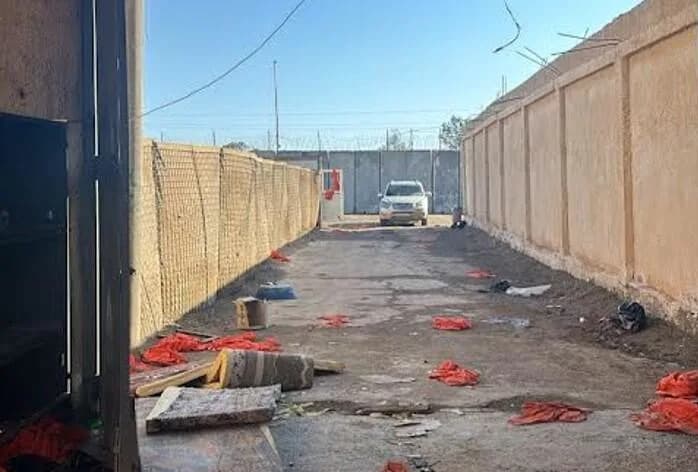
A photo taken by CBS News on Jan. 19, 2026, shows discarded prison jumpsuits and other items on the ground at an entrance to the abandoned Al-Shaddadi detention center in northeast Syria's al-Hasakah province. / Credit: CBS News/Moawia Atrash
Erbil, Iraq — CBS News on Monday reported finding empty cells and discarded orange prison jumpsuits inside the al‑Shaddadi detention complex in northeast Syria — a facility that until days earlier held people suspected of affiliation with ISIS. The discovery has amplified concerns about the security of detention facilities amid recent fighting across the region.
What Happened
Syria's Interior Ministry accused the U.S.-backed Syrian Democratic Forces (SDF) of allowing roughly 120 detainees to flee al‑Shaddadi — located less than two miles from a U.S. military outpost — as Syrian government forces moved to secure the site. The SDF denied permitting any mass departures, and Syrian authorities later said most of the alleged escapees were recaptured. Independent confirmation of the exact numbers is limited amid ongoing clashes.
Background And Stakes
The SDF — an umbrella of predominantly Kurdish forces — was a key U.S. partner in the campaign against ISIS beginning in 2014. Recent clashes between the SDF and Syria's new post‑war government, led by Ahmad al‑Shaara, have complicated long-standing security arrangements, raising questions about who ultimately controls prisons, camps and border areas across northeast Syria.
Prisons, Camps And U.S. Presence
Fighting has flared across Raqqa and al‑Hasakah provinces, where several facilities hold thousands of suspected ISIS detainees. Al‑Aqtan prison in Raqqa reportedly holds close to 1,000 detainees, while Ghwayran in al‑Hasakah houses thousands of hardened inmates and has experienced multiple riots and escape attempts over the years. The sprawling al‑Hol displacement camp — home to more than 40,000 people, including relatives of ISIS members — has also seen fighting and reports of pro‑government forces moving into parts of the site.
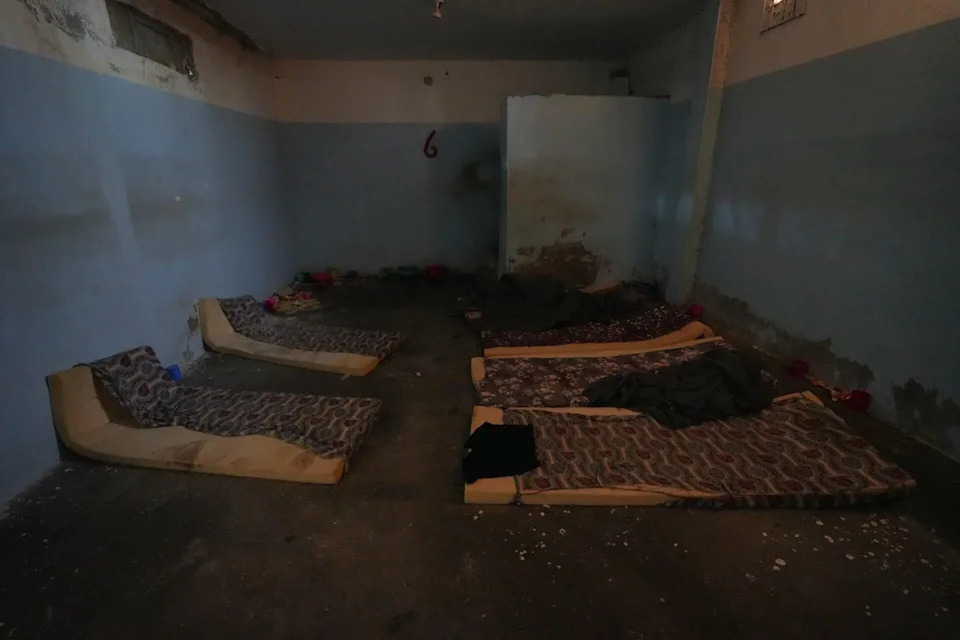
An empty room at the al-Shaddadi Prison in Hasakah, northeast Syria, where ISIS detainees had been held, is seen on Jan. 20, 2026. / Credit: CBS News/Moawia Atrash(CBS News/Moawia Atrash)
A U.S. military source told CBS News there is a U.S. combat outpost near al‑Shaddadi that is used primarily for intelligence gathering and surveillance, and a Pentagon official has said roughly 1,000 U.S. personnel remain in Syria to help counter ISIS threats.
Diplomacy And The Road Ahead
U.S. special envoy to Syria Thomas Barrack said the emergence of Damascus' new government has altered the original U.S.–SDF rationale, arguing that Damascus is now positioned to assume more security responsibilities, including oversight of detention facilities. Barrack urged dialogue between Damascus and the SDF and called for a peaceful pathway for integrating SDF forces and protecting the rights of Syria's Kurdish population.
Analysts warn that continued clashes risk additional prison breaches, mass escapes and wider instability in a region that still hosts ISIS adherents and sleeper cells. Verification of claims from all sides remains challenging while fighting continues; international monitoring and diplomatic efforts will be important for preventing further deterioration.
Note: Reporting remains fluid. Many details are contested by the parties involved, and independent verification is limited in active conflict zones.
Help us improve.