Hezbollah has launched only one reported attack in the 14 months since a November 27, 2024 ceasefire, despite Lebanese claims of over 11,000 Israeli violations and ongoing strikes that have displaced roughly 64,000 people. Analysts say Hezbollah's military capacity was heavily degraded in the 2024 war, with many field commanders killed and command-and-control weakened, though claims that leader Hassan Nasrallah was killed are unsubstantiated. Experts believe the group would only risk major retaliation if faced with an existential external shock—such as a direct attack on Iran—or a dramatic regional escalation; otherwise any response would likely be limited and asymmetric.
Why Has Hezbollah Stayed Mostly Silent? 14 Months After the Ceasefire
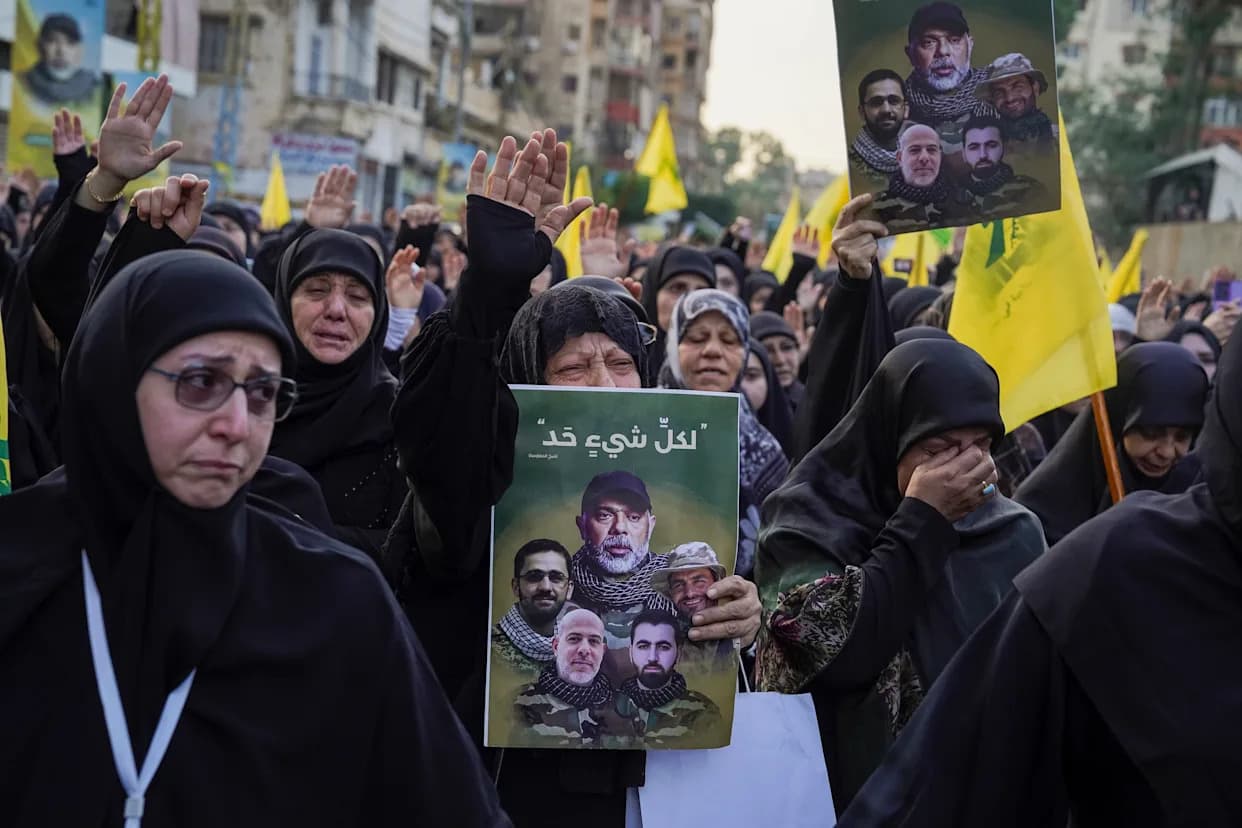
Hezbollah supporters mourning during the funeral procession of top military commander Haytham Ali Tabatabai on November 24, 2025 in Beirut, Lebanon. [File: Adri Salido/Getty Images)
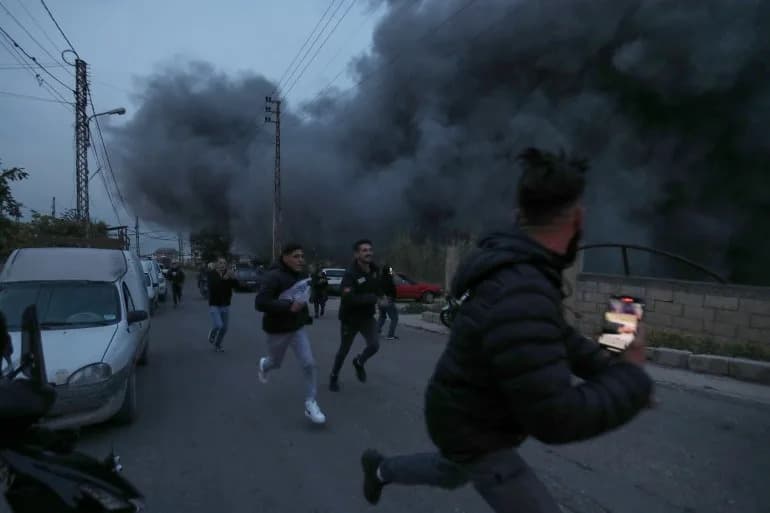
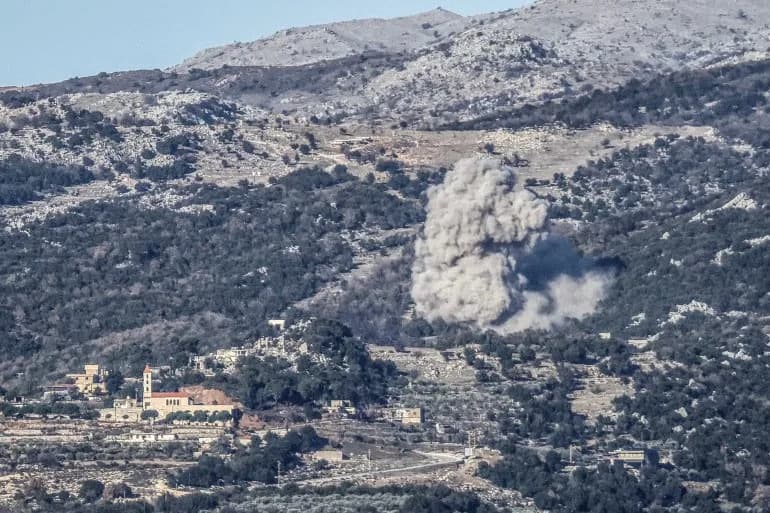
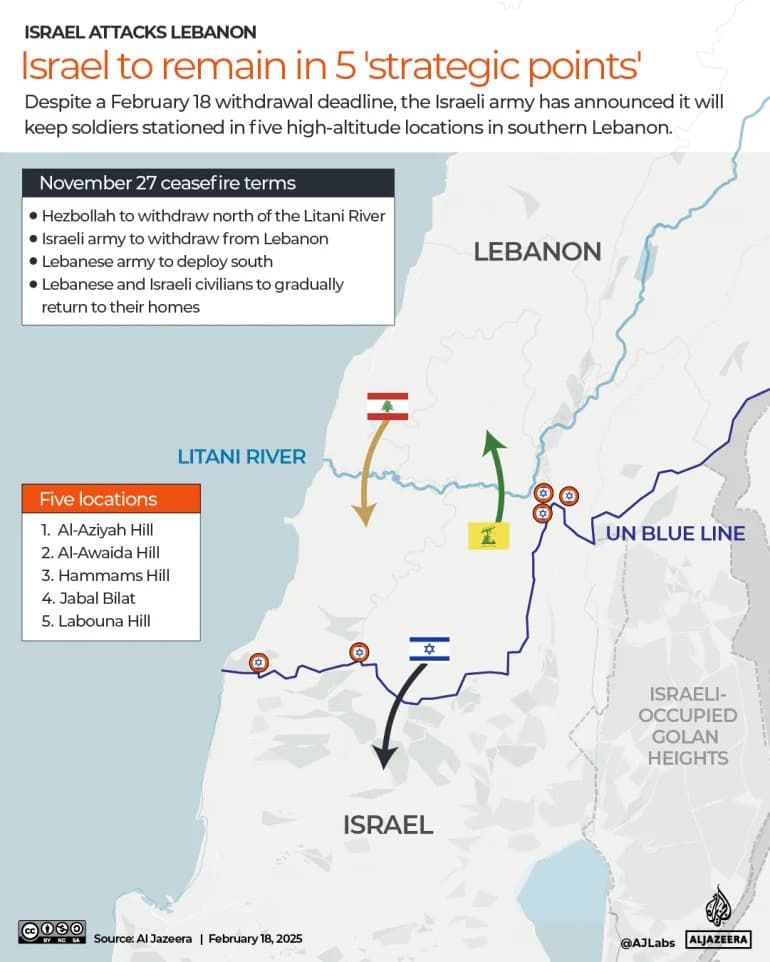
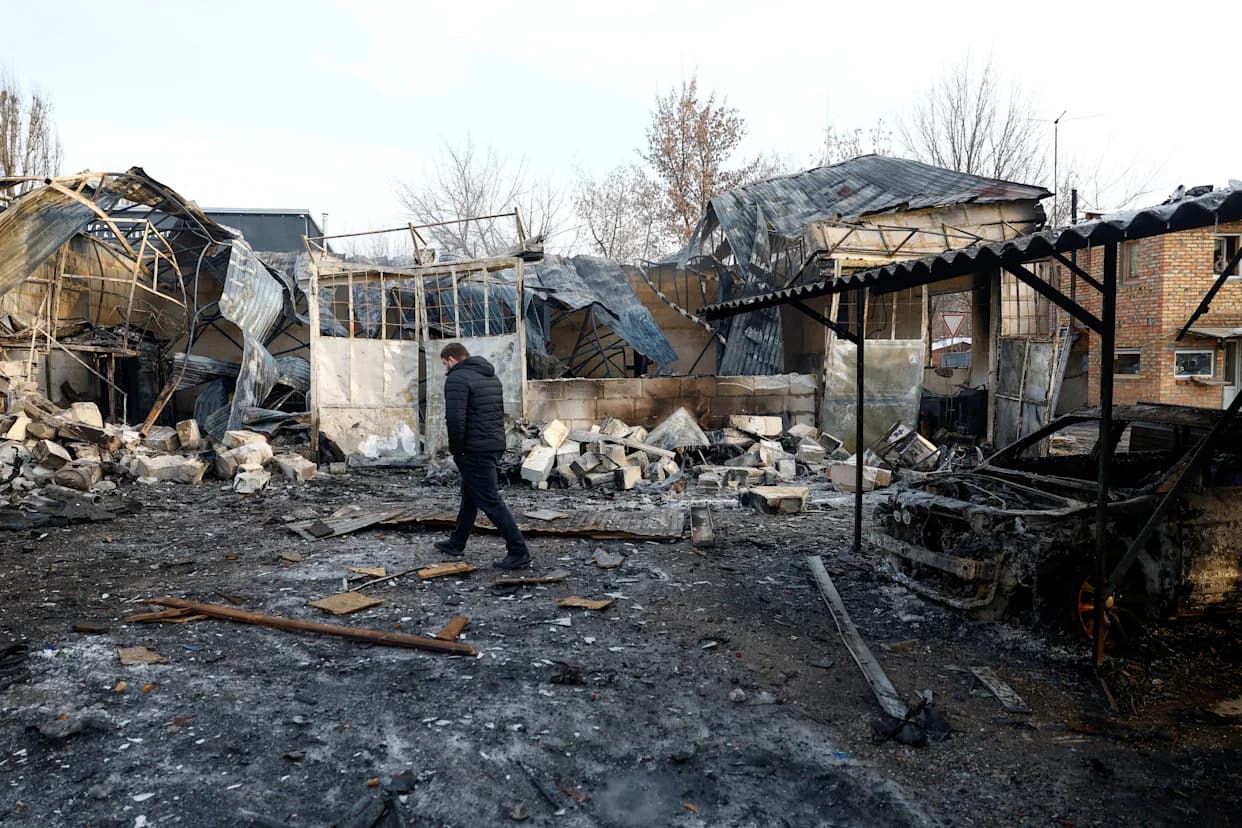
Beirut — Fourteen months after a November 27, 2024 ceasefire with Israel, Hezbollah has launched only a single reported attack, despite Lebanese sources alleging more than 11,000 Israeli violations during the truce. Israeli strikes and occupations in parts of southern Lebanon and the Bekaa Valley continue to displace civilians and hamper reconstruction.
Background
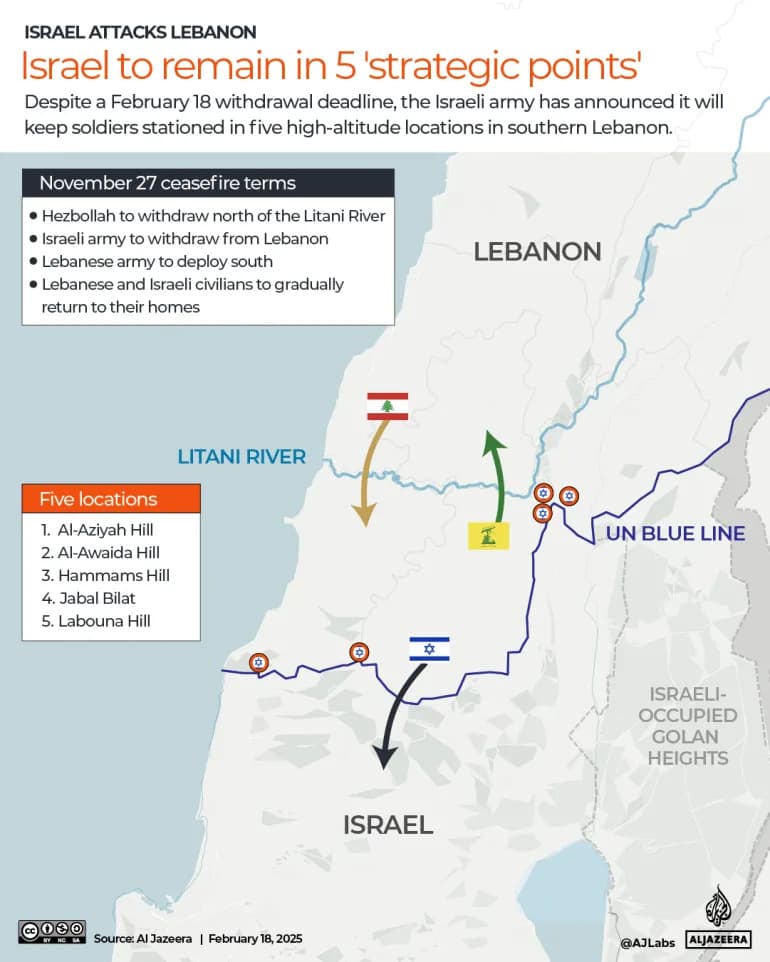
The ceasefire called for both sides to stop hostilities, for Hezbollah to withdraw forces from south of the Litani River, and for Israeli forces to withdraw from positions inside Lebanon. In practice, Israel has continued strikes and maintains control of several points in southern Lebanon, while issues such as Lebanese detainees in Israeli prisons and the pace of reconstruction remain unresolved.
Current Situation
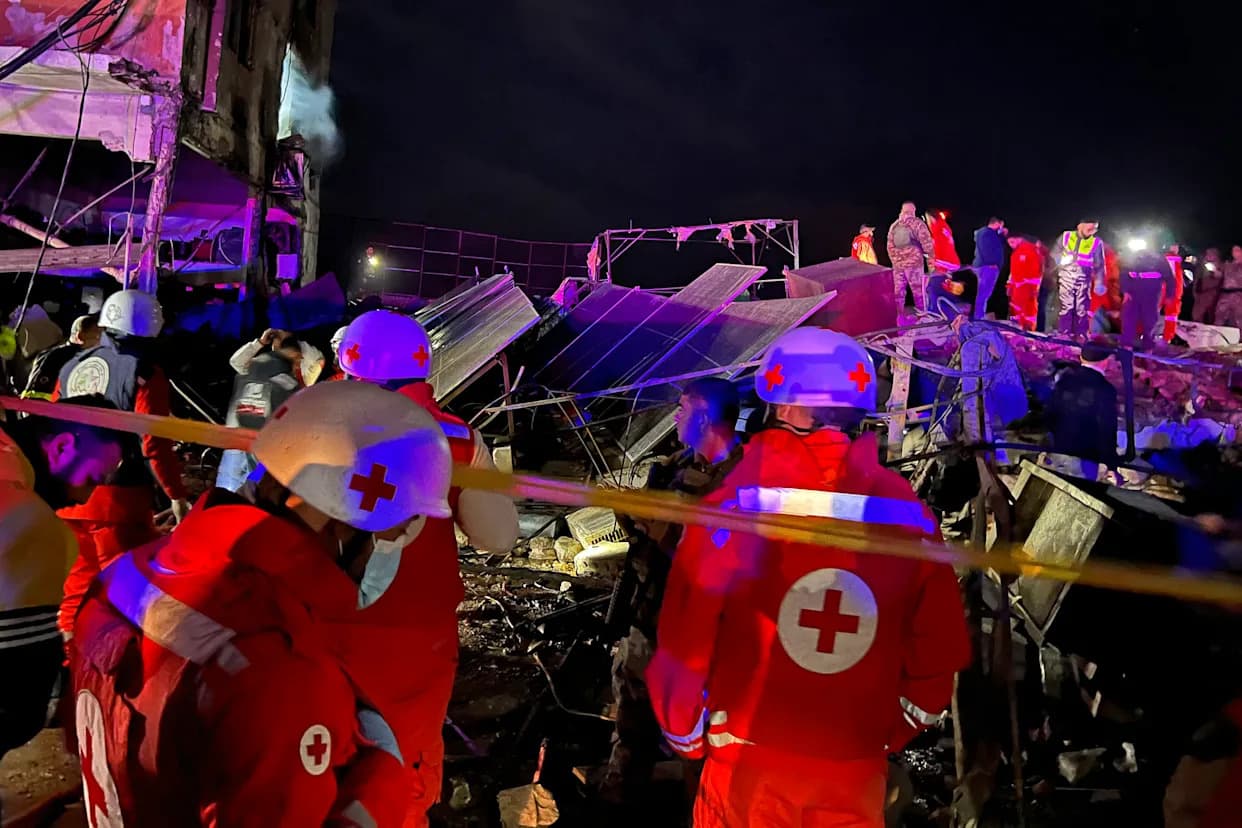
Local sources estimate roughly 64,000 people remain displaced by ongoing strikes. Since the ceasefire, Hezbollah's only widely reported action was a December 2024 shot fired at an Israeli military post; that exchange reportedly caused no casualties from the initial shot, but Israeli follow-up strikes killed 11 people in Lebanon. In subsequent months, Lebanese authorities and observers attribute more than 330 deaths to Israeli strikes, including at least 127 civilians and the killing of a senior Hezbollah commander, Haytham Ali Tabatabai.
Why Hezbollah Has Largely Held Back
Analysts say Hezbollah's capacity to mount a broad retaliation was severely degraded during the 2024 war. Many field commanders and senior military figures were reportedly killed and the group's logistics and leadership structures suffered damage from precision strikes and intelligence-driven operations. Claims that Hezbollah's long-time political leader Hassan Nasrallah was killed during the war are not substantiated; Nasrallah has continued to appear in public and to lead the movement.
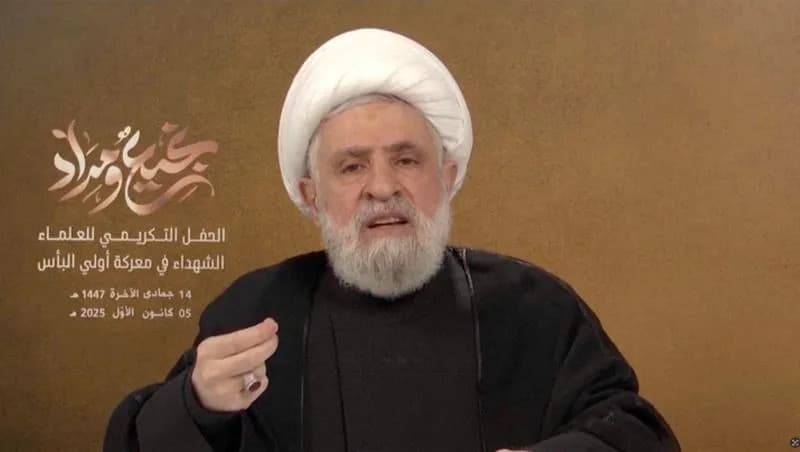
"No one can predict when Hezbollah will respond," said journalist Qassem Kassir, who is close to the group. "It is linked to escalating Israeli aggression; [a Hezbollah response will happen] if a suitable opportunity presents itself, and in the event that diplomatic efforts fail."
What Could Force a Response?
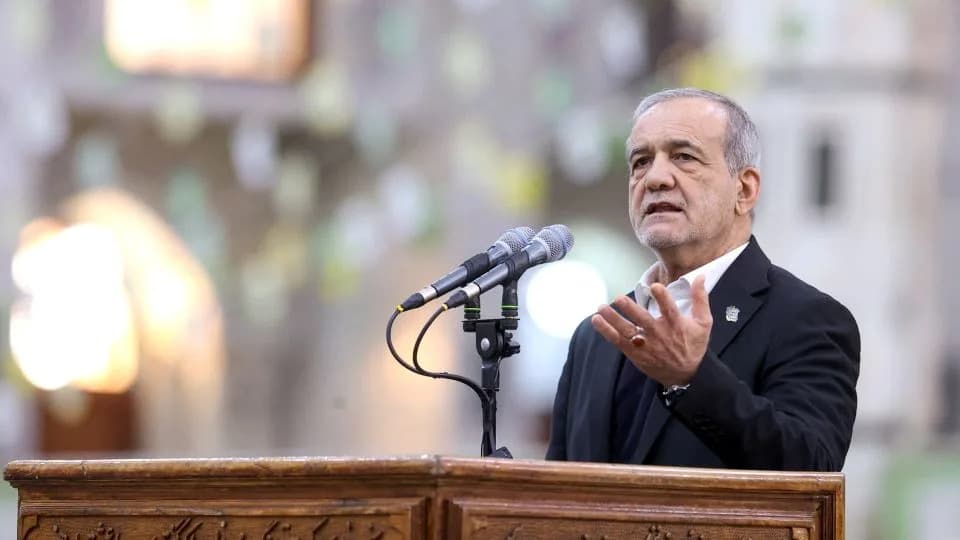
Most analysts argue Hezbollah will avoid large-scale retaliation unless faced with a dramatic external shock. A direct attack on Iran — Hezbollah's principal patron — or a clear existential threat to the Iranian government could prompt the group to act. Otherwise, responses are expected to be limited, asymmetric and calibrated to signal relevance without triggering full-scale war.
Human Cost and Political Stakes
Hezbollah has said it honored the truce to allow the Lebanese state and army time to pursue diplomatic solutions and to facilitate reconstruction and returns. Domestic political pressure, the need to rebuild infrastructure, and concern about provoking a devastating Israeli military response all constrain the group's willingness to escalate.
Outlook
Absent a regional escalation or a direct attack on Iran, experts expect Hezbollah to remain cautious. Any future strikes would likely be tightly measured — intended to deter or signal resolve rather than to spark wide-ranging conflict — because the group currently faces limits in leadership, logistics and political cover for broad escalation.
Help us improve.