Lebanon’s Cabinet approved an agreement to return Syrian nationals serving sentences in Lebanese prisons to Syria, a move that removes a major obstacle to improving ties after Assad’s ouster in December 2024. About 2,000 Syrians are detained in Lebanon — roughly 800 accused of attacks — and the deal will initially transfer about 300 prisoners. Officials said other issues, including Lebanese who disappeared into Syrian custody and border demarcation, remain unresolved. Protests in Beirut called for similar solutions and amnesty for Lebanese detainees.
Lebanon Approves Transfer of Syrian Prisoners to Syria, Easing Diplomatic Tension
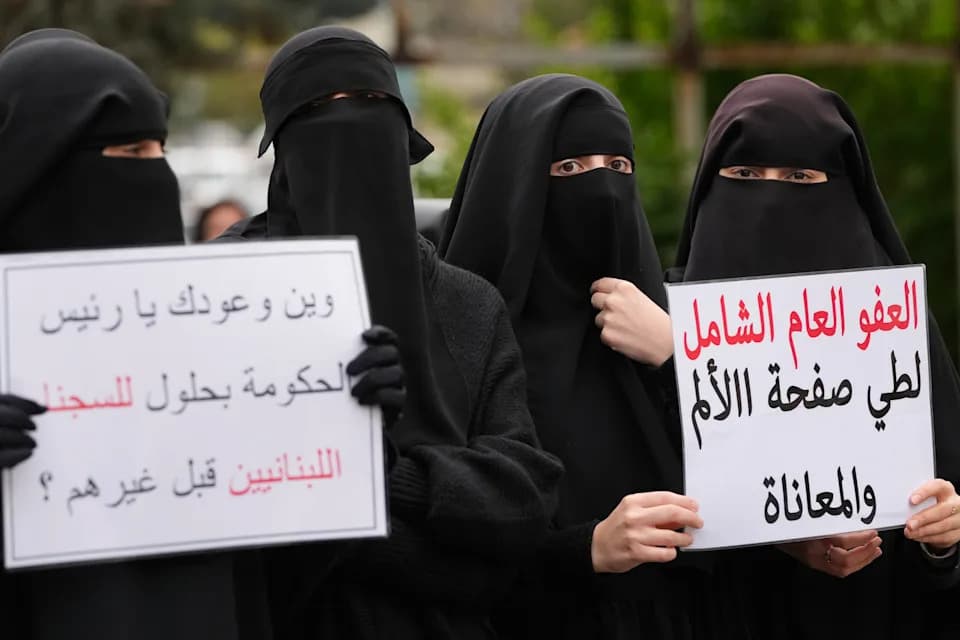
Women hold a placard reading in Arabic, "A comprehensive general amnesty to put an end to the pain and suffering," during a protest demanding a general amnesty for Islamic groups and other prisoners, in downtown Beirut, Lebanon, Friday, Jan. 30, 2026. (AP Photo/Hassan Ammar)(ASSOCIATED PRESS)
BEIRUT — Lebanon’s Cabinet on Friday approved an agreement to repatriate Syrian nationals serving sentences in Lebanese prisons so they can complete their terms in Syria, officials said.
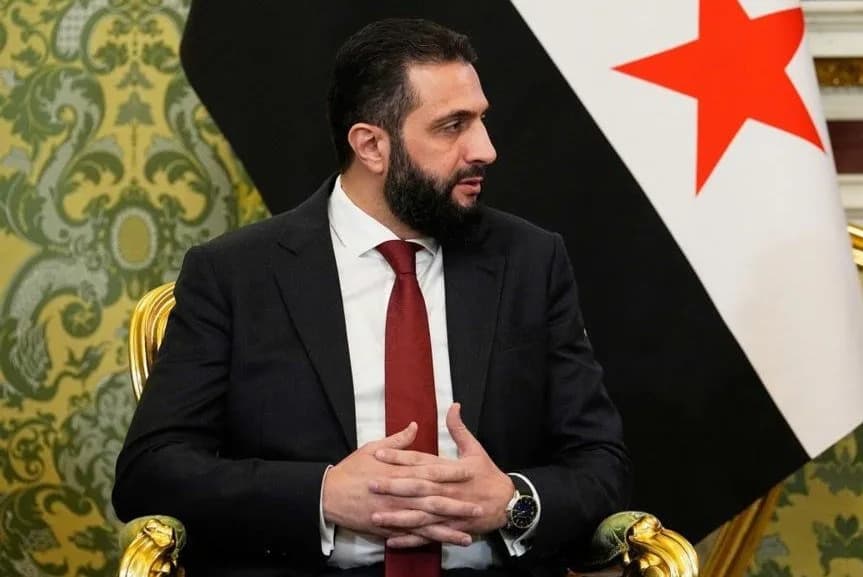
The decision comes as Beirut and Damascus attempt to recalibrate relations after the December 2024 ouster of Syrian President Bashar Assad in a rapid Islamist-led offensive that installed former insurgent leader Ahmad al-Sharaa as interim president. The fate of Syrian detainees in Lebanon had been a central diplomatic sticking point.

A child holds a placard reading in Arabic, "A comprehensive general amnesty to turn the page on pain and suffering," during a protest demanding a general amnesty for Islamic groups and other prisoners, in downtown Beirut, Lebanon, Friday, Jan. 30, 2026. (AP Photo/Hassan Ammar)(ASSOCIATED PRESS)
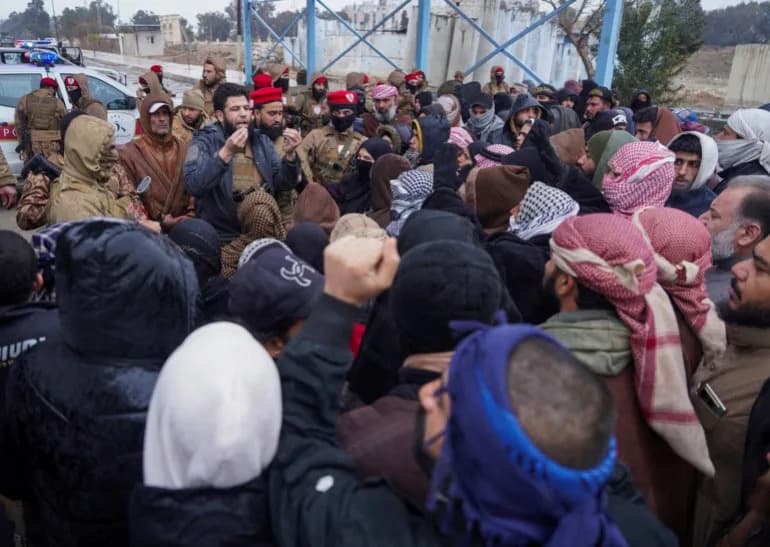
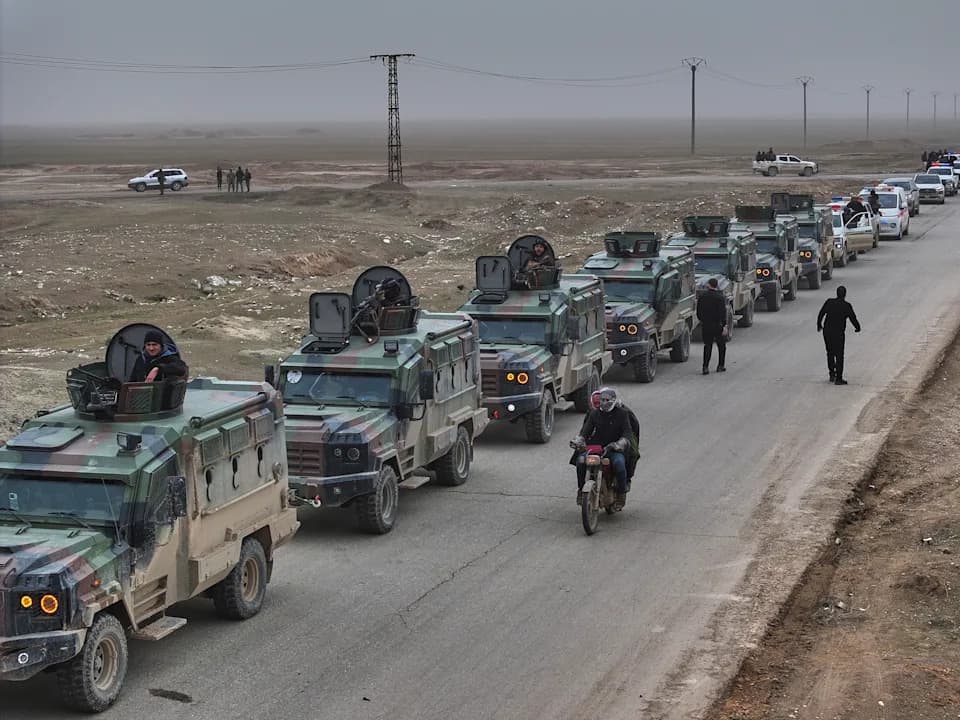
Lebanese authorities say roughly 2,000 Syrians are currently detained in Lebanon, including about 800 held on accusations related to attacks and shootings — many reportedly without trial. Damascus pressed Beirut to transfer those prisoners so they could serve the remainder of their sentences in Syria. Lebanese judicial officials insisted individual cases must be reviewed and that suspected attackers would not be released en masse.
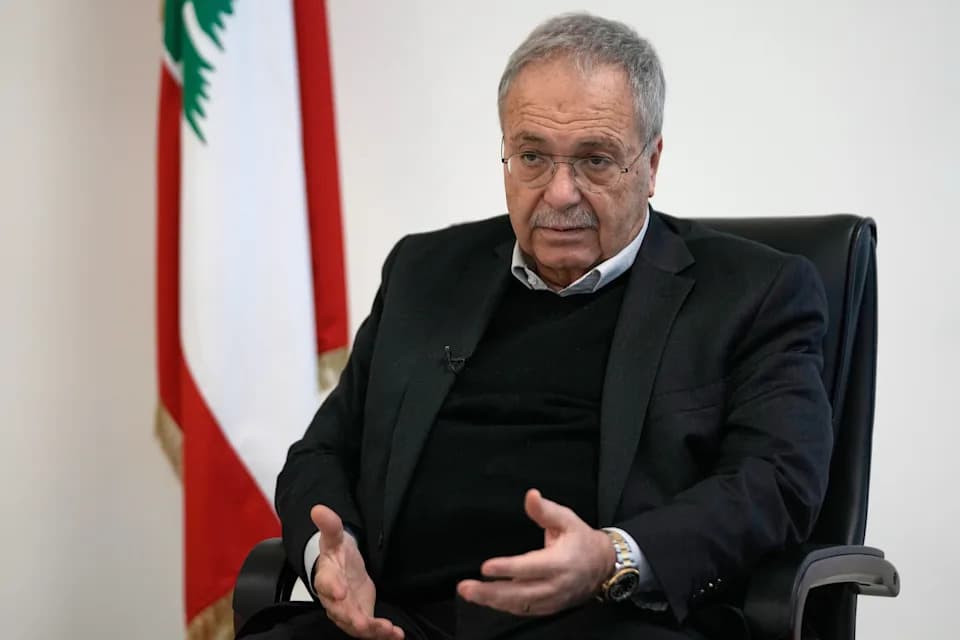
Deputy Prime Minister Tarek Mitri told reporters after the Cabinet session that the agreement will initially transfer about 300 prisoners. Information Minister Paul Morcos said other sensitive issues remain unresolved between the two countries, notably the fate of Lebanese believed to have disappeared into Syrian custody during Assad’s rule and the demarcation of the shared border.
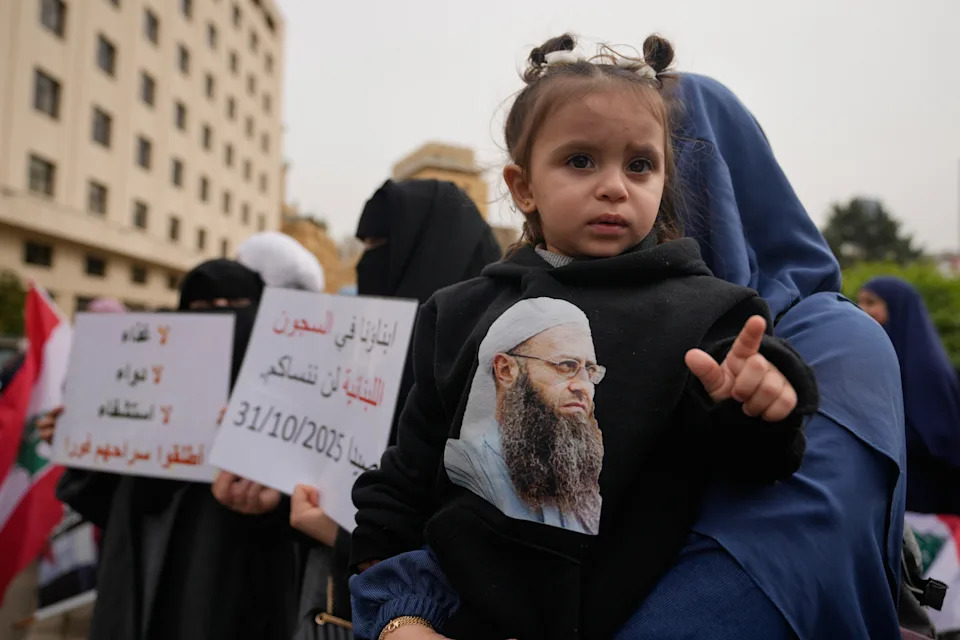
A child wears a sweatshirt bearing a portrait of imprisoned Sunni cleric Ahmad al-Assir during a protest demanding a general amnesty for Islamic groups and other prisoners, in downtown Beirut, Lebanon, Friday, Jan. 30, 2026. (AP Photo/Hassan Ammar)(ASSOCIATED PRESS)
The Cabinet vote prompted protests in downtown Beirut. Demonstrators gathered outside the government palace to demand amnesty for Lebanese detainees — including some who joined armed groups that fought against Assad — and to call for the release of Sunni cleric Ahmad al-Assir, jailed for his role in 2013 clashes that killed 18 Lebanese soldiers.
“The state found solutions for the Syrian youth who are heroes and belong to the Syrian revolution who have been imprisoned for 12 years,” said protester Khaled Al-Bobbo. “But in the same files there are also Lebanese detainees. We demand that just as they found solutions for the Syrians, they must also find solutions for the people of this country.”
Analysts say the transfer agreement eases a major bilateral tension but does not resolve the deeper political and historical grievances between Lebanon and Syria. Further talks will be needed to address disappearances, border issues and other outstanding matters.
Associated Press journalist Fadi Tawil in Beirut contributed to this report.
Help us improve.