AES Andes has cancelled the proposed $10 billion INNA green-hydrogen industrial park that would have been sited a few miles from ESO’s Cerro Paranal, home to the Very Large Telescope. ESO modelling showed the development could raise light pollution above Paranal by up to 35%, threatening sensitive observations such as exoplanet imaging and studies of distant galaxies. AES Andes said on Jan. 23 it will focus on renewables and energy storage; astronomers welcomed the decision as a protection of the Atacama’s uniquely dark skies.
Astronomers Celebrate as Controversial INNA Green-Hydrogen Park Near Paranal Is Cancelled
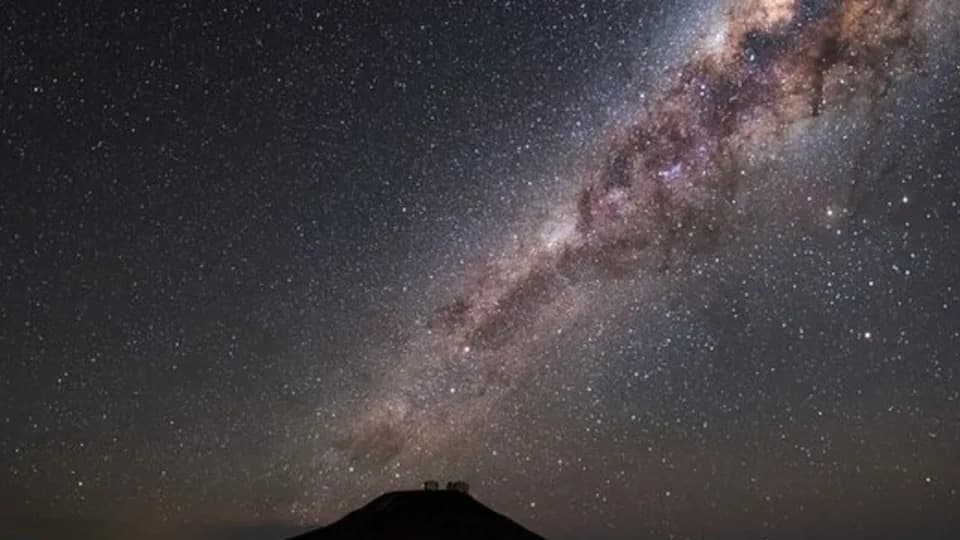
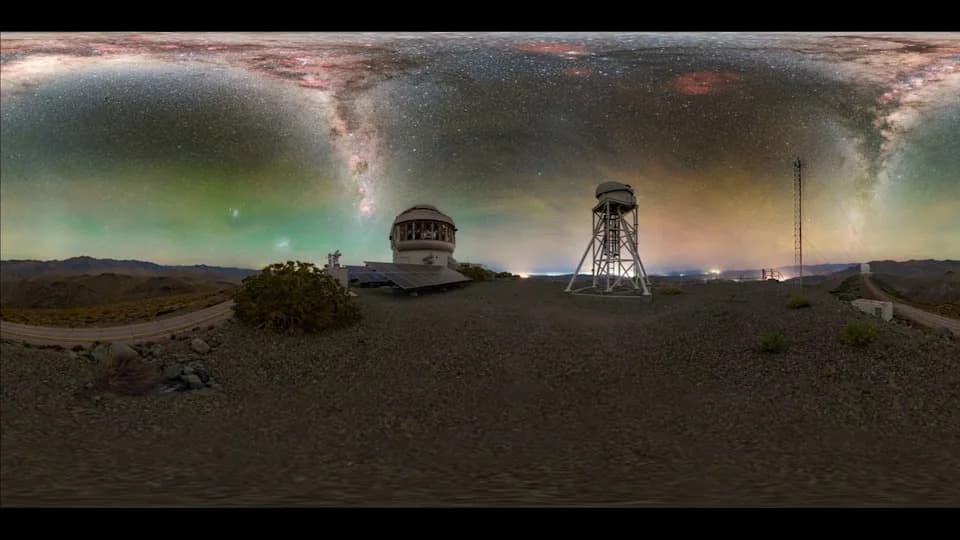
Cerro Paranal with the band of the Milky Way arching above it. | Credit: A. Ghizzi Panizza/ESO
A plan to build a large green-hydrogen industrial park a few miles from one of the world’s most important observatories has been cancelled, drawing relief from astronomers worldwide. The proposed INNA complex raised serious concerns that its lights would substantially increase sky brightness above the European Southern Observatory’s (ESO) Cerro Paranal site and harm observations made by its flagship instruments.
The project, named INNA, was proposed by AES Andes — part of the U.S.-based AES group — and valued at roughly $10 billion. AES Andes submitted an environmental impact assessment to Chilean authorities in December 2024 for a roughly 7,465-acre industrial park. While the company said the facility's lighting would have only a minor effect on nearby instruments, ESO's own modelling showed the development could increase light pollution over Paranal by up to 35%.
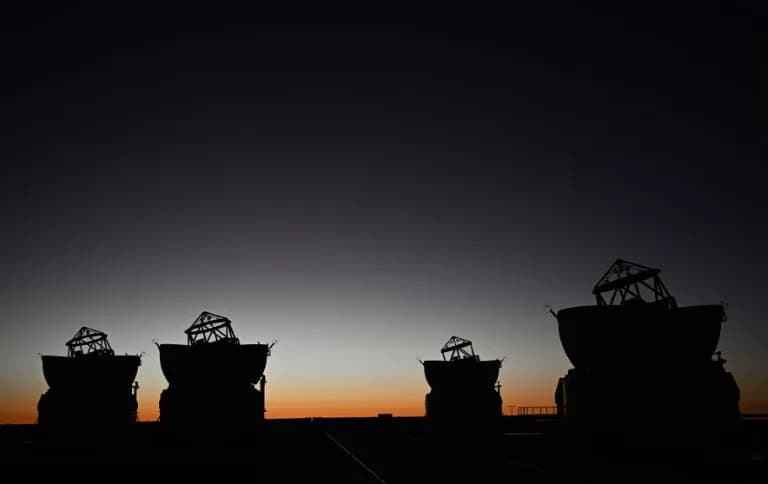
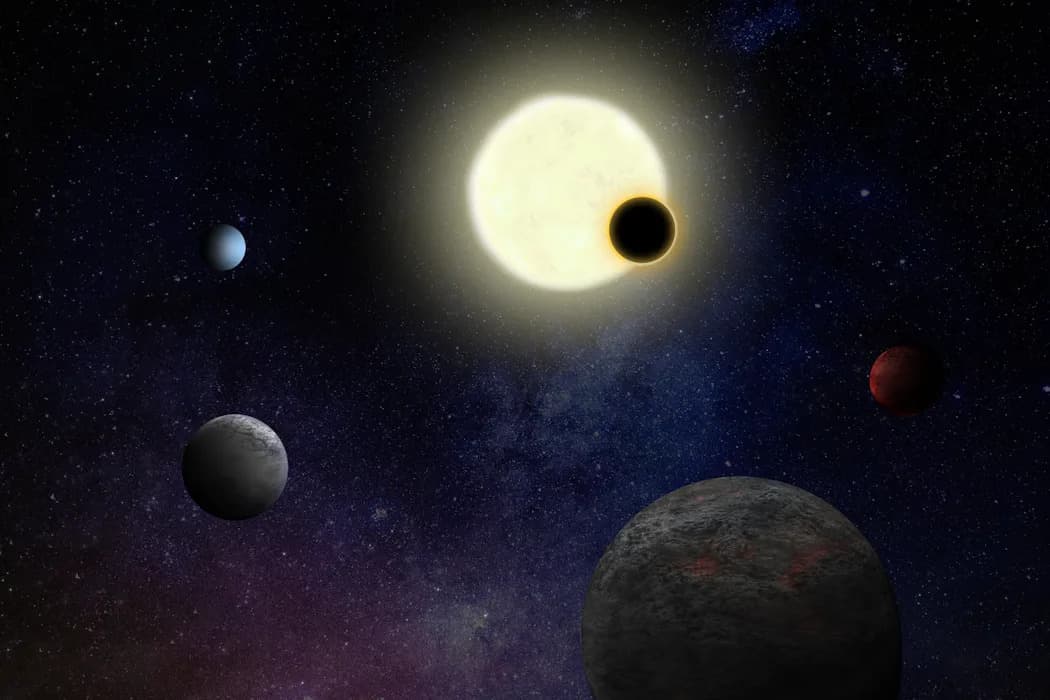
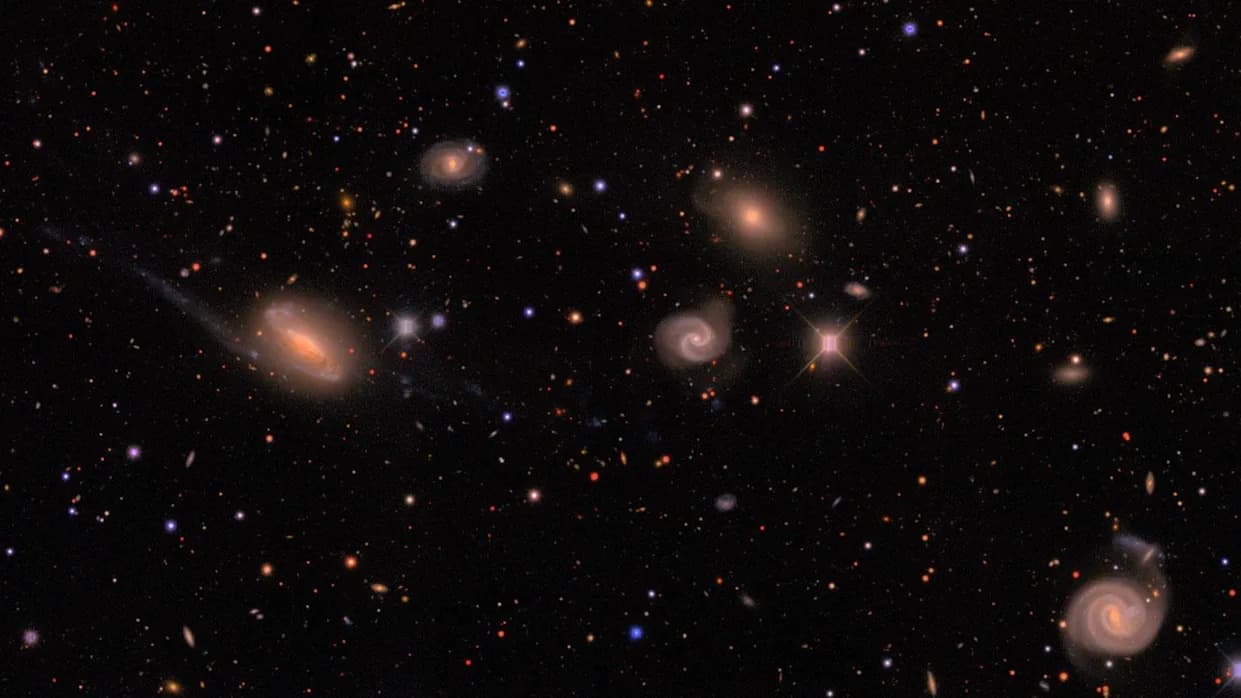
ESO warned that such an increase in sky brightness could erase the gains delivered by recent telescope technology and prevent leading-edge science — including direct imaging of exoplanets and observations of the most distant galaxies. The Very Large Telescope (VLT) complex at Paranal, including the VLT Interferometer (VLTI) made up of four 8.2-meter telescopes that operate together, and the under-construction Extremely Large Telescope (ELT) on neighbouring Cerro Armazones would both have been at risk.
“When the cancellation is confirmed, we’ll be relieved that the INNA industrial complex will not be built near Paranal,” said ESO Director General Xavier Barcons. “Due to its planned location, the project would pose a major threat to the darkest and clearest skies on Earth and to the performance of the most advanced astronomical facilities anywhere in the world.”
AES Andes did not give a specific reason for abandoning the INNA proposal. In a statement published on Jan. 23 the company said it had "chosen to focus its efforts on the development and construction of its renewable energy and energy storage portfolio, in line with the guidelines of its parent company in the United States."
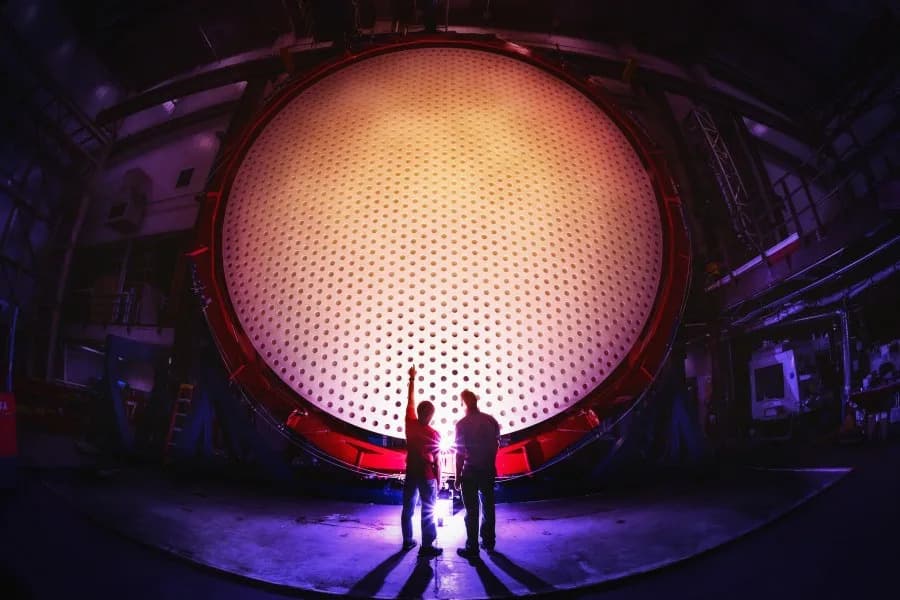
The ELT will feature a primary mirror roughly 39 meters across and, when completed toward the end of the decade, will be the world’s largest optical/near-infrared telescope — a flagship facility expected to transform studies of exoplanets, galaxy formation and cosmology. Its construction represents a major international investment in ground-based astronomy.
Why the Atacama Matters
Chile’s Atacama Desert provides some of the best observing conditions on Earth: extremely dark skies, very low humidity, high altitude and a high fraction of cloud-free nights. Those conditions are increasingly rare and highly prized by the global astronomy community. Several major facilities, including ESO’s observatories and the U.S.-led Vera C. Rubin Observatory, are located in the region, and astronomers argued that permitting a large, brightly lit industrial complex so close to Paranal would set a damaging precedent.
“ESO and its Member States are fully supportive of energy decarbonisation and initiatives that ensure a more prosperous and sustainable future,” Barcons added. “Green-energy projects — and other industrial projects that drive national and regional development — are fully compatible with astronomical observatories, if the different facilities are located at sufficient distances from one another.”
With the INNA proposal shelved, observatories and astronomers can continue planning for ambitious science programs that rely on exceptionally dark skies. The decision also underscores ongoing tensions between renewable-energy and industrial development and the need to site such projects with careful attention to environmental and scientific impacts.
Help us improve.