The US military’s maritime campaign has killed 119 people and destroyed 38 boats in an operation officials say targets drug trafficking. The administration has told Congress it considers these actions part of an ongoing 'armed conflict' with cartels that began with a Sept. 2 strike and has labeled the dead 'unlawful combatants.' Critics — including lawmakers and human rights groups — dispute the legal basis and say suspects should be prosecuted instead of targeted lethally. The administration has not publicly shown evidence of narcotics aboard the struck vessels; no US service members were reported harmed.
Timeline: US Maritime Strikes Killed 119 and Sank 38 Boats — Legal and Human Rights Questions Raised
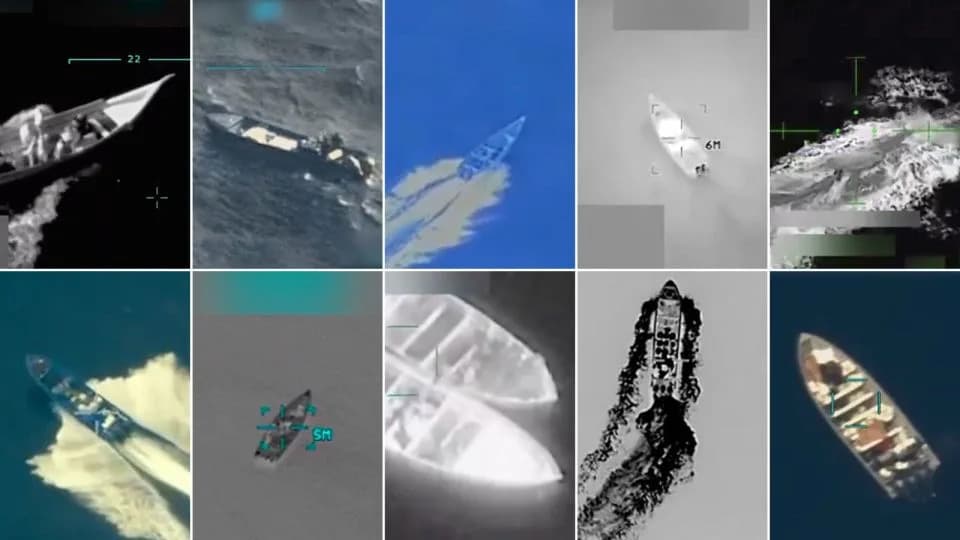
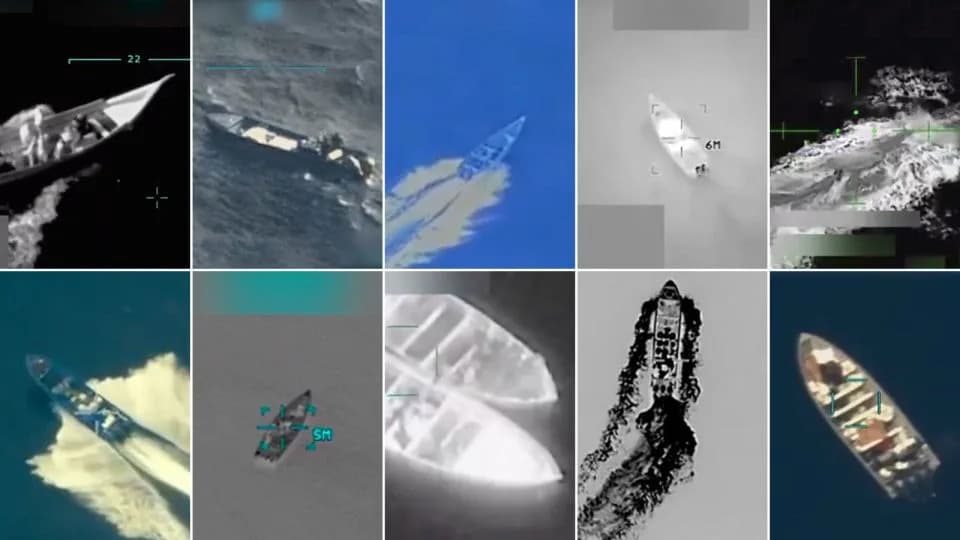
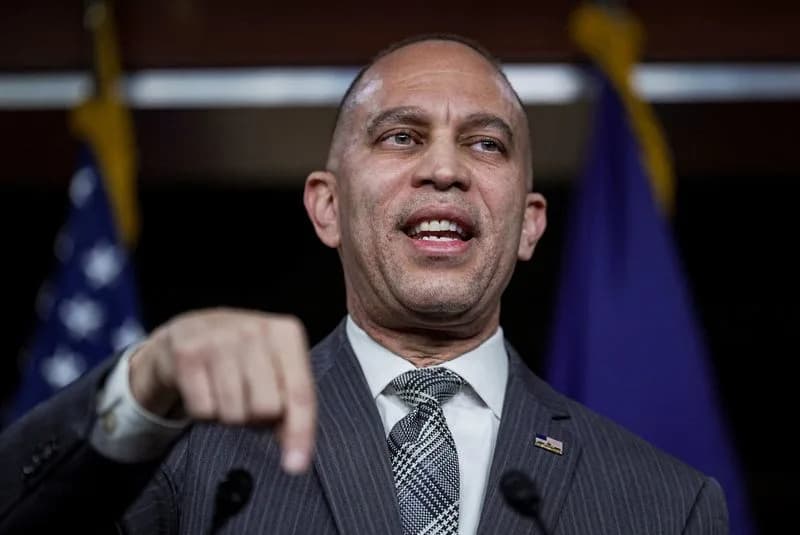
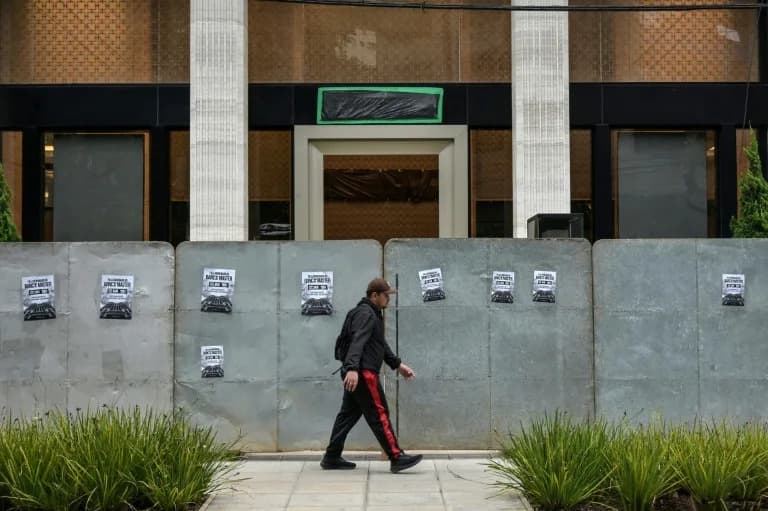
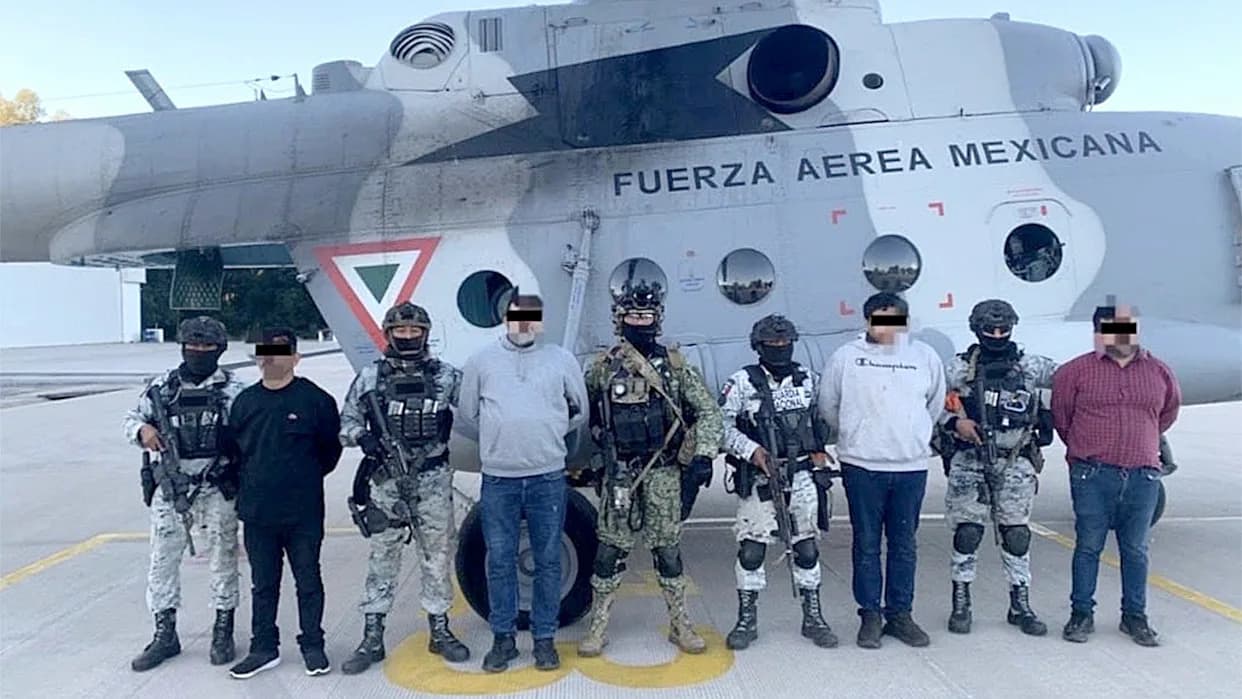
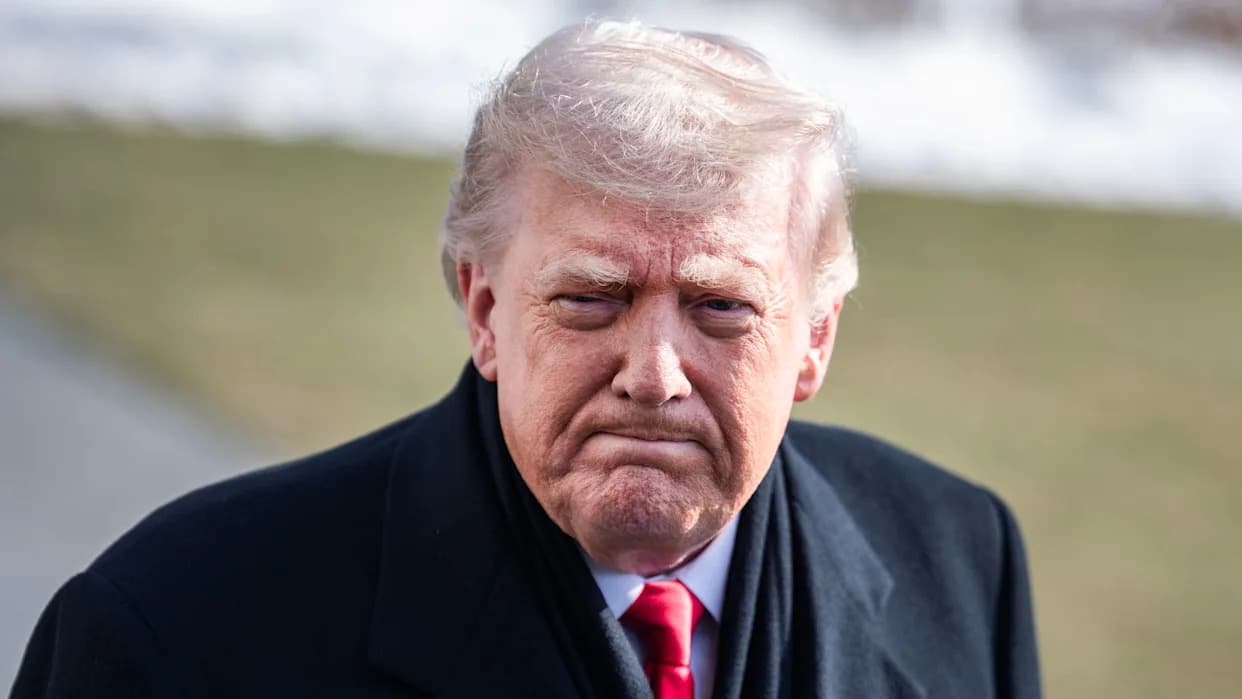
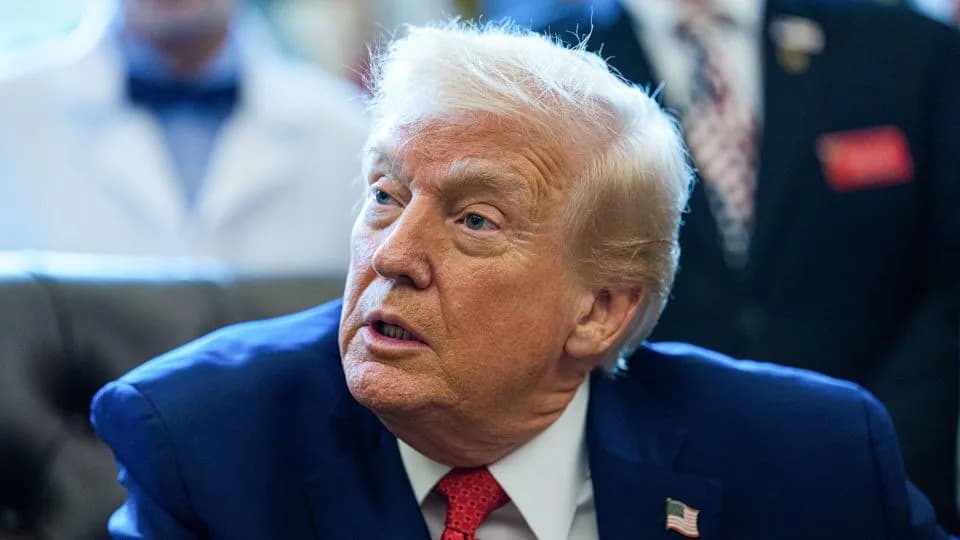
This grid of images shows 10 of the incidents in which the US military has targeted boats in international waters, from September 2 to October 29. - Pete Hegseth/X/Donald Trump/Truth Social
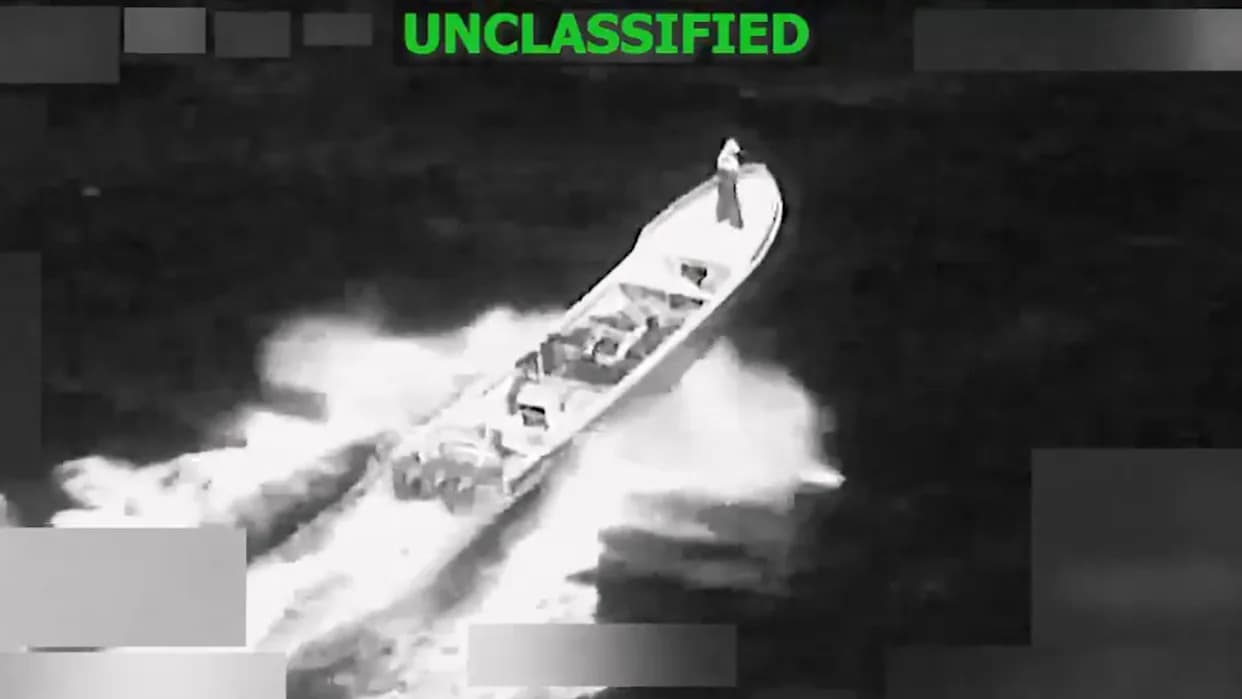
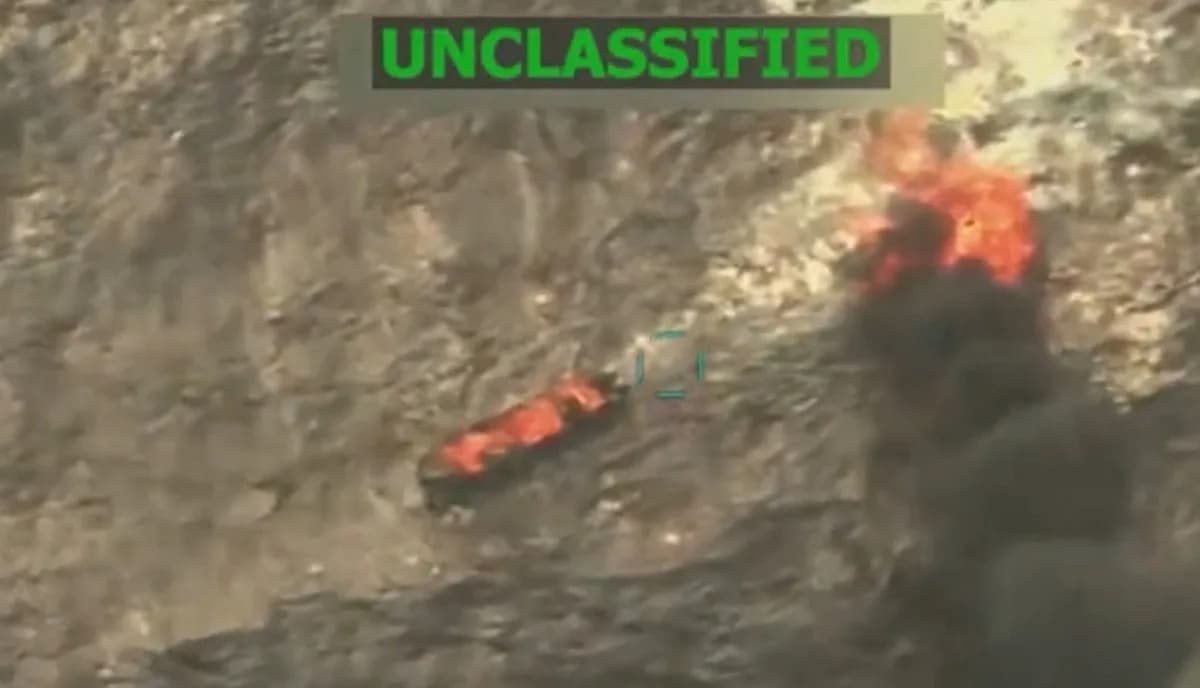
The US military has killed 119 people and destroyed 38 boats in a series of maritime strikes that Washington says are aimed at curbing the flow of illegal drugs to the United States. Several people survived those strikes; two were briefly detained by the US Navy and later returned to their home countries, while another is presumed dead after a search by the Mexican Navy.
Recent Search Efforts
The US Coast Guard mounted a search for an unspecified number of survivors who abandoned ship before vessels were struck on December 30 in international waters. That search was suspended on January 2. On January 23 the Coast Guard launched a separate search for a survivor of a subsequent boat strike.
Government Position And Legal Rationale
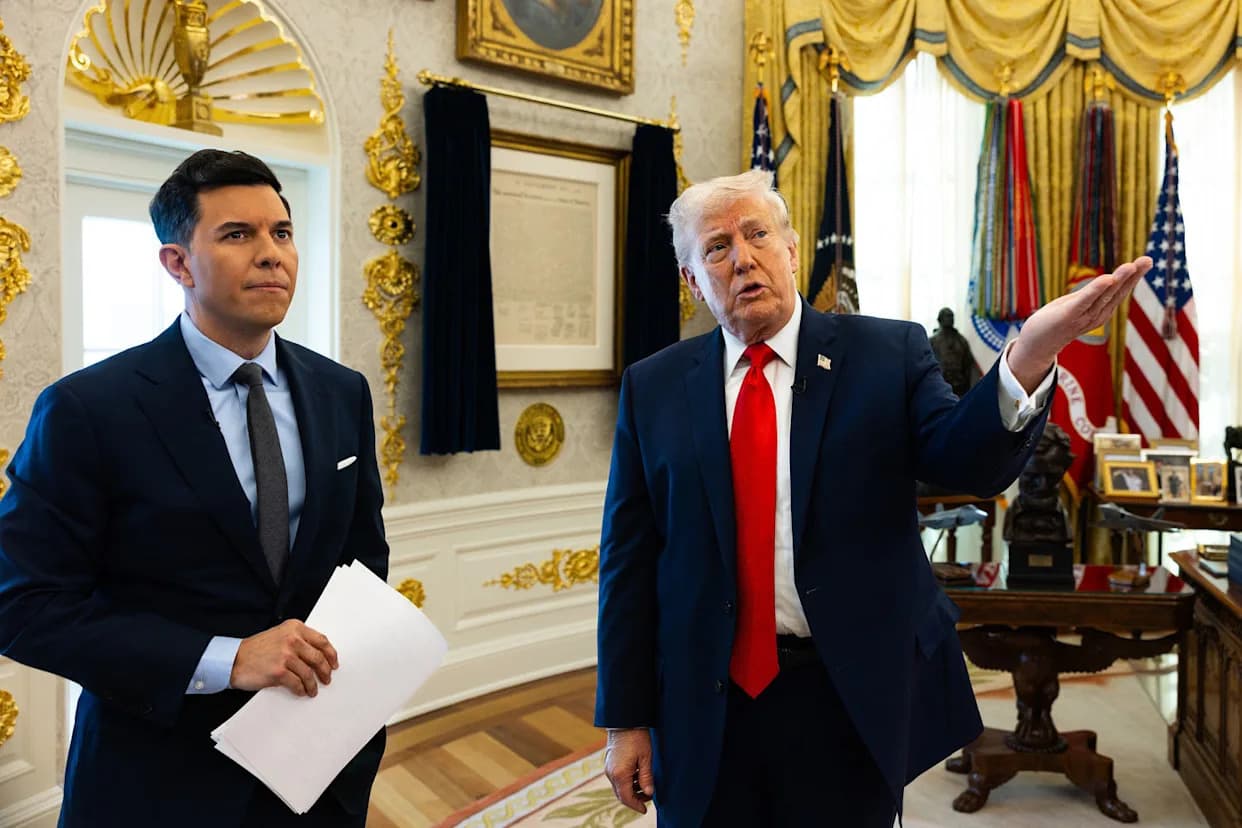
The Trump administration has told Congress that, beginning with a strike on September 2, the United States is engaged in what it considers an armed conflict with drug cartels. Officials have described those killed as "unlawful combatants" and have cited a classified Justice Department finding to justify carrying out lethal strikes without judicial review.
Criticism And Questions
Some members of Congress and human rights organizations have challenged that legal determination, arguing that suspected traffickers should face criminal prosecution under existing law — the approach US interdiction efforts typically followed prior to the current policy. The administration has not publicly presented evidence showing narcotics on the struck vessels or demonstrating direct links between the boats and organized cartel groups.
Operational Notes
Military officials say no US service members were harmed during the strikes. The incidents and subsequent searches have drawn scrutiny from lawmakers, advocacy groups and international observers concerned about legal authority, accountability and civilian harm.
This story has been updated with additional reporting.
Help us improve.