The Epstein‑Barr virus (EBV), which causes mono, infects about 90% of people but persists at high levels in a subset who face elevated risk for autoimmune disease and certain cancers. By reanalyzing discarded sequencing reads from ~750,000 biobank participants, researchers identified ~11% with very high EBV DNA and linked that persistent infection to 22 human genes, many in the HLA region. Key genes include SLAMF7 and CTLA4, suggesting altered antigen presentation and immune regulation may underlie chronic infection. The study shows association, not causation, and calls for diverse cohorts and mechanistic follow‑up.
Why Mono (Epstein‑Barr) May Lead To MS and Some Cancers: 22 Human Genes Offer Clues
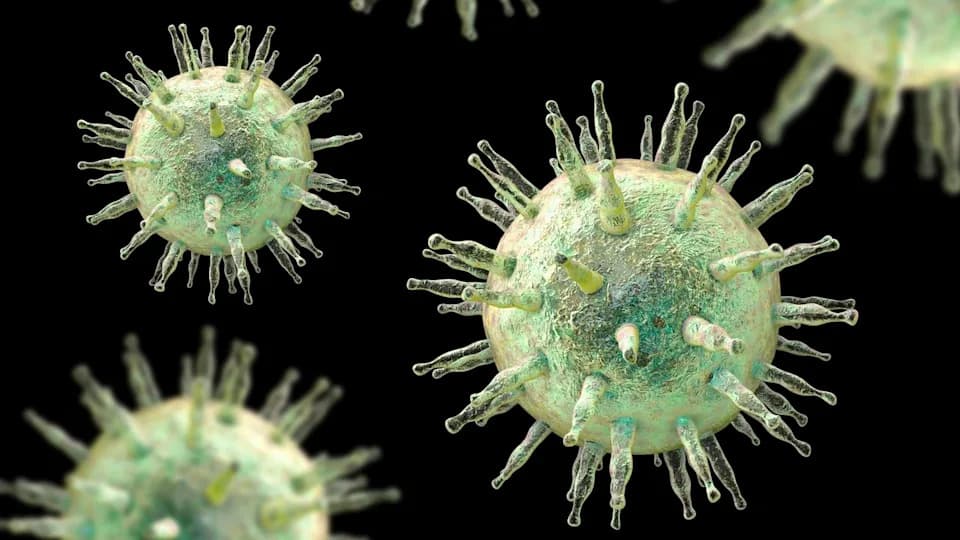
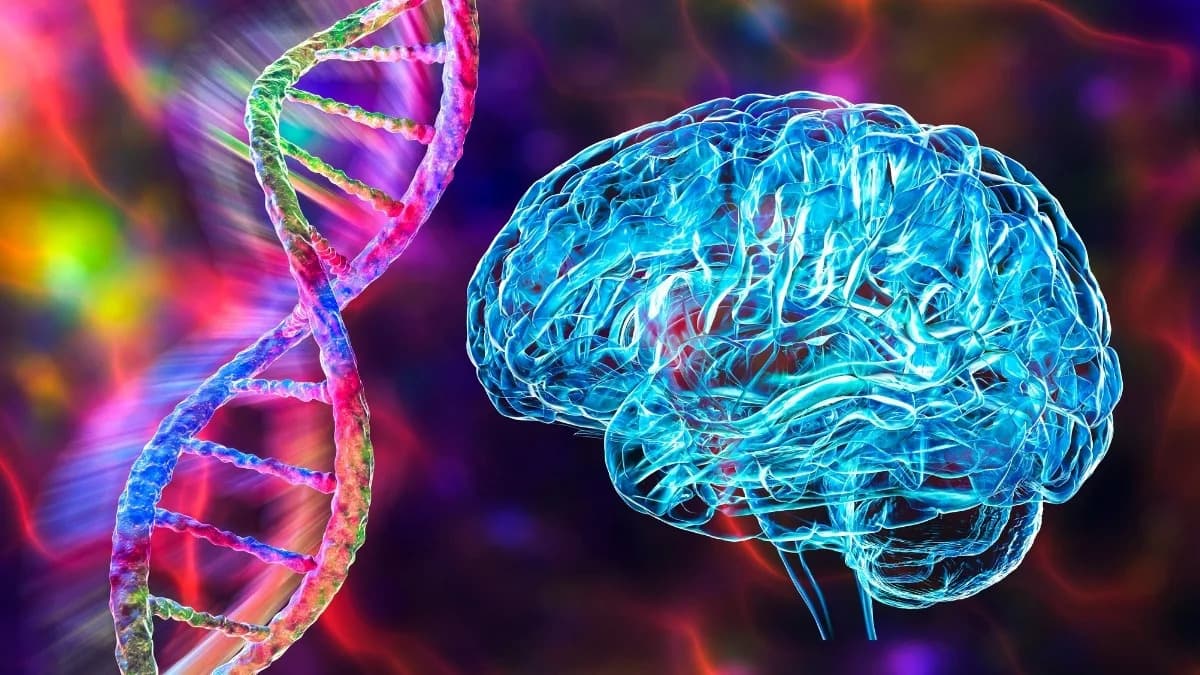
The Epstein-Barr virus infects most people, but in some, it raises the risk of chronic illnesses. Why?. | Credit: KATERYNA KON/SCIENCE PHOTO LIBRARY via Getty Images
New research suggests that genetic differences in some people may explain why the Epstein‑Barr virus (EBV) — the virus that causes infectious mononucleosis or “mono” — persists at high levels in a minority of people and is linked to autoimmune diseases and certain cancers.
Background: A Common Virus, Uncommon Consequences
About 90% of people are infected with EBV at some point. For most, infection is asymptomatic or causes a short, mild illness. After recovery, EBV usually remains latent in B cells without causing further harm. But for a subset of people the virus persists at unusually high levels, and that persistent infection has been associated with conditions such as multiple sclerosis (MS), some nasopharyngeal cancers, lymphomas, and other chronic diseases.
What The Study Did
Researchers led by Ryan Dhindsa at Baylor College of Medicine analyzed whole‑genome sequencing data from roughly 750,000 participants in two large biobanks (the U.K. Biobank and the NIH’s All of Us program). Instead of discarding sequence reads that did not match the human genome, the team reexamined those reads to recover viral DNA. They identified about 11% of participants who carried very high levels of EBV DNA.
Key Findings
High EBV DNA levels correlated with a number of health conditions already linked to the virus, including spleen disorders and Hodgkin lymphoma. Less definitive but notable associations appeared for rheumatoid arthritis, lupus, chronic obstructive pulmonary disease (COPD), heart disease, kidney failure, stroke and depressive episodes.
Genetic analysis revealed 22 human genes associated with a greater likelihood of persistent, high‑level EBV. Many of these genes cluster in the human leukocyte antigen (HLA) region — a critical site for antigen presentation that helps the immune system recognize and respond to pathogens. Other implicated genes include SLAMF7, which affects natural killer cell activity, and CTLA4, which modulates T‑cell immune responses.
Interpretation and Limitations
The study identifies robust associations but does not prove that any specific genetic variant causes EBV persistence. The variants may alter how the immune system presents or controls EBV, making it harder to suppress viral replication, but further laboratory and clinical work is required to establish mechanisms and causality.
Another limitation is representation: although the All of Us dataset includes diverse participants, the U.K. Biobank is mostly of European ancestry. The authors emphasize the need to replicate findings in globally diverse datasets to ensure the genetic signals apply across populations.
Next Steps
Experts, including Jill Hollenbach of UCSF, called the results an important starting point. Follow‑up work will probe the biological mechanisms linking these genetic variants to immune control of EBV and will extend the same method to search biobank data for other long‑term viruses with health impacts, such as Merkel cell polyomavirus and human T‑cell lymphotropic virus type 1.
Bottom line: By mining discarded sequencing reads in large biobanks, researchers found that persistent EBV is uncommon but detectable in a substantial minority and is associated with 22 human genes, many in immune‑presentation pathways. The findings point to testable immune mechanisms but require more diverse data and experimental follow‑up to confirm causation.
Study published in Nature on Jan. 18.
Help us improve.