Republicans have mounted a widespread mid‑decade campaign to redraw congressional districts in states where they control government, aiming to protect a narrow House majority. Democrats are fighting back with their own redistricting efforts and court challenges, creating a national series of legal and political battles. A recent New York court ruling ordered new lines for a Republican‑held district that could add a Democratic‑leaning seat, while a potential Supreme Court decision weakening parts of the Voting Rights Act could enable even more aggressive map changes.
Mid‑Decade Redistricting Surge: Republicans Push New Maps as Democrats Fight Back
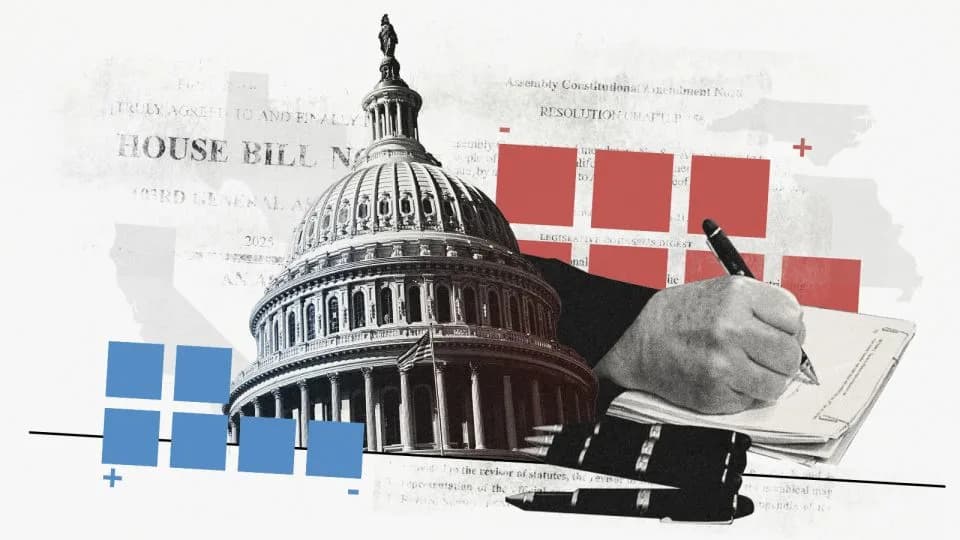
Photo Illustration by Alberto Mier/CNN
President Donald Trump and Republican leaders have launched an aggressive, mid‑decade push to redraw congressional maps in multiple states to help protect the party’s slim majority in the House ahead of the November midterm elections. Democrats have mounted counterefforts, triggering political and legal battles nationwide that could reshape control of Congress.
Recent Developments
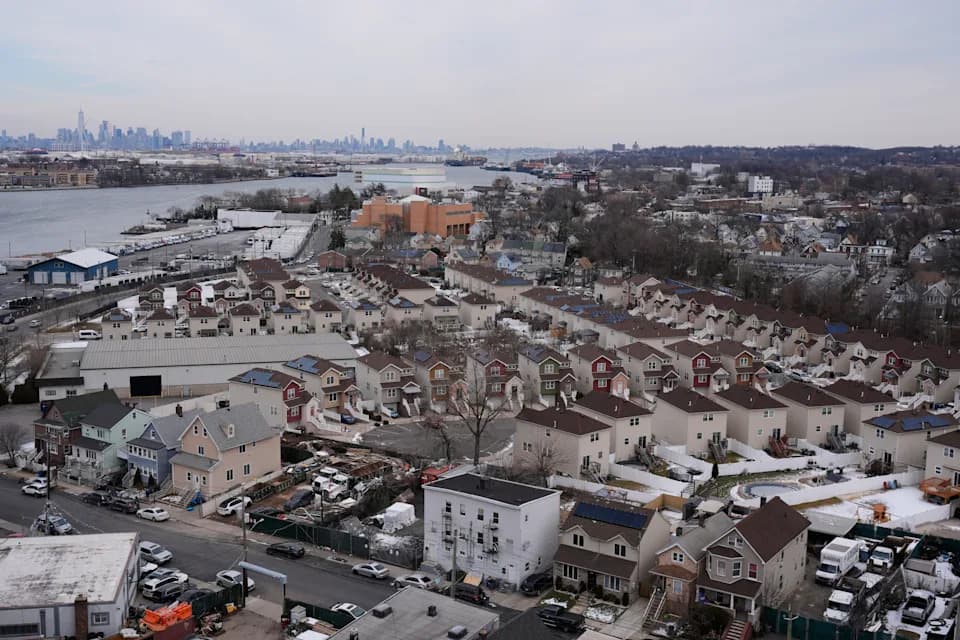
Most recently, a New York judge ruled that a Republican‑held district violated the state constitution and instructed the state’s redistricting commission to draft new boundaries. While that ruling is expected to be appealed, a revised map could create an additional Democratic‑leaning seat.
Why This Matters
Redistricting — the process of redrawing congressional district lines — typically happens once every ten years after the decennial census. But with a narrowly divided House, mid‑decade changes have become a high‑stakes tactic to influence upcoming elections.
How Maps Are Drawn
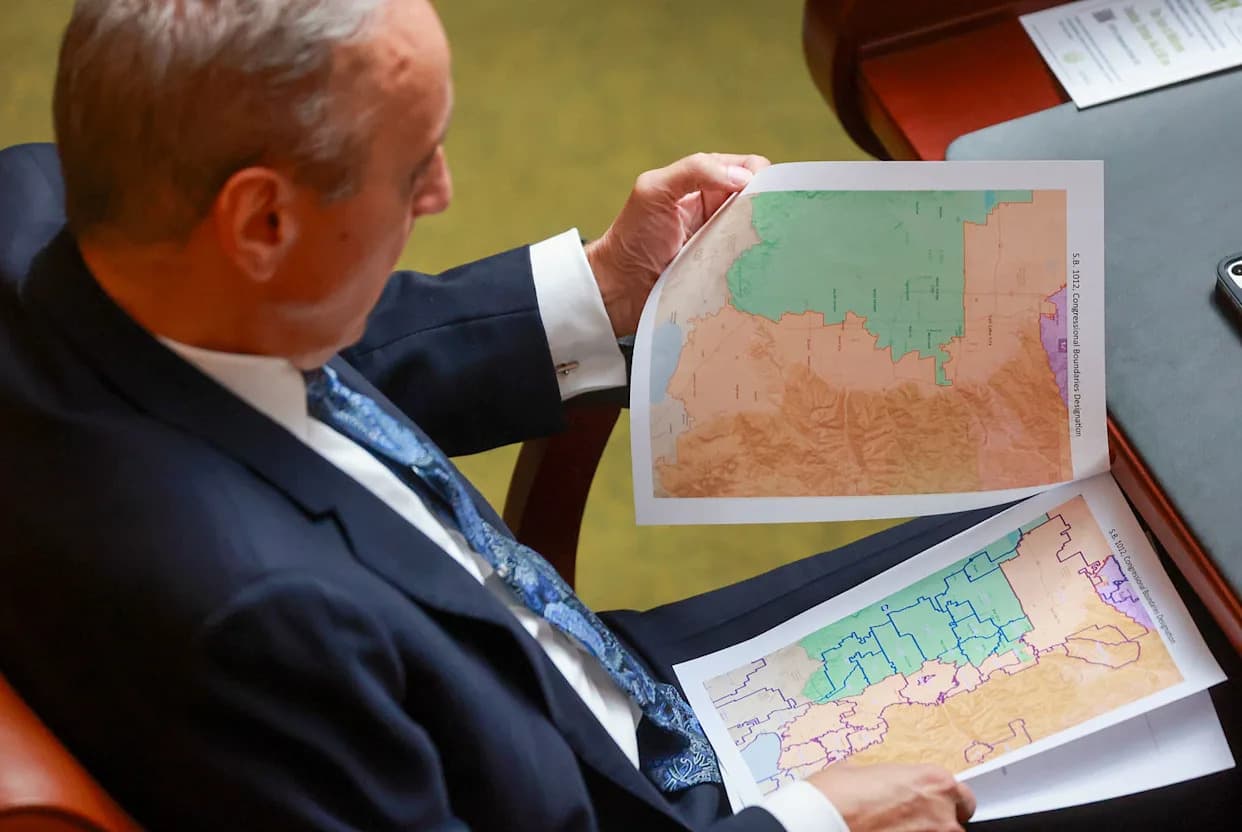
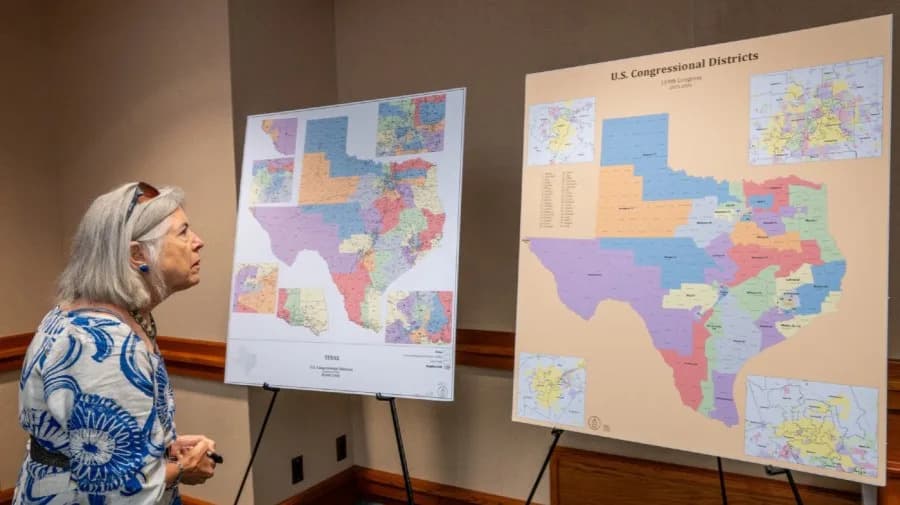
The procedures vary by state. In some states, partisan legislatures can redraw maps if they control the process; in others, altering district lines requires constitutional changes or voter referendums. Many Democratic‑leaning states previously transferred mapmaking to independent commissions — a move some are now trying to reverse, while Republican‑controlled states have used their government majorities to enact new maps.
Impact On Voters And Representation
Overall, Republicans currently have more opportunities to pick up seats because they control both legislative chambers and governorships in a larger number of states. Civil‑rights advocates warn that many of the new Republican‑enacted maps target members of Congress of color: six of the nine House members targeted nationwide are Black or Latino.
Legal Stakes And The Supreme Court
Numerous legal challenges are underway seeking to overturn maps in several states. At the Supreme Court, justices may be positioned to reconsider key parts of the Voting Rights Act — a decision that could make it easier to implement more aggressive partisan maps and imperil additional seats held by communities of color.
Editor’s Note: This story has been updated with additional reporting. — CNN
Reporting contributed by Molly English, Arit John and Dianne Gallagher. Photo illustration credit: Alberto Mier/CNN; images via state legislatures.
Help us improve.