International journalists have flooded Nuuk after President Donald Trump expressed repeated interest in controlling Greenland. Greenlanders and local politicians insist the territory is not for sale and that Greenlanders should decide their own future. Denmark has warned a forced U.S. takeover could threaten NATO, while residents say the heavy media presence is exhausting small communities and that outsiders focus on mineral and oil potential rather than people and place.
Global Media Descends on Nuuk as Trump’s Interest Turns Greenland Into a Geopolitical Hotspot
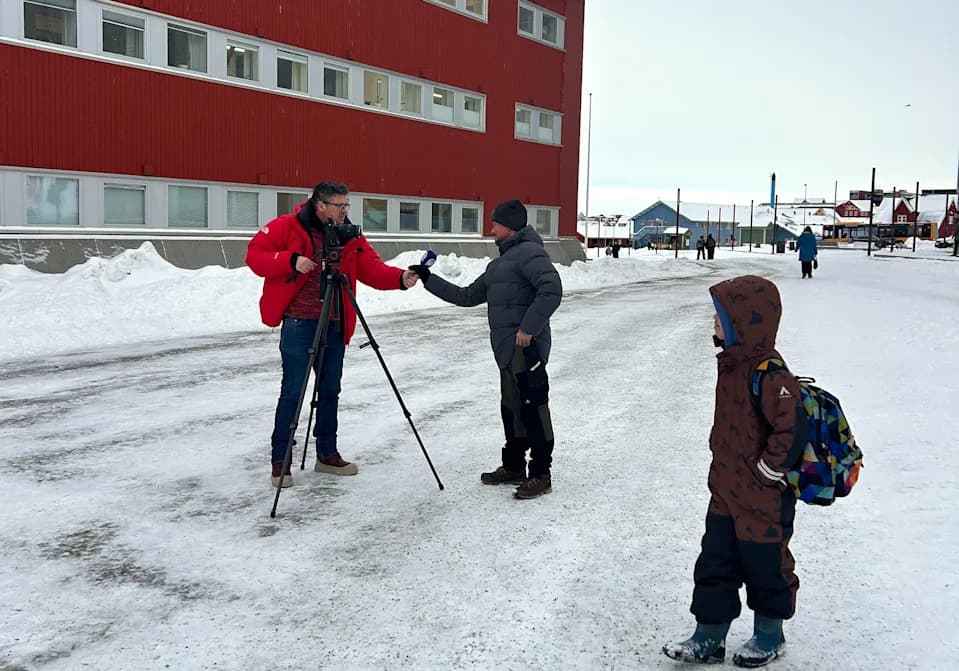
A journalist conducts an interview in Nuuk, Greenland, Thursday, Jan. 15, 2026. (AP Photo/Emma Burrows)(ASSOCIATED PRESS)
NUUK, Greenland — For several weeks, reporters and camera crews from around the world have converged on Greenland’s capital, asking residents for reactions to a political crisis that has pushed the Arctic island onto the global stage as a geopolitical hotspot.
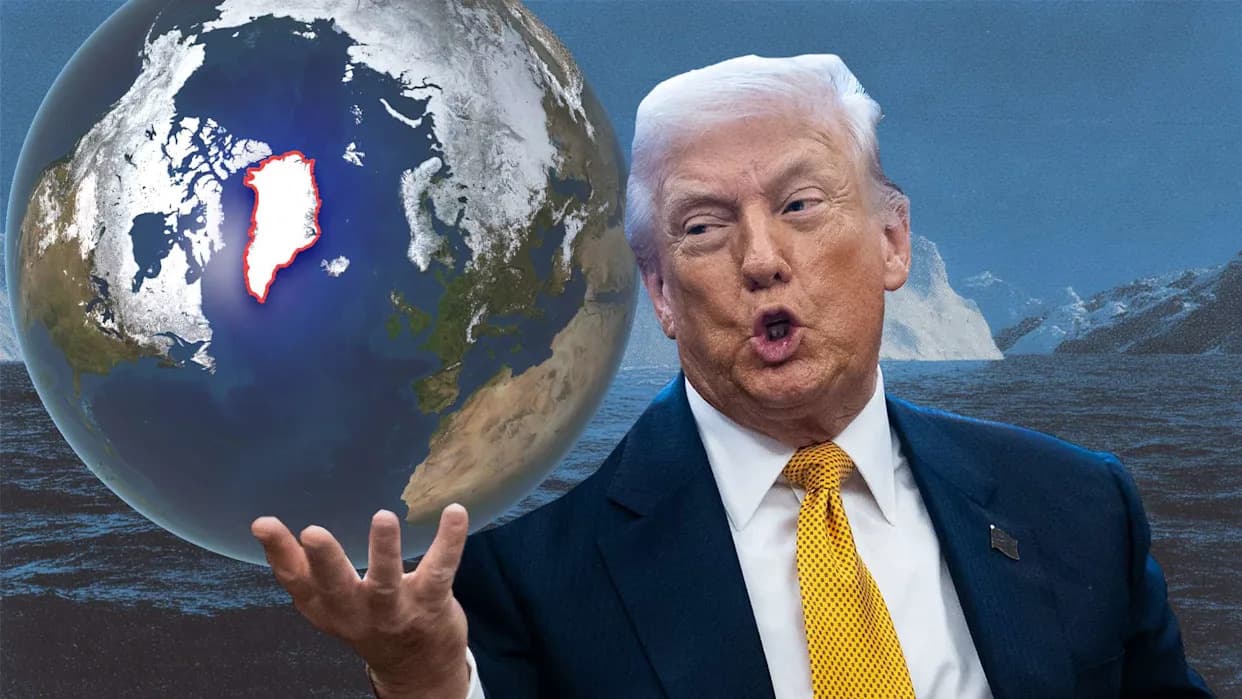
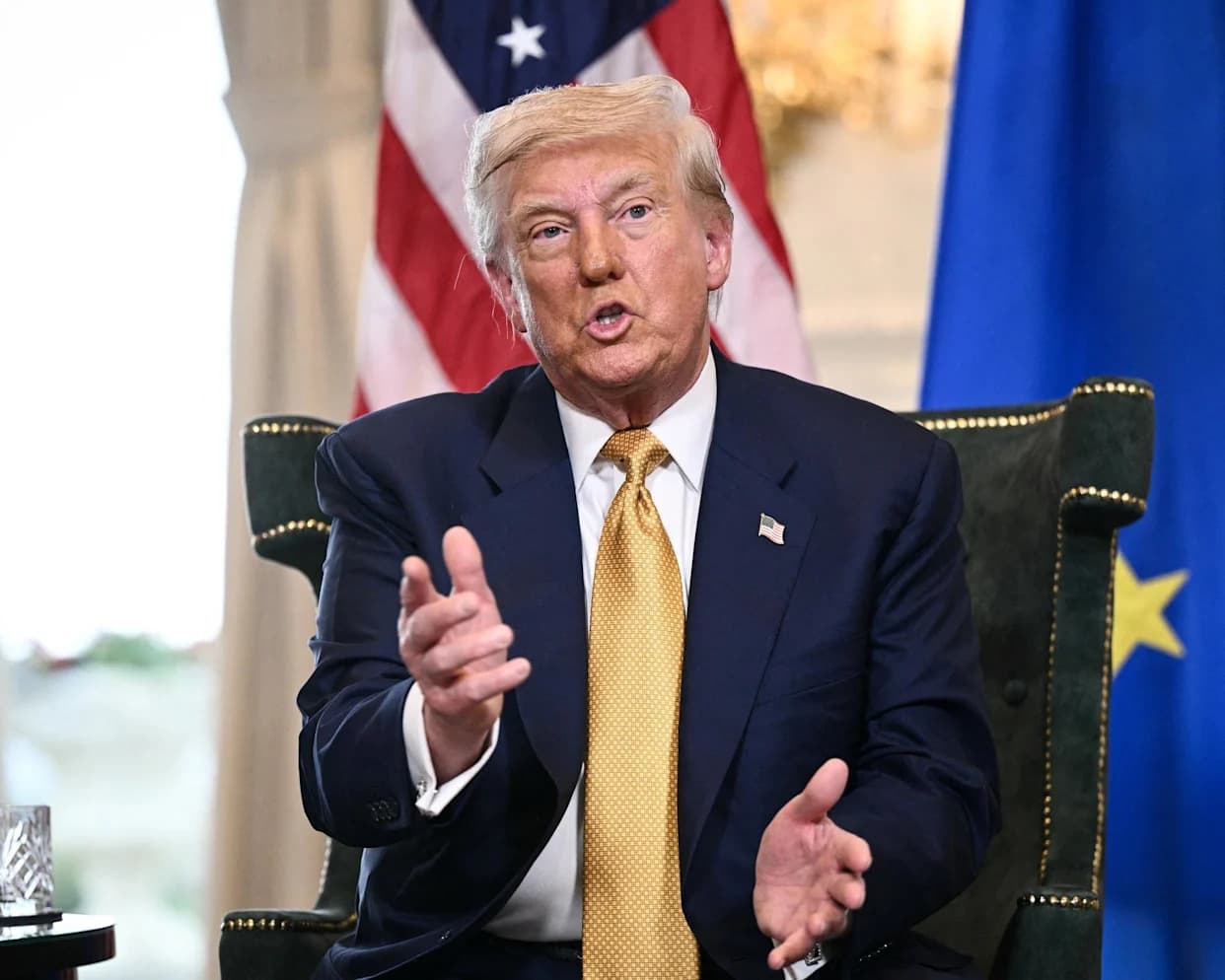
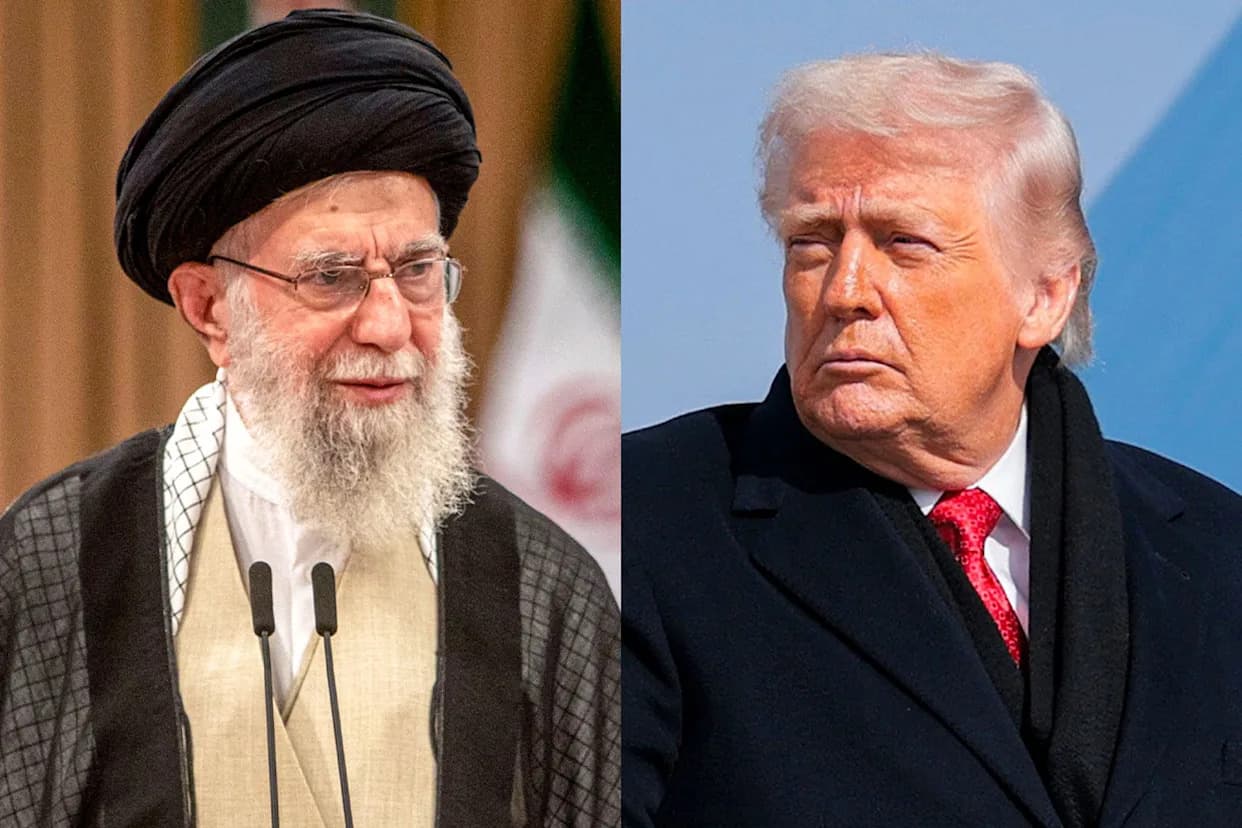
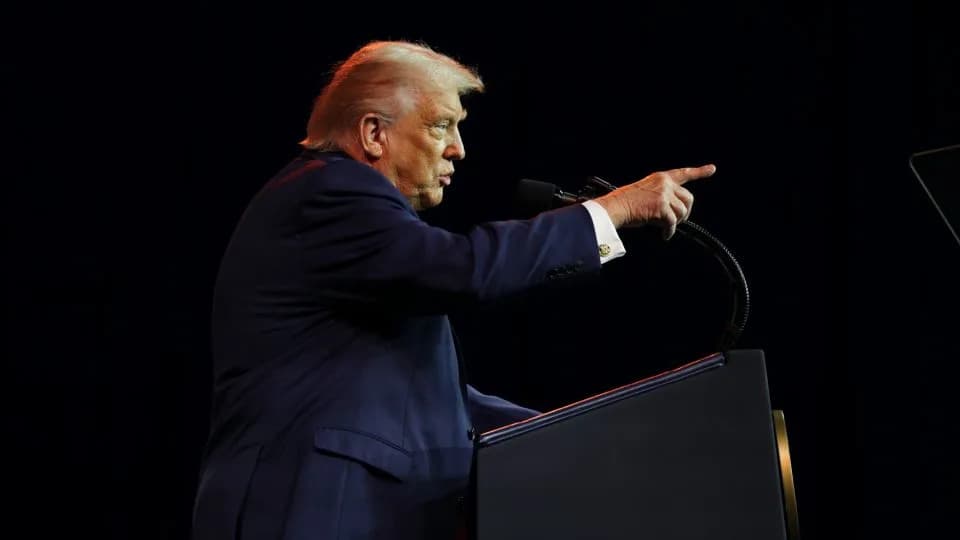
President Donald Trump has repeatedly said he wants control of Greenland; Greenlanders say the territory is not for sale. Greenland is a semiautonomous part of Denmark, and Denmark’s prime minister has warned that any U.S. attempt to seize the island by force could have serious consequences for NATO.
People walking along Nuuk’s small central shopping street find it hard to miss the signs that the island has climbed toward the top of the Western news agenda. Scores of journalists have arrived from outlets including The Associated Press, Reuters, CNN, the BBC and Al Jazeera, as well as from Scandinavian countries and Japan.
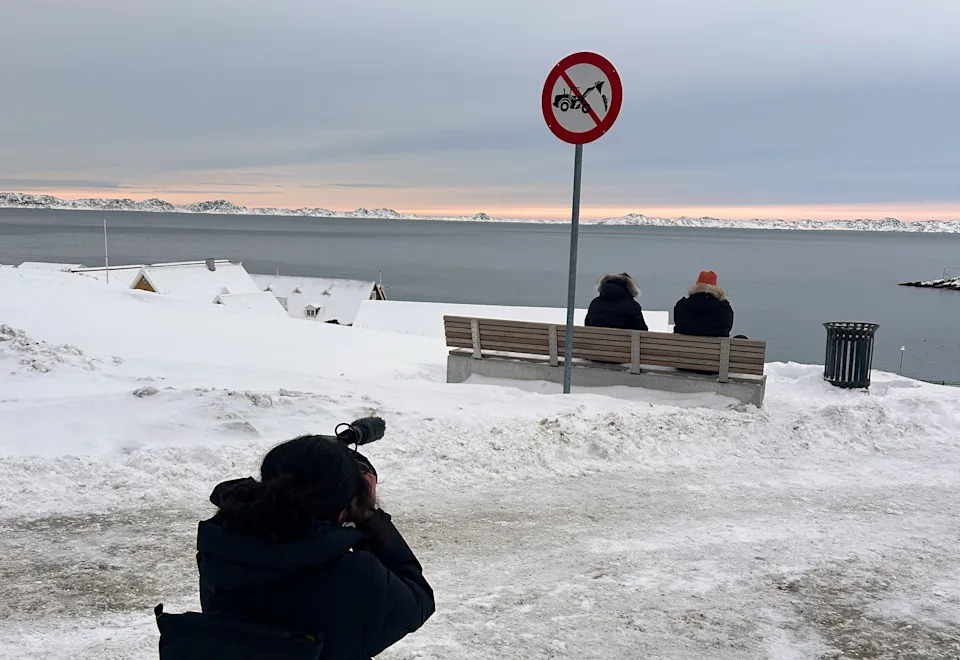
An AP journalist films people sitting by the sea in Nuuk, Greenland, Thursday, Jan. 15, 2026. (AP Photo/Emma Burrows)(ASSOCIATED PRESS)
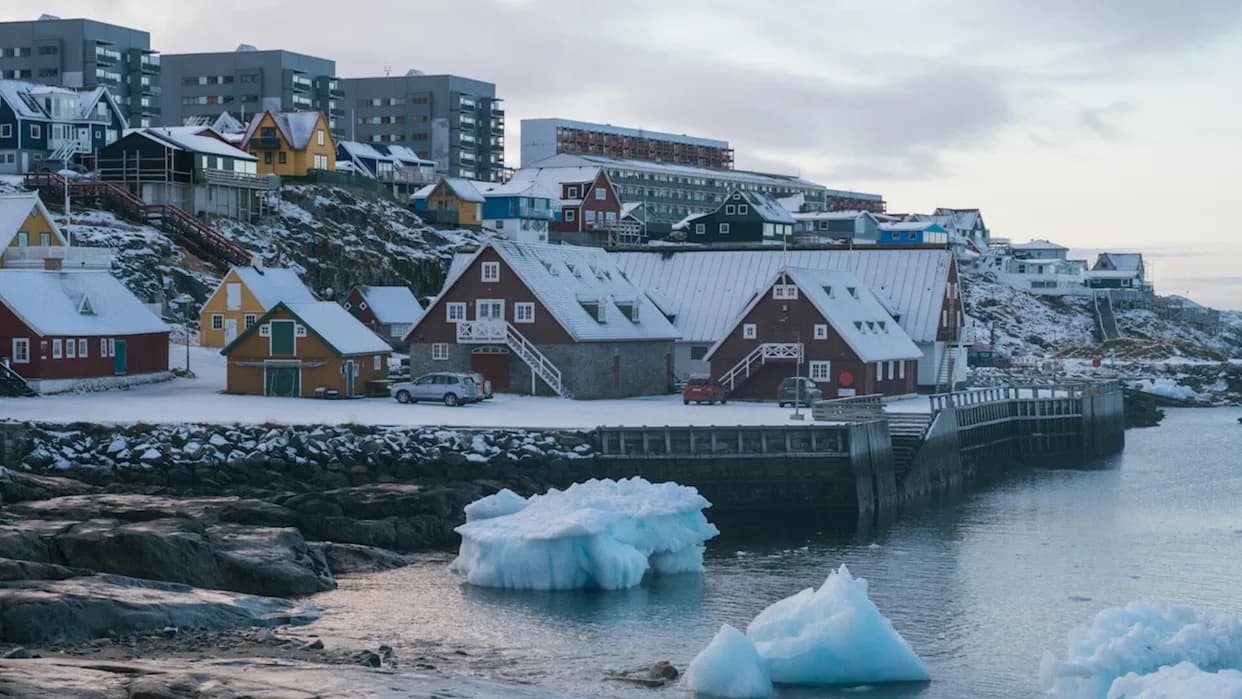
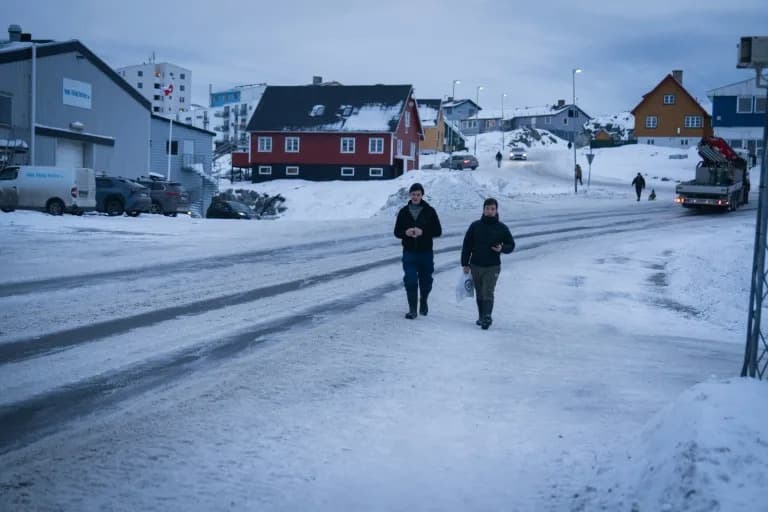
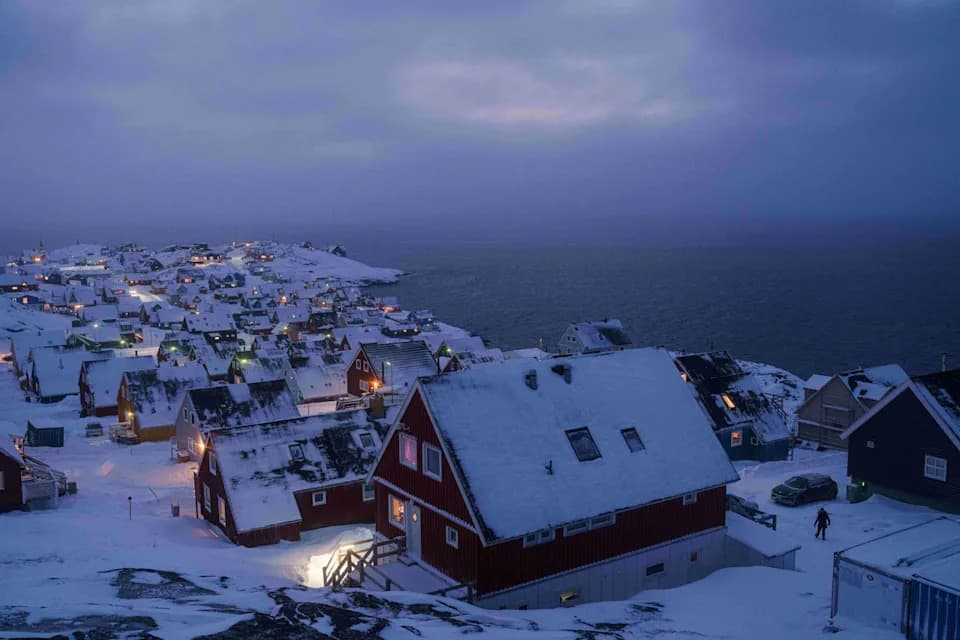
Reporters are filming Nuuk’s colorfully painted houses, snow-capped hills and the icy fjords where locals take small boats to hunt seals and fish. Their work is constrained by only about five hours of usable daylight in the far north—sunrise now comes after 11 a.m. and sunset around 4 p.m.
Along the quiet shopping street, journalists stand every few meters, approaching residents for comments, doing live broadcasts and recording stand-ups. Local politicians and community leaders say the deluge of interview requests is overwhelming.
Local Voices and Political Reaction
Juno Berthelsen, a member of parliament for Naleraq—the opposition party that advocates Greenlandic independence—described the current media surge as “round two,” referring to an earlier burst of global attention after Mr. Trump’s initial remarks in 2025 about wanting Greenland. Berthelsen said he has been doing multiple interviews a day for two weeks. “I’m getting a bit used to it,” he said, but added that residents quickly grow tired of repeat questions.
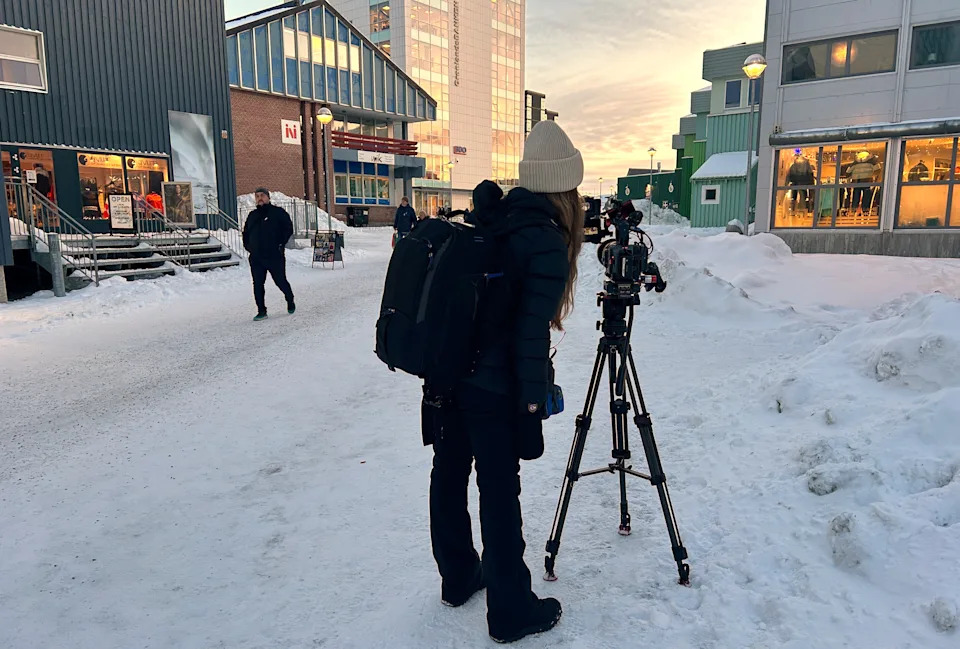
A journalist films in Nuuk, Greenland, Thursday, Jan. 15, 2026. (AP Photo/Emma Burrows)(ASSOCIATED PRESS)
Greenland’s total population is about 57,000, roughly 20,000 of whom live in Nuuk. Nuuk is small enough that the same business owners are repeatedly approached by different news organizations—sometimes doing as many as 14 interviews in a single day.
Why Greenland Matters
Mr. Trump has argued that the United States needs control of Greenland for national security and has repeatedly asserted that China and Russia have designs on the island. Greenland is believed to hold vast, largely untapped reserves of critical minerals, oil and other resources—facts that many residents say help explain the renewed international interest.
“It’s just weird how obsessed he is with Greenland,” said Maya Martinsen, 21. She criticized what she called a misleading national-security rationale, saying Mr. Trump is using security concerns as a pretext to seek access to “the oils and minerals that we have that are untouched.”
Several locals told reporters they want the world to understand that Greenlanders should decide their own future. “To Greenlanders, it’s home,” Martinsen said. “It has beautiful nature and lovely people. The Americans only see what they can get out of Greenland, not what it actually is.”
Local leaders say the intense coverage underscores the island’s strategic importance—and the frustration many residents feel at being treated like a geopolitical asset rather than a community with its own rights and aspirations.
Help us improve.