Greenland seeks full independence but both Nuuk and Copenhagen are proceeding cautiously amid legal, economic and geopolitical concerns. The 2009 Self-Government Act (Article 21) provides a peaceful legal route that requires negotiations, parliamentary approvals and a Greenlandic referendum. Key obstacles include a dependence on fisheries, demographic pressures and an annual Danish subsidy of about 4.5 billion kroner (~$703M), roughly one-fifth of GDP. Political opinion in Greenland is split between calls for rapid secession and a gradual, constitution-led transition.
Greenland's Careful March Toward Independence: Economics, Law and Geopolitics
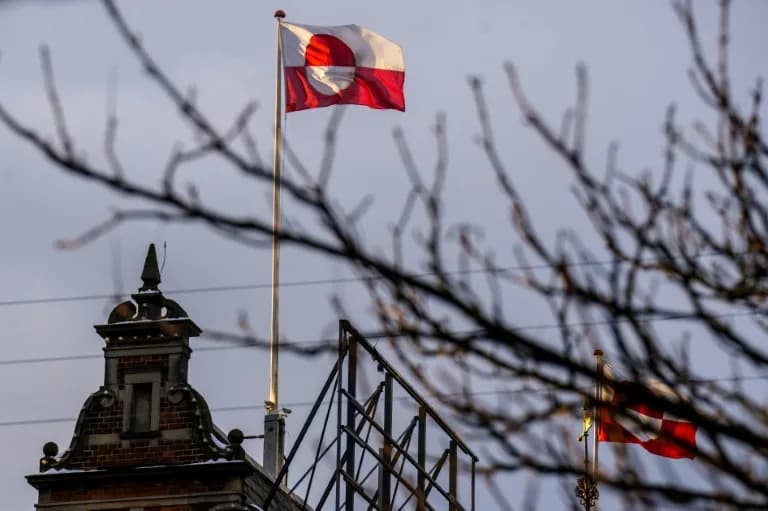
The Greenlandic flag over Tivoli Castle in Copenhagen, on January 8 (Ida Marie Odgaard)(Ida Marie Odgaard/Ritzau Scanpix/AFP)
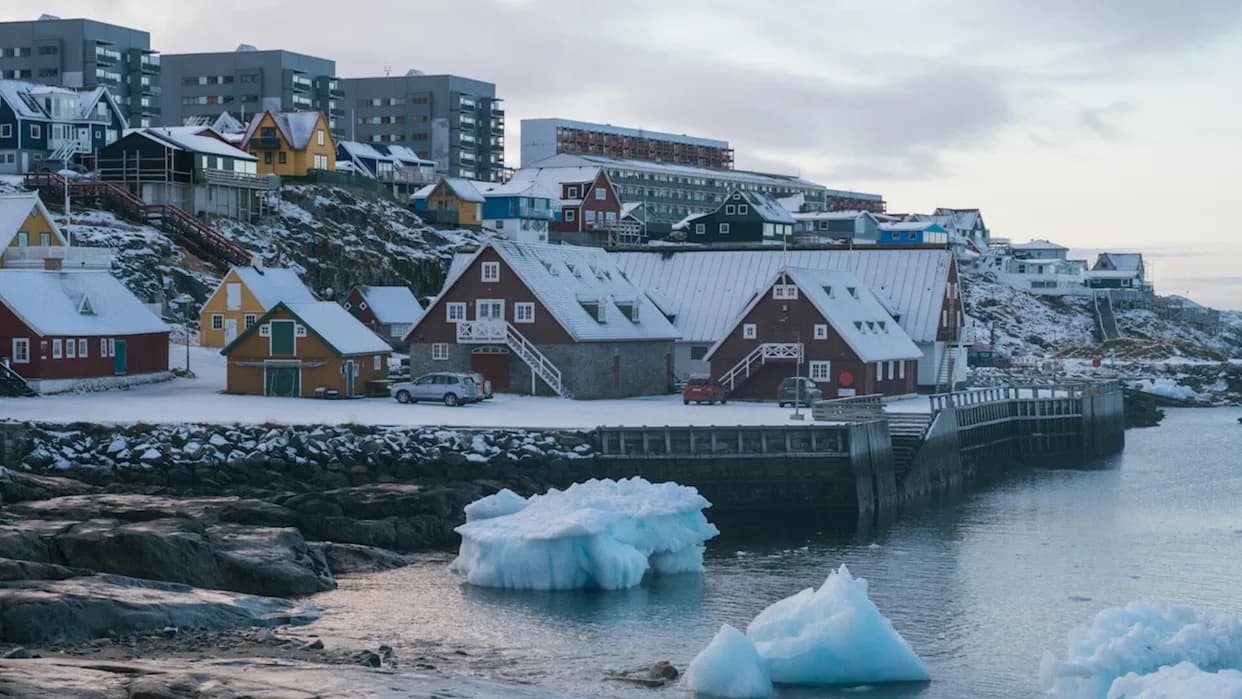
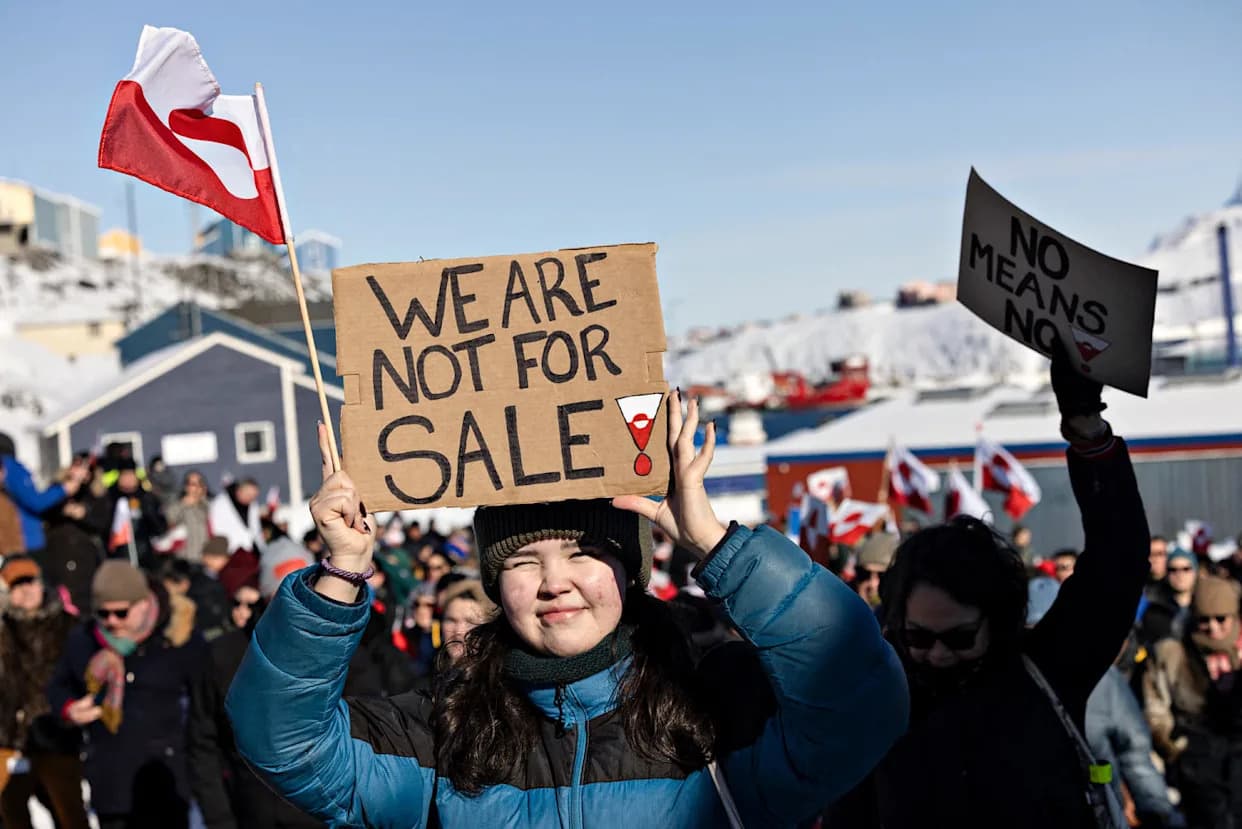
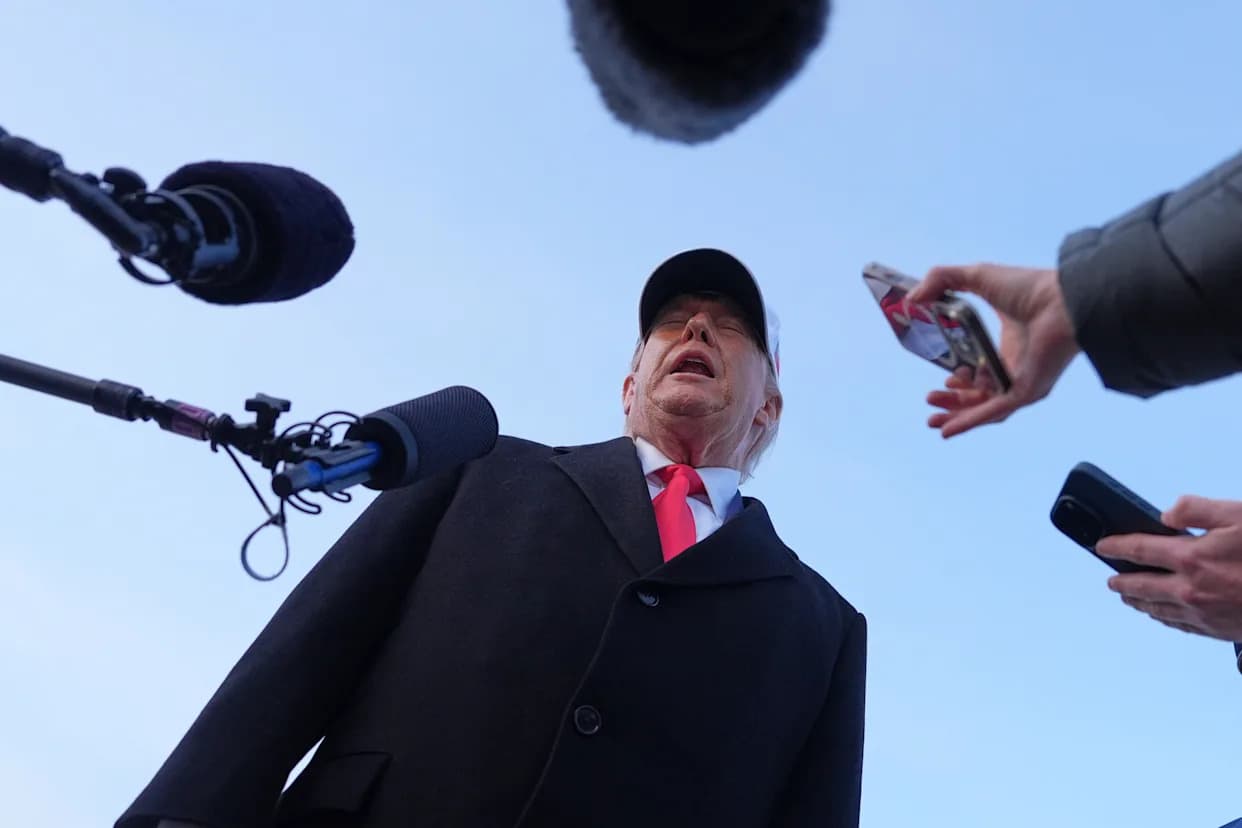
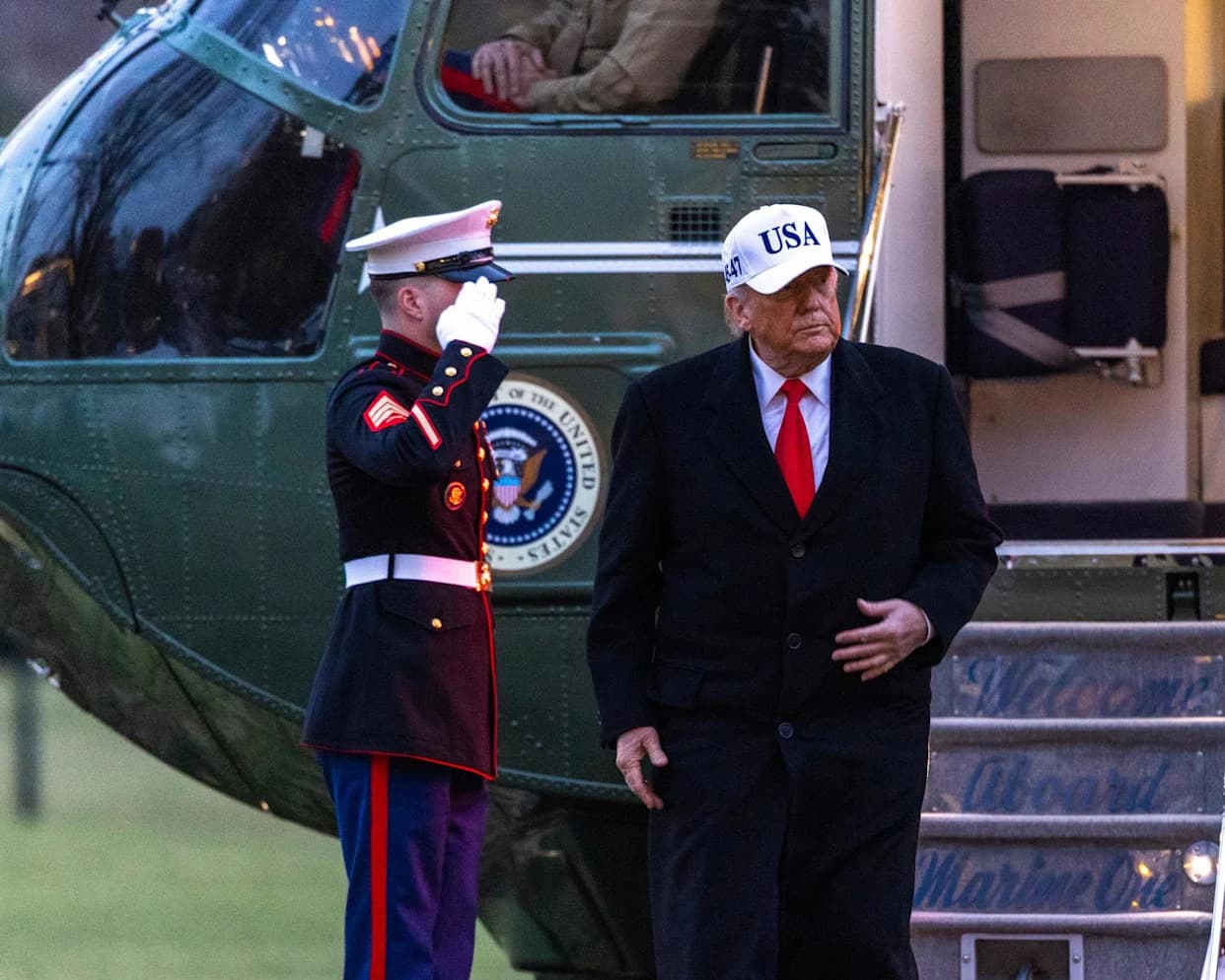
Greenland, Denmark's large Arctic territory, is pursuing full independence but both Nuuk and Copenhagen are moving cautiously — mindful of legal obligations, economic realities and renewed geopolitical interest in the island. Public attention spiked when former US President Donald Trump suggested the United States should acquire Greenland; Copenhagen and Nuuk firmly rejected the idea, stressing the island is not for sale and that Greenlanders must decide their future freely.
Legal Roadmap: The Self-Government Act
The legal framework for a peaceful transition already exists. The 2009 Self-Government Act and its Article 21 require that if Greenlanders choose to seek independence, formal negotiations must take place between the Greenlandic government in Nuuk and the Danish government in Copenhagen. Any bilateral agreement would then require approval by both parliaments and ratification in a Greenlandic referendum.
"We have an agreement with our Greenland fellow citizens that they decide their future in freedom, based on their own assessments and their own will," said Danish historian and former diplomat Bo Lidegaard, summarizing Copenhagen's stated principle that any decision must be free of coercion.
Economic Realities
Finances are the central practical hurdle. Denmark provides an annual subsidy to Greenland of about 4.5 billion kroner (roughly $703 million), equivalent to around one-fifth of Greenland's GDP. Greenland's economy is heavily dependent on fisheries, and a Danish central bank report highlights demographic pressures from an ageing population. These factors raise serious questions about immediate fiscal viability for a newly sovereign state.
Local voices reflect this uncertainty. "I don't think they're in a place where they can be economically independent. But if they want to try, sure, go for it," said a young Copenhagen student. Other Greenlanders emphasize the need for a realistic, phased plan before severing ties.
Politics at Home
Internally, Greenlandic politics are divided. The opposition party Naleraq campaigned on a platform of rapid secession and won 24.5 percent of the vote in the 2025 legislative elections, using heightened international interest to press for quicker action. By contrast, the current ruling coalition — reportedly backed by roughly 75 percent of the vote in 2025 — favors a gradual transition, working from a draft constitution prepared in 2024.
Many Greenlanders favor independence in principle but not an abrupt break. Entrepreneurs and ordinary citizens interviewed in Nuuk urge careful planning, a realistic timetable and robust economic strategies before full sovereignty is pursued.
Geopolitics and Strategic Interest
Greenland's size, location and opening Arctic routes make it strategically valuable. Public suggestions from high-profile foreign figures that the island could be bought stirred national pride and firm denials from both Copenhagen and Nuuk. Officials argue that strategic concerns underscore the importance of a transparent, democratic process rather than private bargaining.
What Comes Next
The likely path forward is incremental: internal consensus-building in Greenland; further constitutional work; detailed negotiations with Denmark over financial arrangements, infrastructure and international responsibilities; and finally, parliamentary approvals and a referendum. That process could take years, reflecting both the complexity of independence and the preference among many Greenlanders for a managed, peaceful transition.
Bottom line: Greenland has a clear legal route to independence, broad popular support in principle, and significant political momentum — but economic dependence on Danish subsidies, demographic challenges and geopolitical interest make a careful, staged approach the most realistic option.
Help us improve.