Greenland is largely inaccessible without specialised icebreakers. The United States has only three operational icebreakers and has sought 11 more through a deal with Finland and Canada, but construction and delivery will take years. Finland and Canada dominate icebreaker design and building, while Russia and China also maintain and expand fleets, giving those countries strategic leverage over Arctic access. Mining and defence projects in Greenland will be expensive and slow, underscoring the need for international cooperation.
Icebreakers Decide Who Can Reach Greenland — Allies and Rivals Hold the Keys
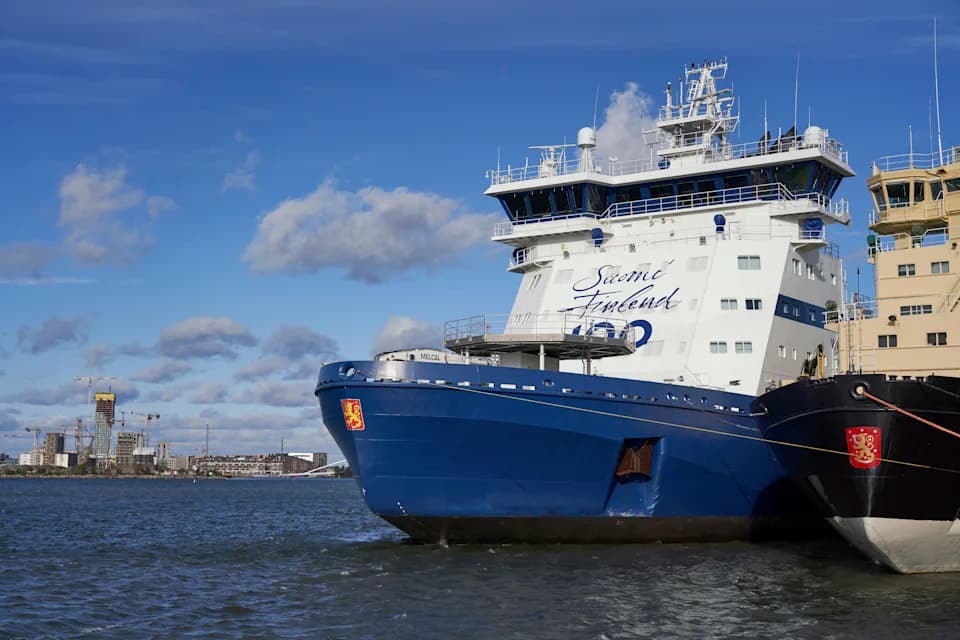
FILE -Finnish icebreaker Polaris is moored in Helsinki, Finland, Thursday Sept. 27, 2018. (AP Photo/David Keyton, File)(ASSOCIATED PRESS)
Greenland’s greatest barrier to outside influence is not diplomacy or distance but ice. Frozen seas choke harbors, conceal mineral deposits beneath pack ice and turn coastlines into fields of jagged, ship‑threatening hazards year‑round. The only practical way to operate reliably in Greenland is with icebreakers — specialised, heavily reinforced ships that cut channels through the ice.
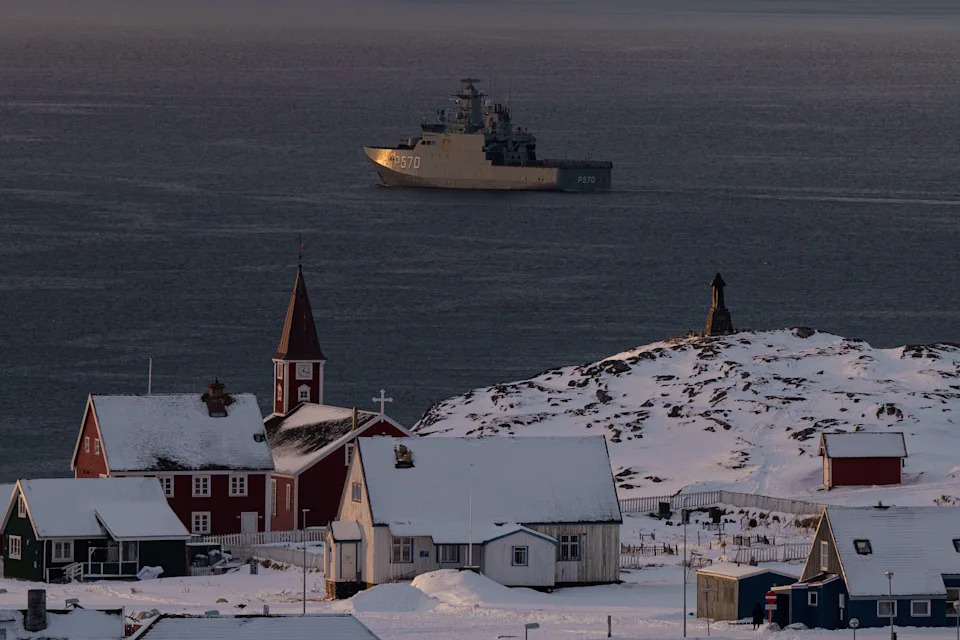
Military vessel HDMS Knud Rasmussen of the Royal Danish Navy patrols near Nuuk, Greenland, on Thursday, Jan. 15, 2026. (AP Photo/Evgeniy Maloletka)(ASSOCIATED PRESS)
Why Icebreakers Matter
Today, the United States has just three icebreakers — one of them so decrepit that it is barely usable — and faces a substantial capability gap. Washington has agreements to acquire 11 more vessels, but building and procuring icebreakers is a specialised industry concentrated in only a few countries. That reality gives nations with shipyards and long Arctic experience disproportionate leverage over who can access Greenland.
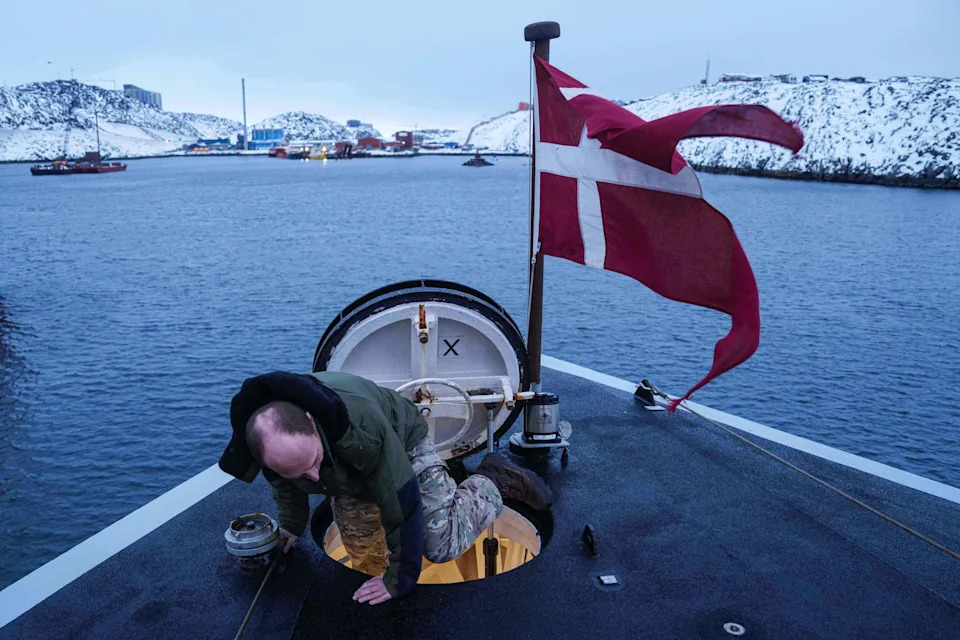
A Danish serviceman climbs out of a hatch on the bow of the military vessel HDMS Knud Rasmussen of the Royal Danish Navy docked in Nuuk, Greenland, on Saturday, Jan. 17, 2026. (AP Photo/Evgeniy Maloletka)(ASSOCIATED PRESS)
Where Icebreakers Come From
Finland is the global leader in icebreaker design and construction. Finnish yards have built about 60% of the world's fleet of more than 240 icebreakers and designed roughly half of many of the remaining vessels. Russia operates the largest fleet — roughly 100 icebreakers, including nuclear‑powered monsters — while Canada is expanding its fleet and aims to roughly double capacity to about 50 vessels. China currently fields a handful of icebreakers but is rapidly building more as it pursues Arctic ambitions.
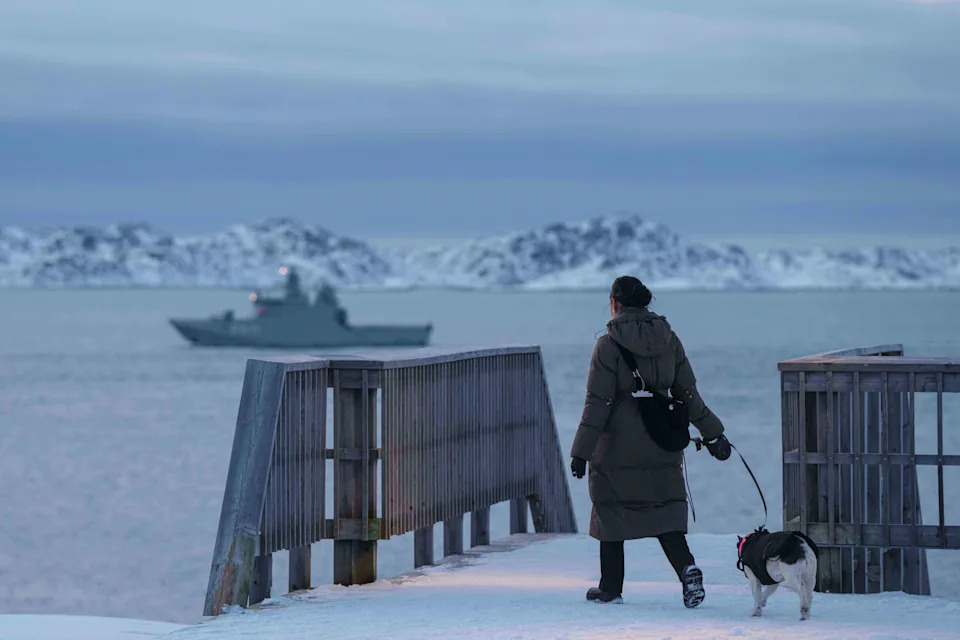
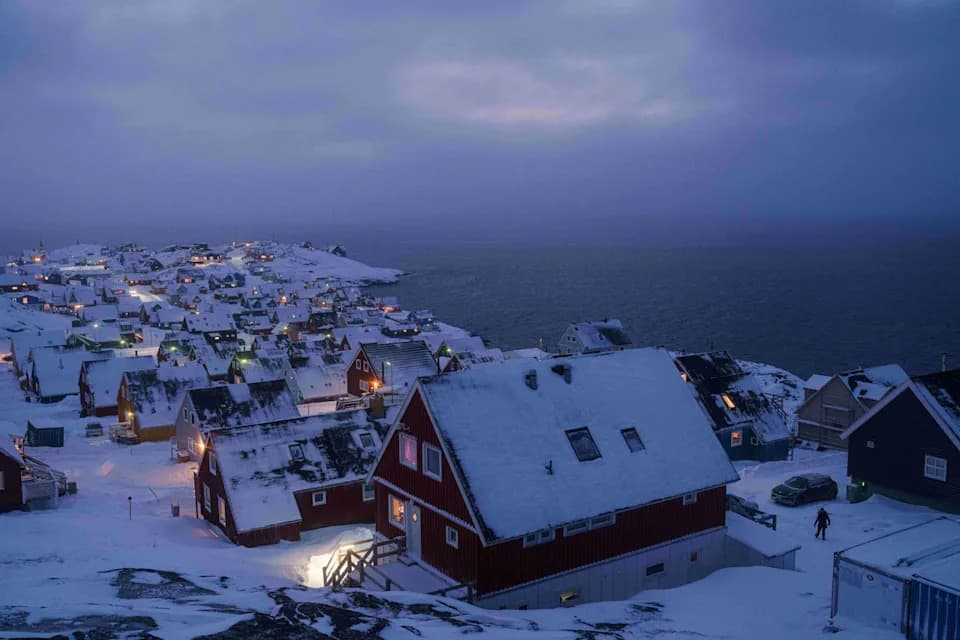
A woman walks with her dog in Nuuk, Greenland, on Thursday, Jan. 15, 2026. (AP Photo/Evgeniy Maloletka)(ASSOCIATED PRESS)
’It’s very niche capability,’ says Alberto Rizzi of the European Council on Foreign Relations. ‘Finland turned necessity into geoeconomic leverage.’
U.S. Plans And The Ice PACT
To close the gap the U.S. signed an agreement — dubbed Ice PACT — with Finland and Canada to procure 11 icebreakers based on Finnish designs. Under that plan, four would be built in Finland and seven in North America: at a Canadian‑owned, U.S. shipyard complex in Texas (marketed as an 'American Icebreaker Factory') and a joint U.S.‑Canadian yard in Mississippi. Even so, deliveries and workforce ramp‑up will take years.
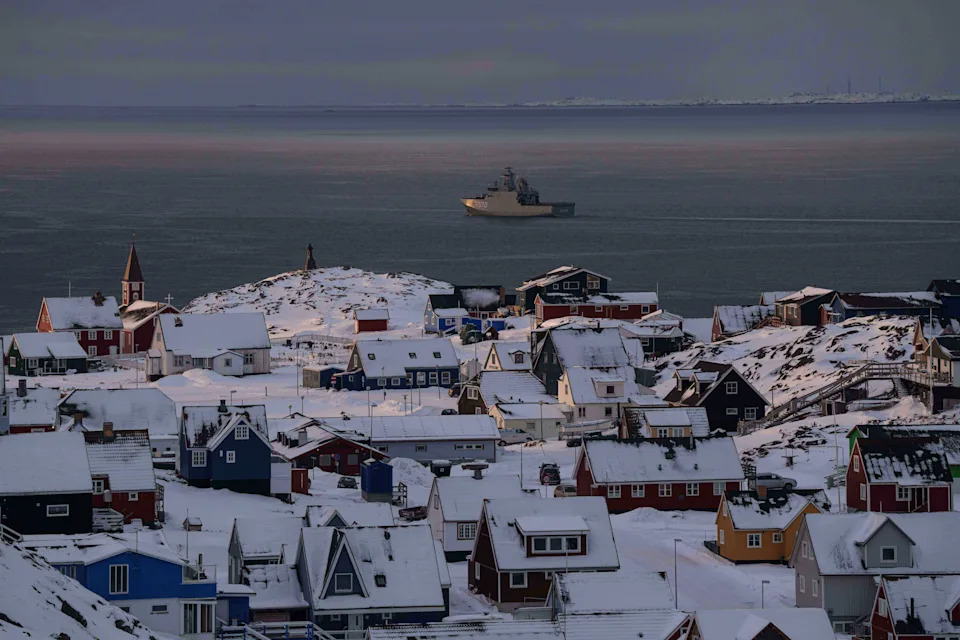
Military vessel HDMS Knud Rasmussen of the Royal Danish Navy patrols near Nuuk, Greenland, Thursday, Jan. 15, 2026. (AP Photo/Evgeniy Maloletka)(ASSOCIATED PRESS)
Economic And Strategic Costs
Mining Greenland’s critical minerals and developing defence projects there would be costly and slow. Harsh sea and land conditions drive up capital and operating costs; projects often take years or decades to become profitable. Proposed defence concepts, such as the unfunded 'Golden Dome' missile‑defence architecture, illustrate the scale: estimates for that network run into the hundreds of billions of dollars.
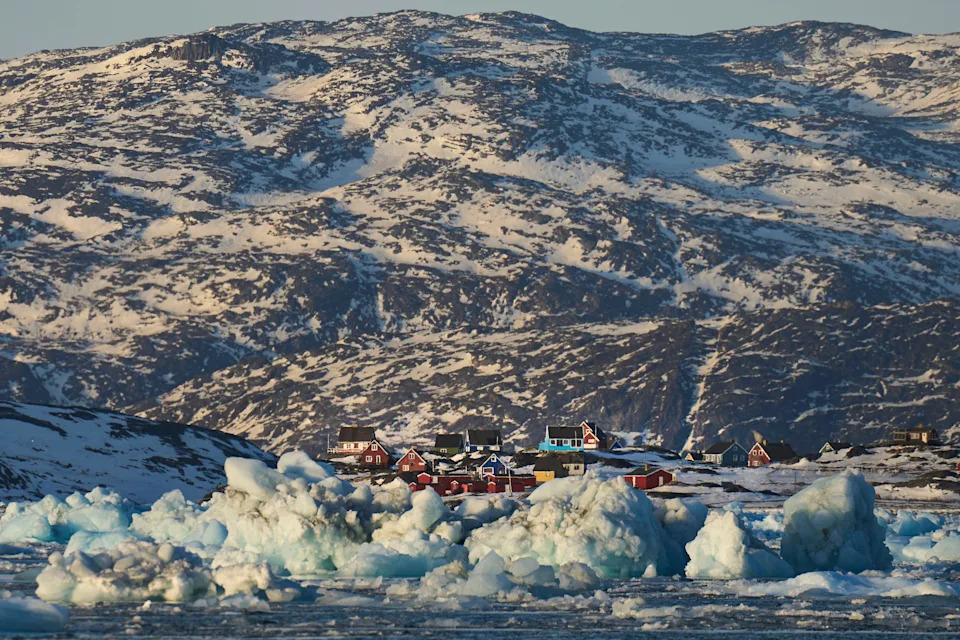
FILE - Pieces of ice move through the sea in Qoornoq Island, near Nuuk, Greenland, on Feb. 17, 2025. (AP Photo/Emilio Morenatti, File)(ASSOCIATED PRESS)
Geopolitical Leverage
Because icebreaker construction and specialised crews are concentrated in a handful of countries, those suppliers exert strategic leverage. The U.S. must choose between sourcing vessels from traditional allies like Finland and Canada — who have sometimes been publicly criticized by U.S. leaders — or turning to yards in strategic rivals such as China or Russia. EU leaders, including European Commission President Ursula von der Leyen, have emphasised that Arctic security is a shared challenge and highlighted the bloc’s industrial capacity to help.
Bottom line: Control of the sea lanes in the Arctic depends less on rhetoric than on steel, engineering and years of specialised know‑how. Icebreaker production — and the political choices behind where to buy them — will shape who can realistically operate in Greenland for the foreseeable future.
Help us improve.