Rising ammonia levels in the Yamuna River forced six of Delhi’s nine major water plants to close, disrupting supplies across 43 neighborhoods and affecting roughly two million people. Low-income areas reported days without water, yellow foul-smelling supplies, and illnesses tied to contaminated water and stagnant sewage. Activists removed visible waste from the river but warn industrial toxins remain; the government plans to expand sewage treatment capacity and extend networks by 2028.
Delhi’s Water Crisis: Millions Without Safe Supply After Yamuna Contamination
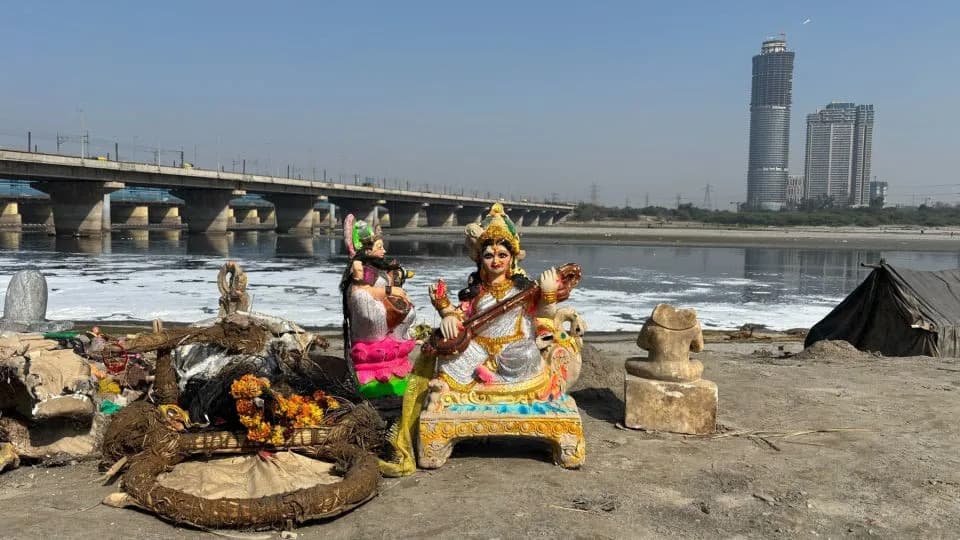
Activists pulled items from the polluted Yamuna River, including statues of idols, on January 25, 2026, as high levels of ammonia made the water was too toxic to treat. - Esha Mitra/CNN
Ravinder Kumar wades through ankle-deep sludge each day just to leave his home in Sharma Enclave in northwest Delhi — yet inside the small brick dwelling there is no safe water to drink.
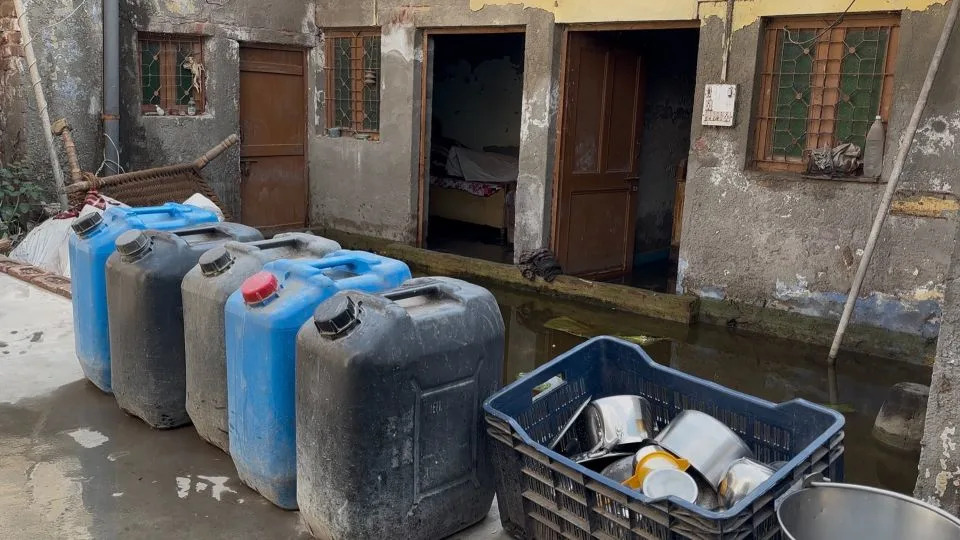
Empty buckets of water in Sharma Enclave, northwest Delhi. - Esha Mitra/CNN
Surrounded by filth, the 55-year-old twists his plastic taps repeatedly, hoping that water will come. "Water comes once every three days, and even then you only get clean water for an hour," he told CNN. "It’s hard to bathe. Sometimes the water is black. We wash only once every four or five days."
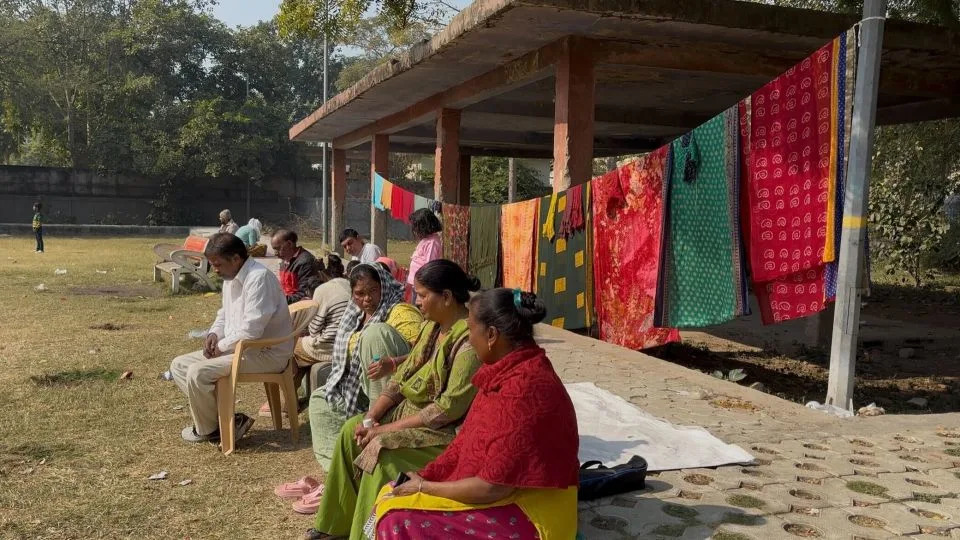
Residents in Raghubir Nagar say they were forced to wash their clothes in dirty water after spending five days without a single drop. - Esha Mitra/CNN
What Happened
Rising ammonia levels in the Yamuna River — linked to industrial effluent and untreated sewage — forced six of Delhi’s nine major water treatment plants to shut down last week. The city of about 20 million people relies on the Yamuna for roughly 40% of its water supply.
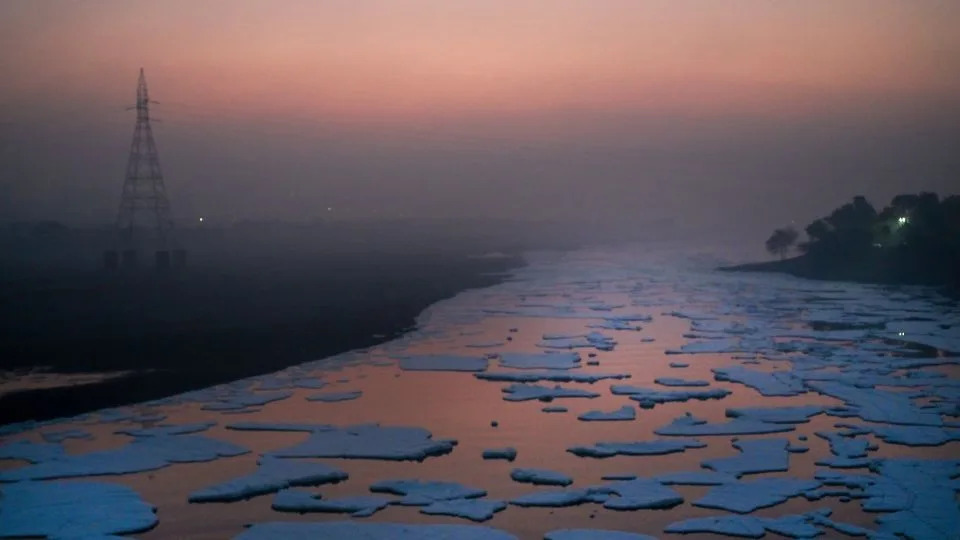
A morning view of the polluted Yamuna River on January 11, 2026 in New Delhi, India. - Sunil Ghosh/Hindustan Times/Getty Images
The Delhi Water Board said 43 neighborhoods, home to an estimated two million residents, were affected by supply disruptions. CNN contacted resident welfare groups in all 43 areas; 10 groups representing more than 600,000 people reported receiving no water for several days. Others reported only reduced or intermittent flows.
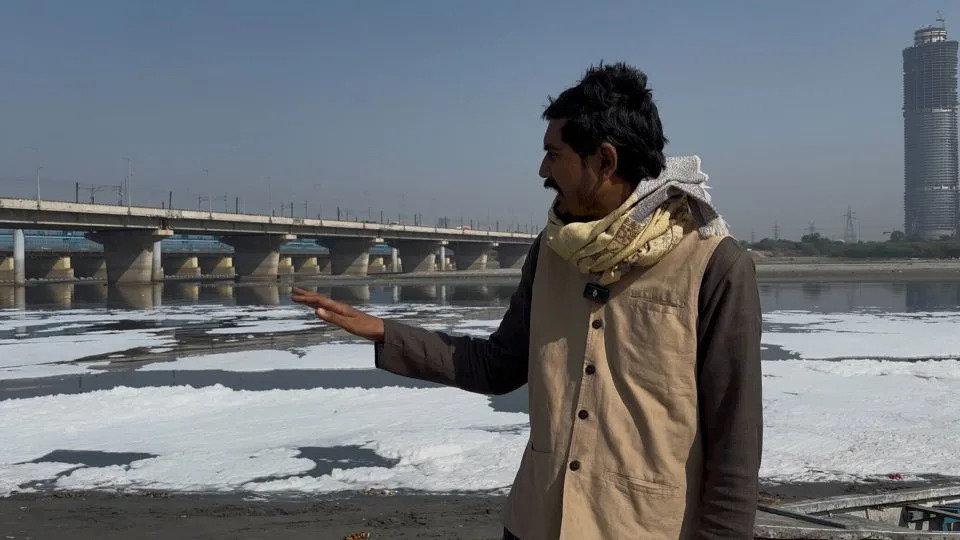
Pankaj Kumar on the banks of the Yamuna River, with toxic foam behind him. - Esha Mitra/CNN
On the Ground
When supplies briefly returned on Thursday, some residents stored yellow, foul-smelling water that gave off an odor like rotting eggs and reported skin irritation after use. Shashi Bala, a 70-year-old resident of Sharma Enclave, said her home was flooded with dirty water for six months after nearby construction mismanagement and clogged drains. "Everyone’s health is getting worse," she said. "Everything is filthy here."
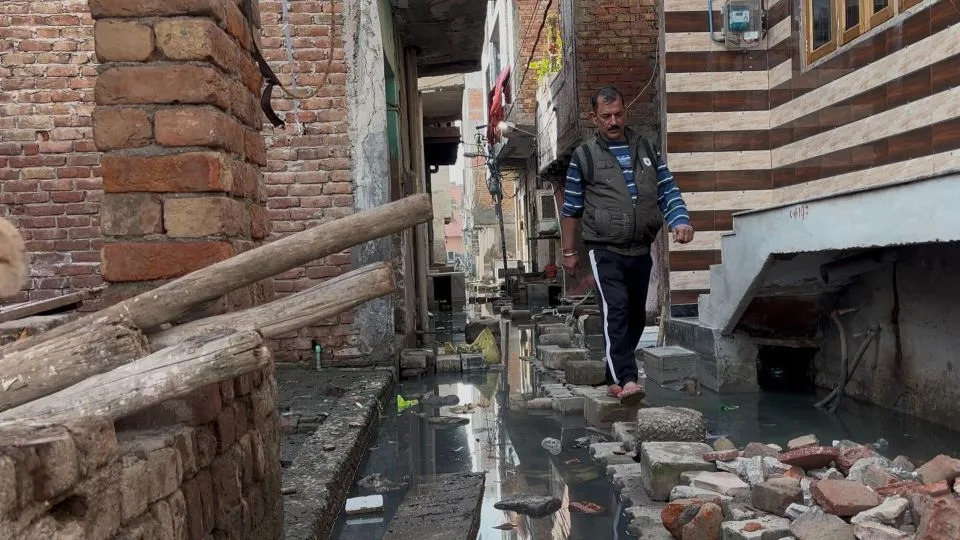
Ravinder Kumar uses stepping stones to cross water outside his home in Sharma Enclave, Delhi. - Esha Mitra/CNN
"Delhi became a city because the Yamuna flowed... We have finished this river,"
— volunteer Pankaj Kumar, who helped lead a riverbank clean-up.
Environmental And Systemic Causes
Though only about 2% of the Yamuna’s 855-mile course runs through Delhi, a government monitoring committee estimates the capital contributes approximately 76% of the river’s pollution. Dissolved oxygen levels in stretches of the river frequently fall to zero, turning channels into sewage-like drains and smothering aquatic life.
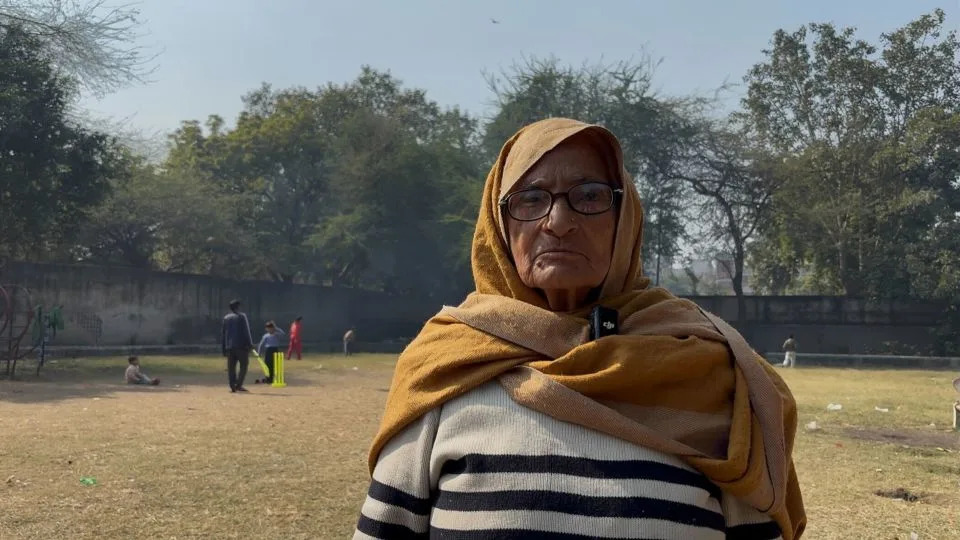
Bhagwanti said her neighborhood did not receive any water for five days. When it arrived, it was toxic. - Esha Mitra/CNN
A conspicuous symptom of contamination is the thick white foam that coats parts of the river — a dense mix of sewage-derived detergents and industrial waste. Activists who staged a clean-up removed clothing, plastic debris and submerged religious idols, but warned that removing solid waste does not address dissolved industrial toxins such as ammonia and heavy metals.
Public Health, Cost And Inequality
Low-income residents are especially vulnerable. In West Delhi’s Raghubir Nagar, Raja Kamat said water was off for five days and when it returned last Friday it was black. She survives on a government pension of about $13 a month and cannot easily afford bottled water; a 5-liter bottle costs roughly $0.30, forcing families to ration scarce supplies.
Contaminated surface water and inadequate sewage systems also threaten groundwater. A 2022 study cited in the reporting found heavy metal pollution in Delhi’s groundwater, exacerbating long-term health risks for residents across unauthorized colonies lacking formal sewage networks.
Official Response And Plans
The Delhi Water Board told CNN that under 1% of the city reported "temporary water quality issues, mainly due to illegal booster pumps and unauthorized connections that disturb pipeline pressure," and said it was working to restore normal service. The board reported supplies were restored on January 24 for many areas, though residents in some pockets said supply remained unreliable.
Facing chronic shortages, the Delhi government announced plans to nearly double sewage treatment capacity to 1,500 million gallons per day and to install sewage networks across all unauthorized colonies by 2028. Experts say infrastructure upgrades are essential but will not immediately resolve the legacy of industrial pollution in the Yamuna.
Takeaway
The crisis highlights how industrial discharge, weak sewage treatment and rapid, unplanned urban growth combine to endanger public health and essential services. Residents face immediate hardships — loss of water, foul-smelling supplies and illness — while long-term cleanup and investment will be necessary to restore the Yamuna and secure Delhi’s water future.
Help us improve.