NASA halted the Artemis II wet dress rehearsal after an out‑of‑limits hydrogen leak at a pad umbilical, forcing the agency to move the earliest crewed launch window from February to March. The countdown reached an extended hold at T‑minus 10 minutes and was finally stopped at T‑minus 5 minutes 15 seconds. Teams will review telemetry, repair the affected systems and conduct another dress rehearsal ahead of five launch opportunities March 6–11.
Hydrogen Leak Halts Artemis II Dress Rehearsal — Crewed Flight Now Targeted For March
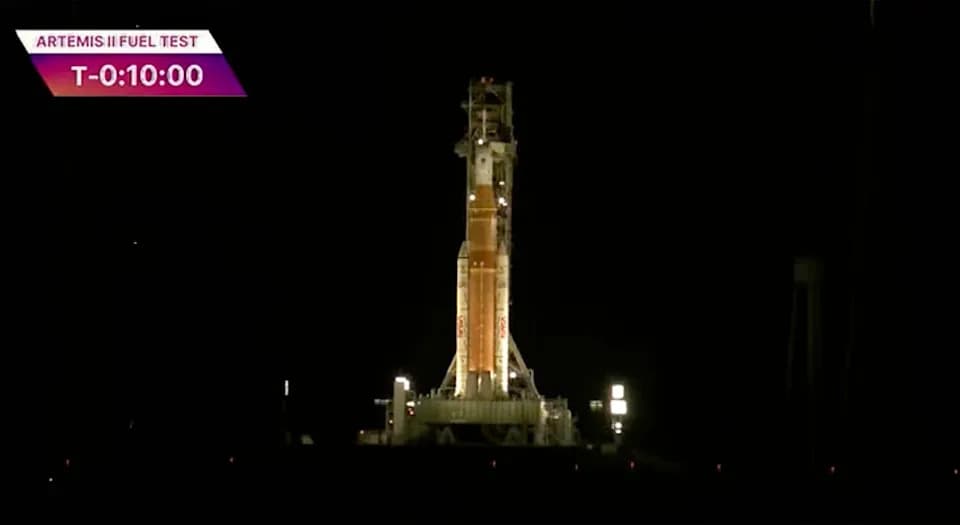
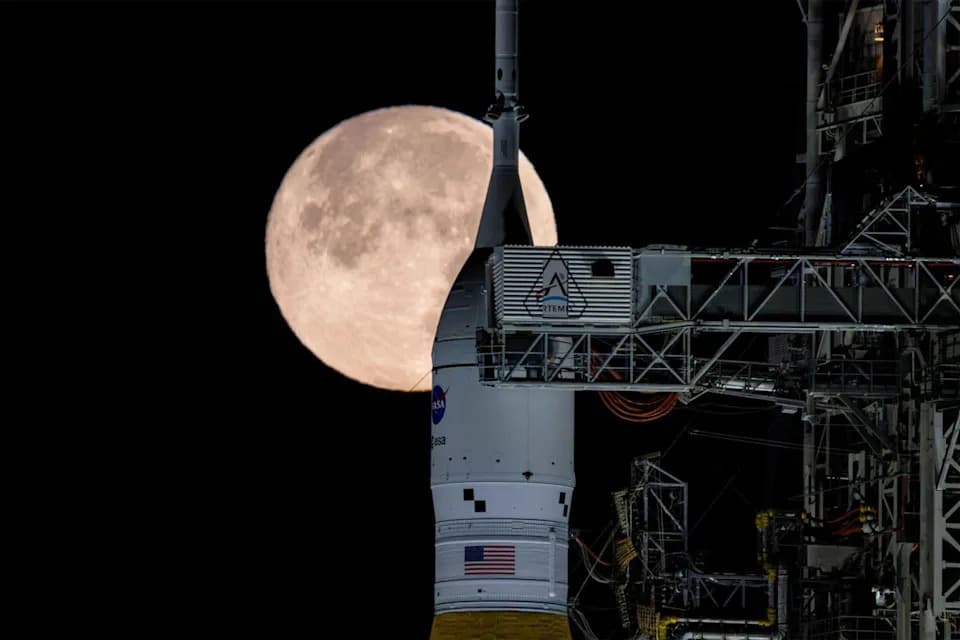
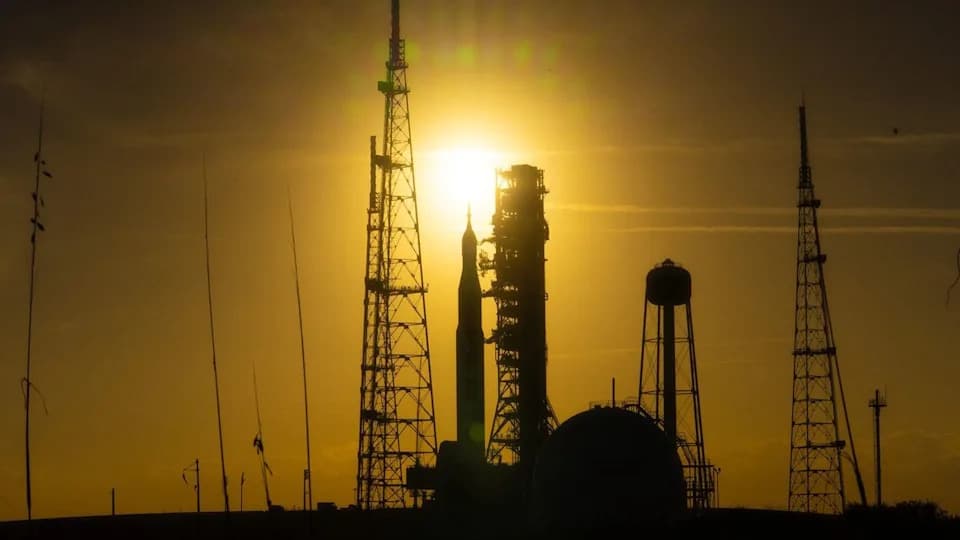
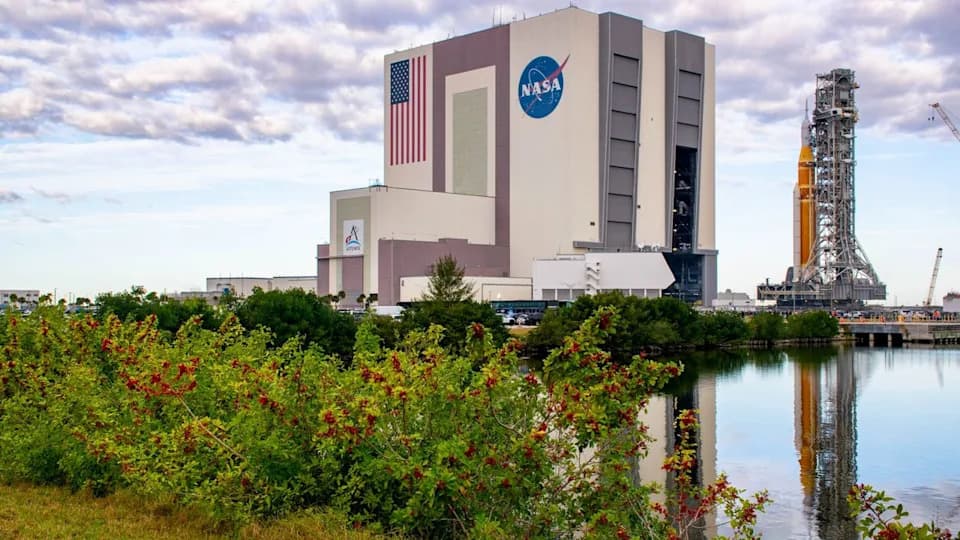
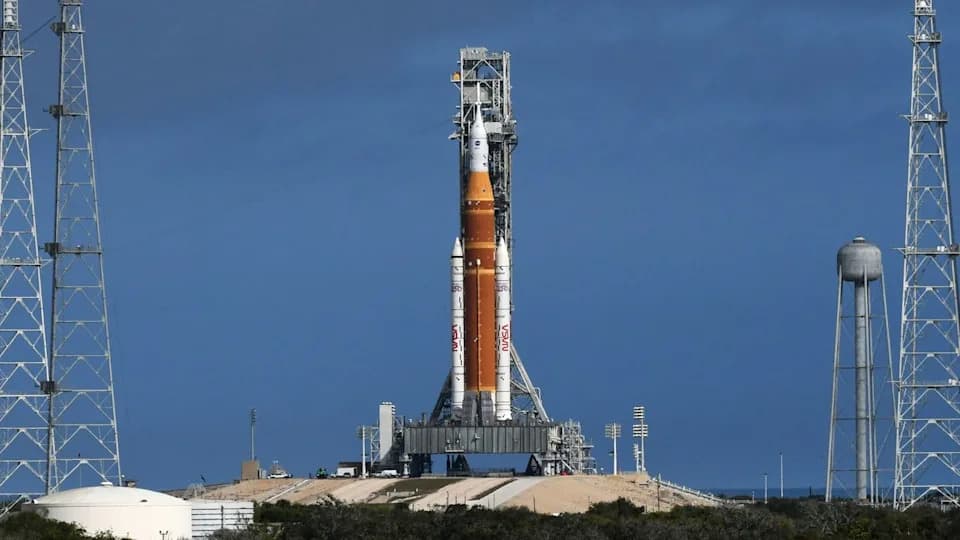
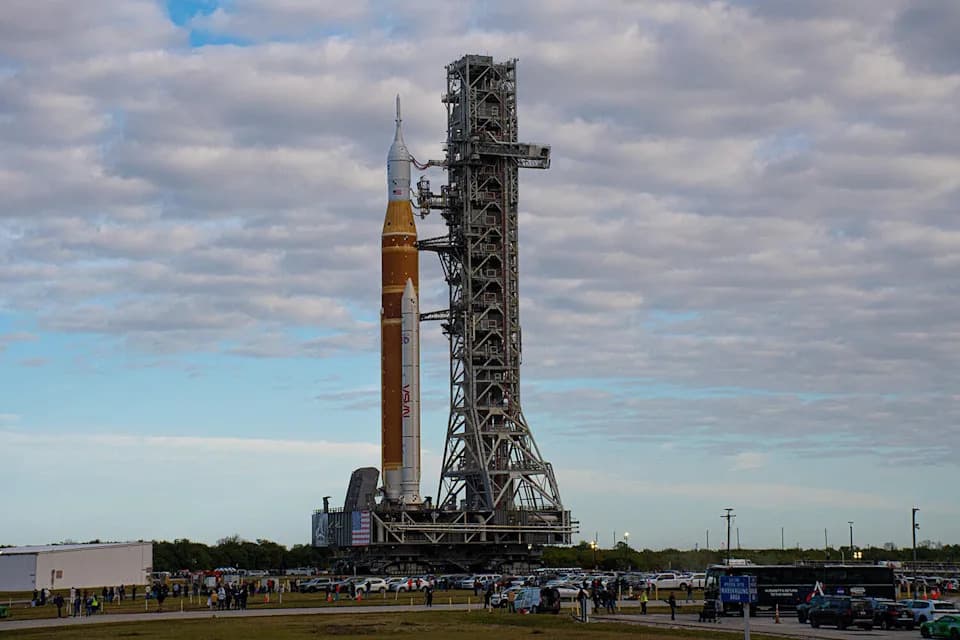
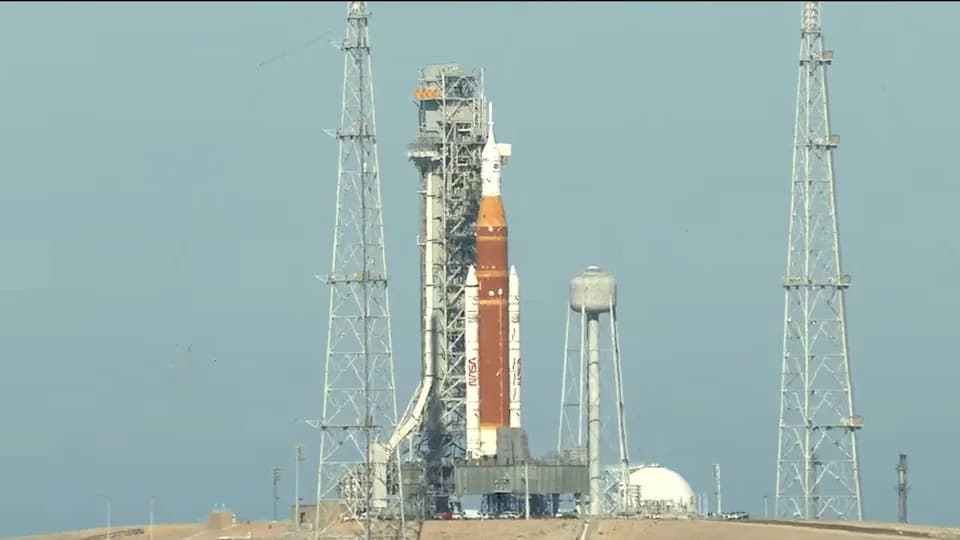
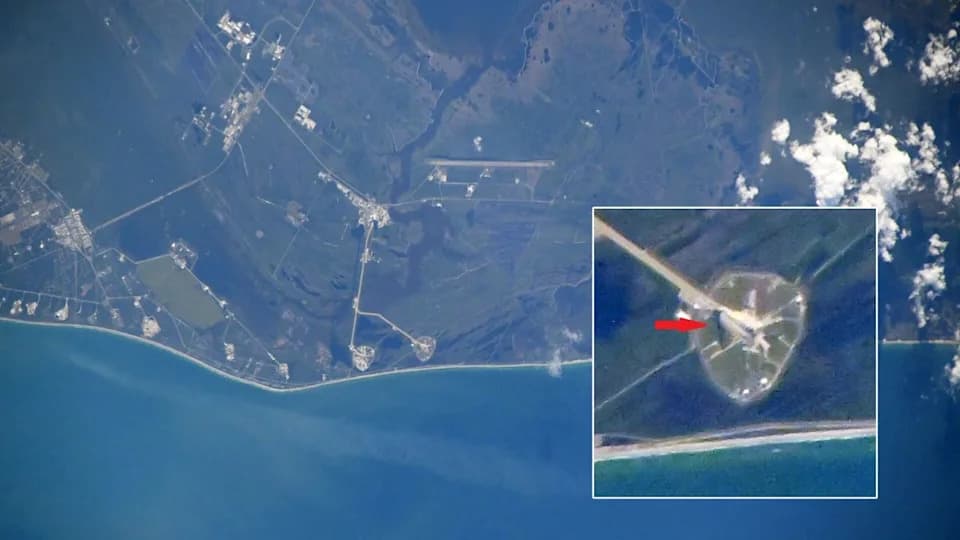
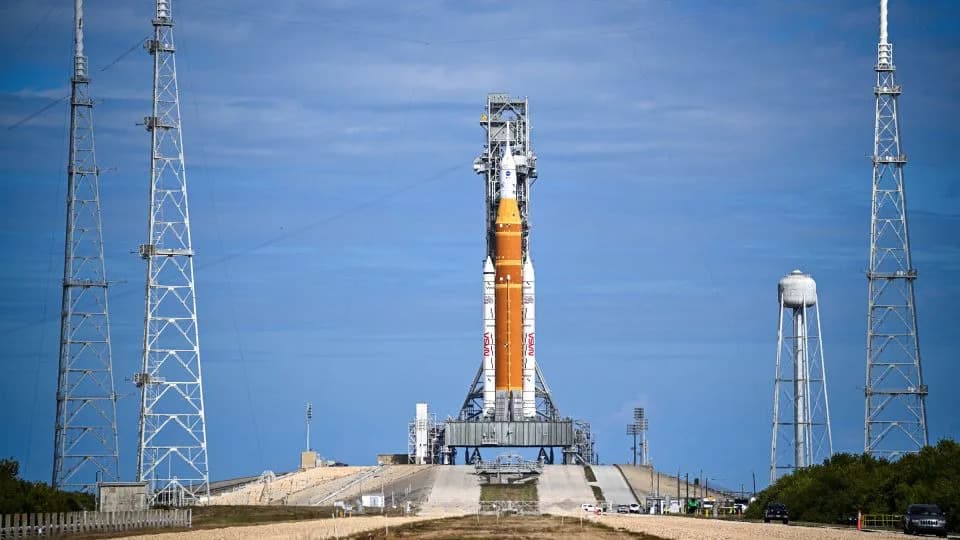
NASA's Space Launch System rocket stands atop pad 39B at the Kennedy Space Center on night of Feb. 2, 2026. / Credit: NASA(NASA)
NASA called off a wet dress rehearsal for the Artemis II moon rocket early Tuesday after engineers detected an out‑of‑limits hydrogen leak. The issue forced the agency to move the earliest crewed launch opportunity from February to March while teams analyze data, make repairs and plan a second rehearsal.
What Happened During the Test
The remotely controlled practice countdown began Saturday evening, two days late because of frigid weather on Florida's Space Coast. After a Monday morning readiness review, launch teams started pumping supercold liquid oxygen (LOX) and liquid hydrogen into the Space Launch System (SLS) rocket.
Fueling initially progressed normally, including hydrogen flow into the upper stage. When the first‑stage hydrogen tank reached roughly 55% capacity, engineers detected a leak at an umbilical plate where a pad fuel line connects to the base of the SLS. Teams paused, resumed fueling briefly, then halted again with the tank about 77% full.
Engineers adjusted procedures — stopping hydrogen flow to let the interface warm so seals could reseat and changing propellant flow rates — and eventually brought all tanks to full and into a "stable replenish" mode. A closeout team then went to the pad to ready the Orion crew capsule for a simulated crew arrival and to close and test the two hatches.
Final Stop And Next Steps
Troubleshooting, intermittent communications dropouts and other anomalies extended the rehearsal. After an extended hold at T‑minus 10 minutes, the countdown briefly resumed after midnight but was aborted finally at T‑minus 5 minutes and 15 seconds when the automated Ground Launch Sequencer detected an increase in the hydrogen leak and stopped the sequence.
“With the conclusion of the wet dress rehearsal today, we are moving off the February launch window and targeting March for the earliest possible launch of Artemis II,” NASA said in a post on X. “These tests are designed to surface issues before flight and set up launch day with the highest probability of success.”
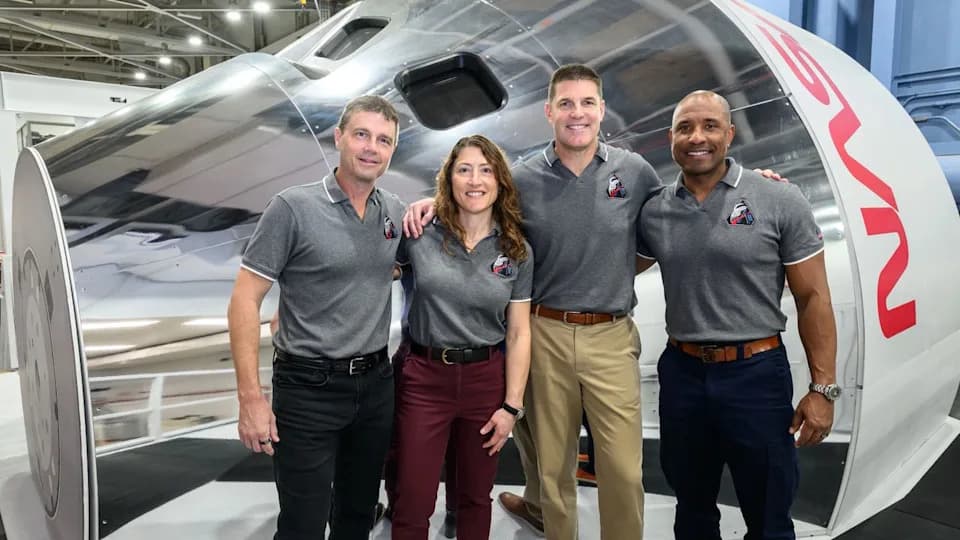
Artemis II commander Reid Wiseman, Victor Glover, Christina Koch and Canadian astronaut Jeremy Hansen — who had been in pre‑flight medical quarantine at NASA's Johnson Space Center in Houston — will remain in Houston and rejoin family and colleagues while teams work through repairs.
Context And Timeline
The SLS is a 332‑foot‑tall heavy launcher that uses two solid rocket boosters and four main engines burning LOX and hydrogen to generate roughly 8.8 million pounds of thrust at liftoff. Its uncrewed test flight, Artemis I, launched in 2022 after a campaign that exposed fuel‑system leaks and other propellant plumbing issues. Lessons from that campaign informed upgrades and procedures for Artemis II.
NASA said most upgrades performed as expected during the rehearsal, but leakage at the tail service mast umbilical — an issue encountered on Artemis I — reappeared. The agency plans a full data review, additional troubleshooting, repairs and at least one more wet dress rehearsal before attempting a crewed launch.
Five launch opportunities are available in the March window, beginning March 6 and running through March 11. NASA will announce updated test and launch targets as repairs progress.
Help us improve.