NASA rolled its 32‑story, 5.7‑million‑pound Space Launch System rocket to Launch Pad 39B at Kennedy Space Center, a major milestone ahead of the Artemis II crewed circumlunar mission. The eight‑hour crawl sets up a tightly scripted campaign of pad checkouts and a wet dress rehearsal around Feb. 2 that will load nearly 800,000 gallons of cryogenic propellant. If the fueling test is clean and scheduling allows, NASA could attempt a February launch; otherwise the mission could slip into March. Officials say no firm launch date will be announced until after pad testing is complete.
NASA Rolls Artemis II Moon Rocket to Launch Pad 39B Ahead of Early‑February Flight
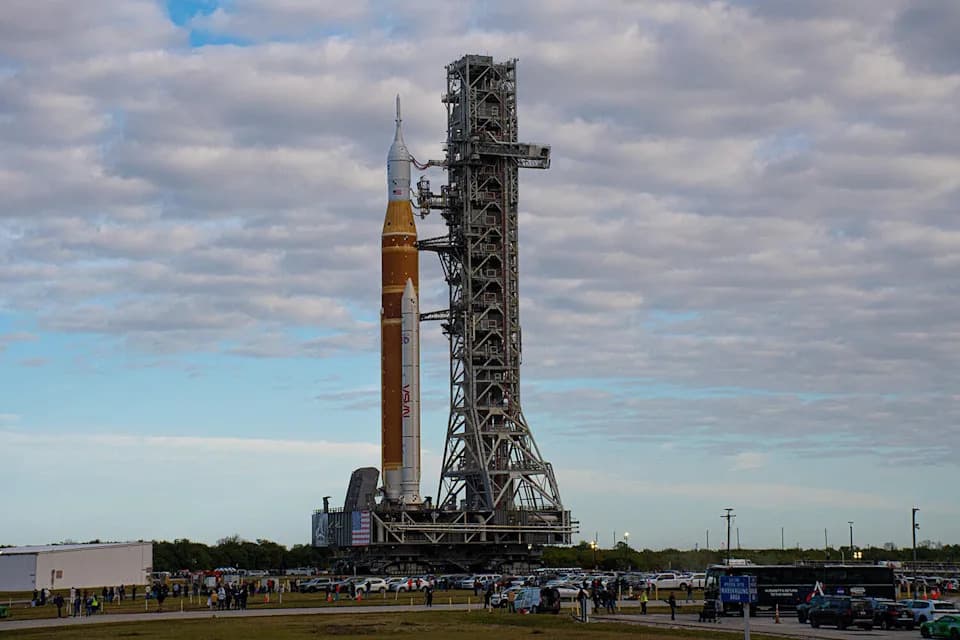
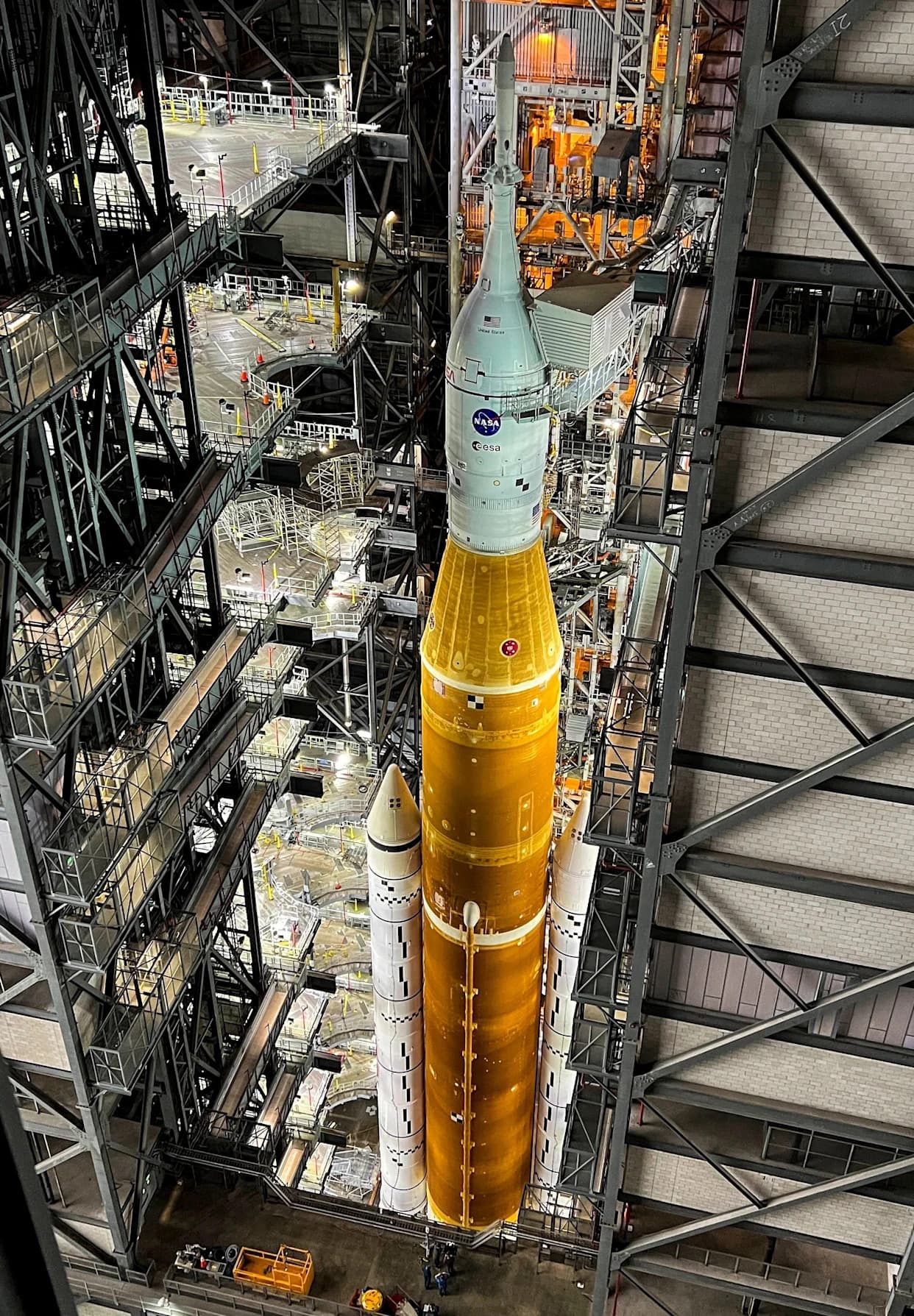
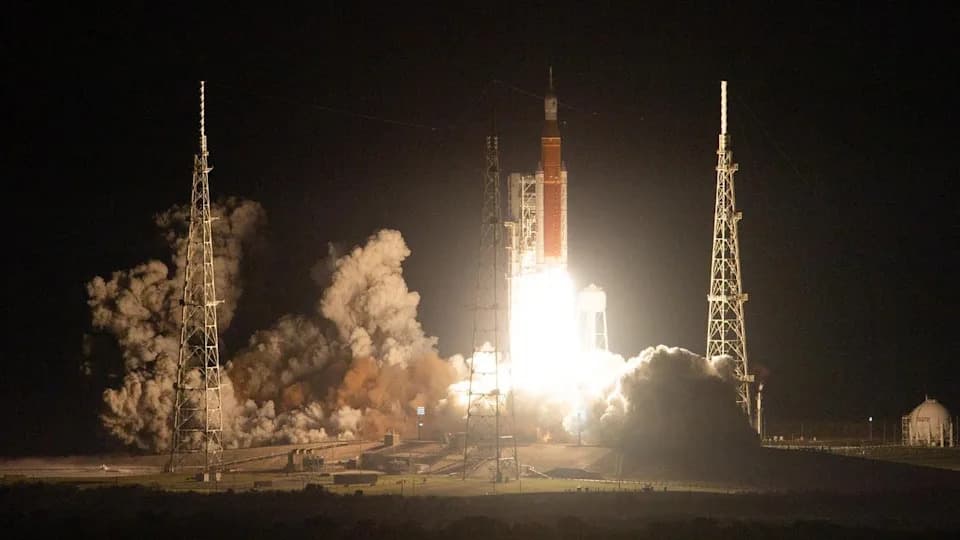
The Space Launch System rocket, with NASA's Orion crew capsule perched on top, was hauled out of the huge Vehicle Assembly Building at the Kennedy Space Center early Saturday for a 4-mile trip to launch pad 39B. If all goes well, NASA plans to launch the rocket in early February to send four astronauts on a trip around the moon and back. / Credit: William Harwood/CBS News
After months of careful preparation, NASA rolled its 32‑story Space Launch System (SLS) rocket — a 5.7‑million‑pound vehicle — from the Vehicle Assembly Building to Launch Pad 39B at Kennedy Space Center on Saturday. The rocket rode atop an upgraded Apollo‑era crawler‑transporter that itself weighs roughly six million pounds; the eight‑hour crawl began just after 7 a.m. local time and moved at a top speed just under 1 mph.
Milestone For Artemis II
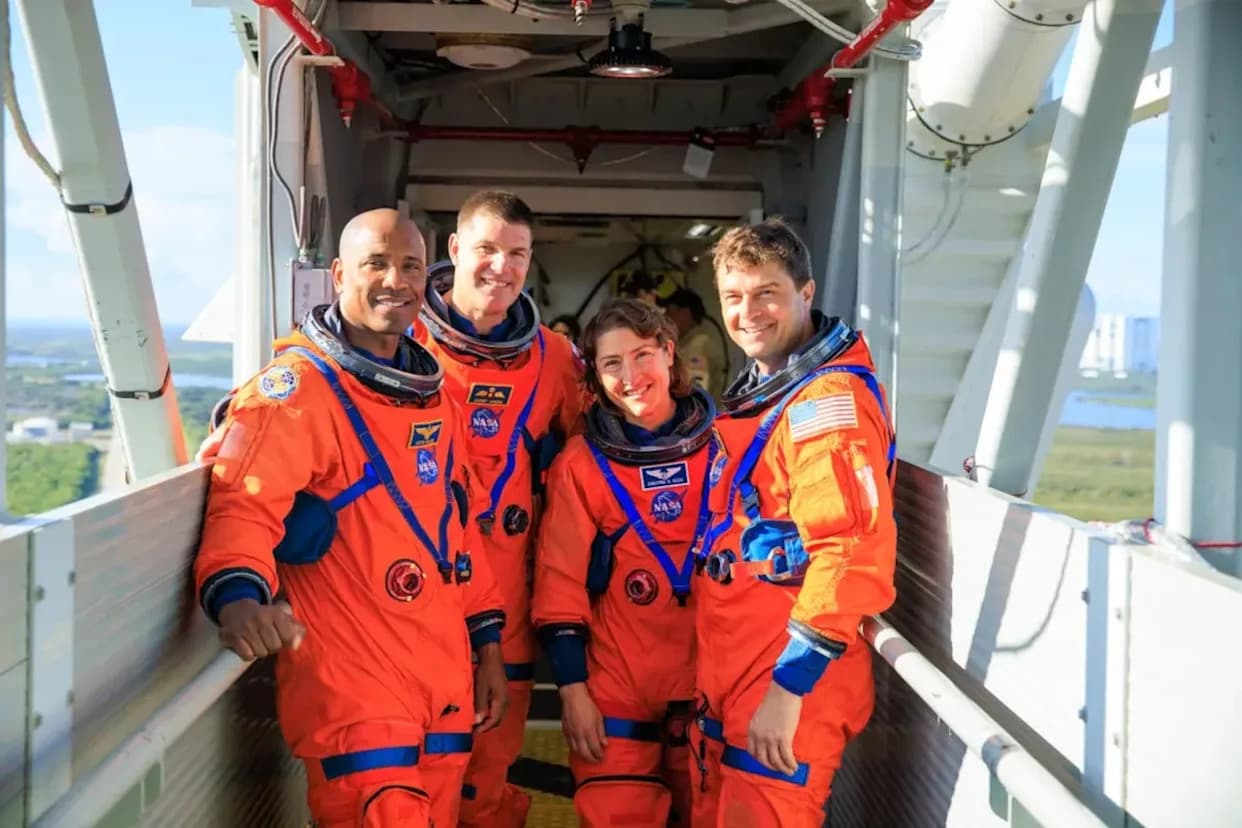
Hundreds of employees, family members and invited guests lined the crawlerway and gathered near the VAB to watch the slow, photogenic rollout. The Artemis II crew — Commander Reid Wiseman, Victor Glover, Christina Koch and Canadian astronaut Jeremy Hansen — were present to witness the milestone, as was private astronaut Jared Isaacman.
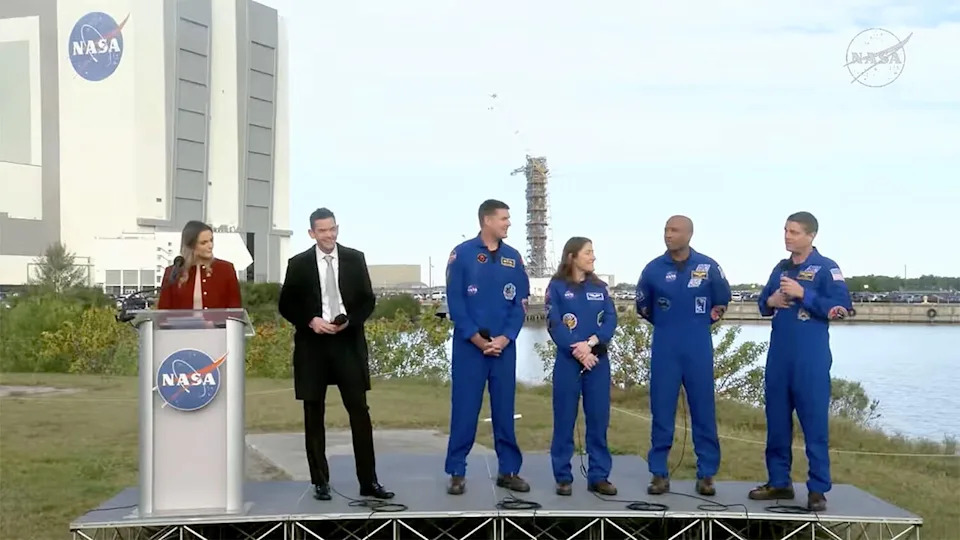
NASA Administrator Jared Isaacman and the Artemis II crew take questions from reporters during the SLS rollout to the launch pad. Left to right: NASA Press Secretary Bethany Stevens, Isaacman, Canadian astronaut Jeremy Hansen, Christina Koch, Victor Glover and Artemis II commander Reid Wiseman. / Credit: NASA
Wiseman celebrated the moment on social media, calling the SLS and its Orion crew capsule "engineering art" and describing his excitement about seeing the lunar far side from a new perspective. The SLS will generate about 8.8 million pounds of thrust at liftoff, making it the most powerful rocket NASA has flown, surpassing the agency's historic Saturn V. It produces a little more than half the thrust of SpaceX's Super Heavy–Starship system, which is still undergoing testing.
Countdown: Pad Tests and Wet Dress Rehearsal
The rollout begins a concentrated campaign of pad checkouts, system checkouts and integrated tests that will culminate in a critical "wet dress rehearsal" scheduled around Feb. 2. During the wet dress, teams will load nearly 800,000 gallons of super‑cold liquid hydrogen and oxygen to validate propellant loading procedures, pad interfaces and countdown operations.
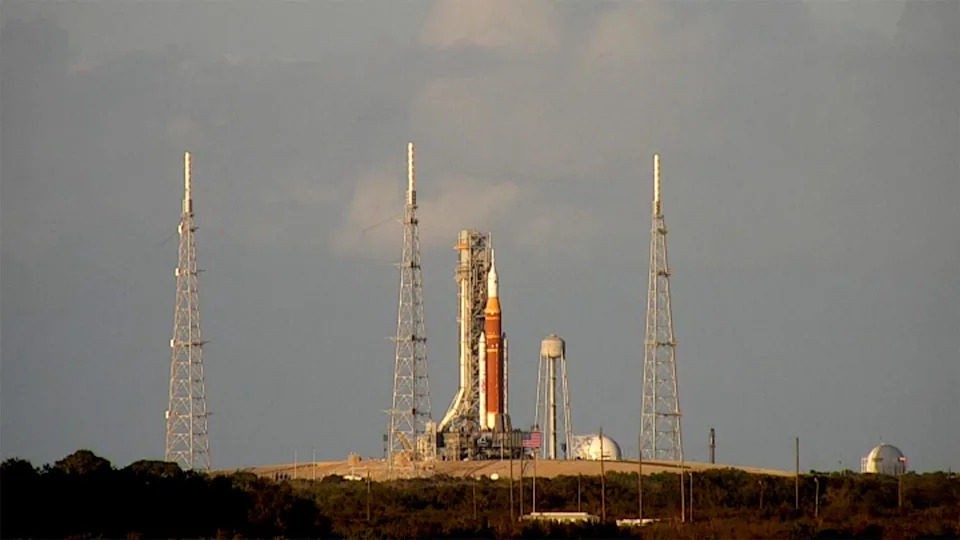
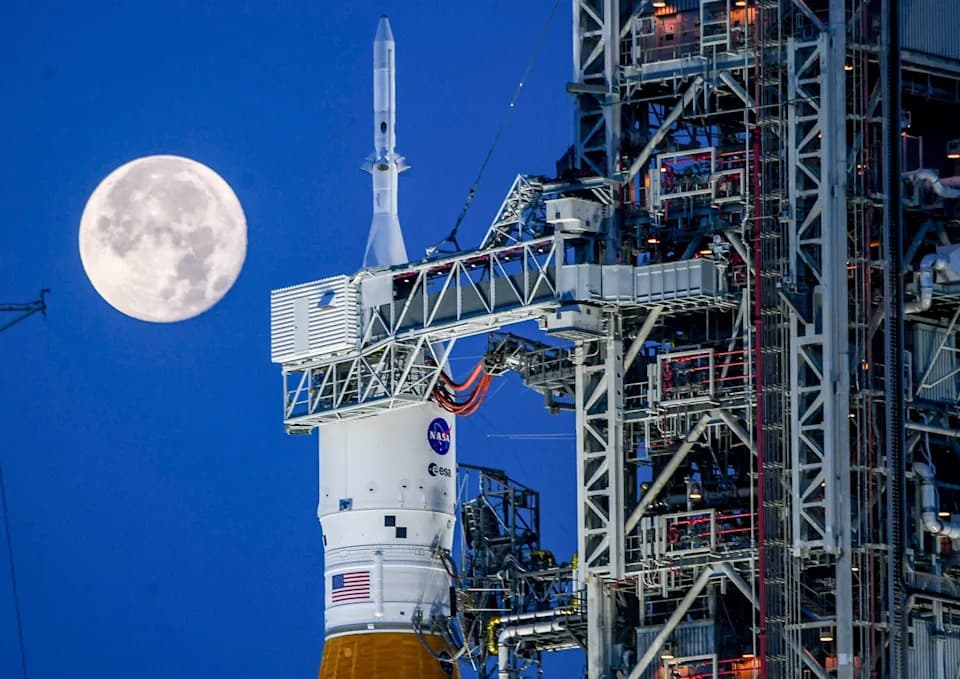
The Artemis II Space Launch System rocket reached the top of pad 39B after a 4-mile trip from NASA's Vehicle Assembly Building that took about eight hours to complete. NASA hopes to launch the rocket in early February to send four astronauts on a flight around the moon. / Credit: CBS News
Launch Director Charlie Blackwell‑Thompson said many elements have already been tested offline and inside the integrated environment of the VAB, and that the pad work is focused on verifying interfaces and powering up individual systems. "Wet dress is the big test at the pad. That's the one to keep an eye on — that's the driver to launch," she said.
Windows, Risks And Schedule Considerations
Because of the orbital geometry and the trajectory planned for Artemis II, NASA had five potential February launch dates (Feb. 6, 7, 8, 10 and 11). Because the rollout occurred a few days later than planned and pushed the wet dress into early February, only the final three February opportunities currently appear feasible.
If the wet dress is leak‑free and no other major issues arise, NASA could proceed with a February launch attempt. If problems are found, or if scheduling conflicts emerge, the next set of launch opportunities opens in March. A complicating factor is a separate crew replacement launch to the International Space Station: NASA managers generally try to avoid having two crewed spacecraft in flight simultaneously, and that ISS mission's timing could force managers to shift Artemis II to March if the schedules overlap.
The SLS's first flight in 2022, Artemis I, experienced delays related to propellant loading and hydrogen leaks. For Artemis II, NASA and its contractors have implemented hardware upgrades and revised procedures intended to reduce the chance of repeat problems. Agency leaders say they will not announce an official launch date until the wet dress rehearsal is complete and teams are satisfied with the pad results.
What Comes Next: Pad hookups, power‑up sequences, crew module work and the wet dress rehearsal — all of which will determine whether Artemis II can proceed in February or must wait for March windows.
Help us improve.