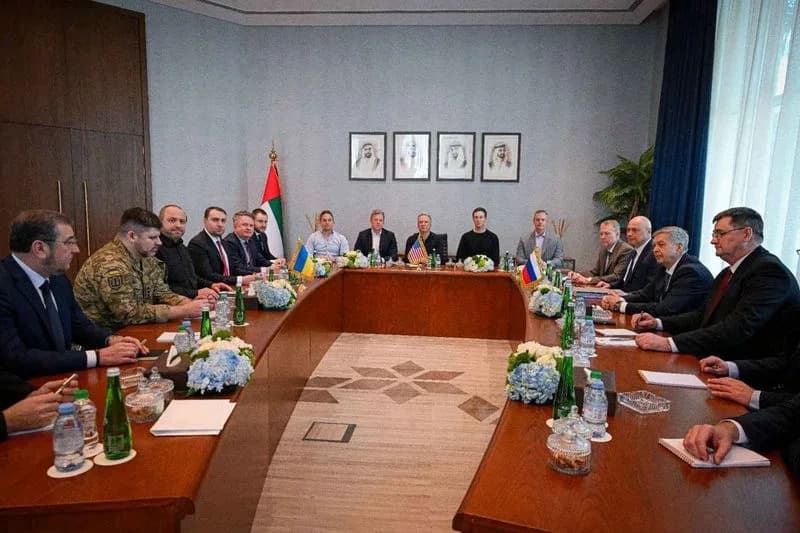
Delegations from Ukraine, Russia and the United States met in Abu Dhabi to press negotiations aimed at ending the four-year war that began with Russia's 2022 invasion. A major Russian missile-and-drone barrage damaged Ukraine's energy grid just before the talks, threatening to overshadow diplomacy. The core dispute concerns control of eastern Ukrainian territory: Moscow demands withdrawals and recognition of seized land, while Kyiv wants the front line frozen and rejects unilateral concessions. Public opinion in Ukraine strongly opposes ceding territory, and Kyiv is urging Western allies for increased military and economic support.
Ukraine, Russia and US Hold High-Stakes Talks in Abu Dhabi Amid Major Russian Strikes

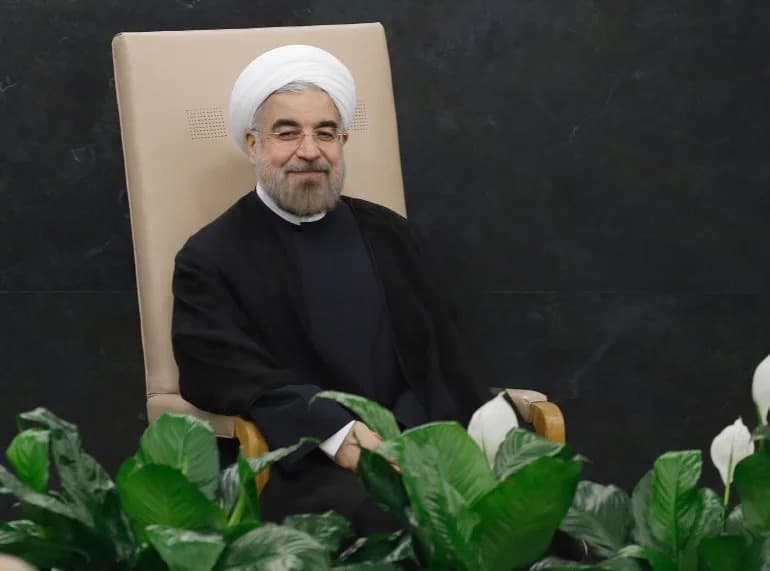
Several rounds of talks between the sides have failed to strike a deal on ending the war (Giuseppe CACACE)(Giuseppe CACACE/AFP/AFP)
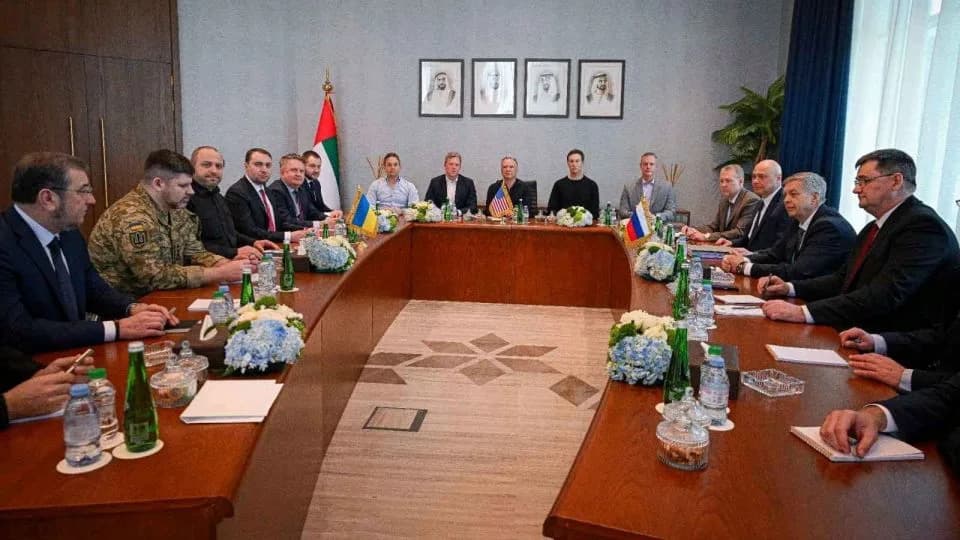
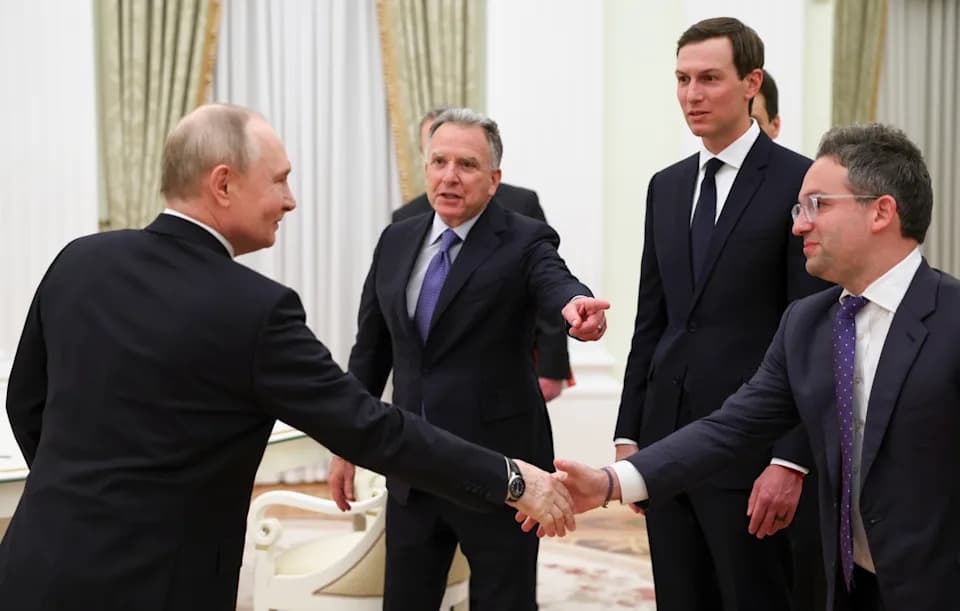
Negotiators from Ukraine, Russia and the United States met in Abu Dhabi aiming to advance difficult talks to end the four-year war that began with Russia's February 2022 invasion.
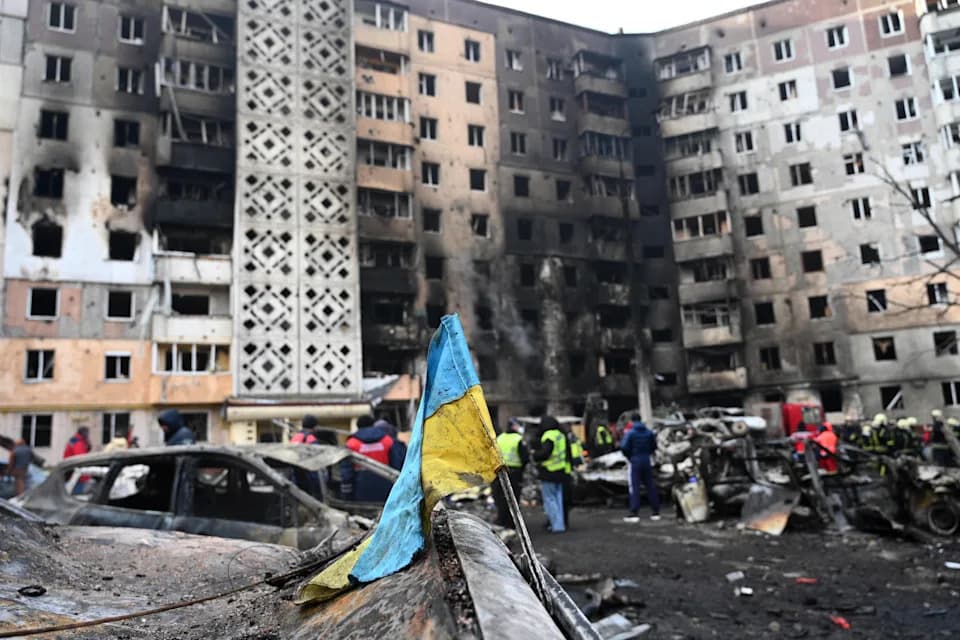
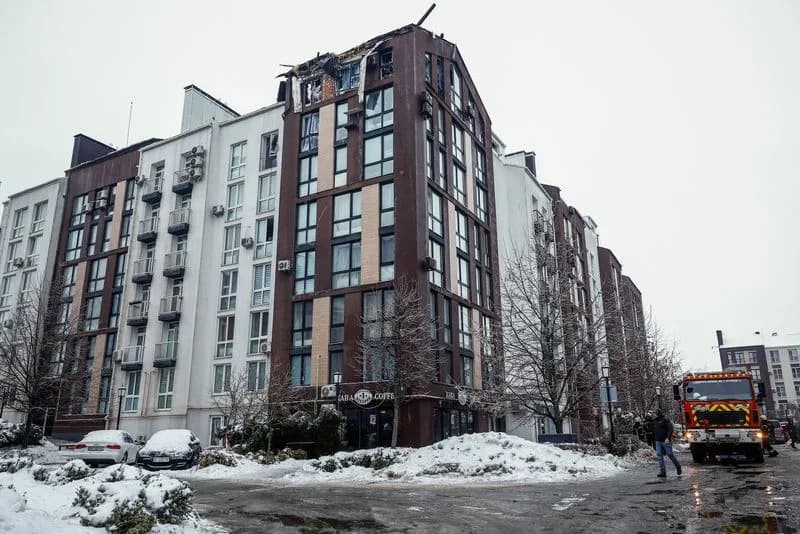
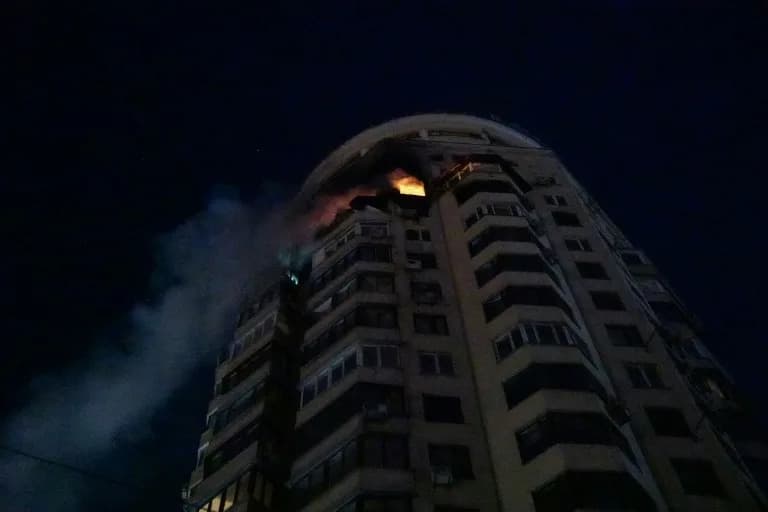
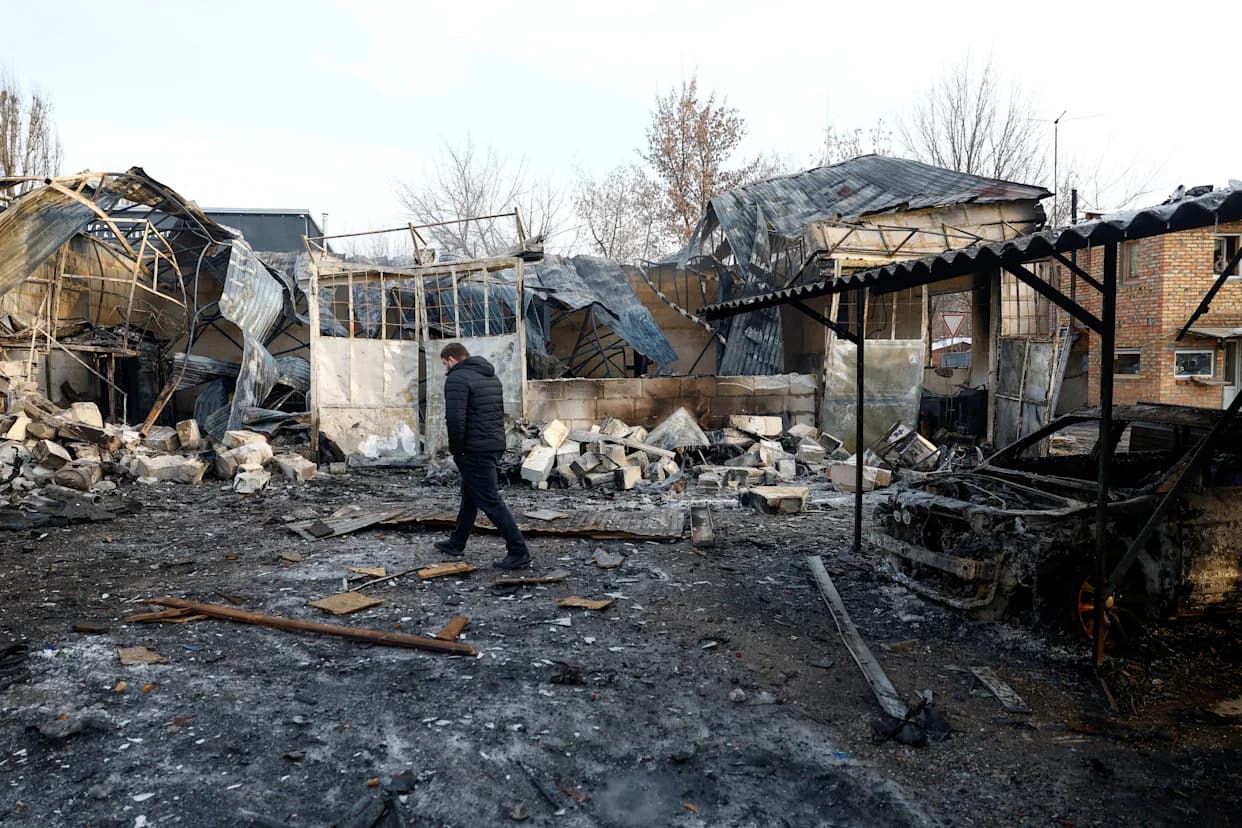
In the run-up to the talks, a large Russian drone-and-missile barrage struck Ukraine's energy infrastructure, severely damaging power and heating systems during freezing temperatures and threatening to overshadow diplomatic efforts in the Emirati capital.
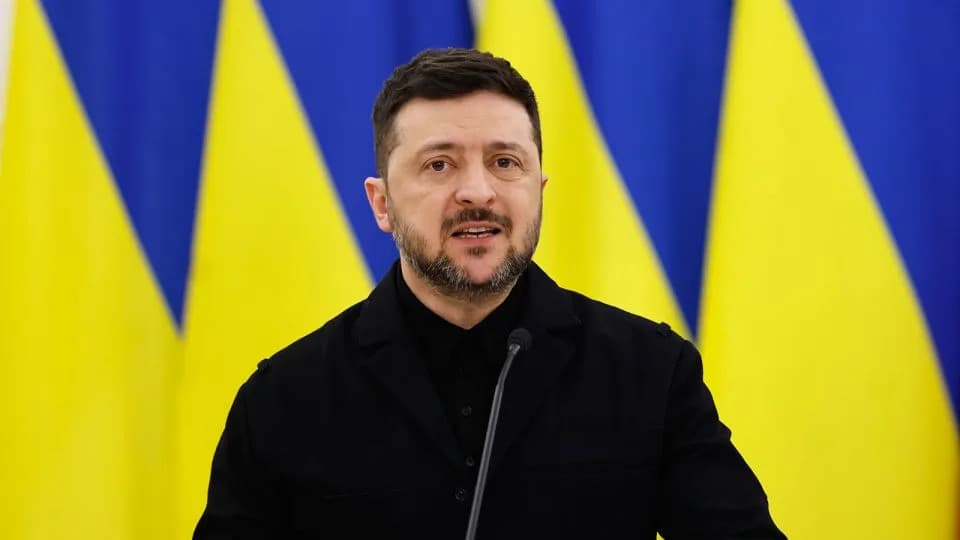
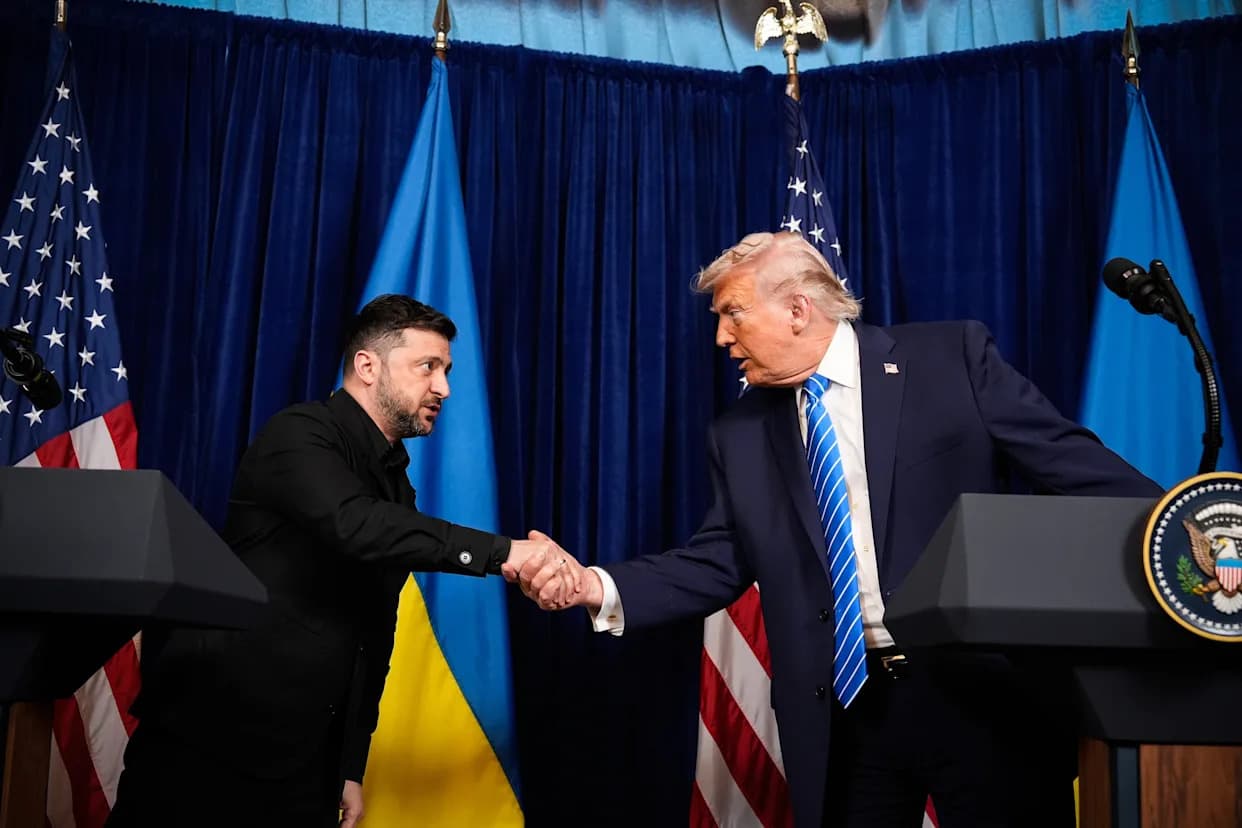
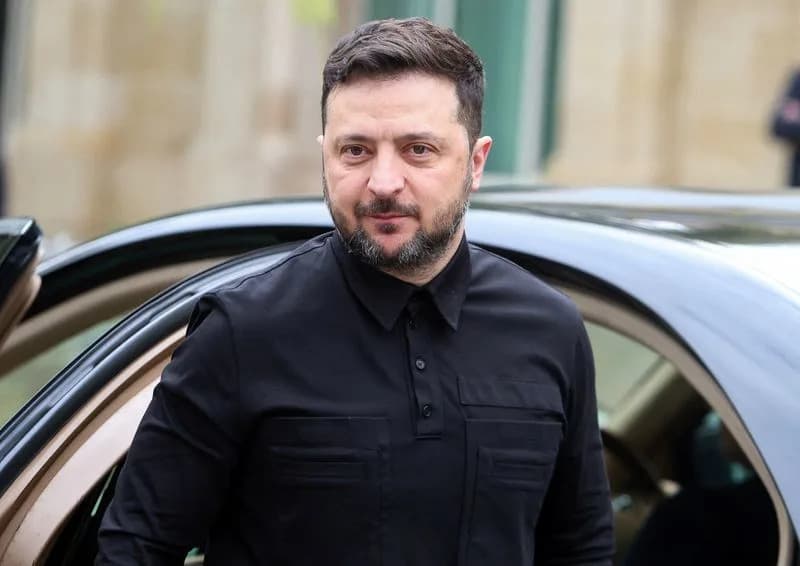
Ukrainian President Volodymyr Zelensky: “Each such Russian strike confirms that attitudes in Moscow have not changed: they continue to bet on war and the destruction of Ukraine, and they do not take diplomacy seriously.”
President Zelensky added that "the work of our negotiating team will be adjusted accordingly," without giving further detail.
Main Sticking Point
The central obstacle is the long-term status of territory in eastern Ukraine. Moscow demands that Kyiv withdraw its forces from large swathes of the Donbas, including heavily fortified cities and resource-rich areas, and seeks international recognition of territory seized during the invasion. Kyiv rejects unilateral withdrawals and says any settlement should freeze the conflict along the current front line.
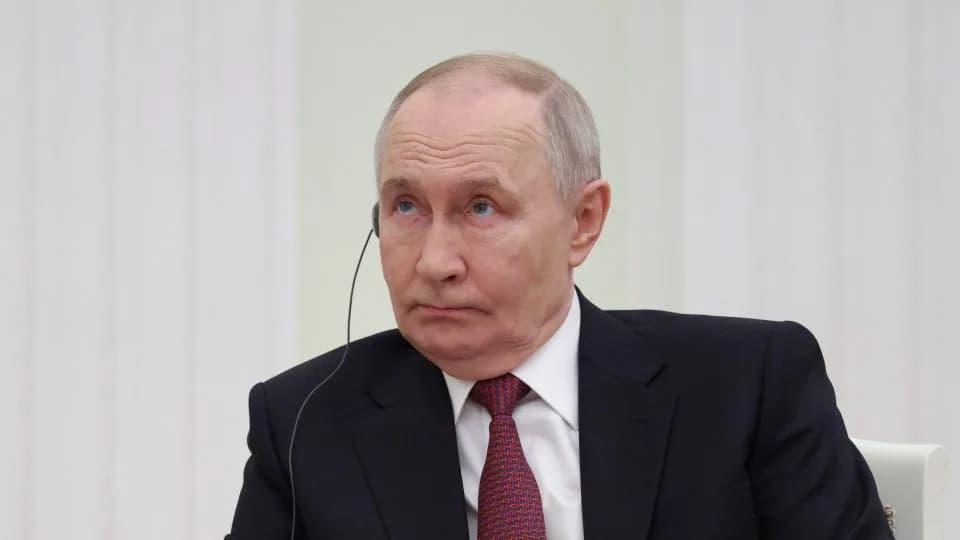
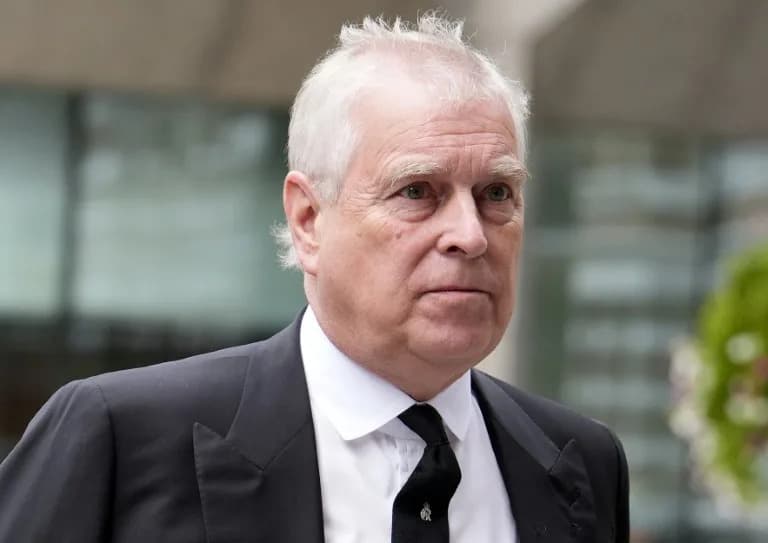
The talks — scheduled to run over two days after being postponed from the previous weekend for scheduling reasons — bring together high-level envoys. Ukraine's delegation is led by Security Council chief Rustem Umerov, praised by colleagues as a skilled negotiator. Russia's lead negotiator is Igor Kostyukov, director of Russian military intelligence, who has been sanctioned by Western governments. The U.S. team was previously led in Abu Dhabi by envoy Steve Witkoff.
On the Ground
Russia currently occupies about 20 percent of Ukraine and has warned it may attempt to seize the remainder of the Donetsk region if talks fail. Kyiv still controls roughly one-fifth of Donetsk; AFP analysis estimates that, at the current rate of advance, Russia could take the rest in about 18 months — though the Ukrainian-held areas include heavily fortified urban centers.
Russia also claims the Luhansk, Kherson and Zaporizhzhia regions and holds pockets of territory in several other eastern regions. On the battlefield, Russia has made territorial gains at a very high human cost while Ukraine presses Western allies for more weapons, economic measures and political pressure on Moscow.
Public Opinion and Outlook
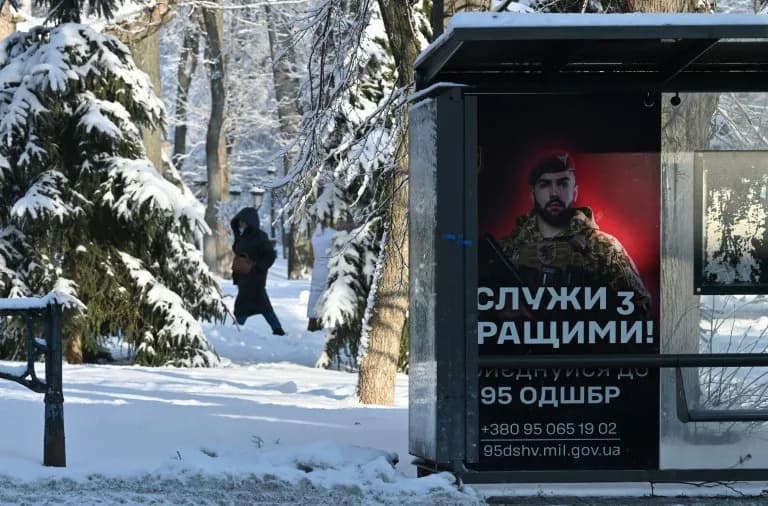
Opinion polls show most Ukrainians oppose any deal that cedes territory to Russia; many view giving up land defended by Ukrainian troops for years as unacceptable. Public skepticism was evident after a prior U.S.-brokered round in Abu Dhabi, with some residents calling the talks largely symbolic. As one Kyiv resident put it: "We must prepare for the worst and hope for the best."
While diplomacy continues, heavy attacks on civilian infrastructure raise doubts about Russia's willingness to negotiate in good faith and underscore the humanitarian stakes of any agreement.
Help us improve.