The 88 Project published a leaked Vietnamese defense paper from August 2024 titled "The 2nd U.S. Invasion Plan," which warns the United States could act as a "belligerent" power and urge vigilance against a possible foreign‑backed "color revolution." The document reveals tensions between military conservatives wary of regime change and officials pursuing closer ties with Washington. Observers say Hanoi must balance economic ties with both China and the U.S. while managing historical distrust and recent policy disputes.
Leaked Vietnamese Defense Paper Warns Of Possible U.S. 'Invasion' And Fears Of 'Color Revolutions'
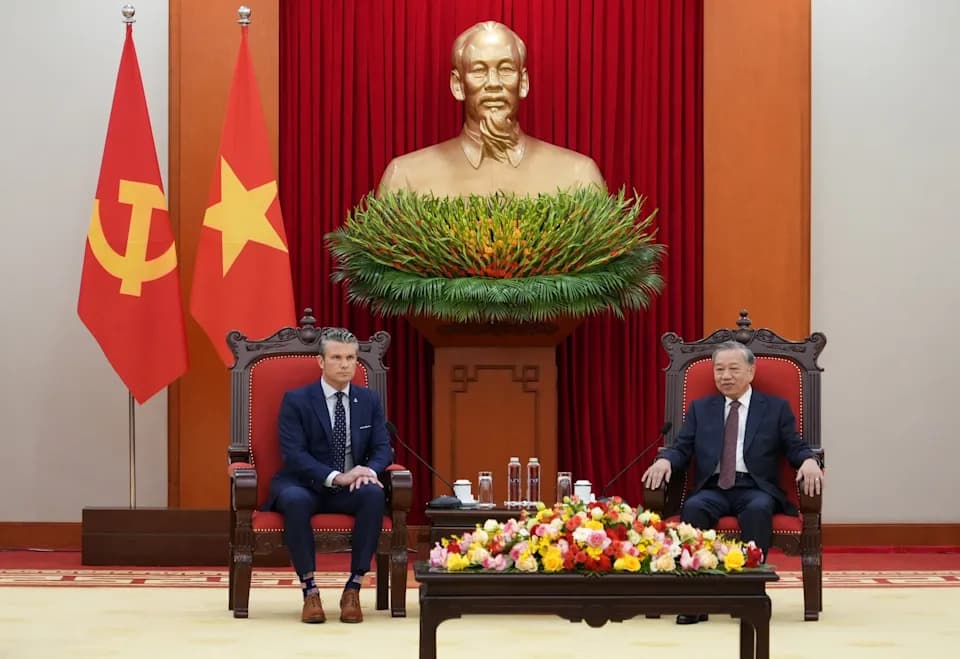
FILE - U.S. Defense Secretary Pete Hegseth, left, and General Secretary of Vietnam's Communist Party To Lam talk during a meeting in Hanoi, Vietnam, Nov. 2, 2025. (AP Photo/Hau Dinh, File)(ASSOCIATED PRESS)
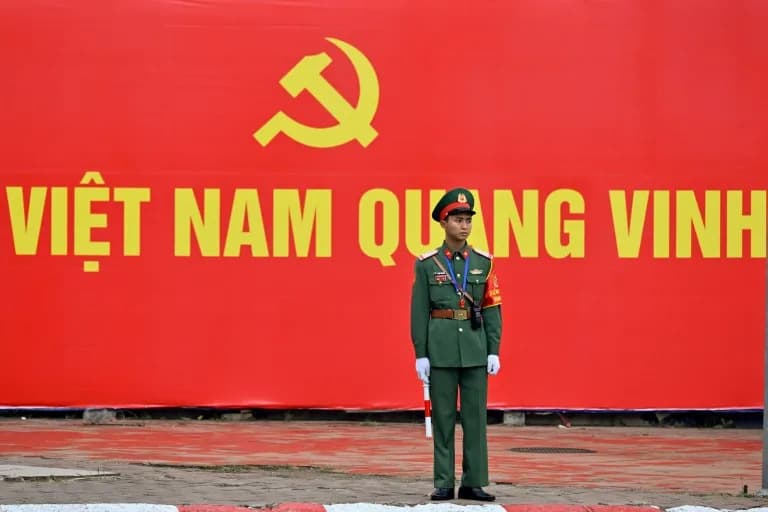
An internal Vietnamese defense paper dated August 2024 — titled "The 2nd U.S. Invasion Plan" — portrays the United States as a potential "belligerent" actor and warns that Washington and its allies might employ unconventional warfare or create pretexts for intervention, according to a report published by human rights research group The 88 Project.
Document Raises Alarm About Foreign‑Backed Regime Change
The leaked analysis highlights Hanoi's deep-seated worry that external powers could foment a domestic uprising — a so-called "color revolution" similar to Ukraine's 2004 Orange Revolution or the Philippines' 1986 People Power movement. The defense paper argues that, as the U.S. strengthens deterrence against China, it and its partners may be prepared to use unconventional means against states perceived to have "deviated from its orbit."
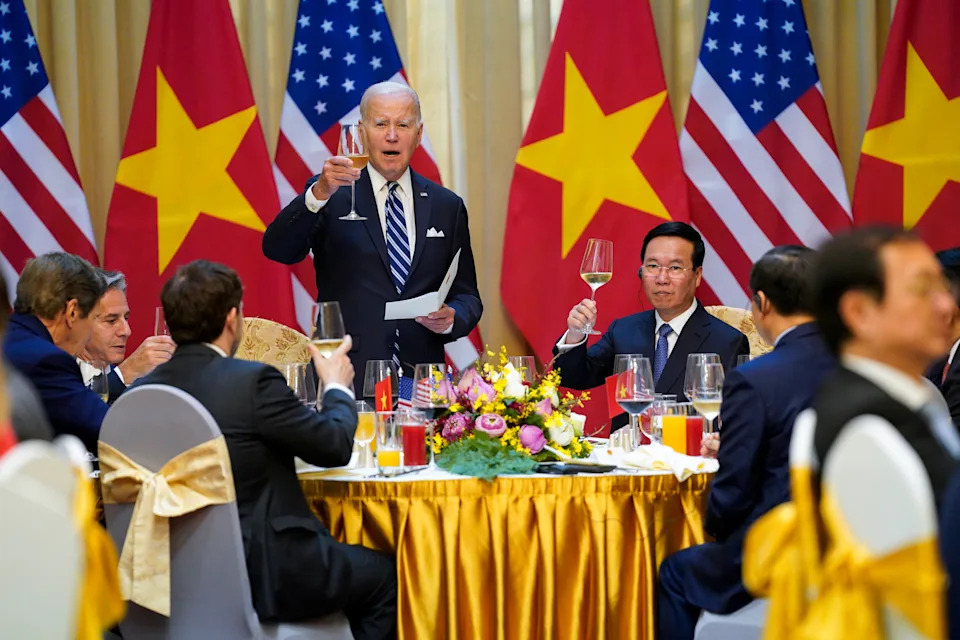
FILE - U.S. President Joe Biden raises a toast as he participates in a State Luncheon with Vietnam President Vo Van Thuong in Hanoi, Vietnam, on Sept. 11, 2023. (AP Photo/Evan Vucci, File)(ASSOCIATED PRESS)
"There's a consensus here across the government and across different ministries," said Ben Swanton, co‑director of The 88 Project. "This isn't just some kind of a fringe element or paranoid element within the party or within the government."
Diplomatic Upgrade, Persistent Distrust
The paper's warnings come despite a December 2023 diplomatic milestone in which President Joe Biden elevated ties with Vietnam to a Comprehensive Strategic Partnership. Vietnamese analysts say the partnership coexists with enduring mistrust: while Washington is described as "a partner and an important link," the paper contends the U.S. also seeks to "spread and impose" values that could gradually undermine Vietnam's socialist system.
The U.S. State Department declined to comment specifically on the leaked defense paper but reiterated that the 2023 partnership "promotes prosperity and security for the United States and Vietnam." Vietnam's Foreign Ministry did not respond to requests for comment about the documents highlighted by The 88 Project.
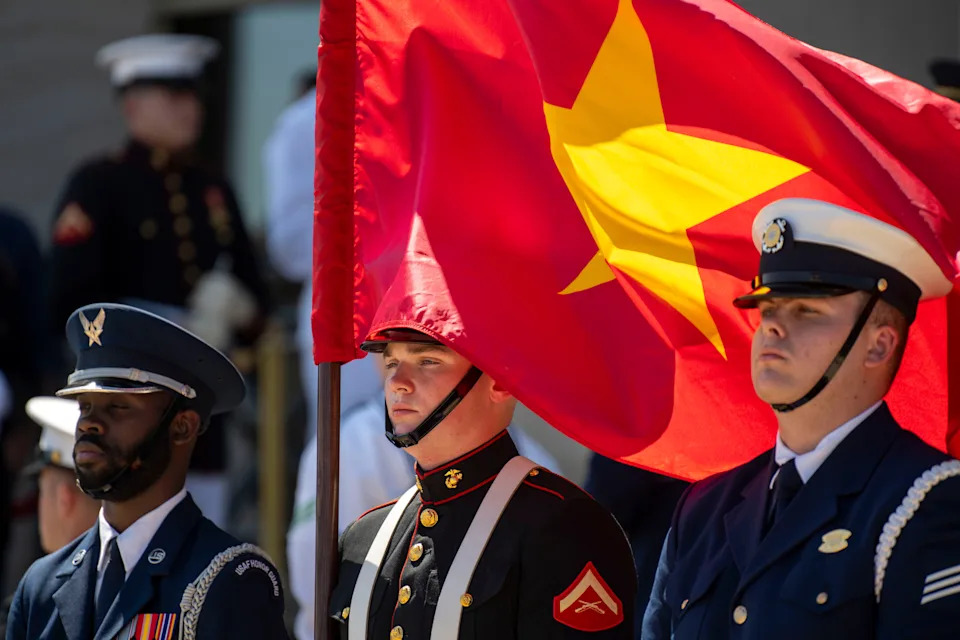
FILE - A U.S. Marine honor guard member holds the Vietnamese flag during an honor cordon at the Pentagon to welcome Vietnamese Defense Minister Gen. Phan Van Giang, Sept. 9, 2024, in Washington. (AP Photo/Kevin Wolf, File)(ASSOCIATED PRESS)
Politics, History And Strategic Balancing
Observers say the documents reveal tensions inside Vietnam's leadership between a conservative, military‑aligned faction preoccupied with external threats and officials who favor closer engagement with Washington. Nguyen Khac Giang of Singapore's ISEAS–Yusof Ishak Institute said the military has been uncomfortable with the partnership with the United States.
Zachary Abuza of the U.S. National War College noted the military's long memory of the 1955–1975 conflict with the United States. He and other experts point to policy choices such as cuts to U.S. foreign‑assistance programs under the Trump administration — which stalled Agent Orange cleanup and unexploded ordnance projects — as factors that have eroded trust.
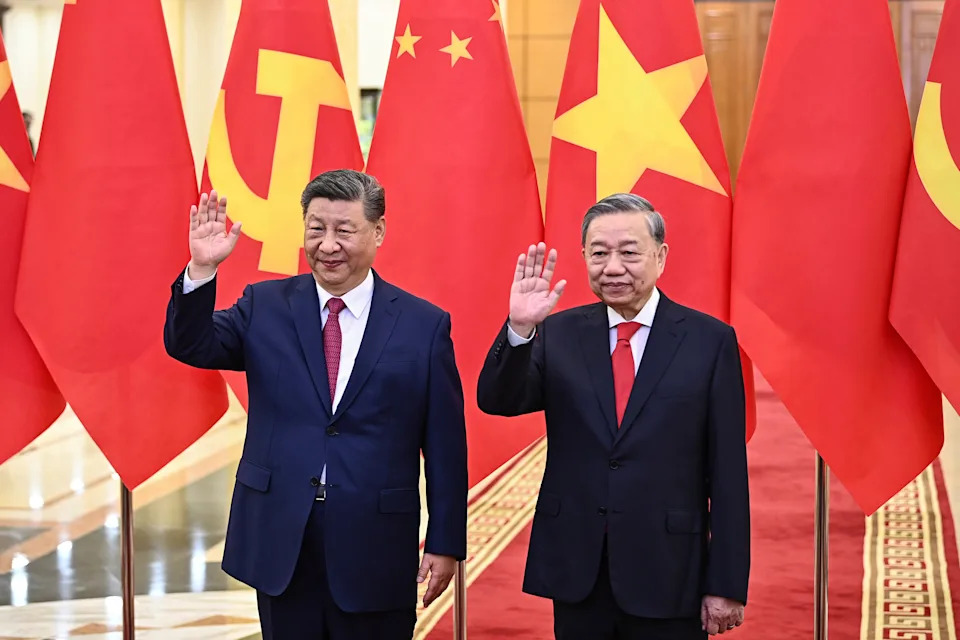
FILE - Vietnam's Communist Party General Secretary To Lam, right, and Chinese President Xi Jinping wave during a meeting at the Office of the Party Central Committee in Hanoi, Vietnam, April 14, 2025. (Nhac Nguyen/Pool Photo via AP, File)(ASSOCIATED PRESS)
China is depicted in the documents more as a regional rival than an existential threat to the Communist Party. Economic ties complicate Hanoi's calculations: China is Vietnam's largest two‑way trading partner while the United States is its biggest export market, forcing Vietnam to balance diplomacy and commerce with both powers.
Recent Events And Political Signals
The leaked material references broader sensitivities in Vietnamese politics. In June 2024 an army TV report accused the U.S.‑linked Fulbright University of fomenting a "color revolution," a charge the Foreign Ministry later rejected. The documents were completed while To Lam served as Communist Party general secretary; Lam has since been reappointed and is expected to also assume the presidency, concentrating power at the top.
Observers also note symbolic and material links with the U.S. private sector: a Trump‑branded $1.5 billion golf and luxury real‑estate project broke ground in northern Hung Yen province, and other interactions with the Trump circle have raised eyebrows among conservatives in Hanoi.
What This Means
Analysts say the leaked paper offers an important window into internal Vietnamese thinking: Hanoi seeks to maintain close economic ties with the United States while guarding against perceived risks to regime stability. The documents underscore the persistent gap between diplomatic gestures and military‑defense concerns — especially the fear of external support for sudden political change.
Reporting note: The 88 Project released the documents and analysis referenced here. Additional expert commentary was provided by Nguyen Khac Giang (ISEAS) and Zachary Abuza (National War College).
Help us improve.