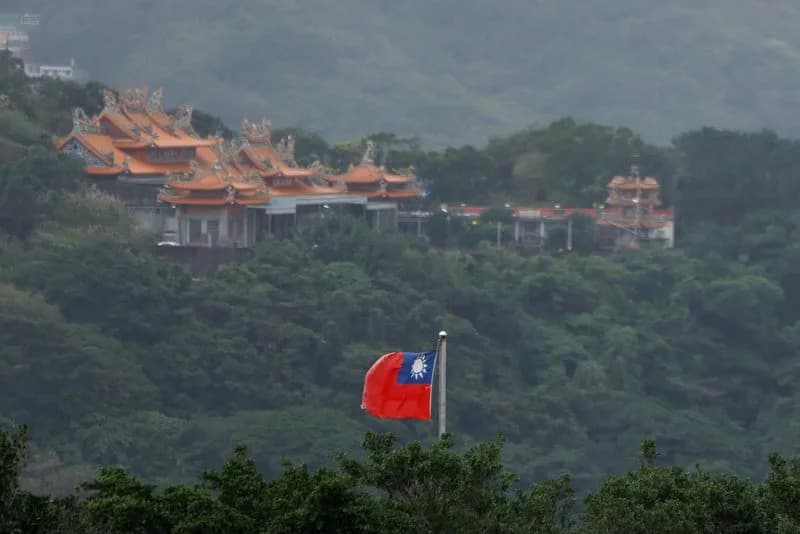
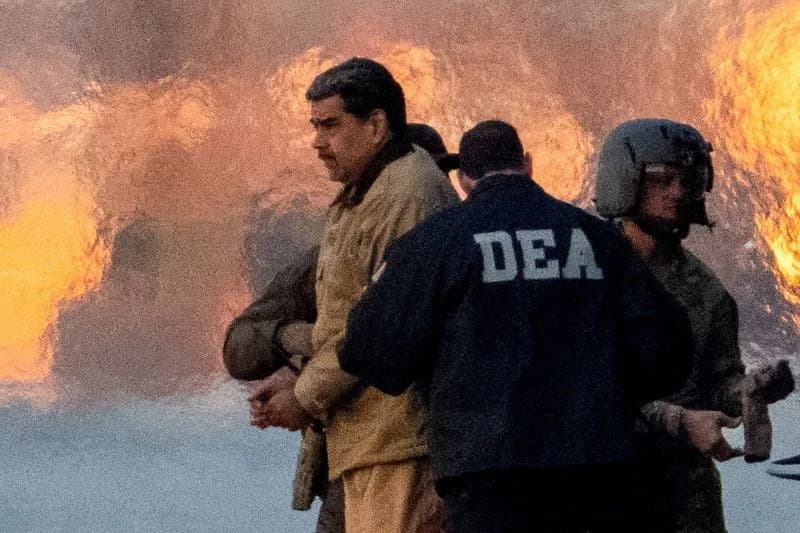
Short Summary: The article argues the comparison between a reported U.S. operation against Nicolás Maduro and a hypothetical Chinese abduction of Taiwan’s president is misleading. Taiwan’s democratic institutions, the extraordinary operational complexity of decapitation raids, and the massive logistical, economic, and political costs of invasion make a Maduro‑style outcome unlikely. Beijing is therefore more likely to rely on coercion and shows of force rather than a full‑scale assault.
Why The Venezuela–Taiwan Analogy Misleads — Why Beijing Is Unlikely To Copy A “Decapitation” Raid
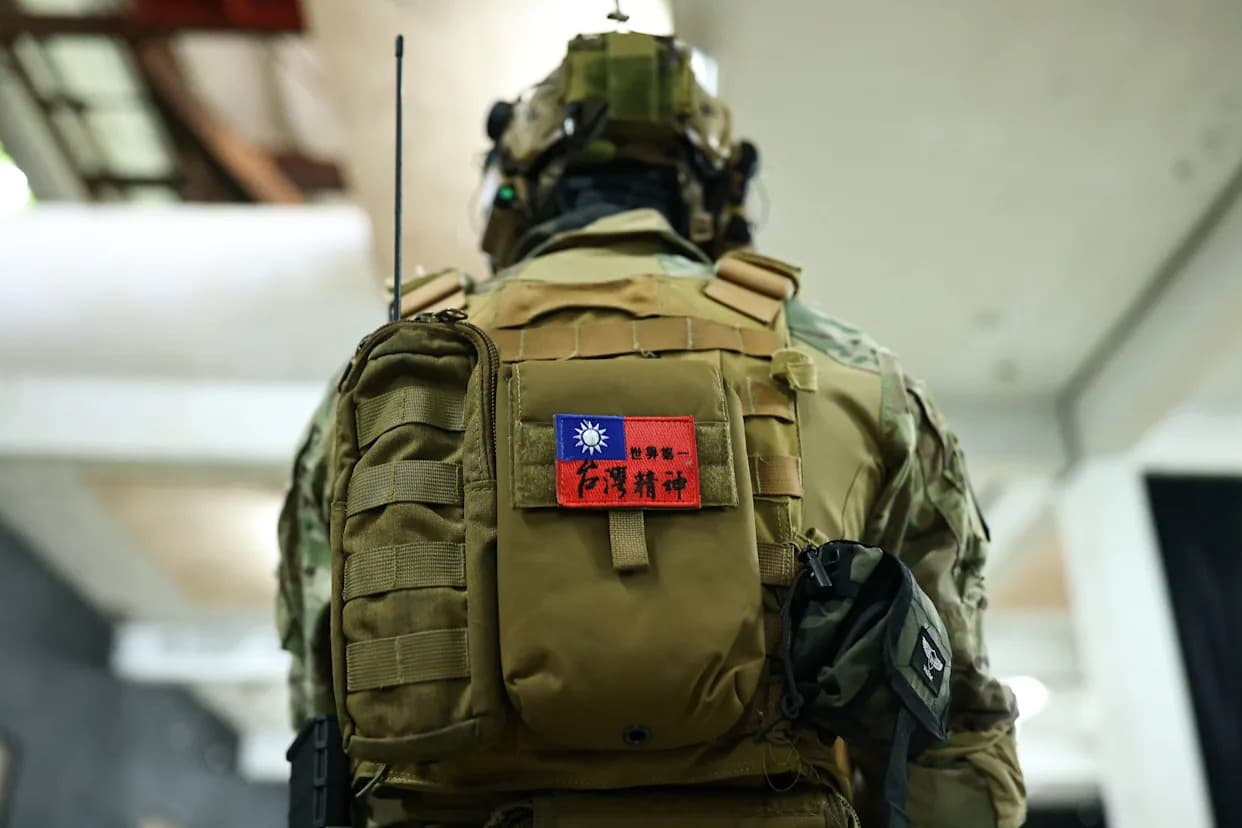
Just days after reports surfaced of a bold U.S. special‑operations action related to Nicolás Maduro, China staged a rehearsal for a so‑called “decapitation” strike aimed at Taiwan’s president, Lai Ching‑te. The exercise formed part of an intensifying campaign of military pressure intended to intimidate Taiwan’s leadership, erode public morale, and weaken resistance to reunification with the mainland. The PLA Daily even suggested Lai appeared outwardly calm while being inwardly fearful.
Could Lai Be The Next Maduro?
Some U.S. commentators warn that the Maduro episode raises the risk that Beijing might mirror Washington: the argument goes that if the United States appears willing to flout diplomatic norms to capture an adversary, other powers may feel freer to follow suit. Others tie that worry to President Trump’s assertive posture in the Western Hemisphere — a modern echo of the Monroe Doctrine sometimes nicknamed the “Donroe” doctrine — arguing it could encourage rivals to act more boldly in their own regions.
Those concerns are understandable but, on balance, misleading. The Taiwan and Venezuela situations differ in crucial legal, political, operational, and strategic ways.
Legal Framing and Political Context
Beijing treats Taiwan as an internal matter and has never formally renounced the use of force to pursue reunification. But international law is not the primary constraint shaping a Chinese decision: Beijing would weigh the strategic, military, and political probabilities of success.
Politically, Taiwan and Venezuela are worlds apart. Taiwan is a mature, competitive democracy with robust institutions and clear constitutional succession processes. If an assault ever succeeded in removing Taiwan’s president, Taiwan’s legal and political order would quickly produce a legitimate successor. By contrast, a targeted “decapitation” played a decisive role in destabilizing an already fragile Venezuelan authoritarian regime. In Taiwan, such a strike could instead galvanize independence sentiment and international support.
Operational Complexity
Integrated special operations of the kind often cited require exceptional coordination across intelligence, electronic and information warfare, precision strikes, special operations forces, and synchronized joint campaigns — plus a favorable political and security context. Admiral Lee Hsi‑min, former chief of Taiwan’s general staff, warns that the lesson from the Maduro case is not that decapitation is easy or decisive, but that it is “complex, risky, and highly context‑dependent.”
Admiral Lee Hsi‑min: “Decapitation is complex, risky, and highly context‑dependent.”
Strategic Costs For China
An outright invasion of Taiwan would be a historic gamble for Beijing. Moving large forces and heavy materiel across roughly 100 miles of often stormy water presents enormous logistical hurdles. Beyond military risk, a full‑scale war would severely damage China’s economy, disrupt global supply chains, and likely delay Xi Jinping’s political timetable for China’s “Great Rejuvenation.” A failed campaign could also imperil Xi’s legacy and potentially destabilize the Communist Party’s domestic standing.
For these reasons, coercion by harassment, drills, sanctions, and other irreversible but non‑invasion measures often looks more attractive to Beijing than an outright assault.
What The Maduro Operation Actually Signaled
If anything, the reported U.S. operation highlighted the high bar for carrying out such an audacious mission. It was a demonstration of tightly integrated capabilities — and a reminder of gaps in some rivals’ toolkits. Zhao Tong of the Carnegie Endowment argues the raid may have shifted the moral and strategic calculus for authoritarian states that compare their actions to Western powers, potentially lowering thresholds for some—but it also showcased the difficulty of executing such missions successfully.
Bottom Line
The Venezuela–Taiwan analogy is intuitively powerful but analytically weak. Differences in legal framing, political resilience, operational context, and the catastrophic costs of failure make a Maduro‑style outcome in Taiwan unlikely. Beijing is likelier to continue using intimidation and coercion short of all‑out invasion — a grim but less existential path than a direct assault.
Help us improve.