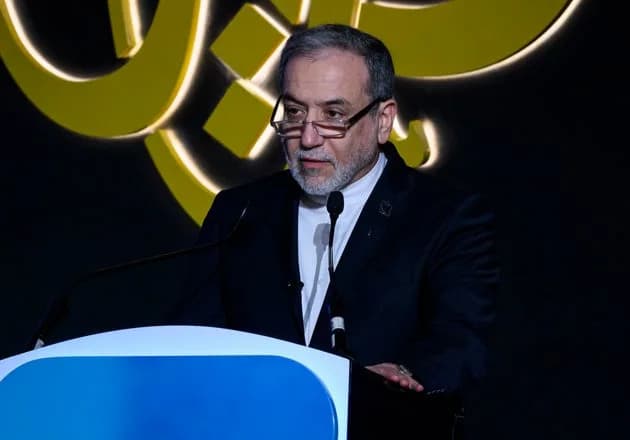
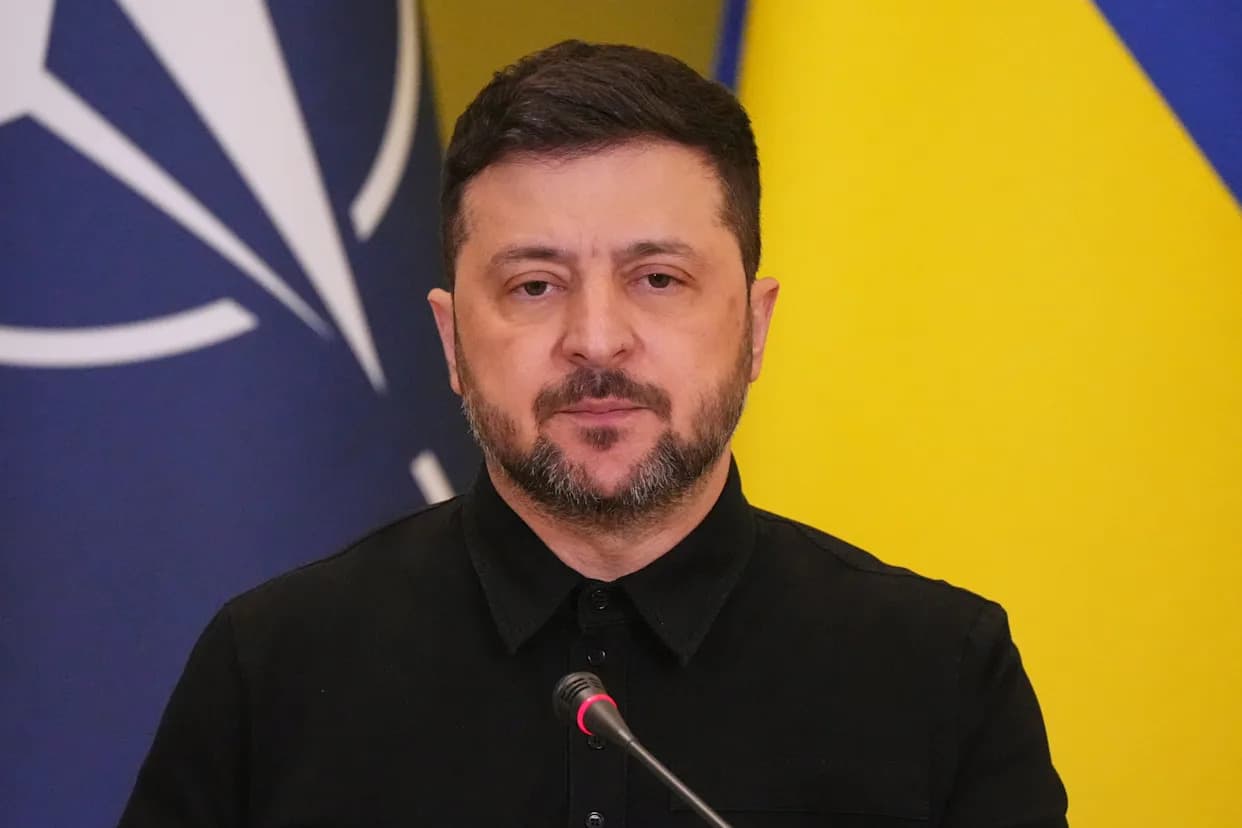
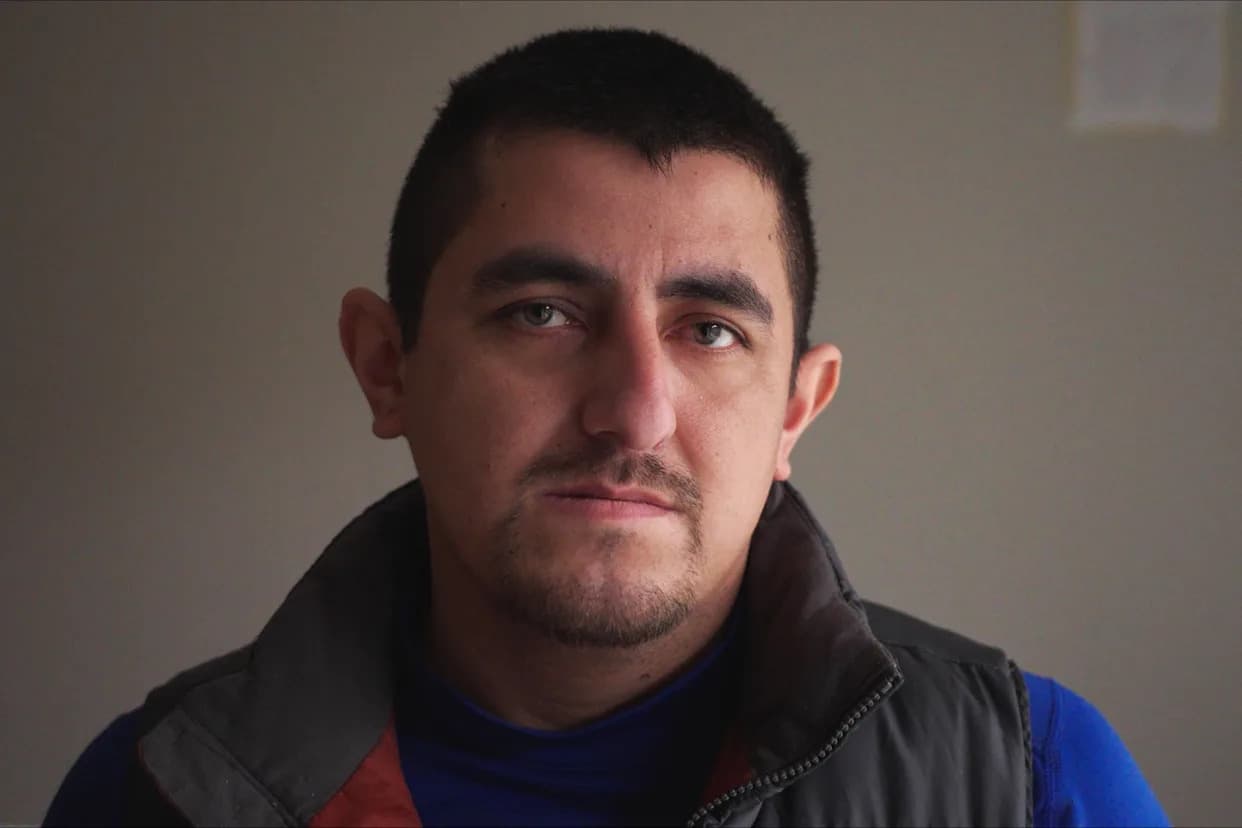
President Lai Ching‑te's $40 billion, eight‑year defence proposal to boost Taiwan's readiness has been blocked repeatedly in parliament as opposition parties demand more transparency and concessions. The plan would fund US arms purchases and asymmetric capabilities aimed at deterring potential Chinese aggression. Washington has urged Taiwanese lawmakers to preserve the proposal's core elements, warning that cuts or delays could undermine deterrence. Political divisions may prolong the impasse into the autumn unless parties compromise.
Political Deadlock in Taiwan Blocks $40 Billion Defence Plan as Washington Urges Unity
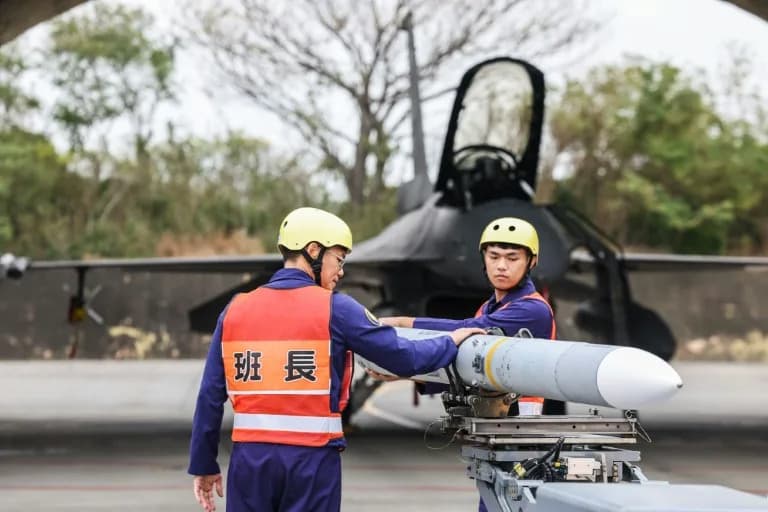
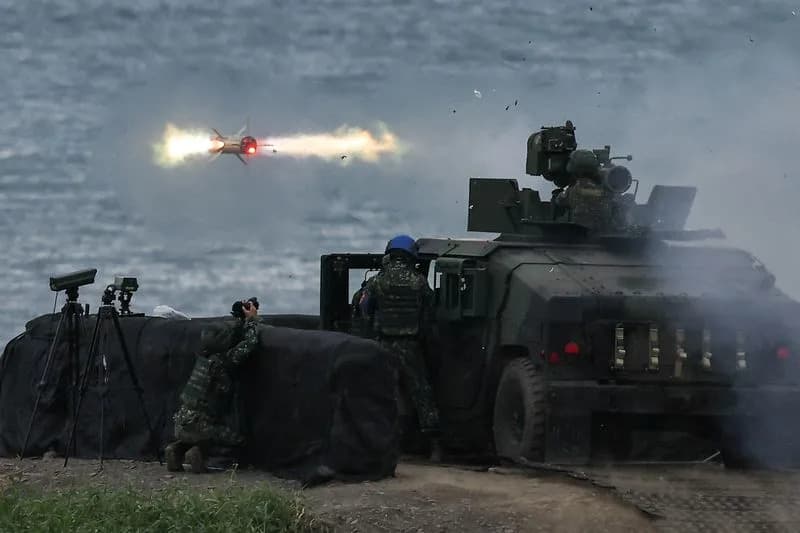
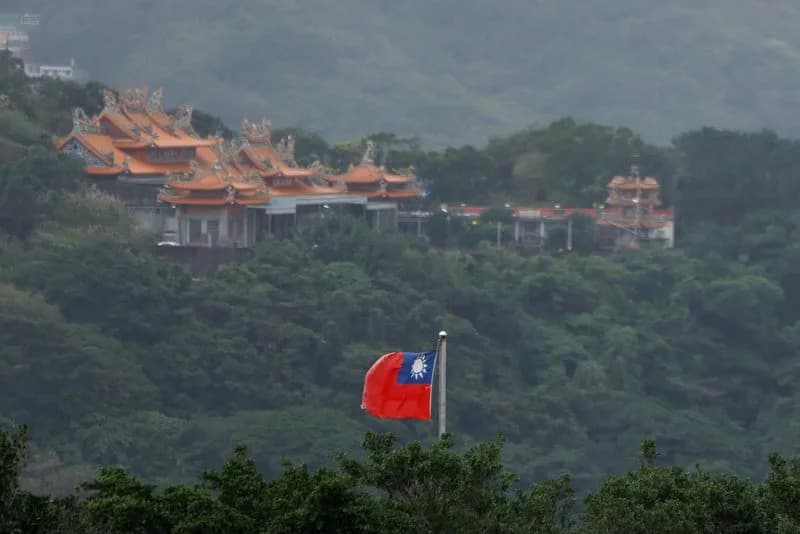
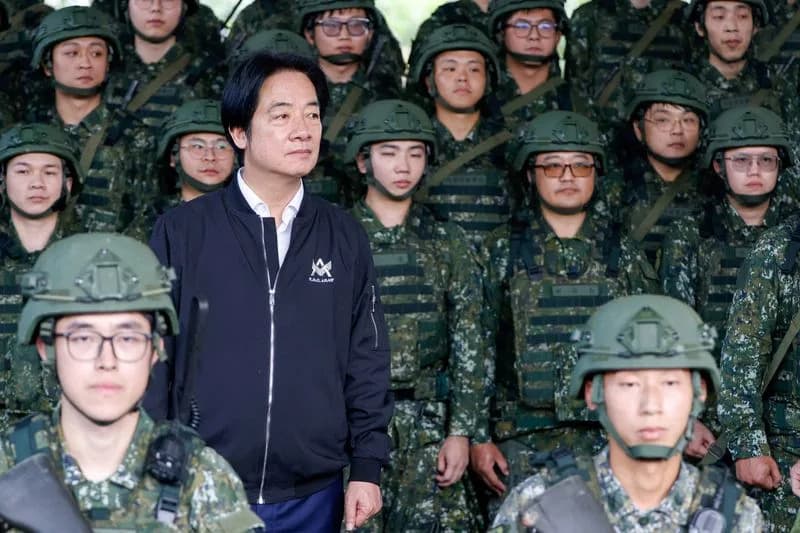
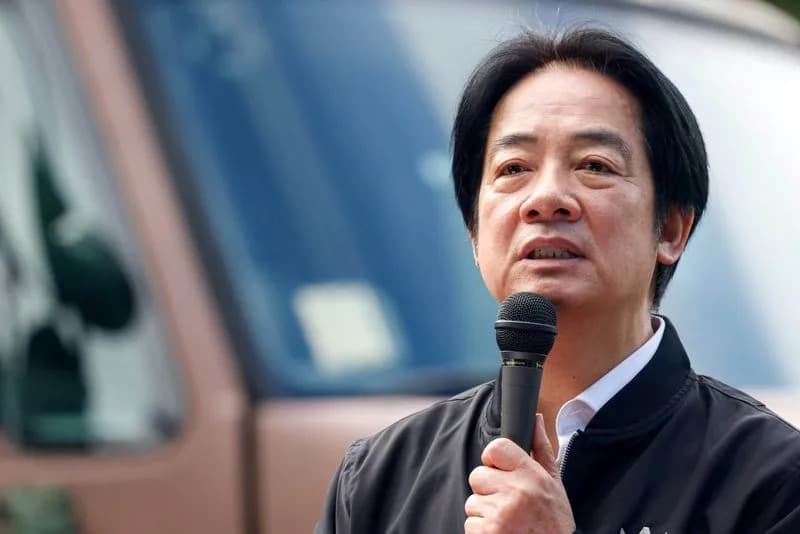
Taiwan has spent billions upgrading its military in the past decade, but is under intense US pressure to do more to protect itself (I-Hwa Cheng)(I-Hwa Cheng/AFP/AFP)
Taiwanese President Lai Ching‑te's proposed $40 billion defence package has been stalled by a parliamentary impasse, with opposition lawmakers refusing to advance the plan without concessions. The stand‑off has drawn criticism from US officials and highlighted rising tensions across the Taiwan Strait as Beijing steps up military pressure on the island.
Background
After sweeping to the presidency in 2024, Lai — leader of the Democratic Progressive Party (DPP) — pledged to raise Taiwan's defence spending to more than 3% of GDP. The government unveiled an eight‑year, $40 billion special defence budget in November to accelerate procurement of US weapons and build asymmetric capabilities designed to deter a potential Chinese invasion.
What the Plan Would Fund
The proposal would be disbursed over eight years and include purchases of US systems (building on roughly $11 billion in acquisitions announced in December). Taipei has outlined priorities such as a multi‑layered air‑defence network nicknamed the "T‑Dome," long‑range precision‑strike missiles, counter‑drone systems and anti‑ballistic missiles to strengthen Taiwan's asymmetric deterrence.
Parliamentary Fight
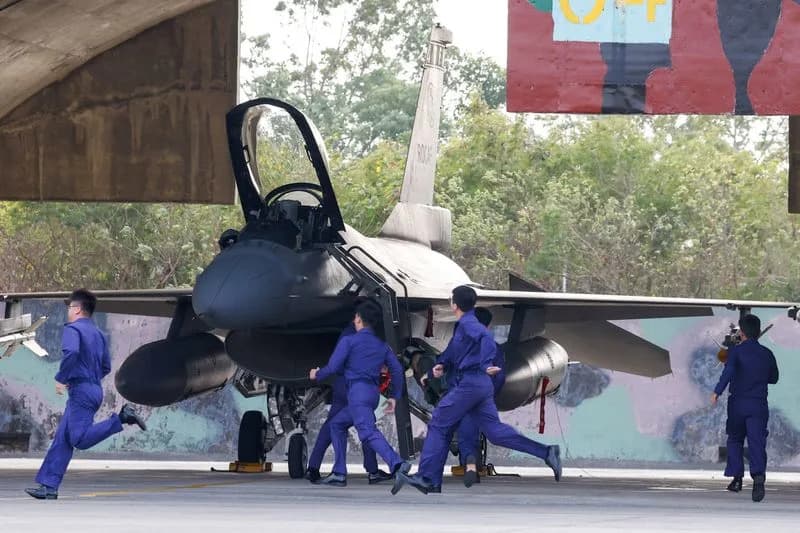
The DPP lost its parliamentary majority, and opposition parties — principally the Kuomintang (KMT) and the Taiwan People's Party (TPP) — have blocked the government's proposal at least 10 times since early December. Opposition leaders say they support stronger defences but demand greater transparency on procurement schedules, delivery delays (including 66 F‑16V fighters), and more detailed planning and oversight.
"While multi‑year defence budgets may support strategic continuity, they must be accompanied by detailed planning, clear allocations, and effective oversight to prevent waste and inefficiency," the KMT said.
The TPP advanced a trimmed package on January 30 that allocates $12.6 billion for military purchases, while KMT lawmakers have floated carving out up to $28.4 billion from the government's plan to dedicate to US arms procurement.
International Reaction
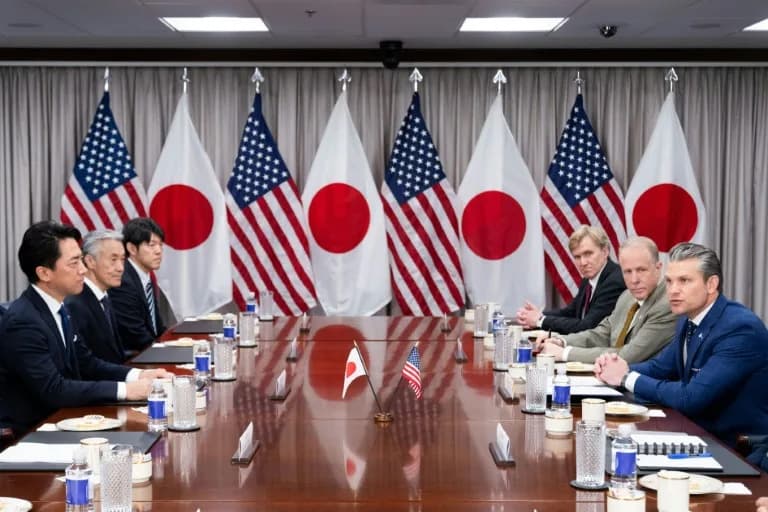
Washington has publicly backed Lai's proposal and lobbied Taiwanese opposition parties to cooperate. US lawmakers and officials warn that cuts or delays could weaken Taiwan's deterrence and send a confusing signal to Beijing. Republican Senator Roger Wicker publicly urged Taiwanese parliament to reconsider reductions, citing "rising Chinese threats."
Political Outlook
Analysts warn the stalemate could persist for months and potentially extend beyond district elections in November, unless domestic pressure forces the opposition to compromise. Some diplomats and local observers describe Taiwan's current political environment as unusually fractious.
"It's not that William Lai doesn't want to compromise; it's that no one really wants to compromise," said Lev Nachman, a political scientist at National Taiwan University.
Deputy Foreign Minister Chen Ming‑chi expressed cautious optimism that the next parliamentary session could open space for cooperation, saying Taipei hopes for more constructive engagement from opposition parties.
Key facts: The government's $40 billion package has been blocked multiple times; alternative proposals include a $12.6 billion TPP bill and a KMT carve‑out of up to $28.4 billion. China has conducted repeated military drills around Taiwan, increasing urgency around Taipei's defence planning.
Help us improve.