Key takeaway: China’s Justice Mission 2025 drills and long-range live-fire exercises have raised tensions in the Taiwan Strait and beyond. A December radar-lock incident involving a Chinese fighter and a Japanese F-15 near Okinawa highlighted the risk of direct confrontations. The U.S. National Security and Defense Strategies emphasize a Free and Open Indo-Pacific, while Japan is strengthening defense cooperation and capabilities. Analysts say a more robust, coordinated U.S.–Japan alliance is essential to deter Beijing and safeguard global trade routes.
China’s 'Justice Mission 2025' Raises the Stakes — Why a Strong U.S.–Japan Alliance Is Crucial
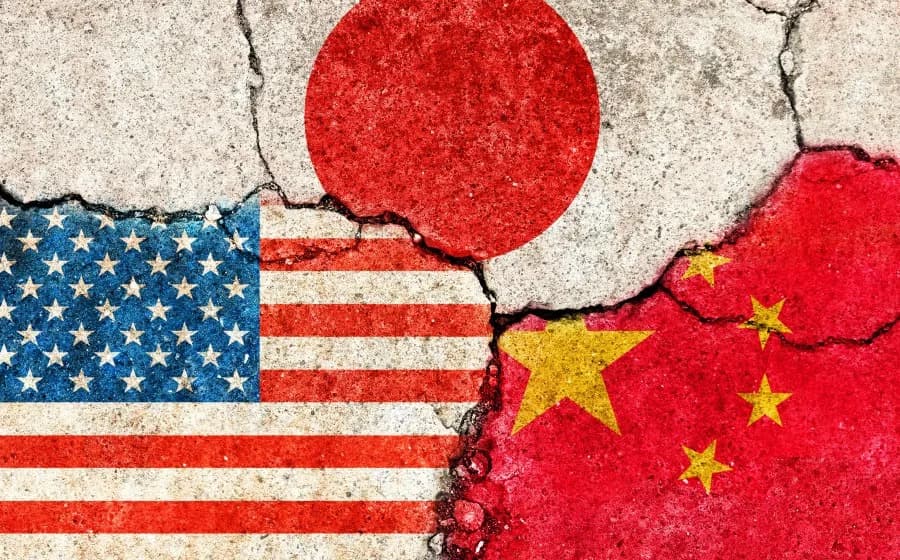
China’s recent large-scale military exercises around Taiwan, billed as Justice Mission 2025, and accompanying long-range live-fire drills have intensified regional tensions and sent a clear signal that Beijing is preparing for higher-stakes coercion. Chinese officials characterized the maneuvers as a “serious warning” to Taiwan’s independence advocates and to outside actors the regime considers interfering in its affairs.
What Happened
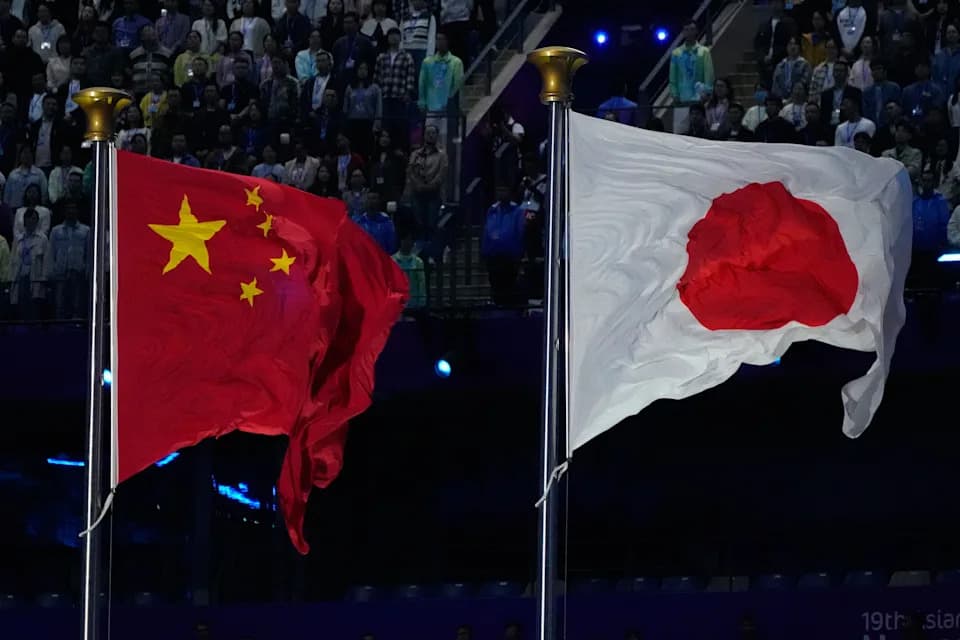
As Beijing stepped up operations in and around the Taiwan Strait, governments across the Indo-Pacific — including Australia, the United States and Japan — publicly expressed serious concern. In December, a Chinese fighter reportedly locked its radar on a Japanese F-15 for roughly 30 minutes over waters near Okinawa, one of the most severe direct military encounters between the two countries in more than a decade. Japan’s defense minister described the incident as unacceptable and pressed Beijing to prevent a recurrence.
Why This Matters
The Taiwan Strait is now at tension levels not seen since the Cold War’s end. The stakes extend far beyond the island: the Indo-Pacific accounts for more than 60% of global GDP and a similar share of maritime trade. Any disruption to freedom of navigation or to the regional balance of power would have major consequences for the global economy and international security.
Tokyo’s Response and Regional Steps
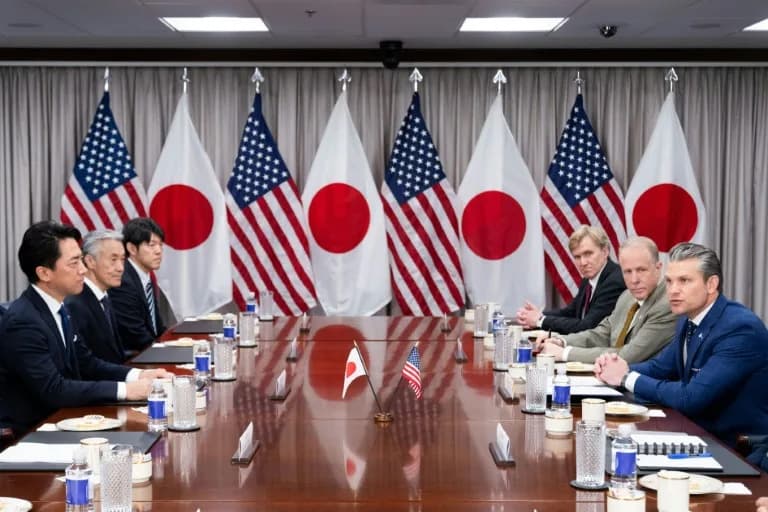
Japan has framed its policy around a practical vision of a “Free and Open Indo-Pacific,” a concept that links regional security directly to freedom of navigation. Tokyo has relaxed restrictions on defense equipment transfers, accelerated development of its own capabilities, and pursued deeper strategic ties with partners. Recent measures include U.S. approval for Japan to acquire long-range Tomahawk missiles and Japan’s construction of advanced Mogami-class frigates intended for future cooperation with Australia.
U.S. Strategy and the Need for Alliance Coordination
U.S. national security guidance now highlights the Indo-Pacific as a principal economic and geopolitical battleground that cannot be dominated by any single competitor. The United States has emphasized support for frontline allies and the importance of collective deterrence. Given North Korea’s advancing weapons programs and China’s decades-long trend of rising military investment, stronger U.S.–Japan interoperability and coordinated defense and economic policies are central to deterring escalation.
What Comes Next
Policymakers in Tokyo and Washington are moving to deepen strategic cooperation and operational readiness: expanding intelligence sharing, refining contingency plans, and integrating capabilities across sea and air domains. Analysts argue that only sustained, credible alliance posture — not ad hoc reactions — will deter coercion and preserve the vital trade routes that underpin the global economy.
Author note: Samir Puri, a visiting lecturer in war studies at King’s College London and author of Westlessness: The Great Global Rebalancing, warns that credibility and coordination between the United States and Japan will be decisive in shaping Beijing’s calculations.
Help us improve.