Summary: Several Republicans who once criticized "court packing" have later supported expanding state high courts to secure conservative majorities. In 2016, Georgia and Arizona added seats that helped produce more right‑leaning rulings; Arizona's enlarged court upheld a Civil War‑era abortion ban that drew national attention in 2024. This month, Utah approved expanding its Supreme Court from five to seven justices — a move critics say was politically motivated and could let the governor appoint a conservative majority.
Why Some Republicans Rediscovered Court‑Packing: State Courts as Partisan Battlegrounds

During Barack Obama’s second term, several prominent Republicans publicly misconstrued the term "court packing," suggesting that confirming nominees to fill existing vacancies amounted to an effort to pack the courts. That claim missed the established meaning of the phrase: court‑packing refers to expanding a court by adding new seats specifically to change its ideological balance.
What Court‑Packing Actually Means
Court packing is not merely appointing judges or confirming nominees; it is the deliberate enlargement of a court’s bench to secure a political or ideological advantage. Historically, the tactic is controversial because it appears to put short‑term partisan goals above judicial independence and institutional stability.
State Examples: Georgia, Arizona, and Utah
Despite earlier objections, Republican officials have used court expansion as a strategy. In 2016, state-level measures in Georgia and Arizona increased the number of seats on their highest courts, enabling the creation of conservative majorities.
Arizona
After Republicans added two justices to the Arizona Supreme Court, the tribunal began issuing more conservative rulings. One notable outcome was the court upholding a Civil War–era abortion ban, a decision that drew national attention and controversy in 2024.
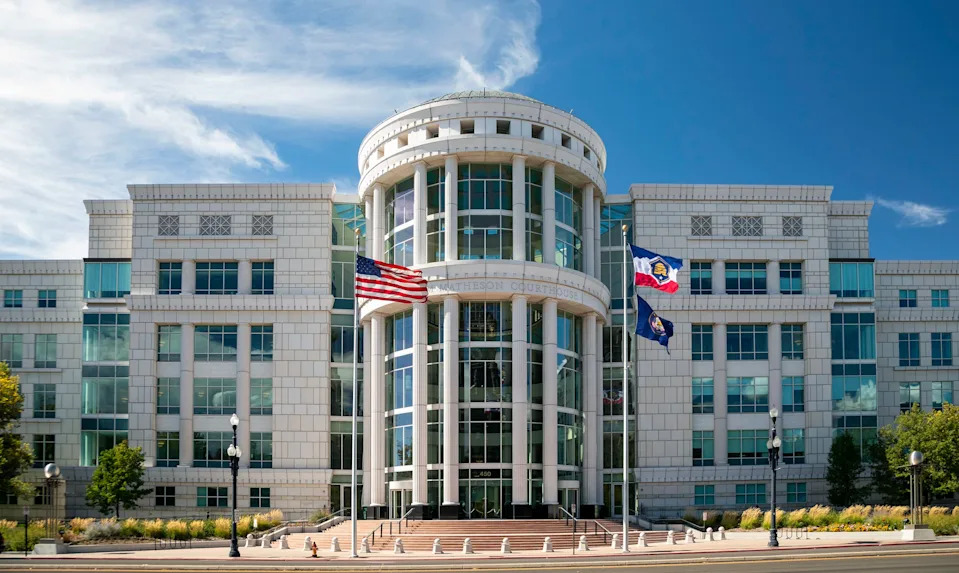
The Scott M. Matheson Courthouse, which houses the Utah Supreme Court and various lower courts.(Jim West / UCG / Universal Images Group via Getty Images)
Utah
This episode resurfaced recently when Utah Governor Spencer Cox signed a bill expanding the state Supreme Court from five to seven justices. Republican lawmakers framed the change as an efficiency improvement, but legal scholars warned it could have the opposite effect and create a perilous precedent at a time of strained relations between branches of government. Importantly, the state judiciary did not request the enlargement.
Why It Matters
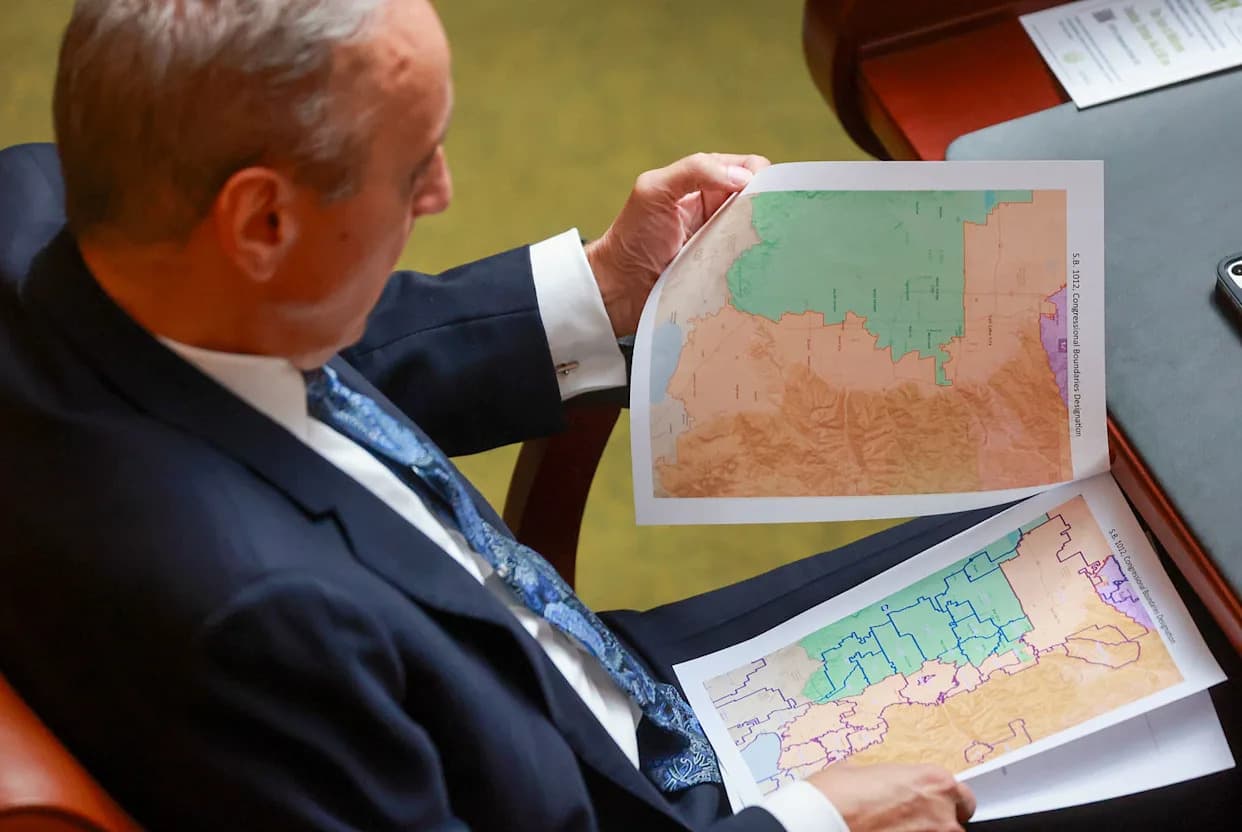
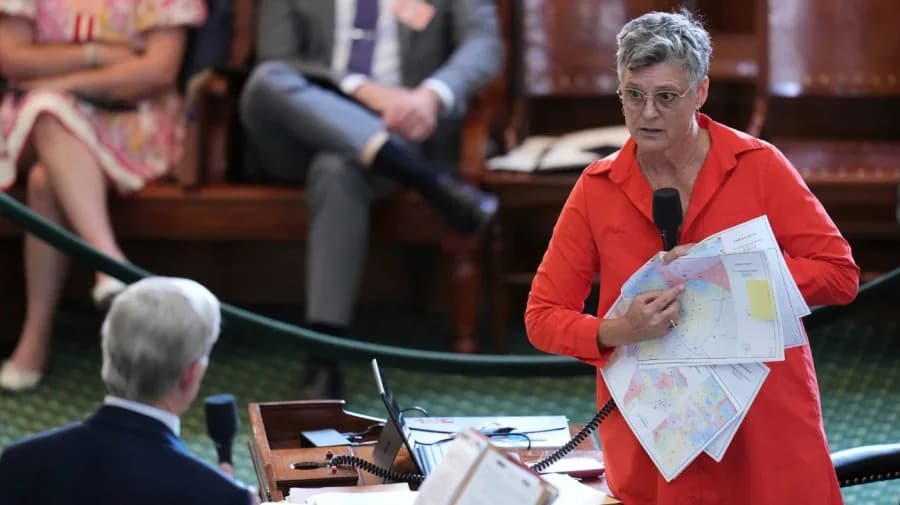
The timing and motivation behind Utah’s expansion are revealing. Utah Republicans had grown frustrated after the state Supreme Court blocked several GOP priorities — from decisions affecting reproductive rights and school vouchers to rejecting the party’s redistricting plan, which produced a map that could allow Democrats to win a seat. By increasing the court’s size, the incumbent governor is now positioned to appoint a majority of justices, raising the likelihood of rulings that better reflect the party’s agenda.
These state actions demonstrate that court expansion is a partisan tool that can be embraced by either party when it serves political aims.
Broader Implications
Progressive advocates sometimes propose enlarging the U.S. Supreme Court in response to conservative state‑level maneuvers. Critics on the right label such proposals as "court packing," yet the recent state examples show how both parties may resort to structural changes to gain political advantage. The debates raise difficult questions about norms, institutional legitimacy, and how best to preserve an impartial judiciary.
Bottom line: Court expansion at the state level has real consequences for policy and public trust in the judiciary. These episodes underscore why court‑packing remains a contentious and consequential political strategy.
Help us improve.