German Chancellor Friedrich Merz urged Europe to rapidly strengthen strategic independence in response to a mounting global power shift. He warned that rising powers increasingly flout international rules and called for unity, determination and concrete steps. Merz outlined goals for a sovereign, peaceful and prosperous Europe, urging stronger defence capabilities, greater economic competitiveness and reduced technological dependence. He emphasized that changed trans‑Atlantic ties mean Europe must act now.
Merz Urges Europe to Rapidly Build Strategic Independence Amid Global Power Shift
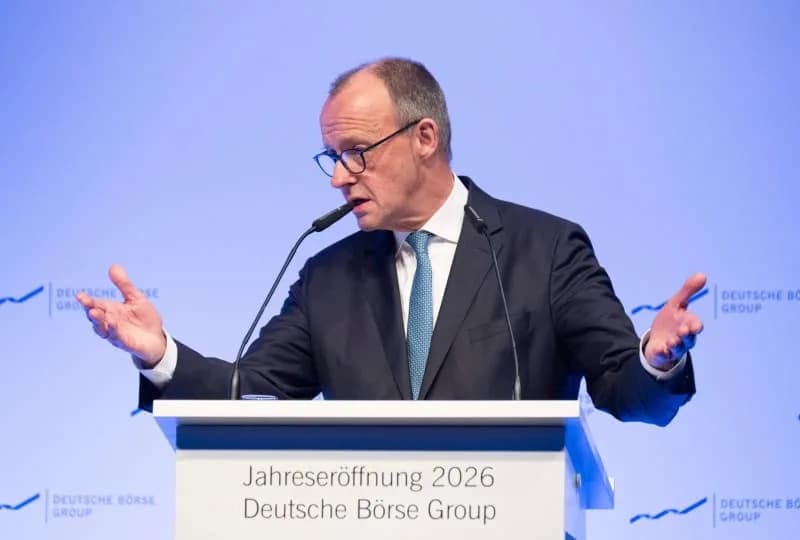
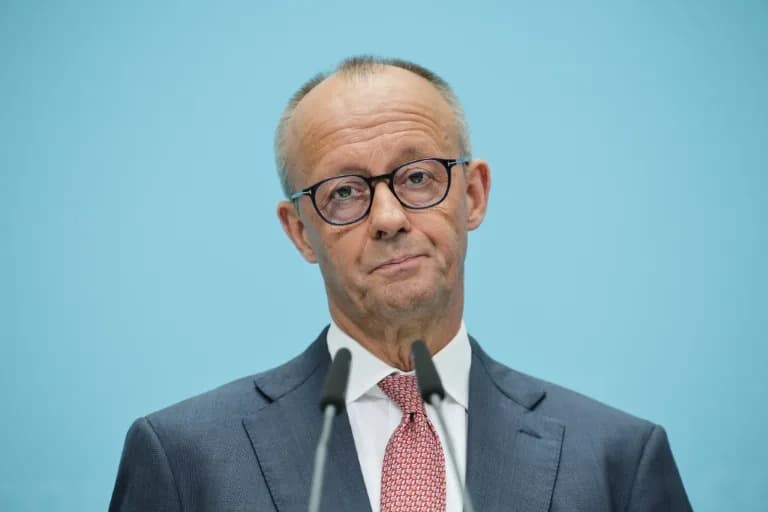
German Chancellor Friedrich Merz speaks at the Deutsche Boerse New Year's reception in Eschborn. Boris Roessler/dpa
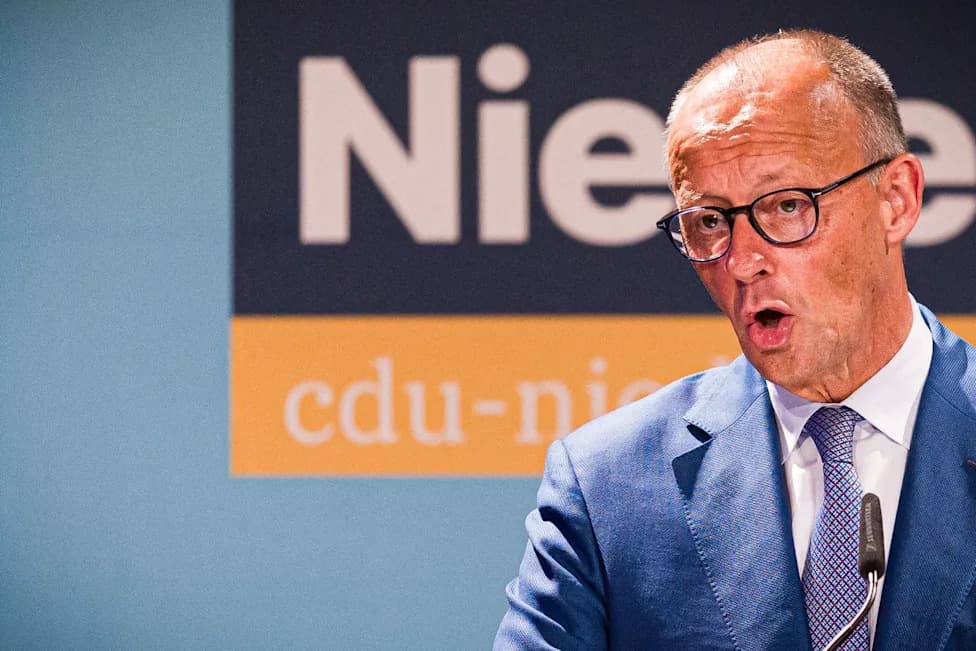
German Chancellor Friedrich Merz on Monday urged Europeans to strengthen their strategic independence in response to a profound transformation in global power dynamics. Speaking at the Deutsche Börse New Year’s reception near Frankfurt, Merz described the moment as a decisive break with the past and called for urgent, collective action.
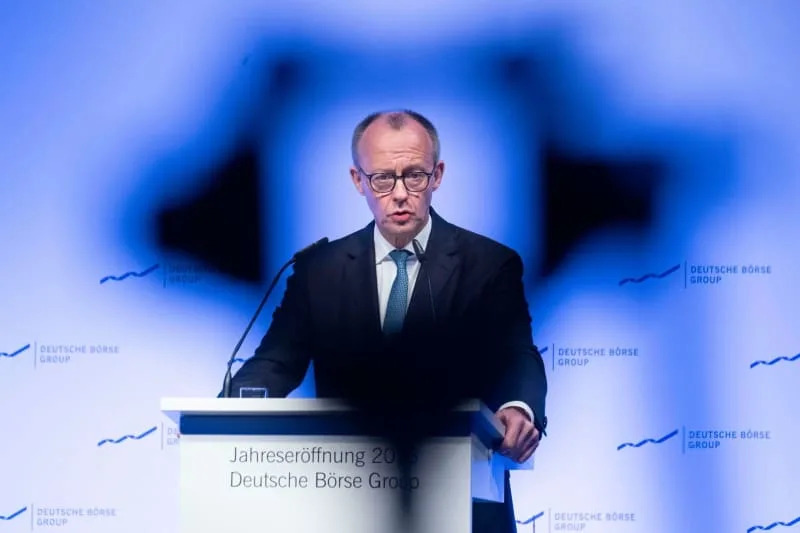
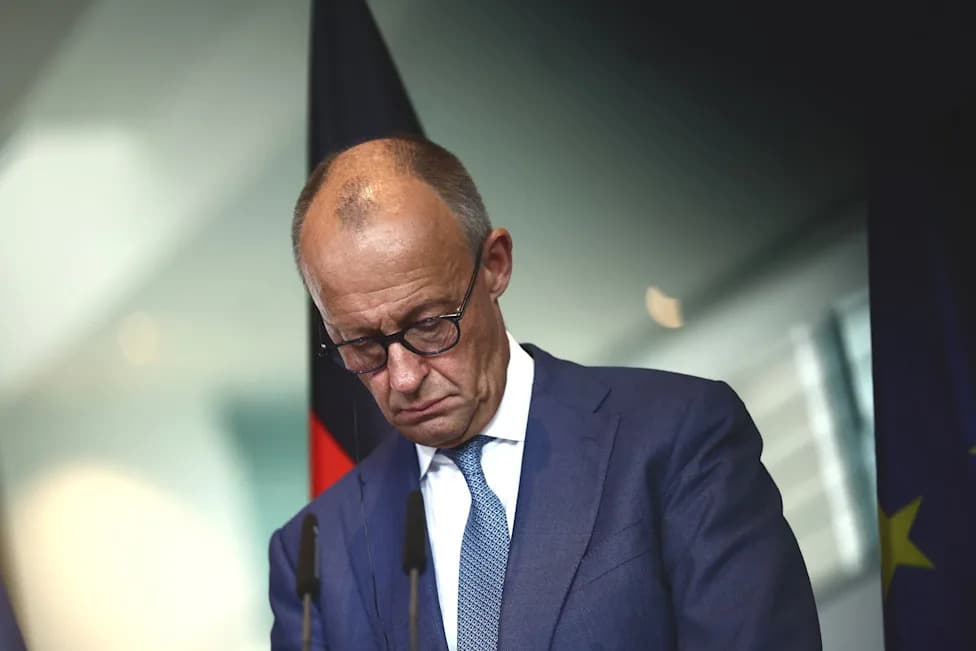
German Chancellor Friedrich Merz speaks at the Deutsche Boerse New Year's reception in Eschborn. Boris Roessler/dpa
"We are currently experiencing probably the greatest phase of political uncertainties and insecurities, certainly a deep caesura. It is a break of epochs," Merz said.
He warned that major powers are re-emerging with a readiness to exercise raw power rather than abide by international rules: "great powers... do not primarily want to adhere to rules, but rather exercise power politics, in part power politics that despise rules." In that context, Merz argued, Europe must stop relying on nostalgia and instead build real capabilities to safeguard its interests.
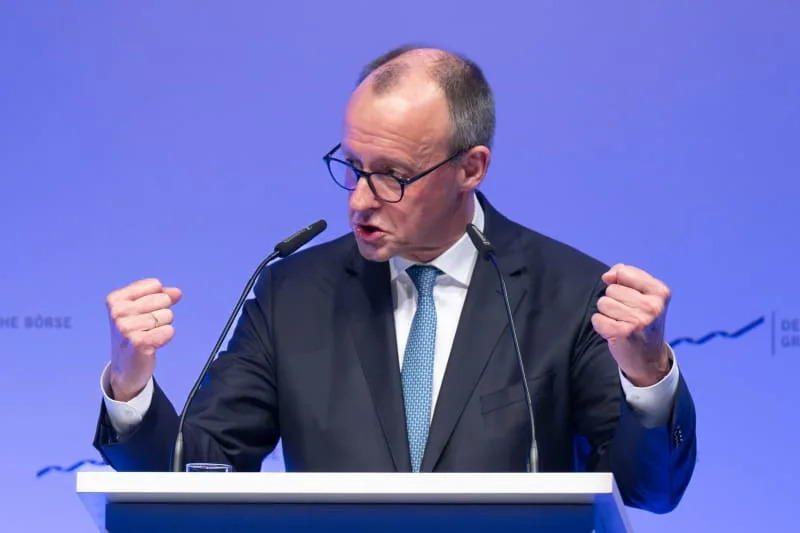
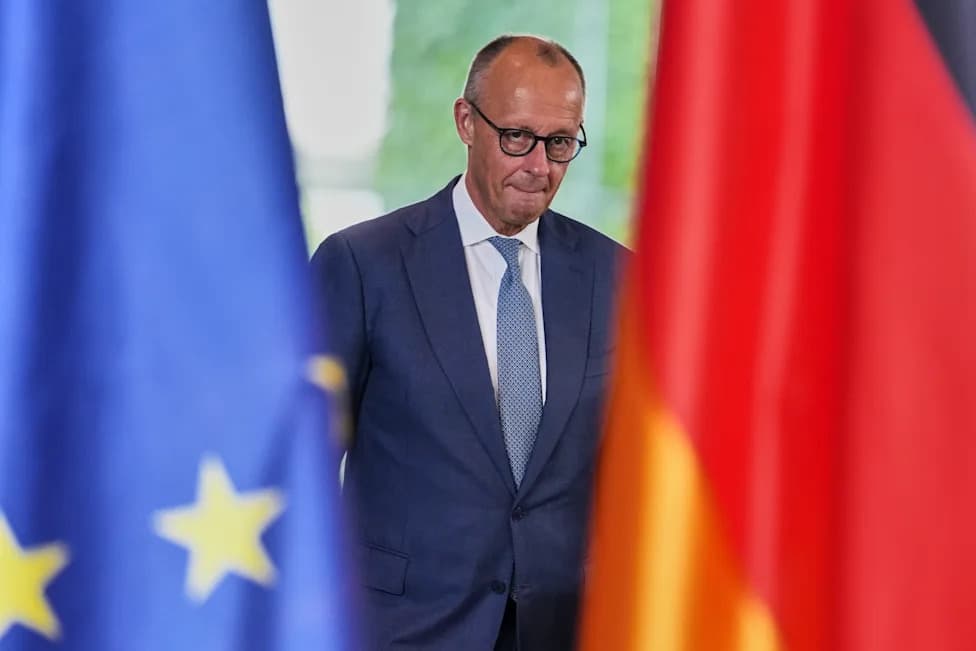
German Chancellor Friedrich Merz speaks at the Deutsche Boerse New Year's reception in Eschborn. Boris Roessler/dpa
What He Proposed
Merz laid out a compact vision for "a sovereign, free, peaceful and economically prosperous Europe," with Germany playing a central role. To achieve this he said Europe must:
- Be capable of defending itself through its own efforts;
- Restore and boost economic competitiveness across the single market;
- Reduce technological dependencies to secure critical supply chains and innovation.
Noting that trans-Atlantic relations have shifted, Merz cautioned that leaning on past frameworks or expectations will not be enough: "Trans-Atlantic relations have changed. But nostalgia or memories of old times do not help us." He closed with an urgent appeal: "We must get things under control now if we want to play a part in this global transformation phase."
The Chancellor framed his message as both a warning and a call to collective European resolve — emphasizing unity, determination, and practical steps to strengthen defence, economic resilience, and technological sovereignty.
Help us improve.