German Chancellor Friedrich Merz has launched a short Gulf tour, starting in Saudi Arabia, to diversify Germany's trade and energy relationships and secure new partners amid global uncertainty. Accompanied by a business delegation, he will meet Saudi Crown Prince Mohammed bin Salman before visiting Qatar and the UAE. Germany aims to reduce dependence on US-sourced LNG and expand green hydrogen, while also raising human rights and regional security concerns. The trip occurs against the backdrop of heightened tensions with Iran and diplomatic efforts connected to the Ukraine war.
Merz Begins Gulf Tour to Broaden Germany’s Trade and Energy Partnerships
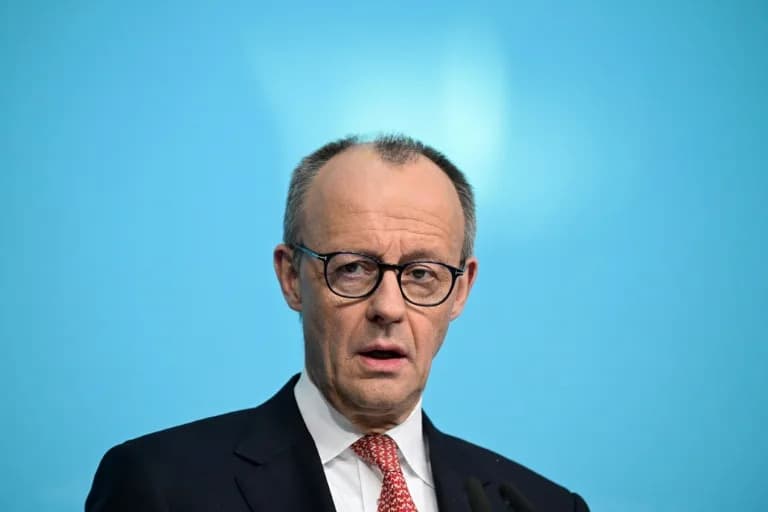
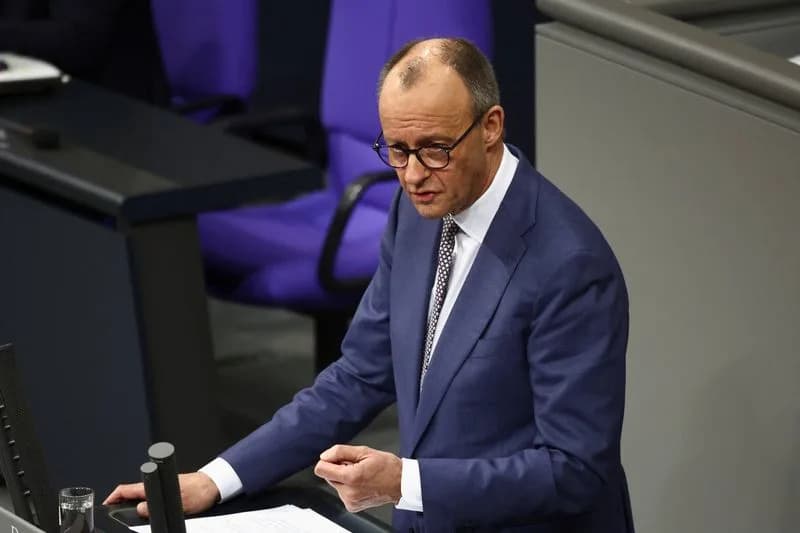
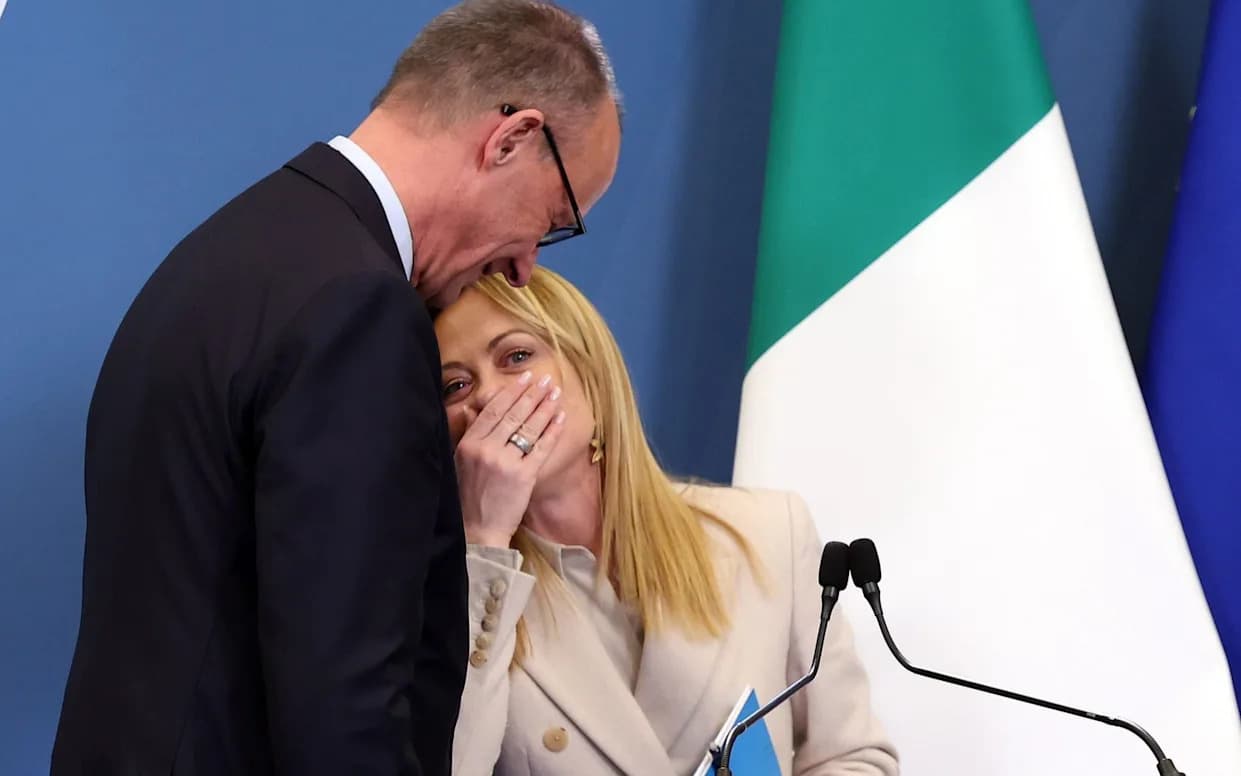
German Chancellor Friedrich Merz tours the Gulf region until Friday (John MACDOUGALL)(John MACDOUGALL/AFP/AFP)
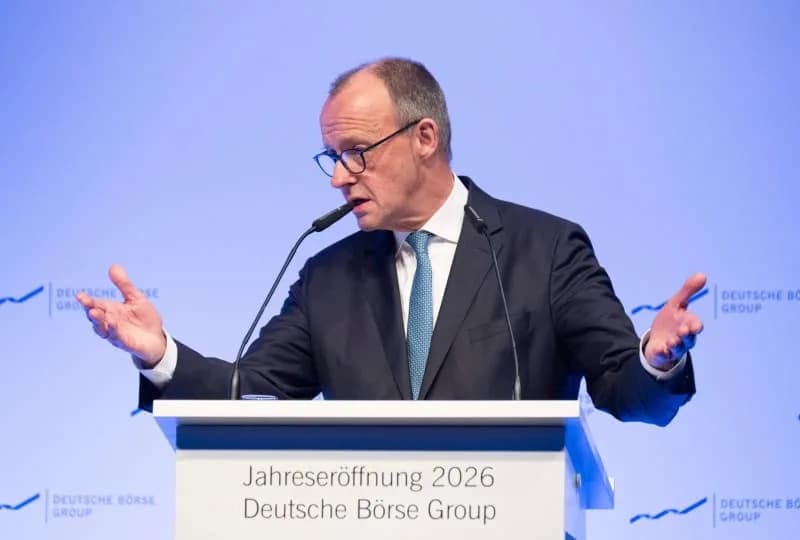
German Chancellor Friedrich Merz flew to Saudi Arabia on Wednesday to launch a brief Gulf tour as Berlin seeks to broaden its trade and energy ties amid shifting transatlantic relationships. Accompanied by a business delegation, the conservative leader will meet Saudi Crown Prince Mohammed bin Salman before travelling to Qatar and the United Arab Emirates on a whirlwind trip that concludes on Friday.
Merz framed the visit as part of a wider effort to secure dependable partners in an uncertain global environment. He said:
"We need such partnerships more than ever at a time when major powers increasingly determine politics. The Gulf can also help Germany diversify our oil and gas supply chains."
Germany has longstanding economic links with the Gulf: it exports defence equipment and major infrastructure, while Gulf sovereign wealth and investors have taken stakes in companies from Volkswagen to Deutsche Bank. After Russia's 2022 invasion of Ukraine sharply reduced Russian energy supplies, Berlin increased liquefied natural gas (LNG) imports from Qatar to get through the following winter.
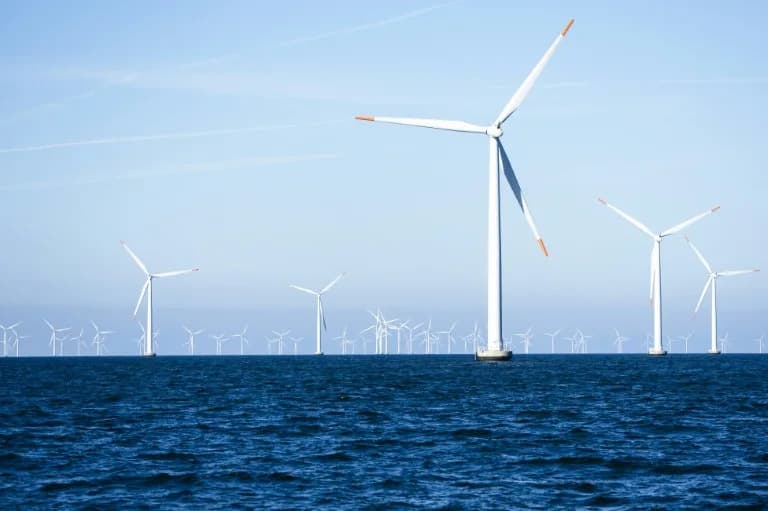
Now, Germany is accelerating efforts to reduce reliance on US-sourced LNG and to scale up green hydrogen produced from renewables to meet its climate targets. Gulf states, including Saudi Arabia, are themselves diversifying away from oil and gas revenues and investing heavily in renewables, tourism, logistics and artificial intelligence.
On Saudi Vision 2030, Merz praised the plan's economic and social ambitions while stressing Germany will raise human rights concerns during talks. He said the project "promotes an ambitious modernisation of the country — economically, culturally and socially. Much progress has been made. Certainly, much remains to be done, particularly regarding human rights. We also want to discuss this."
Regional Tensions
The trip comes amid heightened tensions centred on Iran after a violent crackdown on demonstrators. Merz has been openly critical of Tehran, condemning "a regime that can only hold onto power through sheer violence and terror against its own population" and calling on Iran to stop the violence and halt its military nuclear programme — a claim Tehran denies.
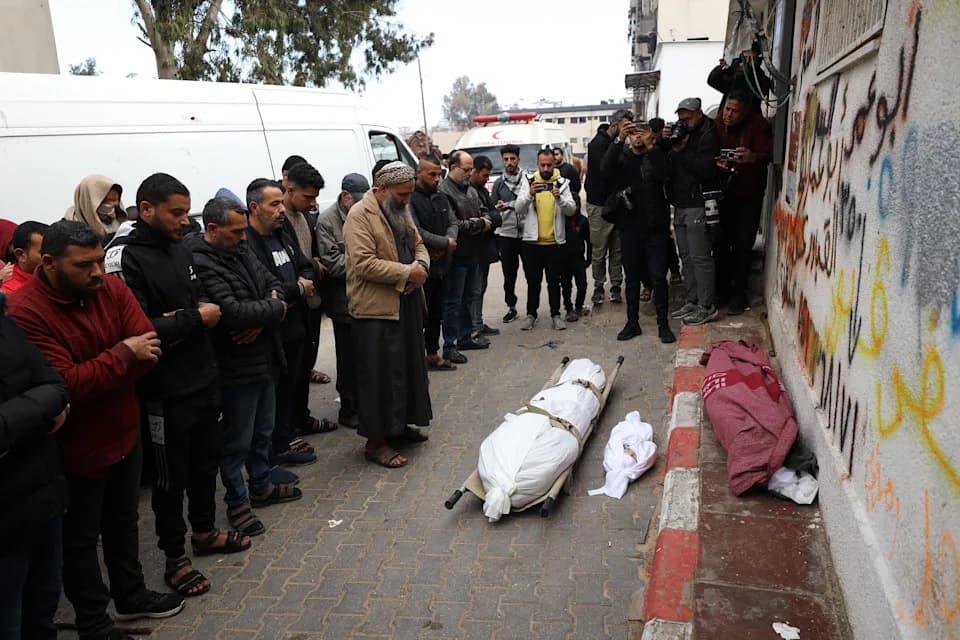
Germany, mindful of its history and its strong ties with Israel, has also criticised Israeli conduct in the Gaza war while continuing to support efforts to improve regional stability. Merz said Germany seeks to promote "a new peace order in the region. One day, Israel should be a welcome part of this order."
During the visit, the UAE will host another round of international talks related to the Ukraine war, which will include figures associated with the US administration. Merz's Gulf tour is intended to strengthen economic partnerships while balancing strategic and human-rights considerations.
Help us improve.